






Manila Bulletin
 Philippines
National
AFP welcomes high trust, performance ratings amid shift to territorial defense
Philippines
National
AFP welcomes high trust, performance ratings amid shift to territorial defense
Philippines
National
AFP welcomes high trust, performance ratings amid shift to territorial defense
AFP welcomes high trust, performance ratings amid shift to territorial defense
Published May 19, 2026 02:01 pm


At A Glance
- The Armed Forces of the Philippines (AFP) welcomed a recent OCTA Research Tugon ng Masa survey showing strong public trust and satisfaction in its performance in the first quarter of 2026.
- The survey, conducted from March 19–25 among 1,200 adults nationwide, found that 72% of Filipinos trust the AFP and 70% are satisfied with its performance, resulting in high net trust (+61) and net performance (+56).
- AFP spokesperson Col. Francel Margareth Padilla attributed the results to the military's expanding role beyond internal security operations toward territorial defense, maritime security, disaster response, and development support.
- She also noted public backing for the AFP modernization program.
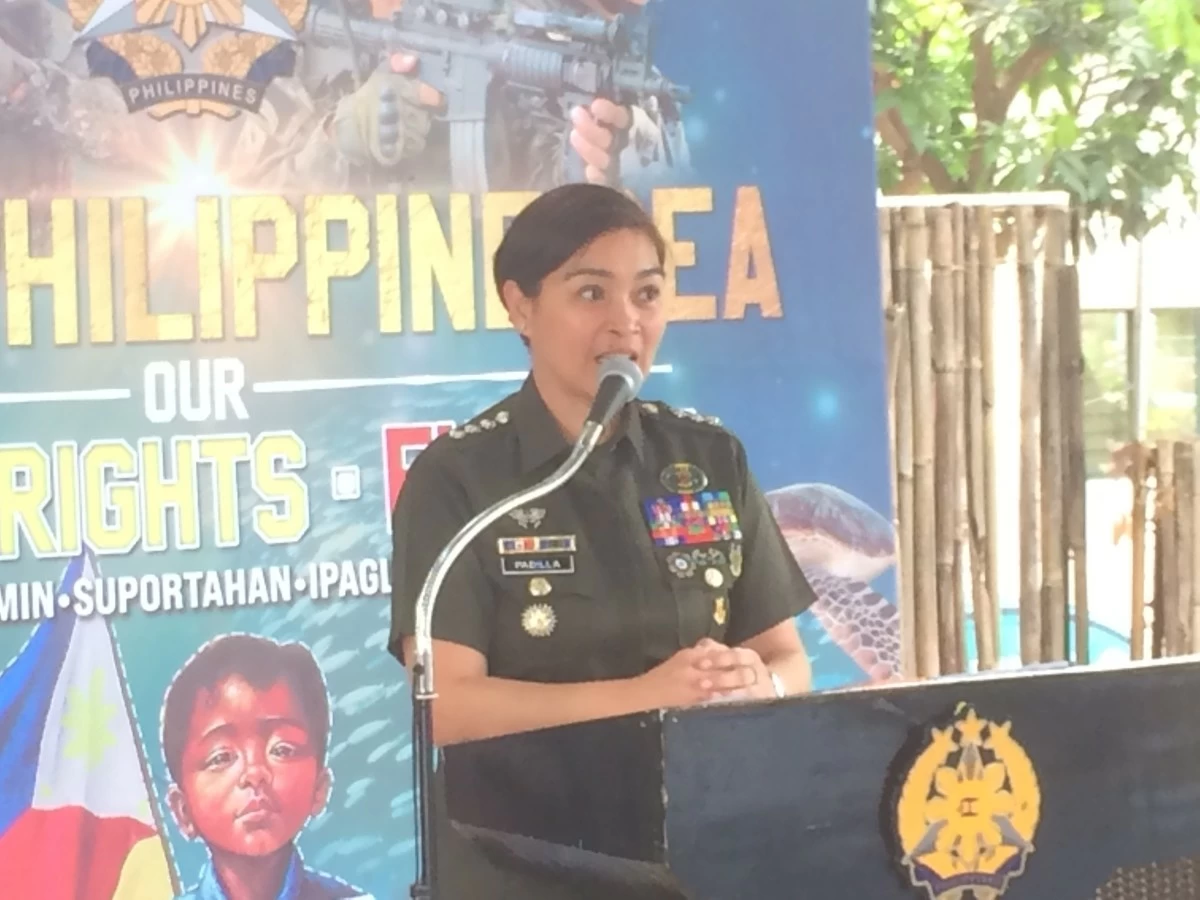
Armed Forces of the Philippines (AFP) spokesperson Col. Francel Margareth Padilla (Photo: Martin A. Sadongdong / MANILA BULLETIN)
The Armed Forces of the Philippines (AFP) on Tuesday, May 19, welcomed the latest survey results conducted by an independent polling firm which showed that it remains among the country’s most trusted government institutions in the first quarter of 2026 amid its transition from internal security operations (ISO) to territorial defense.
AFP spokesperson Col. Francel Margareth Padilla said the survey results of the latest Tugon ng Masa survey by OCTA Research showed the military garnering a 72-percent trust rating and 70-percent performance rating, which could be attributed to their expanded role beyond combat operations.
“First of all, we welcome the results of this survey,” she said. “If you look at it, even with our internal security operations, we are now gradually transitioning toward territorial defense and are increasing our operations in humanitarian assistance, disaster response, and development efforts.”
The survey, conducted from March 19 to 25, showed that 72 percent of adult Filipinos trust the AFP while 11 percent express distrust, resulting in a strong net trust rating of +61.
It also recorded a 70 percent satisfaction rating for performance, with 14 percent dissatisfied, giving a net performance score of +56.
Findings indicate that trust and satisfaction were particularly high in the Visayas, rural areas, and among lower-income groups, while still remaining majority-positive across all sectors, including urban areas and higher-income respondents.
The survey covered 1,200 adult Filipinos nationwide and had a margin of error of ±3 percent.
The AFP has, in recent years, redirected much of its attention to external defense and maritime security as tensions persisted in the West Philippine Sea (WPS) and after the government declared major gains in its decades-long counterinsurgency campaign.
The military has also taken a more visible role in disaster response operations during typhoons, flooding, and other calamities. Troops have regularly been deployed for relief work, rescue missions, and transport assistance in affected communities.
“The AFP is always there in various operations,” Padilla noted.
Further, she also underscored public support for the AFP modernization program, which includes efforts to upgrade the country’s naval, air, and territorial defense capabilities.
“These are really very good numbers for us. We will not betray the trust given by the people. We are grateful for this trust. This actually fuels our drive to perform our mandate better,” Padilla said.