ADVERTISEMENT

Tayo launches 'Archipelagic Design Living Lexicon and Archive' at National Museum

Published May 18, 2026 03:05 pm
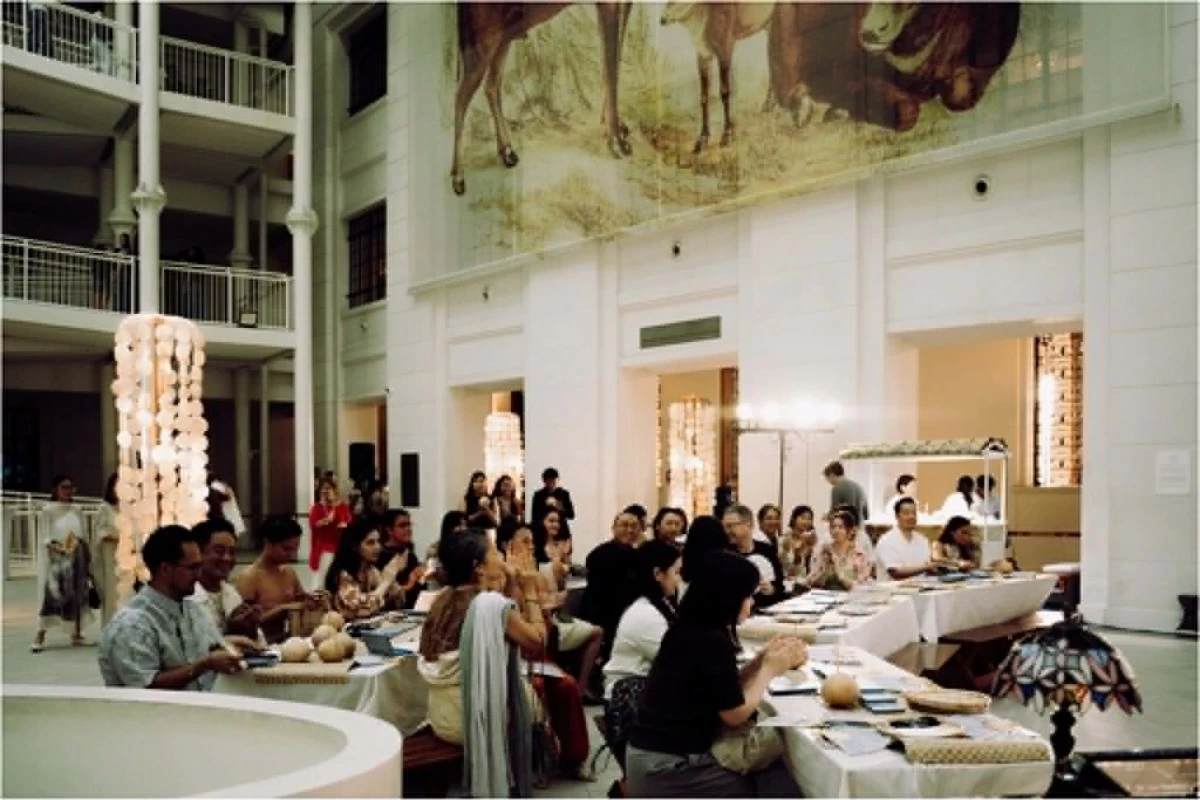
In celebration of National Heritage Month, Filipino design studio Tayo unveiled its newest initiative, the “Archipelagic Design Living Lexicon and Archive: Creativity Rooted in Biodiversity,”' through an immersive gathering held on May 8 at the National Museum of Natural History.
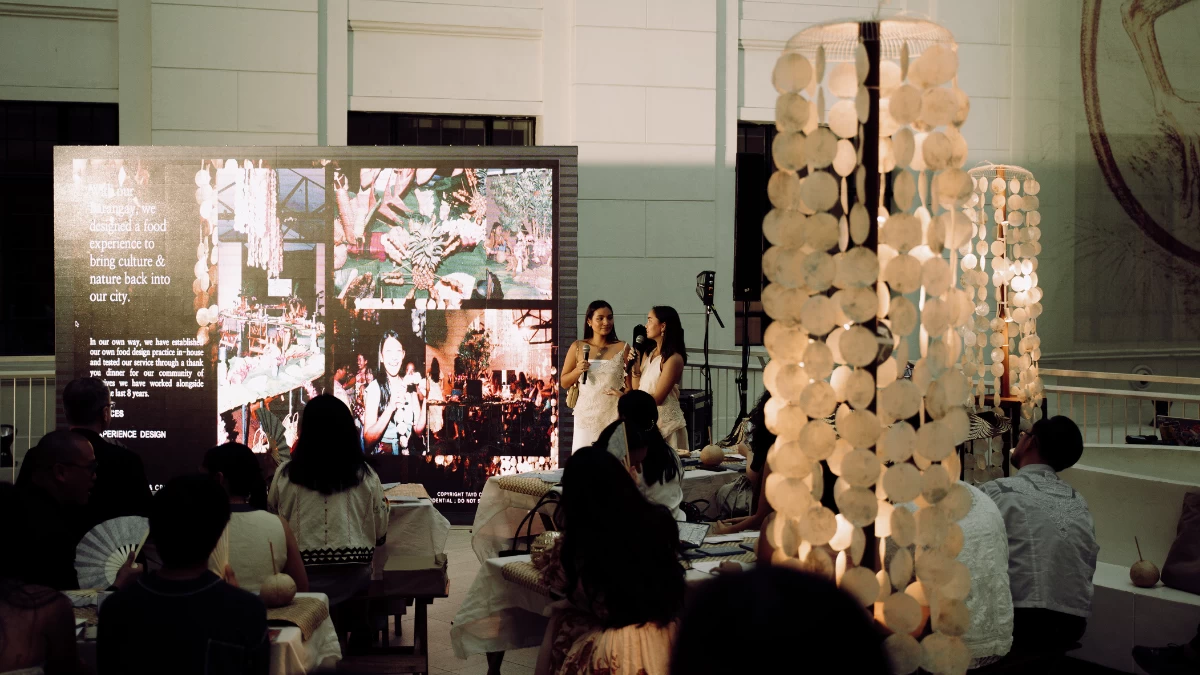
(Photos: Tayo)
(Photos: Tayo)
The event, titled Salu-Salo Tayo, marked a significant milestone for the studio as it celebrated eight years of practice and 11 years of advocating for a distinctly Filipino and ecology-centered approach to design. More than a launch, the gathering served as a declaration of Tayo’s continuing mission to reshape the way Filipino creativity is understood, practiced, and shared globally.
At the heart of the launch is the Living Lexicon and Archive, a research-driven body of work that seeks to define and expand the language of archipelagic design, a philosophy that views design, craft, media, culture, and ecology as deeply interconnected systems. Inspired by the structure of the Philippine archipelago itself, the framework rejects rigid disciplinary boundaries in favor of fluid, interconnected practices rooted in land, sea, and community.
Central to this initiative is Tayo’s newly introduced framework, “The Eight Pulses of Filipino Design,” which outlines the principles guiding the studio’s work across branding, exhibitions, sustainability, hospitality, and cultural strategy. Designed as both a creative methodology and an open framework, the pulses encourage designers and organizations to build projects grounded in local ecology, heritage, and collective memory rather than imported standards of aesthetics and development.
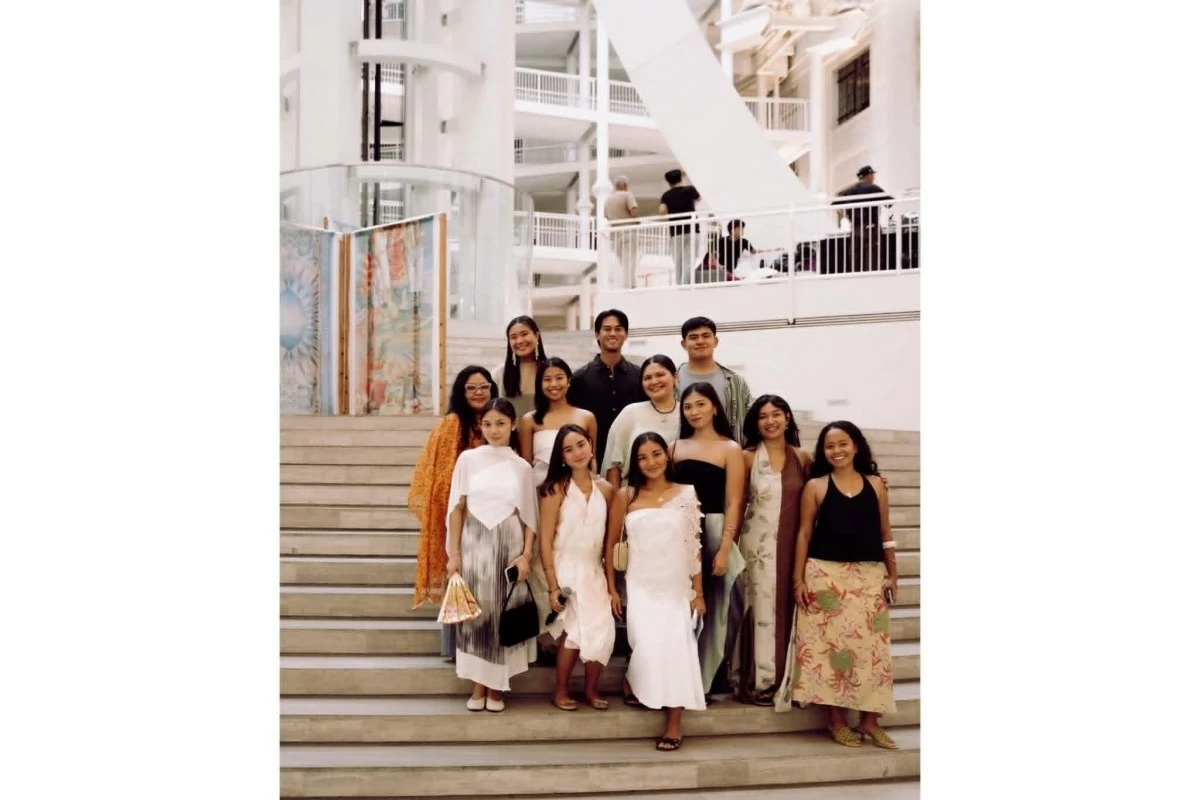
Throughout the event, guests experienced Tayo’s philosophy through a series of installations and sensory encounters that transformed the museum into a living expression of archipelagic identity. Water served as the event’s central metaphor, representing movement, exchange, and regeneration across islands and communities.
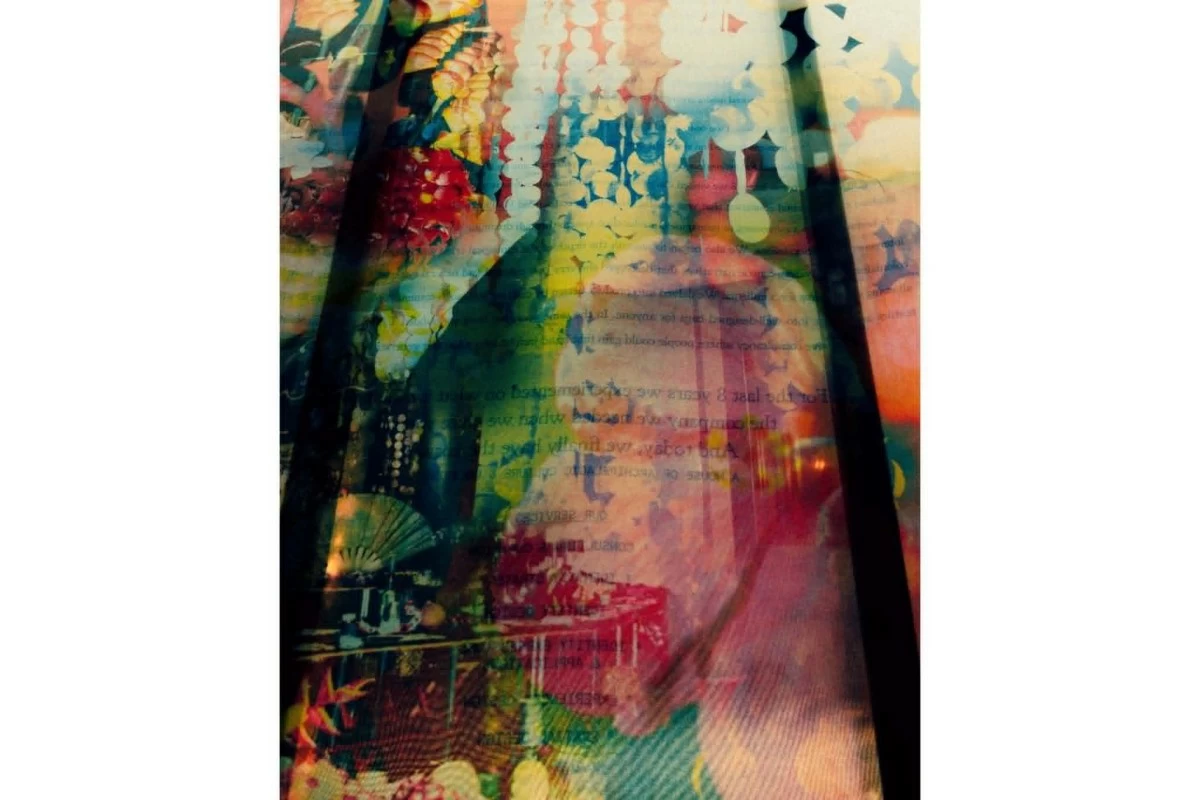
The first part of the program introduced the Living Lexicon and Archive through flowing textile installations and visual presentations that reflected the fluidity of Filipino cultural systems. The second half, the Salu-Salo, invited guests into a communal dining experience shaped by materials, ingredients, and stories from island communities Tayo works alongside, including Halian Island, Anajawan Island, Mam-on Island, Suyangan Island, and Simariki Island.
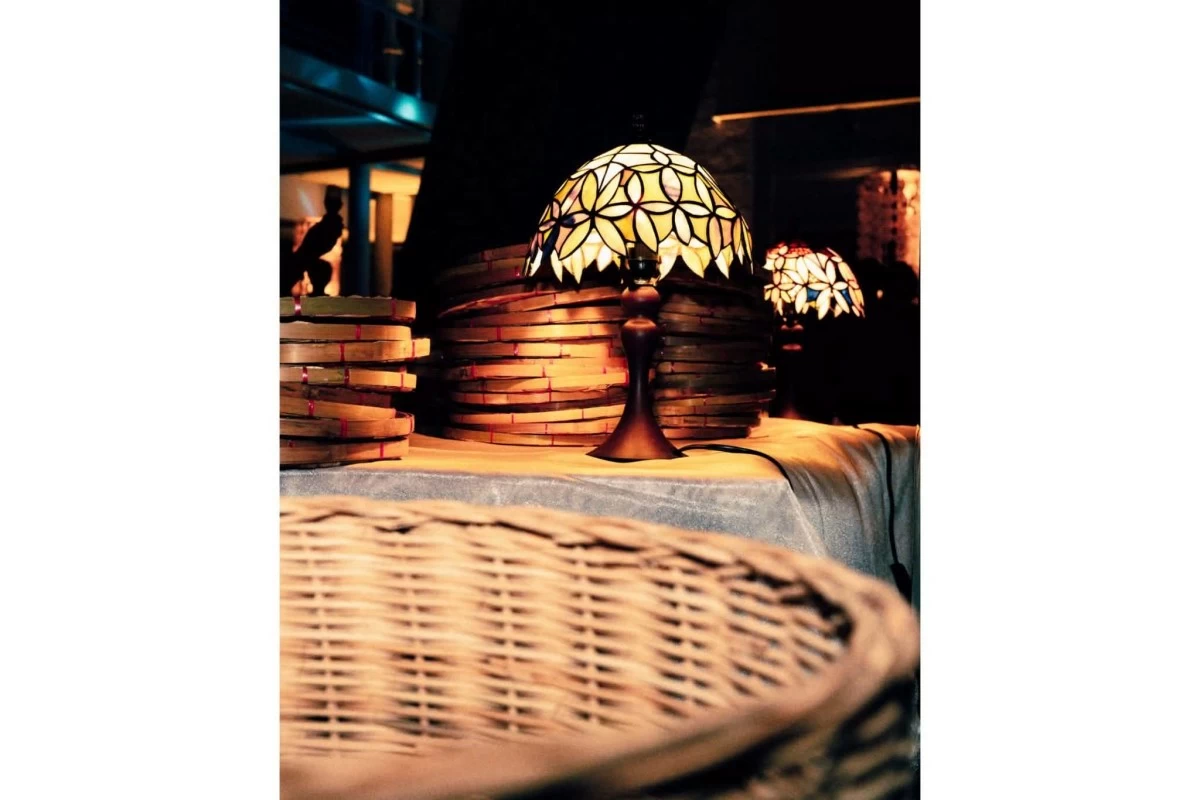
Food for the evening was developed in collaboration with Fia’s Food using ingredients sourced directly from local fisherfolk, while custom-made vessels by Aly of Manibalang echoed the movement of rippling water. The space was further enriched through collaborations with Filipino artisans, including hand-dyed Philippine indigo textiles by Muni-Muni, custom scrap-glass lighting by Tiffany Stained Glass, and capiz installations crafted in Lumban, Laguna.
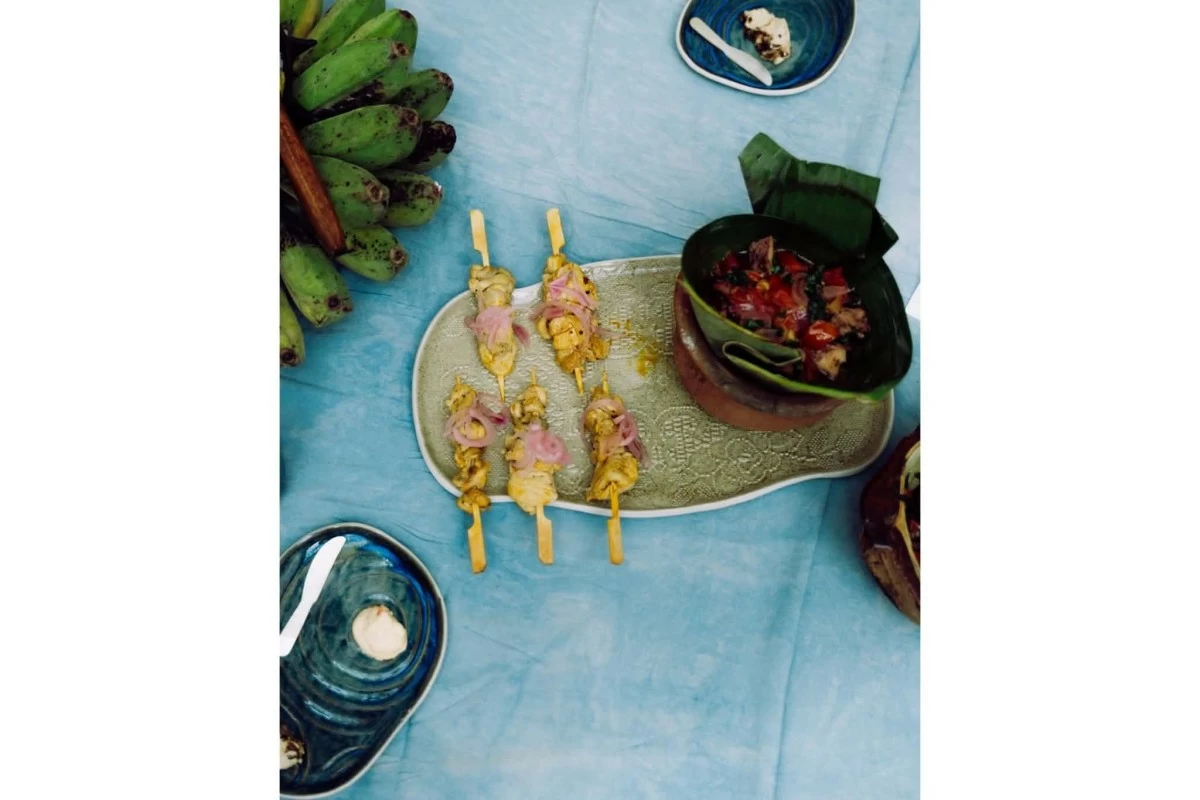
The evening concluded with live sonic performances by Bjork Calao, Miko Reyes, and Jacob Mendoza, adding another layer to the immersive exploration of Filipino identity through sound and atmosphere.
“It is our duty as designers and creatives to root all our systems back into the nature and culture that keeps us thriving, a way of life that reminds us to look beyond western standards and into what is true to our land, sea, and people,” said Bella and Tasha Tanjucto, co-founders and creative directors of Tayo.
With this relaunch, Tayo positions itself as a soul-first design agency working across disciplines—from branding and product design to large-scale exhibitions and festivals—while remaining rooted in the cultural and ecological realities of the archipelago.

Related Tags

leisure design Tayo
ADVERTISEMENT
.most-popular .layout-ratio{ padding-bottom: 79.13%; } @media (min-width: 768px) and (max-width: 1024px) { .widget-title { font-size: 15px !important; } }

{{ articles_filter_1561_widget.title }}

.most-popular .layout-ratio{ padding-bottom: 79.13%; } @media (min-width: 768px) and (max-width: 1024px) { .widget-title { font-size: 15px !important; } }

{{ articles_filter_1562_widget.title }}

.most-popular .layout-ratio{ padding-bottom: 79.13%; } @media (min-width: 768px) and (max-width: 1024px) { .widget-title { font-size: 15px !important; } }

{{ articles_filter_1563_widget.title }}

{{ articles_filter_1564_widget.title }}

.mb-article-details { position: relative; } .mb-article-details .article-body-preview, .mb-article-details .article-body-summary{ font-size: 17px; line-height: 30px; font-family: "Libre Caslon Text", serif; color: #000; } .mb-article-details .article-body-preview iframe , .mb-article-details .article-body-summary iframe{ width: 100%; margin: auto; } .read-more-background { background: linear-gradient(180deg, color(display-p3 1.000 1.000 1.000 / 0) 13.75%, color(display-p3 1.000 1.000 1.000 / 0.8) 30.79%, color(display-p3 1.000 1.000 1.000) 72.5%); position: absolute; height: 200px; width: 100%; bottom: 0; display: flex; justify-content: center; align-items: center; padding: 0; } .read-more-background a{ color: #000; } .read-more-btn { padding: 17px 45px; font-family: Inter; font-weight: 700; font-size: 18px; line-height: 16px; text-align: center; vertical-align: middle; border: 1px solid black; background-color: white; } .hidden { display: none; }
function initializeAllSwipers() { // Get all hidden inputs with cms_article_id document.querySelectorAll('[id^="cms_article_id_"]').forEach(function (input) { const cmsArticleId = input.value; const articleSelector = '#article-' + cmsArticleId + ' .body_images'; const swiperElement = document.querySelector(articleSelector); if (swiperElement && !swiperElement.classList.contains('swiper-initialized')) { new Swiper(articleSelector, { loop: true, pagination: false, navigation: { nextEl: '#article-' + cmsArticleId + ' .swiper-button-next', prevEl: '#article-' + cmsArticleId + ' .swiper-button-prev', }, }); } }); } setTimeout(initializeAllSwipers, 3000); const intersectionObserver = new IntersectionObserver( (entries) => { entries.forEach((entry) => { if (entry.isIntersecting) { const newUrl = entry.target.getAttribute("data-url"); if (newUrl) { history.pushState(null, null, newUrl); let article = entry.target; // Extract metadata const author = article.querySelector('.author-section').textContent.replace('By', '').trim(); const section = article.querySelector('.section-info ').textContent.replace(' ', ' '); const title = article.querySelector('.article-title h1').textContent; // Parse URL for Chartbeat path format const parsedUrl = new URL(newUrl, window.location.origin); const cleanUrl = parsedUrl.host + parsedUrl.pathname; // Update Chartbeat configuration if (typeof window._sf_async_config !== 'undefined') { window._sf_async_config.path = cleanUrl; window._sf_async_config.sections = section; window._sf_async_config.authors = author; } // Track virtual page view with Chartbeat if (typeof pSUPERFLY !== 'undefined' && typeof pSUPERFLY.virtualPage === 'function') { try { pSUPERFLY.virtualPage({ path: cleanUrl, title: title, sections: section, authors: author }); } catch (error) { console.error('ping error', error); } } // Optional: Update document title if (title && title !== document.title) { document.title = title; } } } }); }, { threshold: 0.1 } ); function showArticleBody(button) { const article = button.closest("article"); const summary = article.querySelector(".article-body-summary"); const body = article.querySelector(".article-body-preview"); const readMoreSection = article.querySelector(".read-more-background"); // Hide summary and read-more section summary.style.display = "none"; readMoreSection.style.display = "none"; // Show the full article body body.classList.remove("hidden"); } document.addEventListener("DOMContentLoaded", () => { let loadCount = 0; // Track how many times articles are loaded const offset = [1, 2, 3, 4, 5, 6, 7, 8, 9, 10]; // Offset values const currentUrl = window.location.pathname.substring(1); let isLoading = false; // Prevent multiple calls if (!currentUrl) { console.log("Current URL is invalid."); return; } const sentinel = document.getElementById("load-more-sentinel"); if (!sentinel) { console.log("Sentinel element not found."); return; } function isSentinelVisible() { const rect = sentinel.getBoundingClientRect(); return ( rect.top < window.innerHeight && rect.bottom >= 0 ); } function onScroll() { if (isLoading) return; if (isSentinelVisible()) { if (loadCount >= offset.length) { console.log("Maximum load attempts reached."); window.removeEventListener("scroll", onScroll); return; } isLoading = true; const currentOffset = offset[loadCount]; window.loadMoreItems().then(() => { let article = document.querySelector('#widget_1690 > div:nth-last-of-type(2) article'); intersectionObserver.observe(article) loadCount++; }).catch(error => { console.error("Error loading more items:", error); }).finally(() => { isLoading = false; }); } } window.addEventListener("scroll", onScroll); });

Sign up by email to receive news.