







Investment in public safety
Published May 18, 2026 12:05 am
|
Updated May 17, 2026 04:05 pm


BARRACKS AND STRATEGY
Public safety begins long before a police officer is deployed to the streets. It begins in the institutions that form them, in the values they are taught, and in the kind of leadership they learn to practice. For the Philippine National Police, the Philippine National Police Academy remains a foundation of police service.
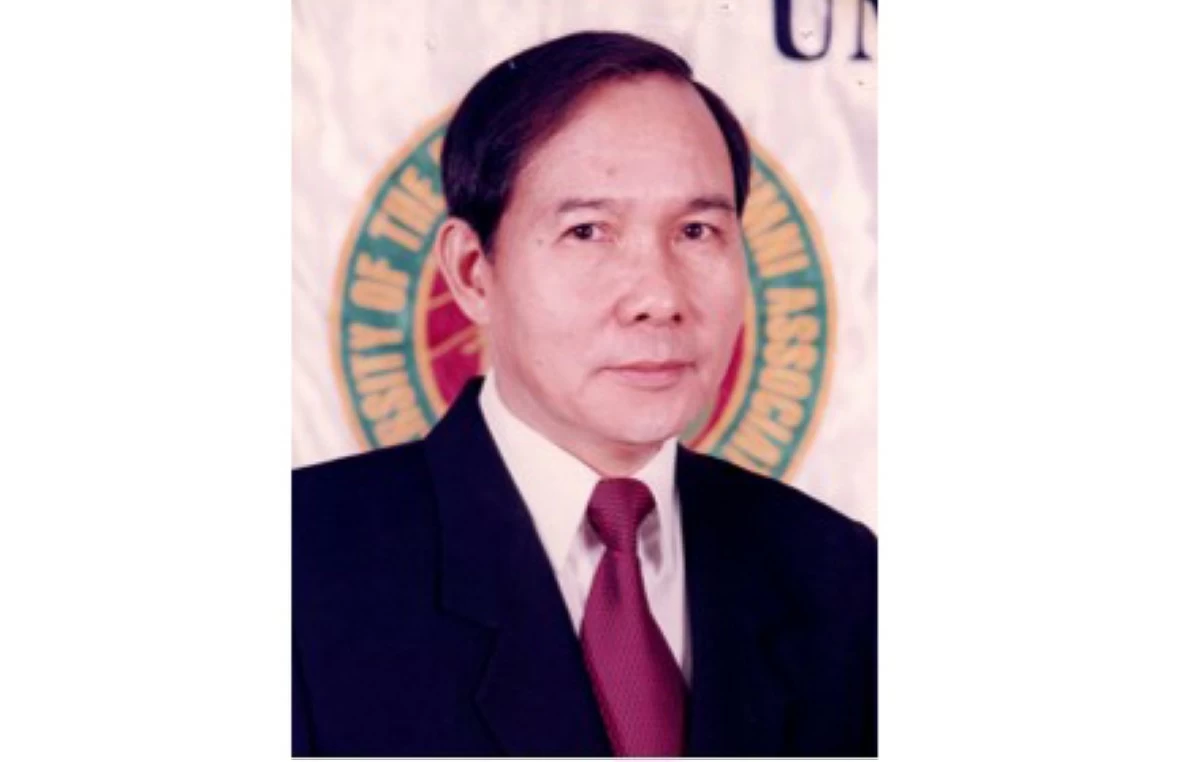
I have had the privilege of serving as Chairman of the PNPA Advisory Board under five Superintendents, from PMGEN Noble to the newly installed Director, PBGen Maranan. Through the years, I have observed firsthand the Academy’s transformation into a credible, relevant institution committed to professionalizing the police service. Isolated cases of indiscretion involving cadets may have occurred, but these should not define the PNPA’s overall mission. An institution must be judged not only by the challenges it faces, but by the seriousness with which it corrects and strengthens itself.
Public safety is not secured by police presence alone. It is secured by the quality of leadership behind the uniform, the character of those entrusted with authority, and the confidence of citizens that law enforcers will protect them with competence, restraint, and integrity. When citizens trust the police, they report crimes, cooperate with investigations, support community safety programs, and help maintain peace and order.
That is why the PNPA must be viewed not merely as an educational institution, but as a strategic investment in public safety. Every cadet formed within its grounds represents a future commander, station chief, investigator, community leader, and public servant. The standards set today inside the Academy will eventually be felt in police stations, communities, crisis areas, and places where Filipinos expect protection and justice.
Leadership in the police service cannot be reduced to rank, command authority, or operational success. It must be anchored on moral courage, accountability, discipline, humility, and service. A police officer may know the law, master tactics, and wear the uniform; but without character, judgment, and integrity, authority can be misused, citizens endangered, and the institution weakened.
The message of PNP Chief PGen. Jose Melencio C. Nartatez Jr. during the PNPA leadership transition, with the assumption of PBGen Maranan as new Director, must therefore be understood as a call to invest in the organization’s future. His emphasis on forming competent, disciplined, and service-oriented officers supports the broader vision of a “Bagong PNP para sa Bagong Pilipinas: Serbisyong Mabilis, Tapat, at Nararamdaman.” This vision will only become real if the Academy produces officers whose leadership is not only professional, but also deeply ethical.
The Chief PNP’s initiatives may be seen as investments in several essential areas.
First, there is an investment in character formation. The PNPA must continue to build leaders who understand that authority is a public trust. Character development must be integrated into daily cadet life, not treated as a separate subject. Cadets must be trained to make decisions under pressure, to respect human dignity, to accept accountability, and to lead by example. The habits they develop as cadets will influence how they exercise power as officers.
Second, there is an investment in leadership systems. The Leadership Center, leadership training programs, mentorship mechanisms, and leadership tenure reforms should form one coherent ecosystem. These initiatives must not depend solely on personalities or temporary enthusiasm. They must be institutionalized, measured, documented, and sustained. Leadership development must have clear standards, responsible offices, performance indicators, and continuity beyond changes in command.
Third, there is an investment in curriculum reform. As Chairman of the Advisory Board, I recognize the Board’s role in ensuring that PNPA education remains relevant to modern policing. One important initiative discussed in Advisory Board meetings is the continuing review of the curriculum to align Academy instruction with the actual needs of police stations, operational units, and communities. The curriculum must balance academics and tactics while strengthening leadership, good governance, cybercrime, forensic science, communication, ethics, and community-oriented policing.
Fourth, there is an investment in faculty development. No Academy can rise above the quality of those who teach, train, mentor, and model leadership before the cadets. Faculty members and tactical officers are formation leaders. Their conduct becomes part of the hidden curriculum. Cadets learn not only from lectures and manuals, but from the daily example of those assigned to guide them.
Faculty development must therefore be a central reform initiative. Instructors must be trained not only in subject matter expertise, but also in pedagogy, mentoring, ethics, leadership coaching, and outcomes-based education. The Advisory Board’s focus on faculty development supports the need to professionalize the entire learning environment. A stronger faculty means stronger cadets. Stronger cadets mean better officers. Better officers mean safer communities.
Fifth, there is an investment in the professionalization of the PNP officer corps. PNPA graduates occupy a critical place in the leadership pipeline of the Philippine National Police. They are expected to bring discipline, competence, and values-based leadership into the organization. Their role is not only to fill positions, but to raise standards. They must help professionalize the officer corps by showing that leadership is service, command is responsibility, and credibility is earned daily.
The Advisory Board’s role is therefore both supportive and strategic. It connects the Academy with external perspectives, professional standards, governance practices, and reform priorities. Through curriculum review, faculty development, documentation, scorecards, accomplishment tracking, and stakeholder engagement, the Board helps ensure that reforms are practical, measurable, and aligned with the needs of the organization and the public.
The PNPA stands at a decisive moment. The leadership direction set by CPNP Nartatez, the renewed stewardship of the Academy under PBGen Maranan, and the active support of the Advisory Board all point to one essential truth: investing in leadership is investing in public safety.
In the end, the future credibility of the PNP will not be determined by slogans alone. It will be shaped by the kind of leaders the PNPA produces today. If the Academy succeeds in forming officers of character, then the nation gains more than graduates. It gains guardians of peace, instruments of security, and public servants worthy of the trust of the Filipino people.
(Lt. Gen. Jaime S. de los Santos served with distinction as a military professional, 42nd Commanding Gen. Philippine Army, 1st Force Commander, UN Multi-National Peacekeeping Force in East Timor, former member, UP Board of Regents and Professorial Lecturer II (part-time), UP-Diliman.)