

ADVERTISEMENT

Adapt or fail in future wars! Army drone races signal shift in military training

Published May 17, 2026 02:05 pm

At A Glance

  • The Philippine Army said it was intensifying its drone warfare training, emphasizing that future conflicts will rely heavily on technology and adaptability.
  • During the Drone Racing Fellowship 2026 at Camp Capinpin, Major General Ramon Zagala, commander of the 2nd Infantry Division, said forces that fail to adapt to drone technology risk falling behind.
Major Gen. Ramon Zagala (left), commander of the 2nd Infantry Division, spearheads the Drone Racing Fellowship 2026 at Camp Capinpin in Tanay, Rizal on May 16, 2026. (Photo: 2ID, Philippine Army)
The Philippine Army (PA) said it was stepping deeper into drone warfare training, warning that future conflicts will be shaped by technology and forces that fail to adjust risk being left behind.
This was stressed by Major General Ramon Zagala, commander of the 2nd Infantry Division (2ID), during the Drone Racing Fellowship 2026 hosted by the 2ID on Saturday, May 16, at Camp Capinpin in Tanay, Rizal.
The event gathered personnel from some of the Army’s elite and specialized units including the First Scout Ranger Regiment, Special Forces Regiment (Airborne), Light Reaction Regiment, Reserve Command, Explosive Ordnance Disposal units, and other specialized units.
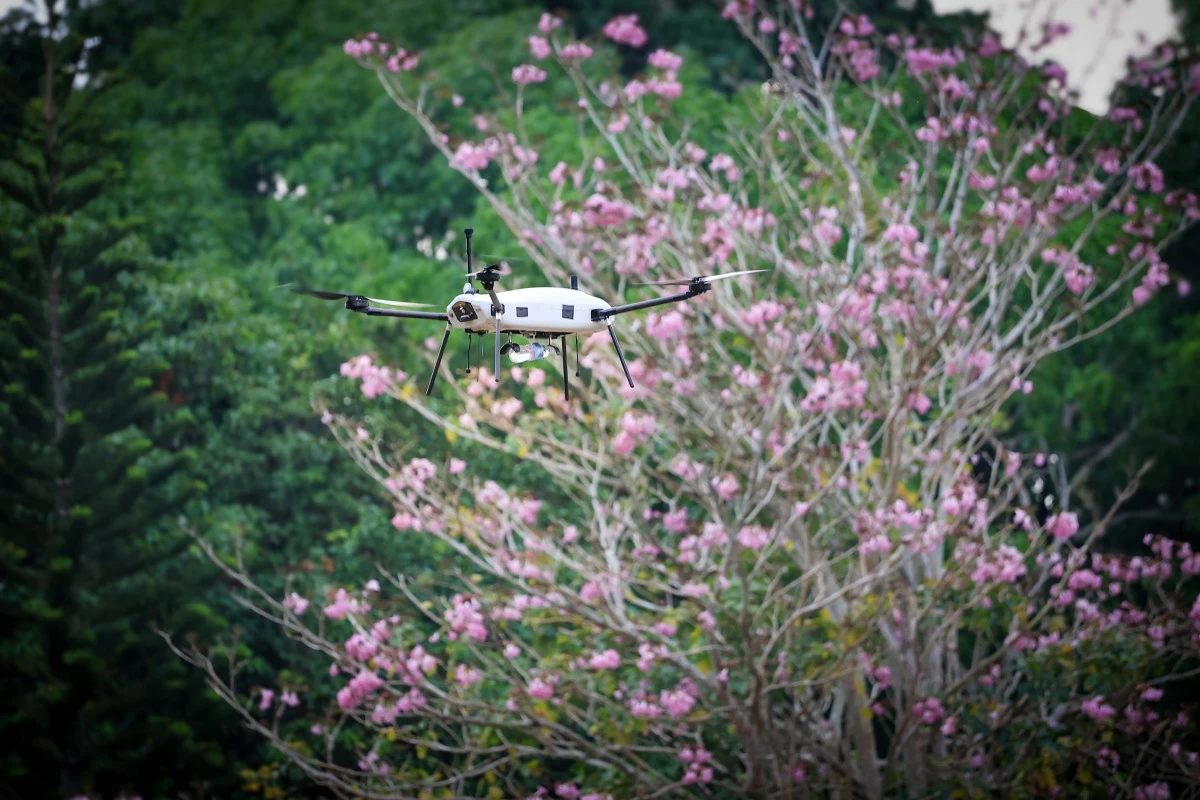
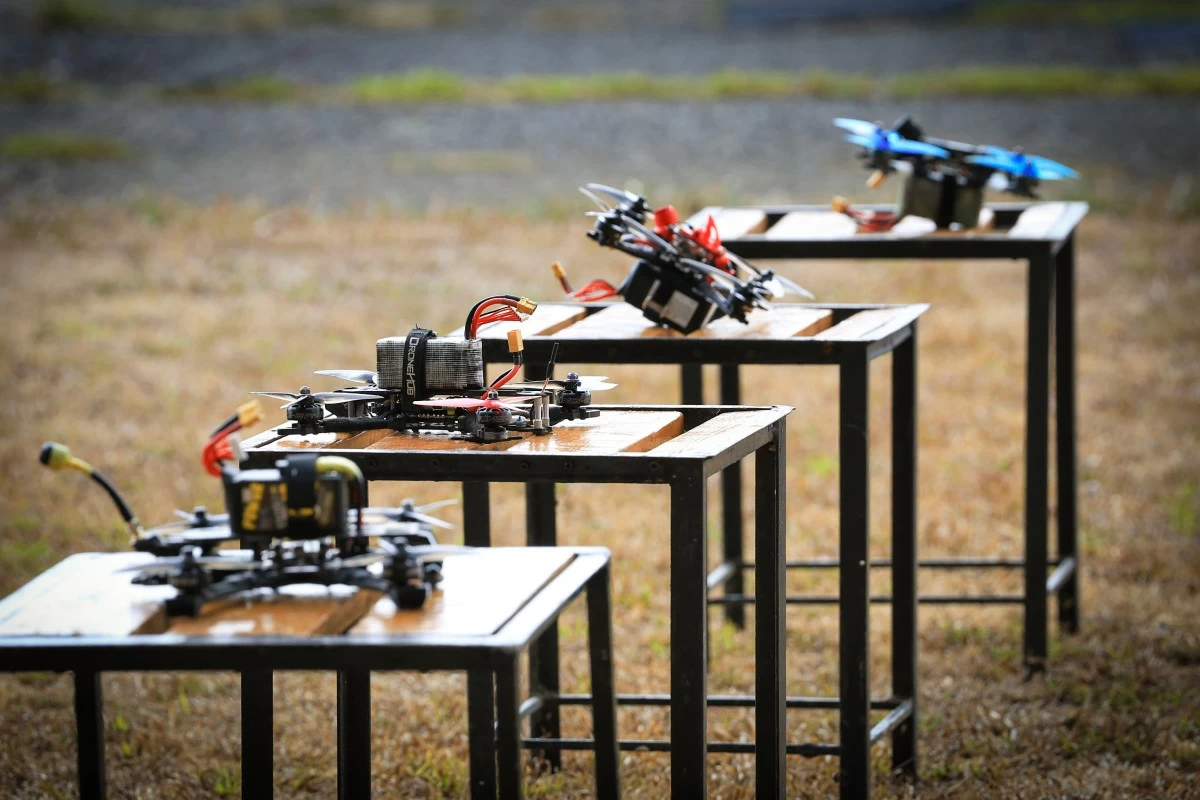
Participants maneuvered drones through aerial obstacle courses after undergoing track walkthroughs, practice flights, and qualifying rounds designed to test precision, focus, control, and split-second decision-making under pressure.
“Tomorrow’s operations will demand not only courage in the field, but also adaptability in technology. We must continue learning, evolving, and preparing our personnel for the changing operational environment. If we will not adapt, we will fail,” Zagala said.
The 2ID stressed that militaries worldwide are increasingly relying on drones for reconnaissance, surveillance, targeting, and battlefield coordination.
Conflicts in Ukraine and the Middle East have shown how relatively inexpensive unmanned aerial systems can alter combat operations and challenge traditional military tactics.
The Armed Forces of the Philippines (AFP) has also been expanding its use of drone technology in recent years, particularly in intelligence gathering and internal security operations against insurgent groups.
Army units have used drones to monitor remote terrain, improve situational awareness, and support combat missions without exposing troops directly to danger.
Zagala said the military could no longer treat drone systems as optional tools.
“Drone technology is already here. Future wars will be fought with it, and our ability to harness it will provide a differentiation,” he said.
The Drone Racing Fellowship 2026 formed part of the 2ID’s continuing effort to sustain gains in internal security operations while preparing troops for external defense missions and future battlefield demands, according to Zagala.
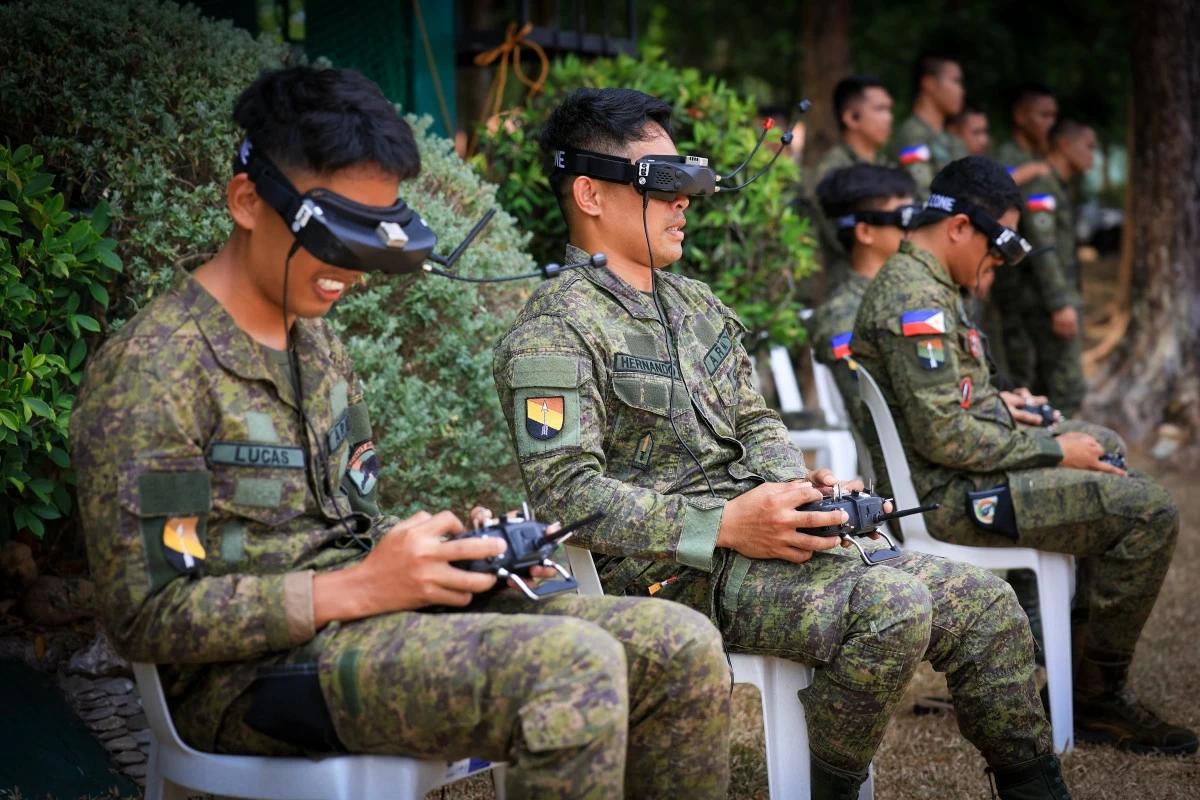
The Philippine Army 2nd Infantry Division spearheads the Drone Racing Fellowship 2026 at Camp Capinpin in Tanay, Rizal on May 16, 2026. (Photo: 2ID, Philippine Army)

Related Tags

Philippine Army 2nd Infantry Division drone warfare
ADVERTISEMENT
.most-popular .layout-ratio{ padding-bottom: 79.13%; } @media (min-width: 768px) and (max-width: 1024px) { .widget-title { font-size: 15px !important; } }

{{ articles_filter_1561_widget.title }}

.most-popular .layout-ratio{ padding-bottom: 79.13%; } @media (min-width: 768px) and (max-width: 1024px) { .widget-title { font-size: 15px !important; } }

{{ articles_filter_1562_widget.title }}

.most-popular .layout-ratio{ padding-bottom: 79.13%; } @media (min-width: 768px) and (max-width: 1024px) { .widget-title { font-size: 15px !important; } }

{{ articles_filter_1563_widget.title }}

{{ articles_filter_1564_widget.title }}

.mb-article-details { position: relative; } .mb-article-details .article-body-preview, .mb-article-details .article-body-summary{ font-size: 17px; line-height: 30px; font-family: "Libre Caslon Text", serif; color: #000; } .mb-article-details .article-body-preview iframe , .mb-article-details .article-body-summary iframe{ width: 100%; margin: auto; } .read-more-background { background: linear-gradient(180deg, color(display-p3 1.000 1.000 1.000 / 0) 13.75%, color(display-p3 1.000 1.000 1.000 / 0.8) 30.79%, color(display-p3 1.000 1.000 1.000) 72.5%); position: absolute; height: 200px; width: 100%; bottom: 0; display: flex; justify-content: center; align-items: center; padding: 0; } .read-more-background a{ color: #000; } .read-more-btn { padding: 17px 45px; font-family: Inter; font-weight: 700; font-size: 18px; line-height: 16px; text-align: center; vertical-align: middle; border: 1px solid black; background-color: white; } .hidden { display: none; }
function initializeAllSwipers() { // Get all hidden inputs with cms_article_id document.querySelectorAll('[id^="cms_article_id_"]').forEach(function (input) { const cmsArticleId = input.value; const articleSelector = '#article-' + cmsArticleId + ' .body_images'; const swiperElement = document.querySelector(articleSelector); if (swiperElement && !swiperElement.classList.contains('swiper-initialized')) { new Swiper(articleSelector, { loop: true, pagination: false, navigation: { nextEl: '#article-' + cmsArticleId + ' .swiper-button-next', prevEl: '#article-' + cmsArticleId + ' .swiper-button-prev', }, }); } }); } setTimeout(initializeAllSwipers, 3000); const intersectionObserver = new IntersectionObserver( (entries) => { entries.forEach((entry) => { if (entry.isIntersecting) { const newUrl = entry.target.getAttribute("data-url"); if (newUrl) { history.pushState(null, null, newUrl); let article = entry.target; // Extract metadata const author = article.querySelector('.author-section').textContent.replace('By', '').trim(); const section = article.querySelector('.section-info ').textContent.replace(' ', ' '); const title = article.querySelector('.article-title h1').textContent; // Parse URL for Chartbeat path format const parsedUrl = new URL(newUrl, window.location.origin); const cleanUrl = parsedUrl.host + parsedUrl.pathname; // Update Chartbeat configuration if (typeof window._sf_async_config !== 'undefined') { window._sf_async_config.path = cleanUrl; window._sf_async_config.sections = section; window._sf_async_config.authors = author; } // Track virtual page view with Chartbeat if (typeof pSUPERFLY !== 'undefined' && typeof pSUPERFLY.virtualPage === 'function') { try { pSUPERFLY.virtualPage({ path: cleanUrl, title: title, sections: section, authors: author }); } catch (error) { console.error('ping error', error); } } // Optional: Update document title if (title && title !== document.title) { document.title = title; } } } }); }, { threshold: 0.1 } ); function showArticleBody(button) { const article = button.closest("article"); const summary = article.querySelector(".article-body-summary"); const body = article.querySelector(".article-body-preview"); const readMoreSection = article.querySelector(".read-more-background"); // Hide summary and read-more section summary.style.display = "none"; readMoreSection.style.display = "none"; // Show the full article body body.classList.remove("hidden"); } document.addEventListener("DOMContentLoaded", () => { let loadCount = 0; // Track how many times articles are loaded const offset = [1, 2, 3, 4, 5, 6, 7, 8, 9, 10]; // Offset values const currentUrl = window.location.pathname.substring(1); let isLoading = false; // Prevent multiple calls if (!currentUrl) { console.log("Current URL is invalid."); return; } const sentinel = document.getElementById("load-more-sentinel"); if (!sentinel) { console.log("Sentinel element not found."); return; } function isSentinelVisible() { const rect = sentinel.getBoundingClientRect(); return ( rect.top < window.innerHeight && rect.bottom >= 0 ); } function onScroll() { if (isLoading) return; if (isSentinelVisible()) { if (loadCount >= offset.length) { console.log("Maximum load attempts reached."); window.removeEventListener("scroll", onScroll); return; } isLoading = true; const currentOffset = offset[loadCount]; window.loadMoreItems().then(() => { let article = document.querySelector('#widget_1690 > div:nth-last-of-type(2) article'); intersectionObserver.observe(article) loadCount++; }).catch(error => { console.error("Error loading more items:", error); }).finally(() => { isLoading = false; }); } } window.addEventListener("scroll", onScroll); });

Sign up by email to receive news.