






Manila Bulletin
 Philippines
Visayas
Students power Leyte village streetlights with solar-hydro system
Philippines
Visayas
Students power Leyte village streetlights with solar-hydro system
Philippines
Visayas
Students power Leyte village streetlights with solar-hydro system
Students power Leyte village streetlights with solar-hydro system
Published May 16, 2026 02:05 pm


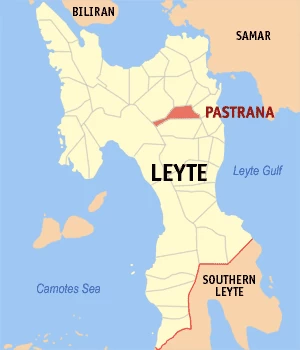
PASTRANA, Leyte – A group of graduating engineering students has developed a hybrid renewable energy system that uses solar and hydropower from a small irrigation canal to power streetlights in a farming community here.
The locally sourced renewable energy system generates 70 percent of its power from solar and 30 percent from hydropower, providing electricity to at least five streetlights along a farm-to-market road in Barangay Socsocon.
The hydropower component harnesses energy from the existing irrigation water flow without disrupting agricultural operations. Using a mini-hydro turbine, the system uses the canal’s steady water current to generate additional renewable energy.
The hybrid setup produces 235 watts from both energy sources, sufficient to power five streetlights for up to 10 hours.
“We prioritized illuminating this farm-to-market road because it becomes very dark at night. The system stores solar energy in batteries by day, and hydropower charges at night to keep streetlights running all evening,” research leader Ey-Ar Udtuhan said.
Dubbed “Hybrid System Using Solar-Hydro for Sustainable Street Lighting,” the project was designed and built by Udtuhan and fellow electrical engineering students Aron Kyle Cabodil, Marlon Rey Caharop, and John Russel Geroy, all from the Eastern Visayas State University (EVSU) in Tacloban City.
With an initial investment of P60,000 for the renewable energy system and streetlights, the group formally turned over the project to Barangay Socsocon Chairman Jeboy Nobe on Friday.
“This project is a big help because people now feel safer walking at night. It is my first time learning that water currents can also be a source of electricity. We are committed to expanding the project using local funds,” Nobe said.
EVSU School of Engineering Dean Vinyl Oquiño highlighted the university’s push towards community-based research with practical applications.
“This school year, we have encouraged students to identify community concerns and develop engineering solutions that improve people’s lives. For us, a project that does not serve the people is meaningless,” he said.
Oquiño noted that the initiative is part of EVSU’s long-term goal to become a National University for Resiliency and Climate Action by 2040.