







Pasig's floating parks win the Bloomberg Mayors Challenge
The award-winning project links green space, river restoration, and community co-design
Published May 16, 2026 08:06 pm


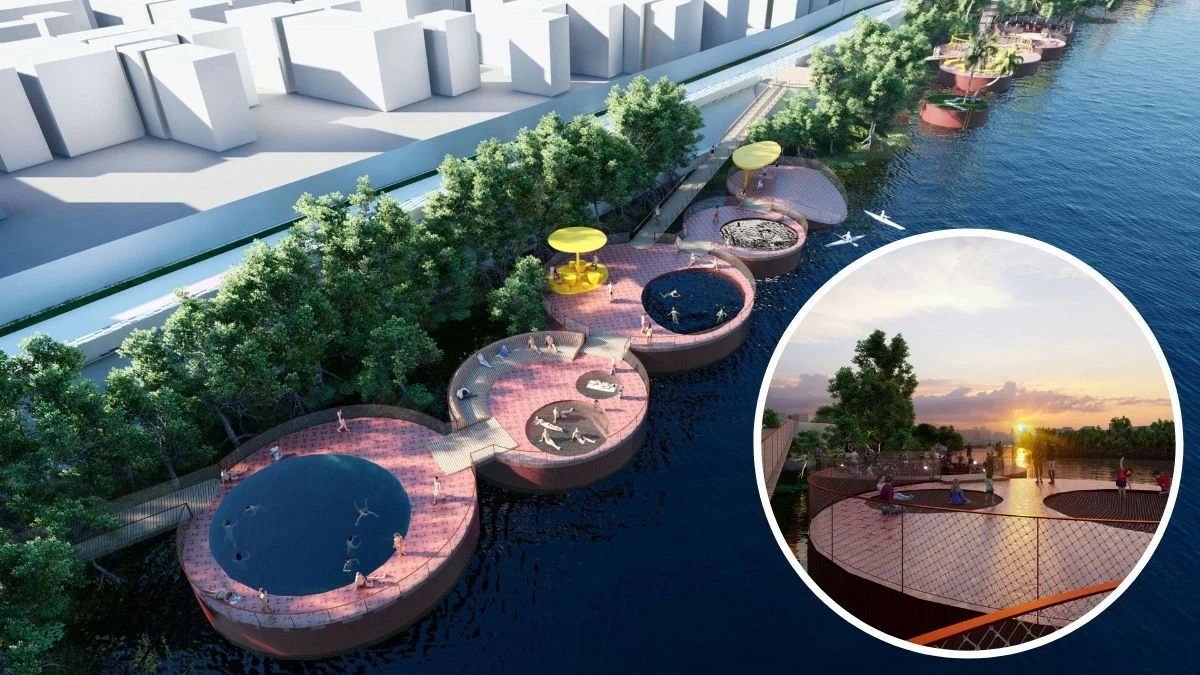
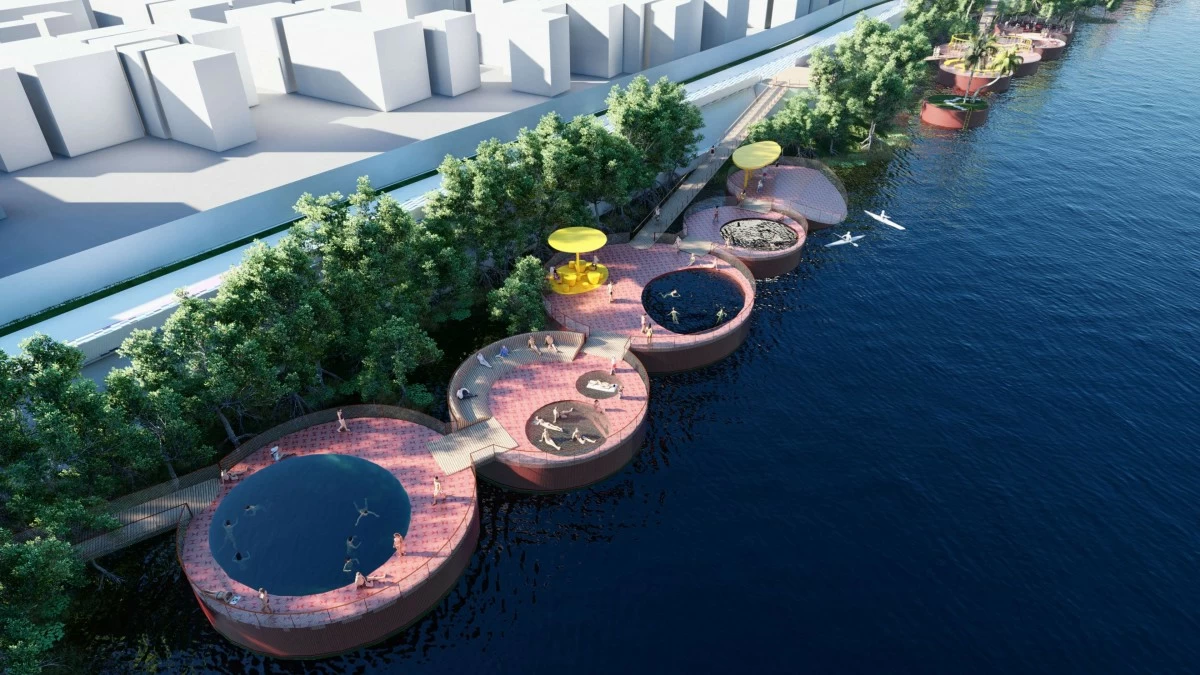
The Pasig City Park System Network, designed by Alao Design Studio, recently won recognition under the Bloomberg Philanthropies 2025–2026 Mayors Challenge. (Artist's perspective: Alao Design Studio)
As cities grow, public spaces are now seen as serving more than just leisure. They are increasingly designed to respond to environmental needs and everyday urban challenges, creating environments that support daily life while strengthening ecological systems. This shift toward more responsive and functional design is at the core of Pasig City’s floating parks concept, which recently won in the Bloomberg Philanthropies 2025–2026 Mayors Challenge.
Pasig City is one of 24 city governments from 20 countries named winners of the Bloomberg Philanthropies 2025–2026 Mayors Challenge, a global program recognizing cities that develop innovative solutions to improve essential public services. The city developed the floating parks concept under the Pasig City Local Government Unit and Mayor Vico Sotto, further shaped through a collaboration between Alao Design Studio and PGAA Creative Design, and refined through consultations with residents. The project was guided to ensure alignment with community needs and the city’s long-term goals.

Michael Bloomberg, co-founder of Bloomberg, and Mayor Vico Sotto (Photo: Bloomberg Philanthropies)
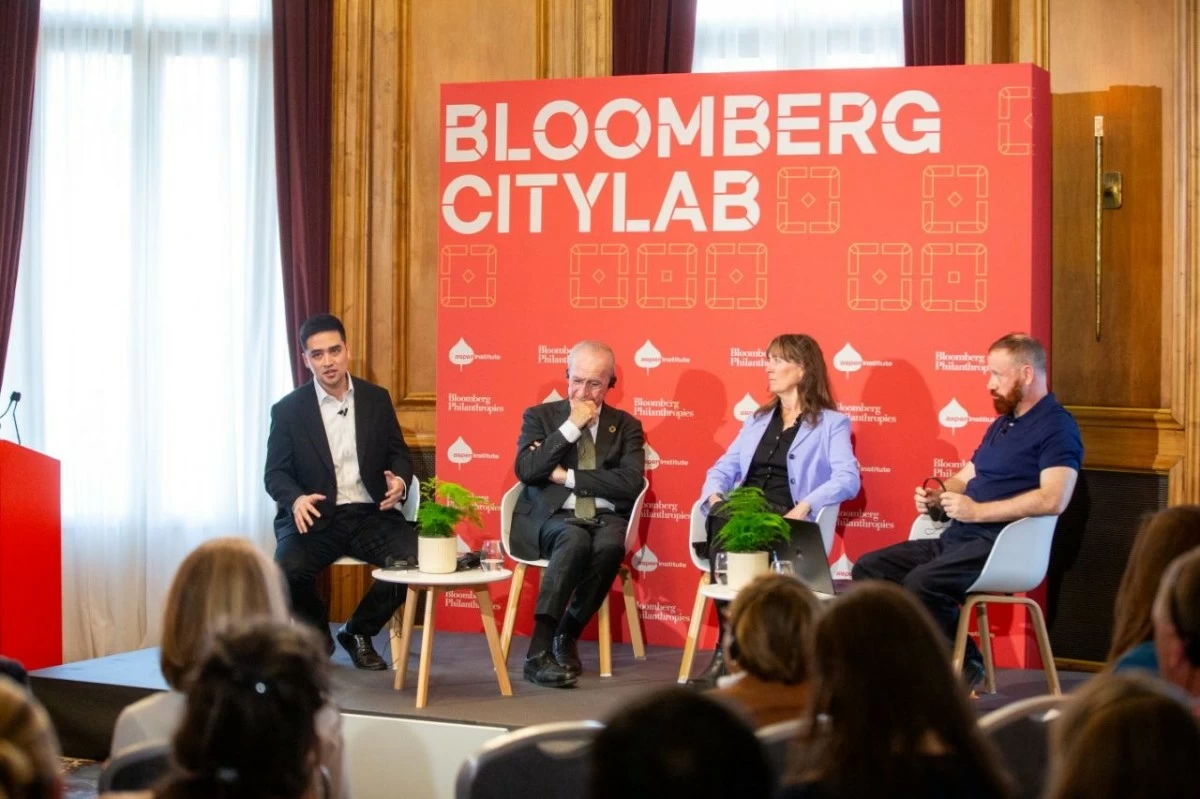
(Photo: Bloomberg Philanthropies)
From more than 630 entries worldwide, Pasig advanced to the final 50, where it received technical support and funding to prototype the concept. This included community consultations and a pilot test held in September 2025, which helped refine the proposal before its final selection. The win was publicly announced in February 2026, along with a USD 1 million grant.
The proposal centers on floating parks co-designed with communities to expand accessible green spaces and restore Pasig City’s connection to the Pasig River, a key part of its history and identity. Designed by Alao Design Studio, an award-winning architecture and interior practice working at the intersection of design and social advocacy, the Pasig City Parks project draws from research to surface the layered history of the city, its river, and tributaries.
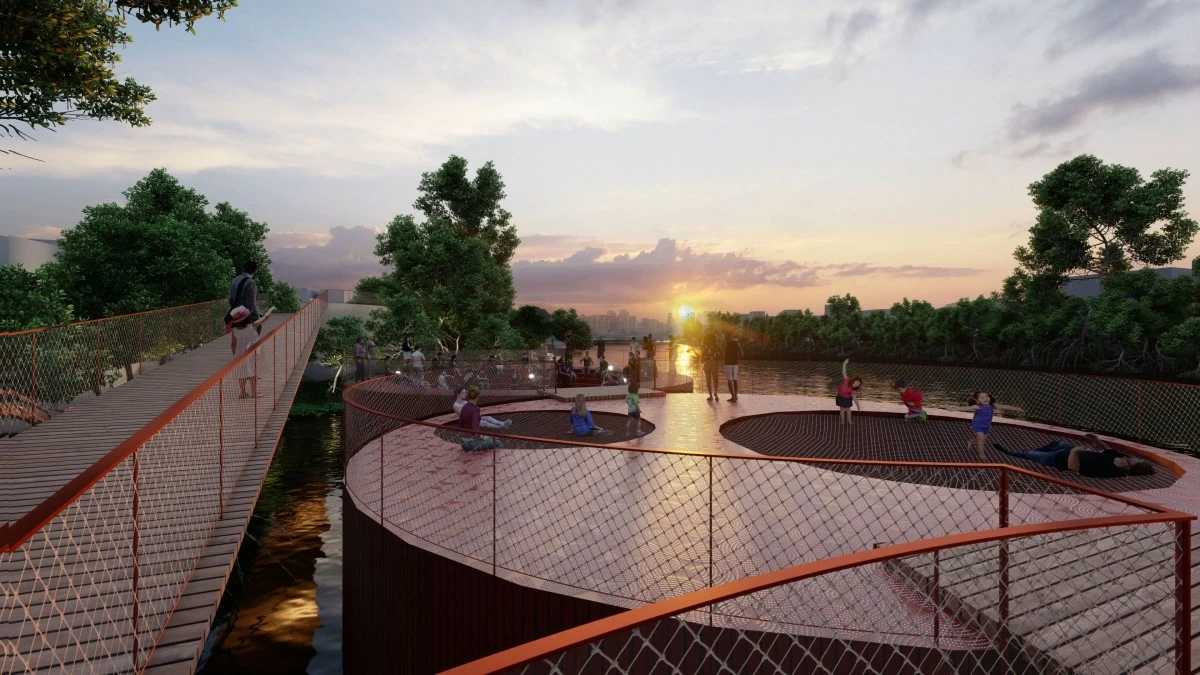
(Artist's perspective: Alao Design Studio)
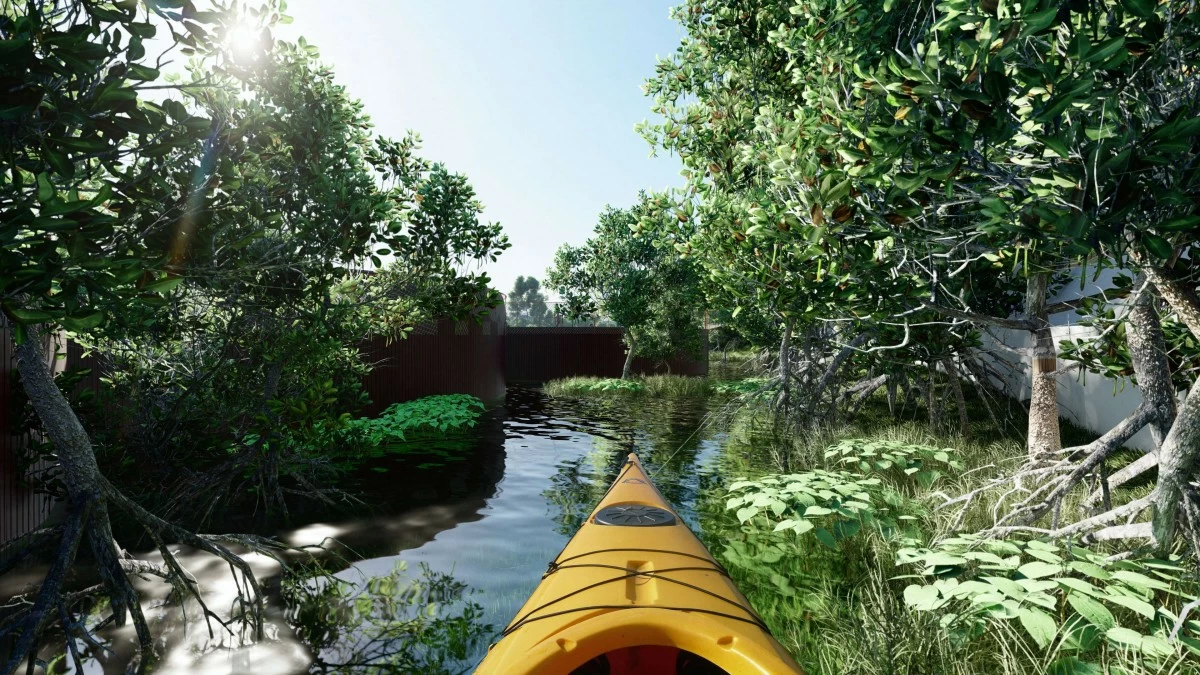
(Artist's perspective: Alao Design Studio)
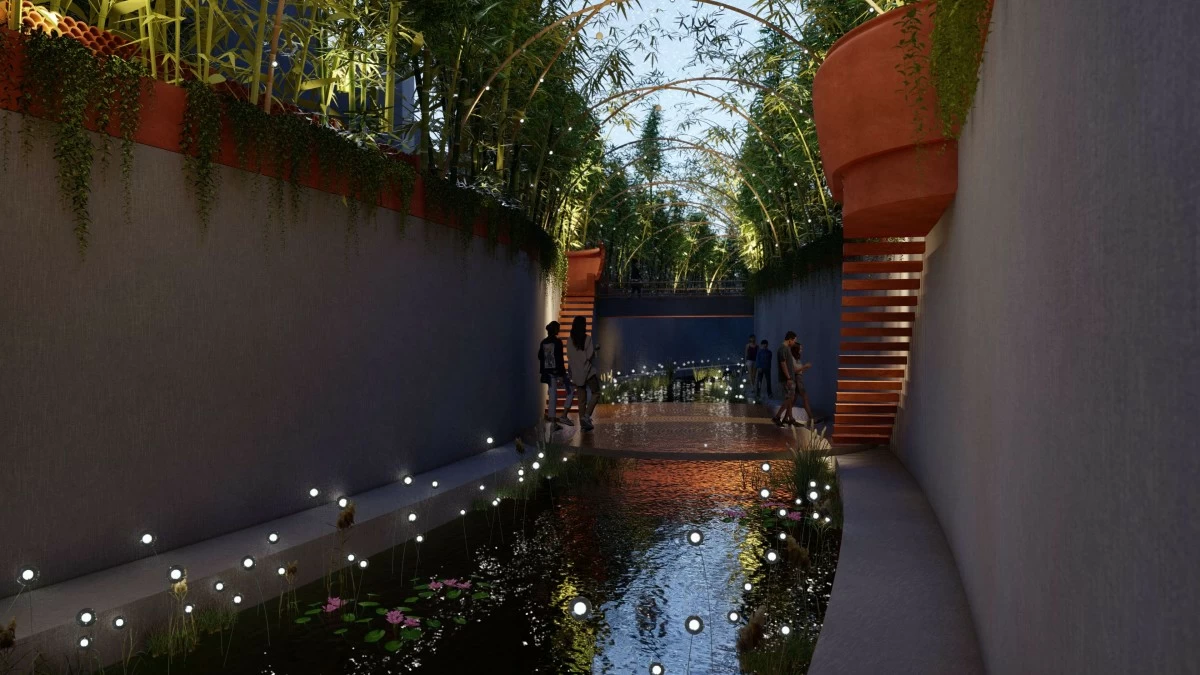
(Artist's perspective: Alao Design Studio)
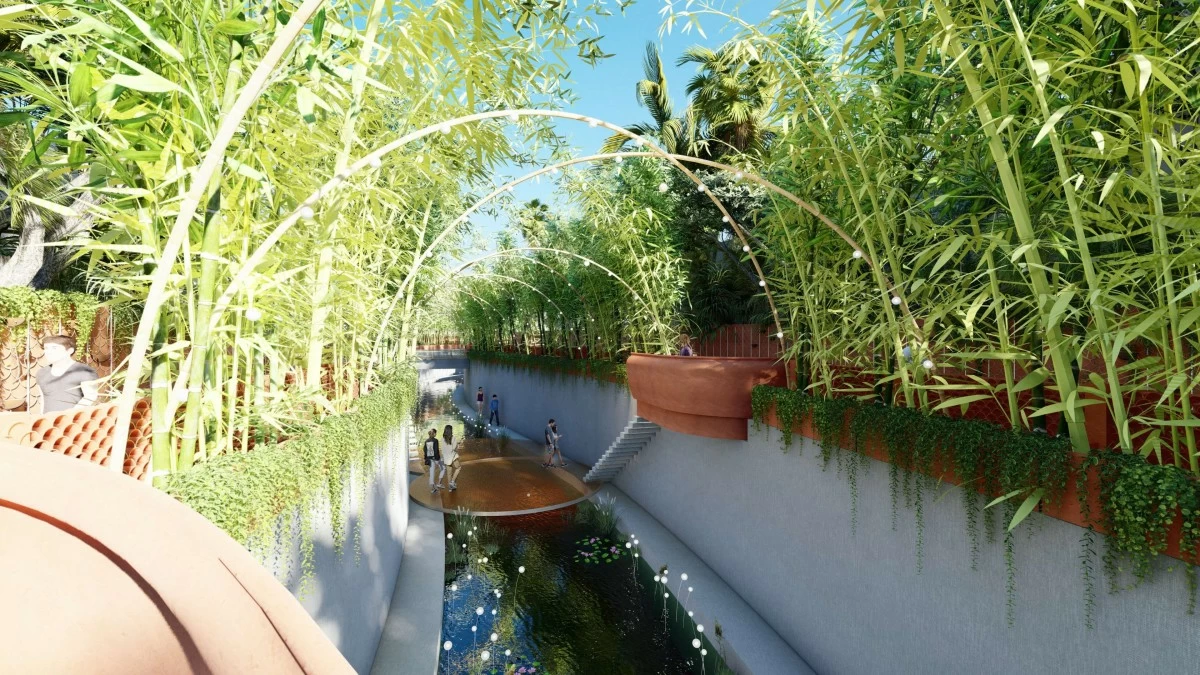
(Artist's perspective: Alao Design Studio)
Led by architect and interior designer Aya Maceda and architect and urban designer James Carse, Alao takes a human-centered approach that prioritizes spaces that feel personal, grounded, and responsive to everyday life. The project proposes a connected network of blue and green spaces that reconnect people to historic sites while reframing the river as an active civic corridor.
Inspired by coconut rafts once used along Laguna de Bay, the floating parks are envisioned as clusters along the river edge that support recreation, culture, and transport access. As the studio describes it, water becomes “an opportunity for public space, for nature in the city, for community, for play, for exploration and commerce,” shaping the river into a living system of both function and experience.
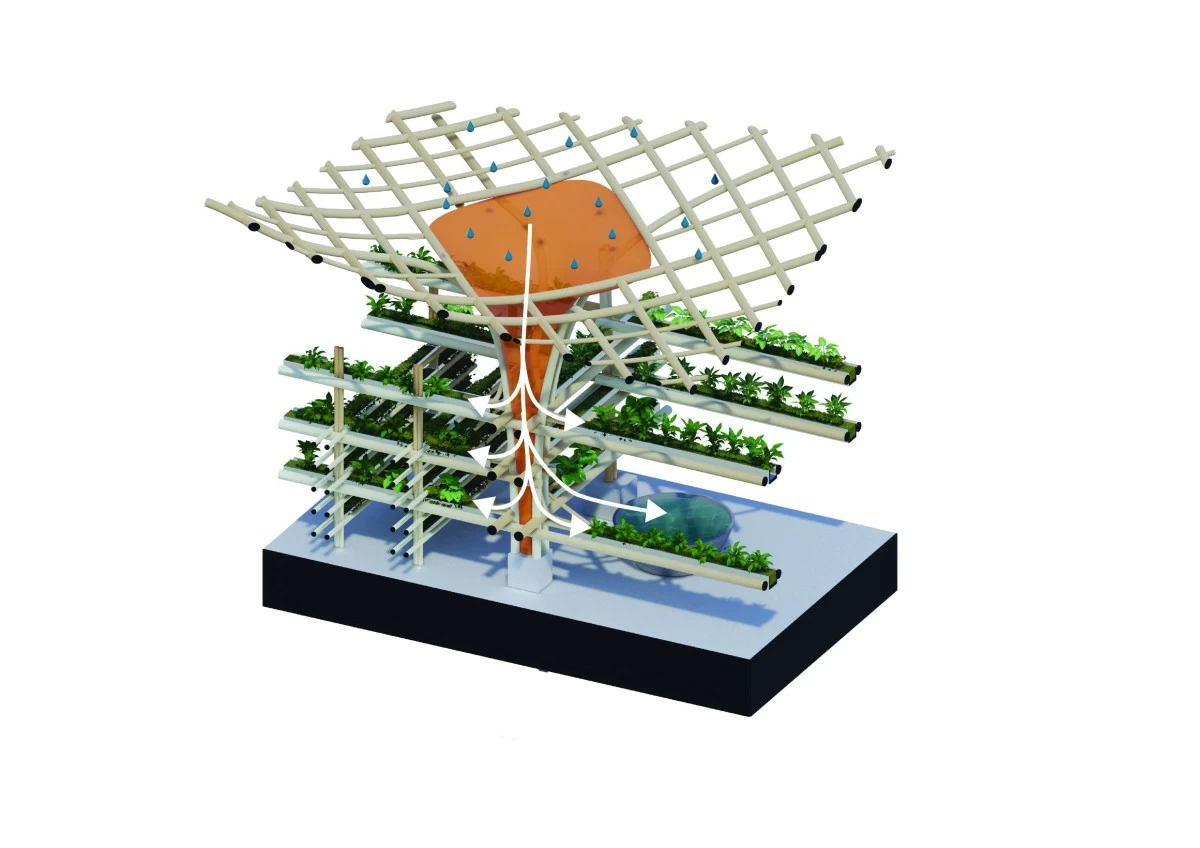
(Artist's perspective: Alao Design Studio)
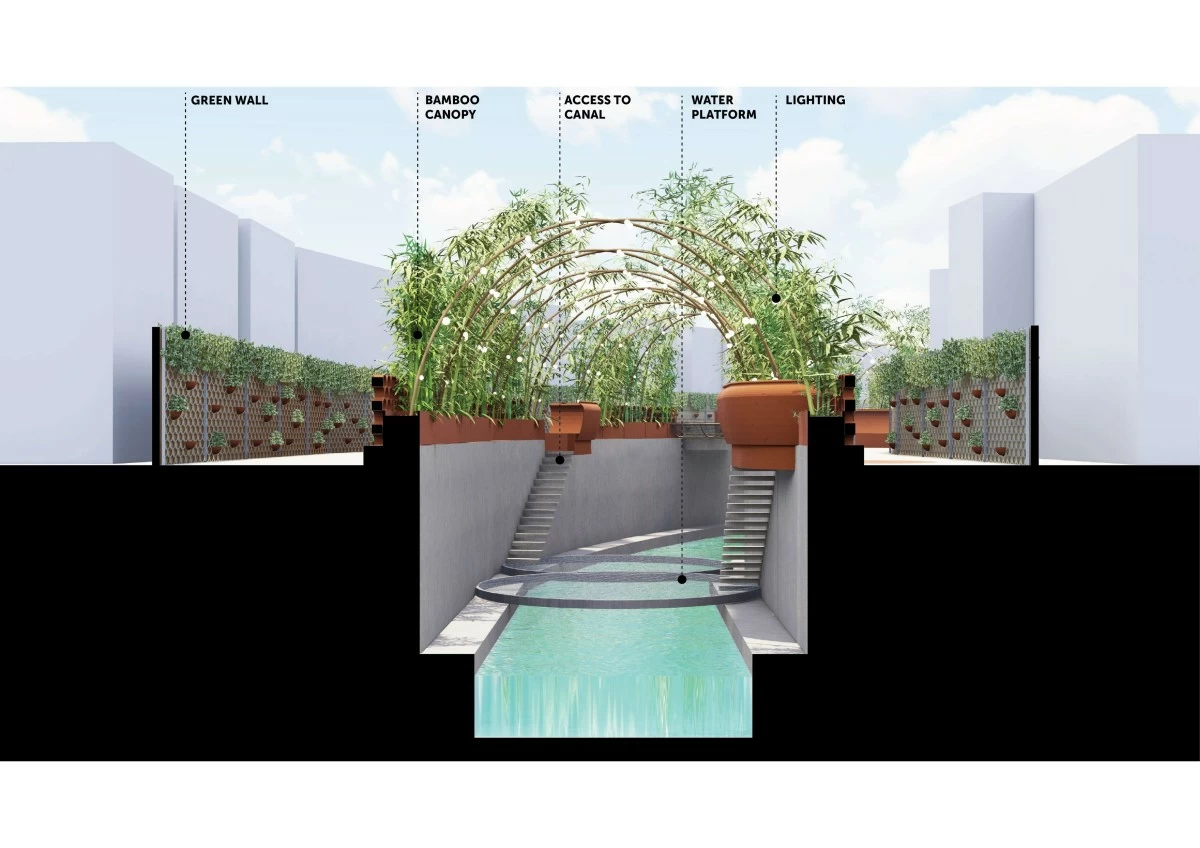
(Artist's perspective: Alao Design Studio)
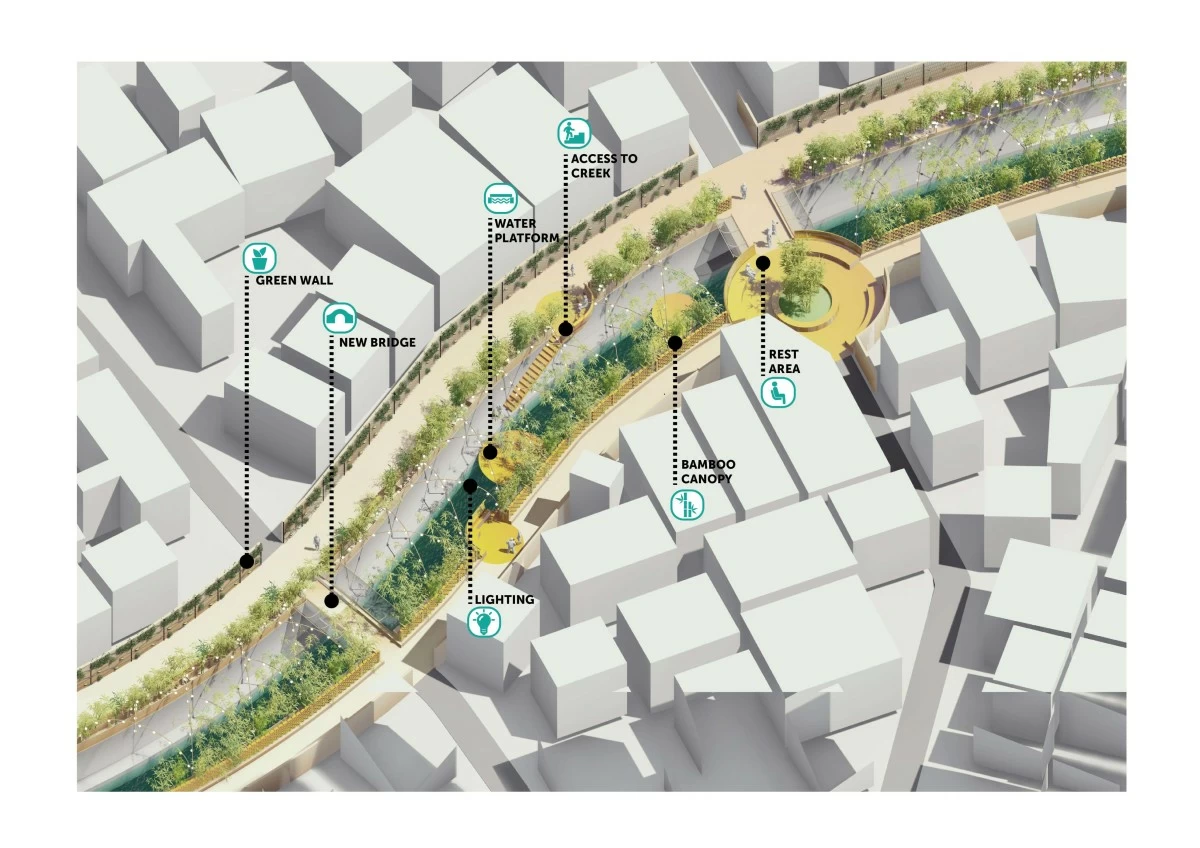
(Artist's perspective: Alao Design Studio)
The project also highlights community participation as a core principle. “Beyond simply creating new parks, the city wants residents to take part in designing, building, and managing or operating these parks, and not just be mere visitors,” Mayor Sotto said in an Instagram post by the design studio.
Taken together, the project positions Pasig’s waterways as active urban infrastructure rather than passive boundaries. It shows how design can bridge ecology, history, and everyday use, turning the river into a shared space of movement, memory, and care.