







Understanding canola and other seed oils
By MBrand
Published May 22, 2026 09:56 am
|
Updated May 22, 2026 06:32 pm


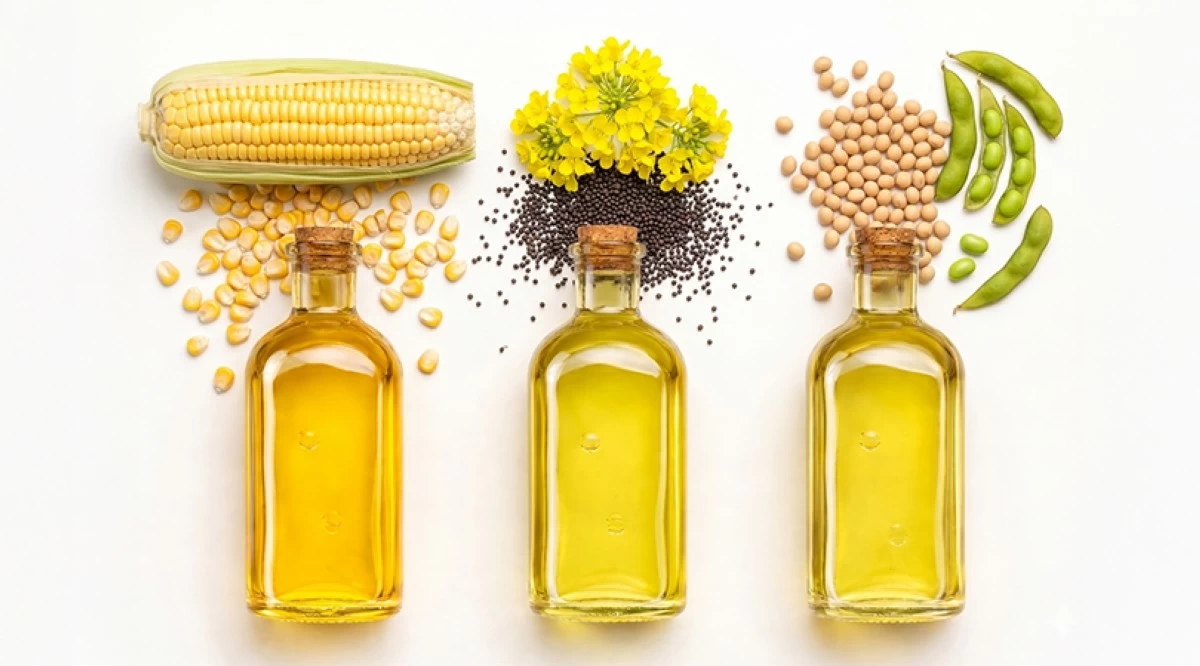
(Photo: Golden Fiesta)
Today, despite a wealth of studies over the years on seed oils, people are suddenly questioning their safety and nutritional value. The simple reality is that it is widely accepted by health care providers and scientific experts that seed oils are high in unsaturated fats or “good” fats as well as essential omega-6 and omega-3 fatty acids that our bodies cannot produce on their own. These unsaturated fats and omega fatty acids are key components of a balanced diet associated with cardiovascular benefits.
Still, some stay away due to persistent misconceptions.
Understanding inflammation
One of the most common worries is that the omega-6 in seed oils triggers inflammation. This narrative may be featured in short and entertaining yet unverified social media videos, but science tells a different story.
Extensive clinical trials and systematic reviews, including the 2012 landmark work entitled "Effect of Dietary Linoleic Acid on Markers of Inflammation in Healthy Persons: A Systematic Review of Randomized Controlled Trials," published in the Journal of the Academy of Nutrition and Dietetics by Guy H. Johnson and Kevin Fritsche, have looked specifically at linoleic acid (LA,) also known as omega-6, in oils like canola. Evidence shows that linoleic acid or omega-6 intake does not increase inflammatory markers in the body. The favorable results of the journal study provide health professionals reassurance on the “current dietary recommendations that emphasize optimal intake of both n-6 and n-3 PUFAs (from sources such as soybean, canola, corn and safflower oils), including those from the Food and Agriculture Organization/World Health Organization, the Nutrition Subcommittee of the American Heart Association, and the Dietary Guidelines for Americans.”
A case of mistaken identity
Some confusion around canola oil comes from its history with rapeseed oil. Traditional rapeseed oil was once used for industrial purposes, including as a lubricant for steam and marine engines. But modern canola oil is different: it was developed in Canada through traditional plant breeding to significantly reduce erucic acid and glucosinolates found in older rapeseed varieties. Today, canola oil is legally defined in the US by its low erucic acid content and is recognized for food use as an edible oil.
Stability in your kitchen
A final concern is whether these oils become "toxic" when heated. Any fat can break down if used improperly or reheated excessively. However, seed oils are stable for daily sautéing, searing, and family stir-fries. They have a high smoke point, which means that they can handle the heat of a normal home kitchen when used properly, ensuring food remains flavorful and safe for consumption.
Trust the doctors’ most prescribed canola oil
Large-scale studies involving over 300,000 participants show that the simple act of replacing saturated fats with polyunsaturated fats from plant oils significantly reduces the risk of coronary heart disease. This shows that taking care of your heart is as easy as changing your cooking oil.
This is where Golden Fiesta Canola Oil can be more than just a kitchen staple that simply cooks food. Replacing oils high in saturated fats with cooking oils high in unsaturated fats like canola oil, when consumed as part of a healthy diet along with exercise, can help manage cholesterol levels.
Only trust peer-reviewed evidence on proper diet built over years by experts. Choose Golden Fiesta, Doctors’ Most Prescribed Canola Oil.