

ADVERTISEMENT

PNP boosts night patrols to deter crimes as brownouts raise fears of theft, burglary

Published May 15, 2026 09:30 am

At A Glance

  • The Philippine National Police (PNP) ordered heightened patrols nationwide amid rotational brownouts to prevent theft, burglary, and street crimes during prolonged power outages.
  • PNP Chief, Police General Jose Melencio C. Nartatez Jr. directed regional and provincial police units to intensify foot and mobile patrols in residential areas, commercial centers, transport hubs, and other high-traffic locations affected by scheduled outages.
  • Police were also instructed to use blinkers and searchlights to maintain visibility and reassure communities.
  • This, after the National Grid Corporation of the Philippines (NGCP) placed the Luzon grid under red alert, prompting rotational brownouts in several areas, while Meralco reported outages affecting more than 320,000 customers in parts of Bulacan, Cavite, Laguna, Metro Manila, Pampanga, Quezon, and Rizal.
  • The PNP also mobilized Barangay Peacekeeping Action Teams (BPATs) and ordered police stations to coordinate with local governments and barangay officials to strengthen community watch systems.
  • Emergency hotlines and police response units will remain operational through backup power systems to ensure continued public safety during the power crisis, the PNP said.
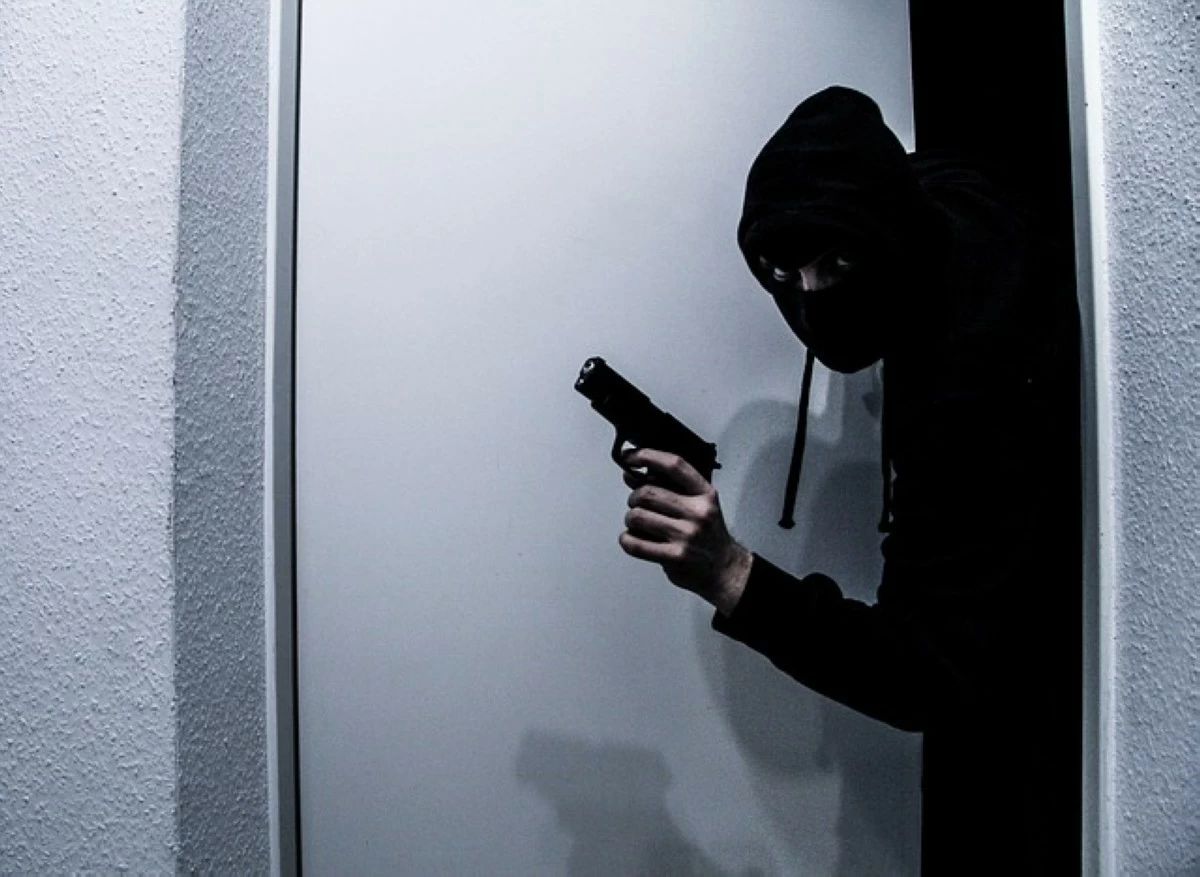
(File image)
(File image)
The Philippine National Police (PNP) ordered heightened patrols nationwide amid rotational brownouts following fears that prolonged outages could trigger theft and street-level crimes in affected communities.
PNP Chief, Police General Jose Melencio C. Nartatez Jr. said local police commanders were directed to immediately increase police visibility in residential areas, commercial centers, and transport corridors hit by scheduled power interruptions.
“I have already directed all regional and provincial directors to intensify foot and mobile patrols specifically in residential and commercial hubs during the scheduled power interruptions at night,” Nartatez said on Friday, May 15.
The National Grid Corporation of the Philippines (NGCP) earlier placed the Luzon grid under red alert, prompting rotational brownouts and manual load dropping in several areas since Wednesday.
Power distributor Meralco also announced scheduled outages in parts of its franchise area due to insufficient power supply.
“Darkness must not be an invitation for 'akyat-bahay' (home burglars) or street-level crimes. Our personnel are instructed to utilize high-visibility tactics, including the use of blinkers and searchlights, to let the community know that the police are present and vigilant even when the lights are out,” Nartatez pointed out.
The police leadership said the security posture was meant to prevent a possible spike in robbery and theft incidents during periods of low visibility, especially in densely populated neighborhoods and business districts.
Nartatez said the move also followed the directive of President Ferdinand Marcos Jr. to ensure public safety during the ongoing power supply problems.
“We are also mobilizing our Barangay Peacekeeping Action Teams (BPATs) to act as additional eyes and ears on the ground. The synergy between the PNP and local community watchmen is crucial in maintaining a 'crime-free' environment during these manual load-dropping events,” he said.
Under the directive, police stations were told to coordinate closely with barangay officials and local government units to strengthen community watch systems during blackout schedules.
The PNP said patrol deployment would focus on critical transit points and areas with heavy pedestrian traffic where commuters and residents may become vulnerable during outages.
“The public can expect a heightened police presence at critical transit points and areas with high foot traffic. Our command centers and emergency hotlines, such as the Unified 911, will remain fully operational through back-up power systems to ensure that every call for help is answered without delay,” Nartatez said.
Police emergency response units were also placed on standby with alternative power sources to maintain communications and rapid deployment capability even during extended interruptions.
“We are committed to ensuring that the power crisis does not translate into a security crisis. Your safety is our non-negotiable priority,” the PNP chief noted.
More than 320,000 customers in parts of Bulacan, Cavite, Laguna, Metro Manila, Pampanga, Quezon and Rizal were affected by rotational brownouts conducted by Meralco on Thursday night.
The rotational brownouts are expected to continue on Friday as power supply and operating reserves remain insufficient, according to the NGCP.

Related Tags

PNP brownout NGCP Meralco akyat-bahay theft burglary
ADVERTISEMENT
.most-popular .layout-ratio{ padding-bottom: 79.13%; } @media (min-width: 768px) and (max-width: 1024px) { .widget-title { font-size: 15px !important; } }

{{ articles_filter_1561_widget.title }}

.most-popular .layout-ratio{ padding-bottom: 79.13%; } @media (min-width: 768px) and (max-width: 1024px) { .widget-title { font-size: 15px !important; } }

{{ articles_filter_1562_widget.title }}

.most-popular .layout-ratio{ padding-bottom: 79.13%; } @media (min-width: 768px) and (max-width: 1024px) { .widget-title { font-size: 15px !important; } }

{{ articles_filter_1563_widget.title }}

{{ articles_filter_1564_widget.title }}

.mb-article-details { position: relative; } .mb-article-details .article-body-preview, .mb-article-details .article-body-summary{ font-size: 17px; line-height: 30px; font-family: "Libre Caslon Text", serif; color: #000; } .mb-article-details .article-body-preview iframe , .mb-article-details .article-body-summary iframe{ width: 100%; margin: auto; } .read-more-background { background: linear-gradient(180deg, color(display-p3 1.000 1.000 1.000 / 0) 13.75%, color(display-p3 1.000 1.000 1.000 / 0.8) 30.79%, color(display-p3 1.000 1.000 1.000) 72.5%); position: absolute; height: 200px; width: 100%; bottom: 0; display: flex; justify-content: center; align-items: center; padding: 0; } .read-more-background a{ color: #000; } .read-more-btn { padding: 17px 45px; font-family: Inter; font-weight: 700; font-size: 18px; line-height: 16px; text-align: center; vertical-align: middle; border: 1px solid black; background-color: white; } .hidden { display: none; }
function initializeAllSwipers() { // Get all hidden inputs with cms_article_id document.querySelectorAll('[id^="cms_article_id_"]').forEach(function (input) { const cmsArticleId = input.value; const articleSelector = '#article-' + cmsArticleId + ' .body_images'; const swiperElement = document.querySelector(articleSelector); if (swiperElement && !swiperElement.classList.contains('swiper-initialized')) { new Swiper(articleSelector, { loop: true, pagination: false, navigation: { nextEl: '#article-' + cmsArticleId + ' .swiper-button-next', prevEl: '#article-' + cmsArticleId + ' .swiper-button-prev', }, }); } }); } setTimeout(initializeAllSwipers, 3000); const intersectionObserver = new IntersectionObserver( (entries) => { entries.forEach((entry) => { if (entry.isIntersecting) { const newUrl = entry.target.getAttribute("data-url"); if (newUrl) { history.pushState(null, null, newUrl); let article = entry.target; // Extract metadata const author = article.querySelector('.author-section').textContent.replace('By', '').trim(); const section = article.querySelector('.section-info ').textContent.replace(' ', ' '); const title = article.querySelector('.article-title h1').textContent; // Parse URL for Chartbeat path format const parsedUrl = new URL(newUrl, window.location.origin); const cleanUrl = parsedUrl.host + parsedUrl.pathname; // Update Chartbeat configuration if (typeof window._sf_async_config !== 'undefined') { window._sf_async_config.path = cleanUrl; window._sf_async_config.sections = section; window._sf_async_config.authors = author; } // Track virtual page view with Chartbeat if (typeof pSUPERFLY !== 'undefined' && typeof pSUPERFLY.virtualPage === 'function') { try { pSUPERFLY.virtualPage({ path: cleanUrl, title: title, sections: section, authors: author }); } catch (error) { console.error('ping error', error); } } // Optional: Update document title if (title && title !== document.title) { document.title = title; } } } }); }, { threshold: 0.1 } ); function showArticleBody(button) { const article = button.closest("article"); const summary = article.querySelector(".article-body-summary"); const body = article.querySelector(".article-body-preview"); const readMoreSection = article.querySelector(".read-more-background"); // Hide summary and read-more section summary.style.display = "none"; readMoreSection.style.display = "none"; // Show the full article body body.classList.remove("hidden"); } document.addEventListener("DOMContentLoaded", () => { let loadCount = 0; // Track how many times articles are loaded const offset = [1, 2, 3, 4, 5, 6, 7, 8, 9, 10]; // Offset values const currentUrl = window.location.pathname.substring(1); let isLoading = false; // Prevent multiple calls if (!currentUrl) { console.log("Current URL is invalid."); return; } const sentinel = document.getElementById("load-more-sentinel"); if (!sentinel) { console.log("Sentinel element not found."); return; } function isSentinelVisible() { const rect = sentinel.getBoundingClientRect(); return ( rect.top < window.innerHeight && rect.bottom >= 0 ); } function onScroll() { if (isLoading) return; if (isSentinelVisible()) { if (loadCount >= offset.length) { console.log("Maximum load attempts reached."); window.removeEventListener("scroll", onScroll); return; } isLoading = true; const currentOffset = offset[loadCount]; window.loadMoreItems().then(() => { let article = document.querySelector('#widget_1690 > div:nth-last-of-type(2) article'); intersectionObserver.observe(article) loadCount++; }).catch(error => { console.error("Error loading more items:", error); }).finally(() => { isLoading = false; }); } } window.addEventListener("scroll", onScroll); });

Sign up by email to receive news.