






Manila Bulletin
 Business
The Economy
Gov't nears selection of first private tourist VAT refund operator
Business
The Economy
Gov't nears selection of first private tourist VAT refund operator
Business
The Economy
Gov't nears selection of first private tourist VAT refund operator
Gov't nears selection of first private tourist VAT refund operator
By Derco Rosal
Published May 15, 2026 06:00 pm


At A Glance
- One year since the Marcos administration kicked off its hunt for value-added tax (VAT) refund system (VRS) operators for foreign tourists, the Department of Finance's (DOF) search for reputable private operators is still ongoing but nearing conclusion.
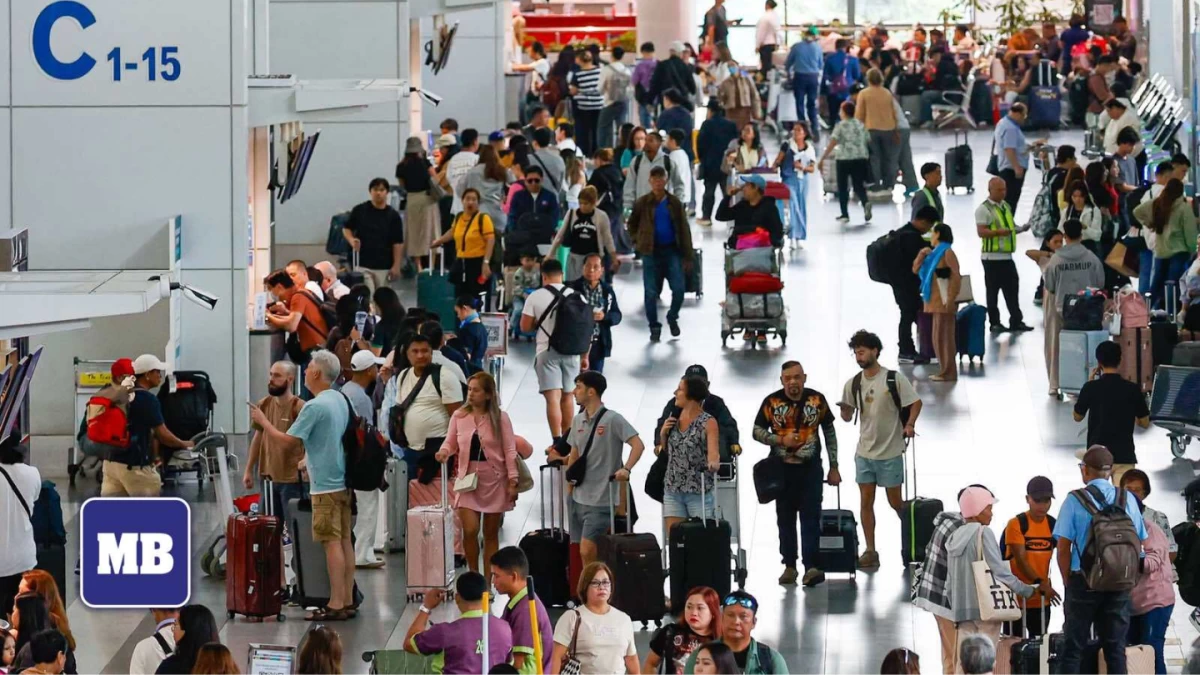
(Photo by John Louie Abrina | Manila Bulletin)
The government is nearing the end of its year-long search for a private partner to manage its nationwide value-added tax (VAT) refund system (VRS) for foreign tourists, as the Department of Finance (DOF) moves to formalize the accreditation process for global operators.
Bureau of Internal Revenue (BIR) Commissioner Charlito M. Mendoza has enforced Department Order No. 18-2025, a directive outlining the rigorous technical and financial requirements for entities seeking to manage the program.
Mendoza confirmed to Manila Bulletin on Friday, May 15, that while the accreditation process is active, the government has yet to appoint an official third-party operator.
Finance Assistant Secretary Nina Asuncion, who heads the revenue operations group, further noted that a final decision on the pending applications is expected shortly.
“We will release the decision on the applications soon,” Asuncion told Manila Bulletin.
Under the current guidelines, the DOF is restricting the search to “reputable, globally recognized, and experienced” firms.
To qualify, a private operator must demonstrate at least five years of experience in tax refund services across no fewer than 20 foreign economies or administrative regions.
Additionally, applicants must prove they have successfully implemented digital end-to-end VAT refund platforms in at least two separate geographic regions.
According to the guidelines, applicants must also pay an accreditation fee of ₱500,000, while those selected must post a ₱5 million performance bond that serves as a sovereign safeguard against contract breaches or service inefficiencies. Once an operator is selected, the accreditation will remain valid for five years.
The push for a digital VRS is a cornerstone of the Marcos administration’s strategy to enhance the country’s competitiveness as a shopping destination.
Former Finance Secretary Ralph G. Recto, who signed the initial order, noted that the system is designed to incentivize higher tourist expenditure by effectively lowering the cost of local goods. Notably, the program is designed to be revenue-neutral for the state. The cost of building and maintaining the infrastructure will be funded entirely by service fees deducted from the VAT refunds claimed by tourists, rather than by the government.
The chosen operator will assume full responsibility for the design, construction, and day-to-day management of the digital ecosystem. This includes the development of consumer-facing tools for tourists and the backend processing of refunds via digital wallets and payment cards.
Beyond technical maintenance, the operator must manage the ground-level network, which includes accrediting local merchants and providing them with marketing and training support.
To mitigate fiscal risk, the BIR will maintain full access to transaction-level data for audit purposes. The DOF has also established strict protocols for the suspension or termination of accreditation in the event of gross negligence, misconduct, or a breach of the required non-disclosure and service-level agreements.