






Manila Bulletin
 Technews
Hidden power, visible elegance: How Infinix and Pininfarina go beyond the 'Ultra' flagship stereotype
Technews
Hidden power, visible elegance: How Infinix and Pininfarina go beyond the 'Ultra' flagship stereotype
Technews
Hidden power, visible elegance: How Infinix and Pininfarina go beyond the 'Ultra' flagship stereotype
Hidden power, visible elegance: How Infinix and Pininfarina go beyond the 'Ultra' flagship stereotype
A first-ever cross-industry collaboration in 95 years and a brand's ambition
Published May 14, 2026 05:37 pm


In the consumer electronics industry, co-branding is not uncommon, yet most collaborations only go as far as the overlay of color schemes, surface textures, or logos. The partnership between Infinix and the Italian design firm Pininfarina, however, is rooted in a profound restructuring of the relationship between "form and function."
With the launch of the NOTE 60 SERIES, Infinix, long been deeply rooted in emerging markets, is attempting to move into the premium market. The NOTE 60 Ultra, in turn, has become the milestone in its transformation process, all while marking the first time in Pininfarina’s 95-year design history that it has crossed over to participate in the exterior design of a smartphone.
From the very beginning of the project, Infinix set an ambitious goal: this had to be the most disruptive flagship in the brand's history. The path they chose was to start from the fundamentals of structural design and invite Pininfarina to rethink "what a flagship smartphone should look and feel like."
“It was a challenge we welcomed with open arms. Pininfarina has a rich history in designing cars, but also in breaking barriers, in tackling projects outside of their comfort zone. That is how we stayed relevant and on the forefront of innovation even after so many decades,” said Matteo Fioravanti, SVP Design at Pininfarina Shanghai.
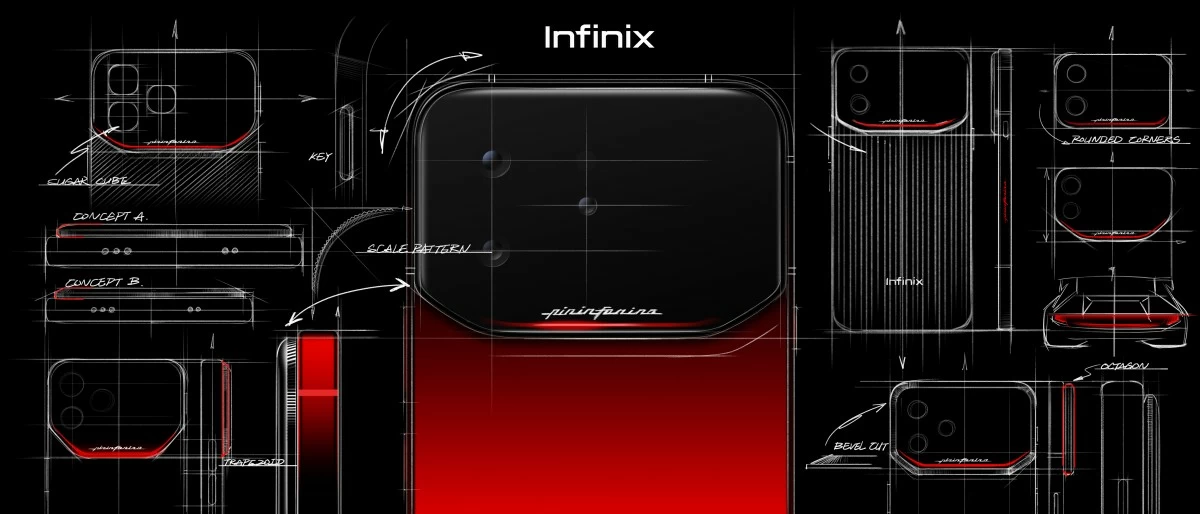
Note 60 Ultra is a collaboration between Infinix and Pininfarina
The Italian Expression of 'Ultra': Between Power and Elegance
Historically, the industry’s definition of a "flagship silhouette" has fallen into a utilitarian trap. To accommodate increasingly powerful sensors, camera modules have become bloated and fragmented. In the traditional market, this design logic has fostered a rigid perception of the "Ultra" model - it has become synonymous with a heavy, conservative, and business-centric aesthetic, often characterized by a certain "aggressive obsession with technical parameters."
However, Infinix has observed a vastly different global landscape. From Southeast Asia and the Middle East to Latin America, a new generation of rising urban professionals is becoming the primary driver of digital consumption. For these expressive and dynamic users, "Ultra" should not be a synonym for "conservative." Instead, it represents the intersection of peak performance and avant-garde taste.
Infinix Product Team: "What we want to create is an 'Ultra' that truly belongs to young people. It must possess powerful performance, but the way it presents itself should not be aggressive; instead, it should be desirable and elegant. It needs a unique aura of 'strength without showing off'."
Pininfarina is renowned for crafting iconic models for brands such as Ferrari and Alfa Romeo, and its design philosophy has long centered on the Italian aesthetic of "balancing performance with elegance". Italian culture also plays a role: clarity, proportion, and a sense of effortless elegance guide the design. Unlike sports car styles that emphasize muscularity and exposed mechanics, the design firm prefers to convey speed and power through continuous curved surfaces and restrained form language. In its classic automotive designs, different structural components are always ingeniously integrated into a harmonious whole on the exterior. This integrated architectural design thinking has been applied to the body structure of the NOTE 60 Ultra.
This pursuit of restrained power and effortless elegance resonate most with Pininfarina’s design goal to "create a product that is not only functional, but desirable, and capable of building a genuine emotional connection with users."
The Birth of Uni-Chassis: Structure and Reconstruction
Traditional mobile phone design often follows a functionalist "additive approach": cameras, sensors, and flash units are planned out, with separate holes drilled on the device body accordingly. As performance improves, these components become increasingly prominent, eventually forming protruding "camera towers" and fragmented "islands."
Pininfarina has broken down this sense of fragmentation, focusing on proportions, surface quality, precise detailing and ergonomics, as they would for a car.
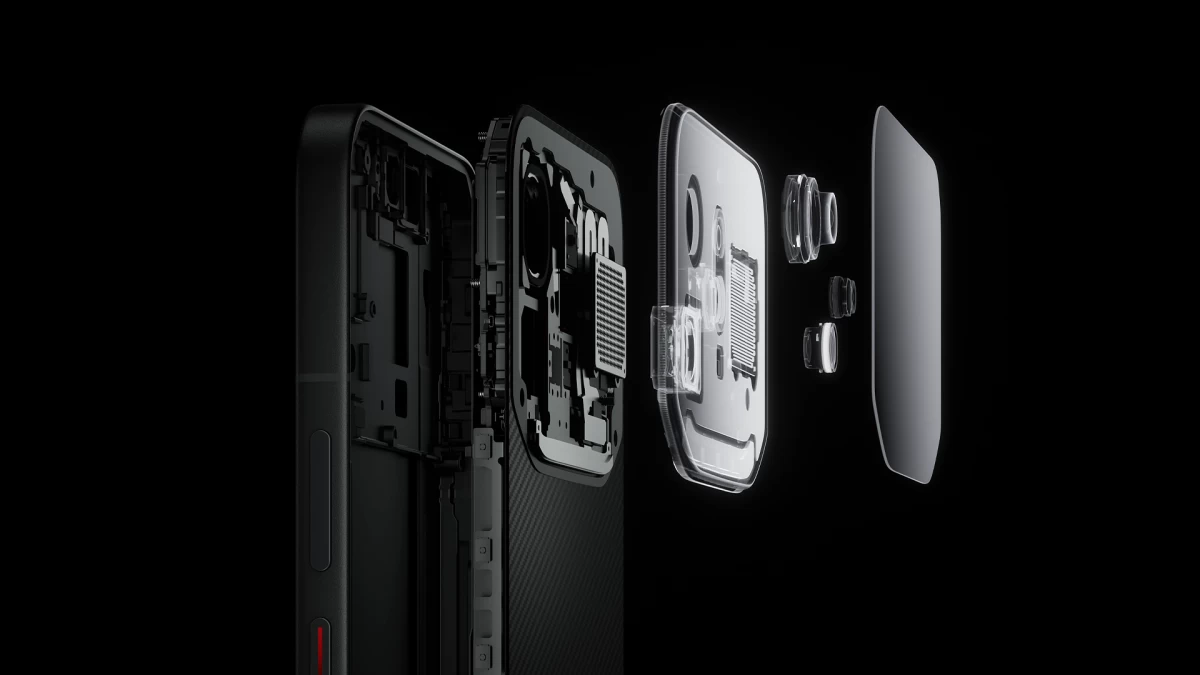
Note 60 Ultra is equipped with a "Uni-Chassis" Camera Module
It regards the camera area on the back of the phone as an integral part of the device body, has developed an integrated design solution known as the Uni-Chassis Camera Module. The entire camera matrix area is covered by a single piece of high-strength glass that extends to the upper half of the device. Visually, it eliminates the physical dividing lines around the lens edges, giving the otherwise heavy imaging system a sense of "floating". This "less is more" design not only delivers an overall aesthetic appeal but also ensures comfortable use in hand, balancing practical value and tech-luxury experience as well.

Pininfarina supercar designers worked on the smartphone design
Matteo Fioravanti: "We do not want the NOTE 60 Ultra to look like a box crammed with components; it should be like a continuous living entity."
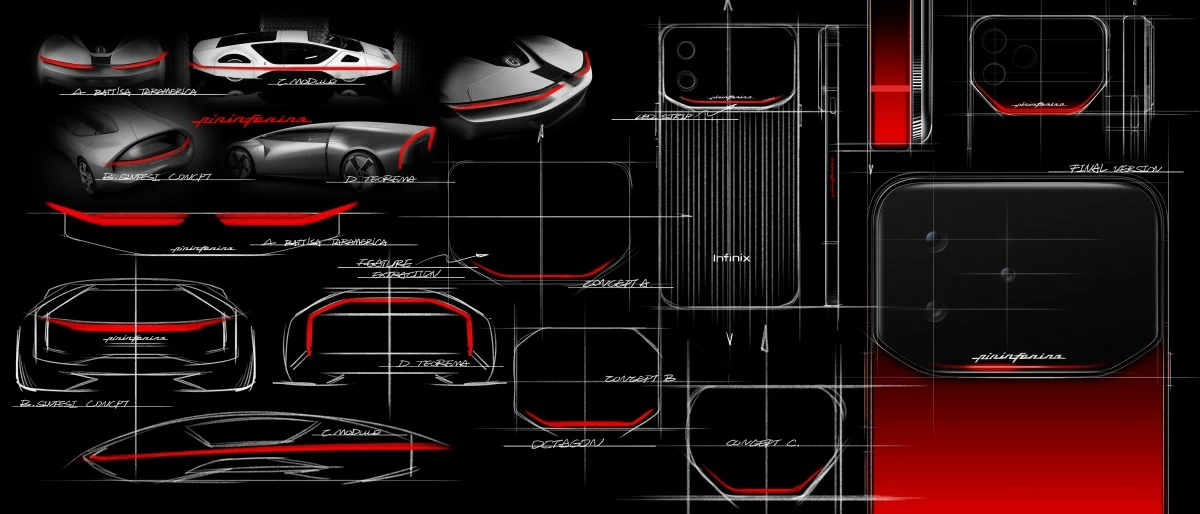
Sketch: extraction of automotive language
This glass is by no means a monotonous flat surface. The rounded rectangular matrix in the upper half exudes a sense of calm and solidity, while the lower half adopts a Tripartite front-end segmentation resembling a car's rear wing, injecting a touch of dynamism and playfulness into the understated design. The edges of the glass are precisely polished to blend naturally with the device body in a continuous arc, the gear-shaped metal trim around the joint serves as the perfect finishing touch amid minimalism, and the Pininfarina signature showcases a discreet mark of authorship, revealing exquisite industrial aesthetics in the subtle details.
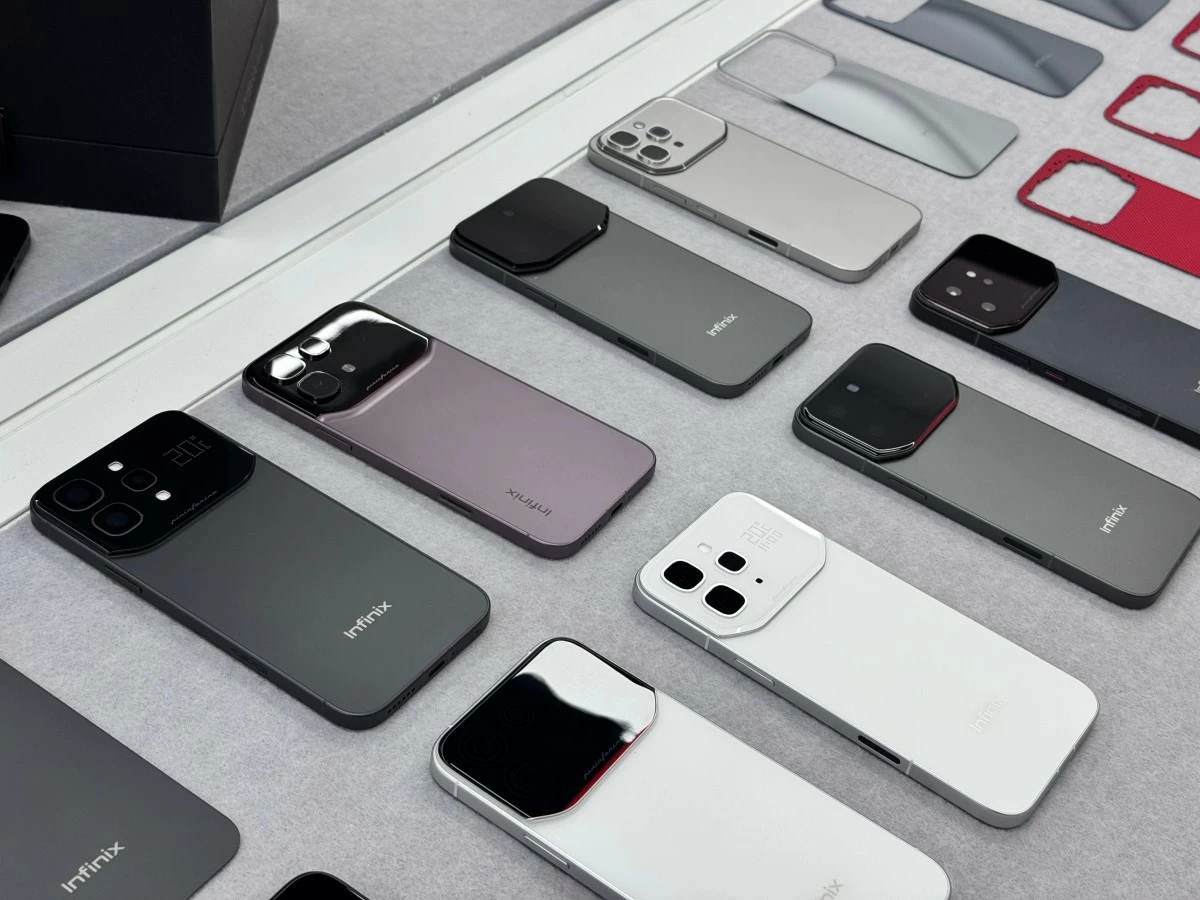
Prototypes across different stages leading to the final design
Making Technology "Fun" — The Interactive Philosophy of Lighting Systems
If the Uni-Chassis structure is the elegant "physique" of the NOTE 60 Ultra, then its lighting system is the "breath" that breathes soul into this device.
In automotive design, lighting has long become a key element of brand identity, from daytime running lights to taillight shapes, modern sports cars often establish a distinctive visual signature through light. The NOTE 60 Ultra follows this philosophy by introducing a multi-zone lighting system on the back of its body.
Beneath the three-stage rear wing structure, the team ingeniously embedded a red light strip of the same shape. When the phone powers on, the light strip illuminates, instantly simulating the ceremonial sense of a hypercar's engine ignition and rear wing lighting. This detail not only boasts high recognizability but also connects the action of "power on" with the passion of driving, conveying an inherent sense of power.
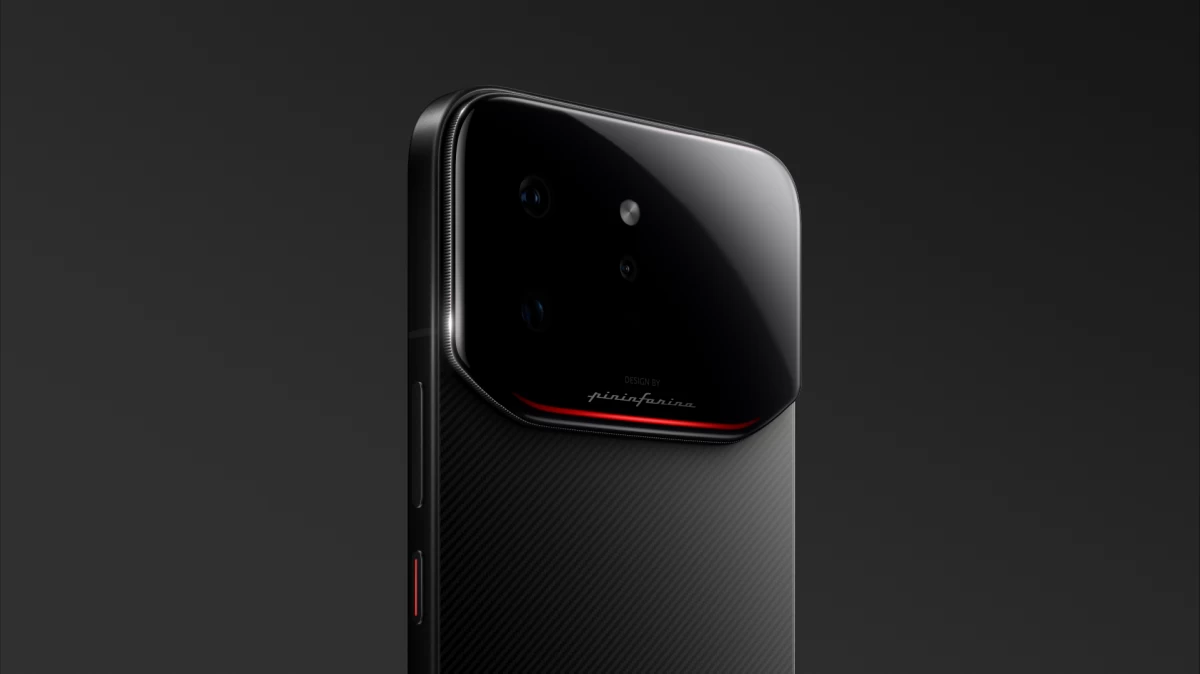
A rear light strip named Floating Taillight activates during power-on and notifications
The more ingenious design lies in the Active Matrix. Developed for Infinix's target users—young professionals who pursue trends and novelty—this interactive system holds an unexpected sense of fun. It can transform into a cute Pixel Pet or a customizable canvas, allowing technology to serve not only functionality but also personality and emotional expression.
The Hidden Wisdom
The most provocative design of the NOTE 60 Ultra lies in how it "conceals" its formidable performance.
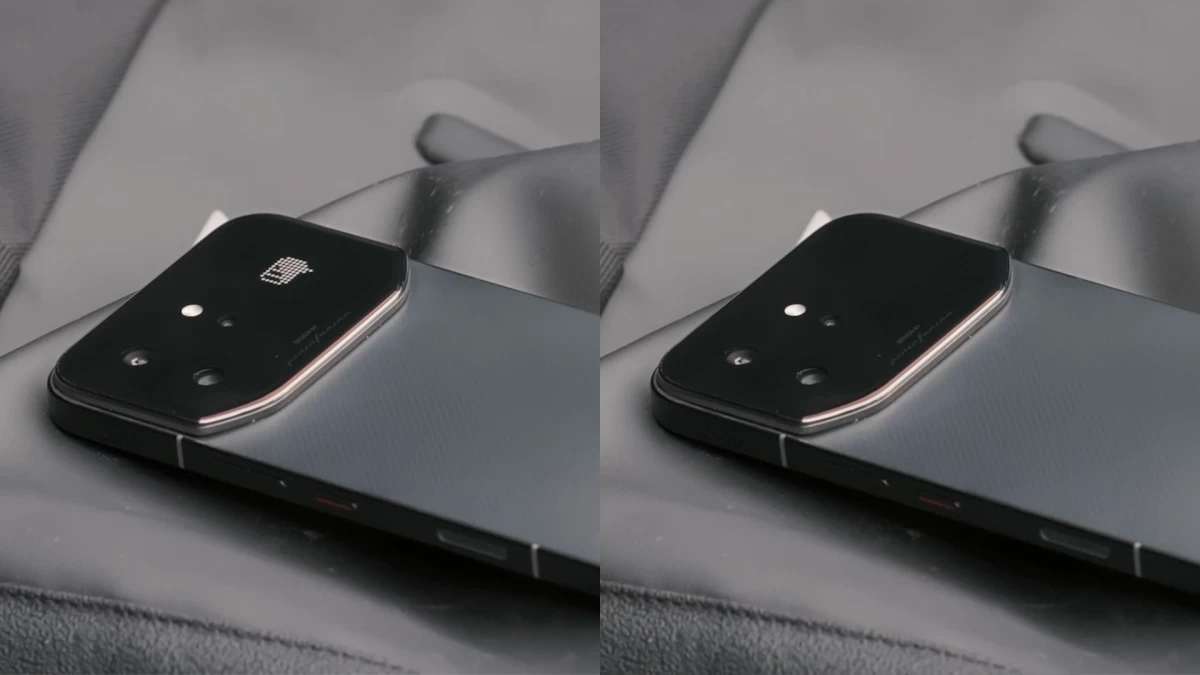
The Active Matrix remains fully hidden when not in use, preserving the integrity of the exterior
Beneath this minimalist one-piece glass lies a sophisticated array: three cameras (including a 200MP main camera and a 50MP telephoto lens), sensors, a flash, as well as Floating Taillight and Active Matrix, totaling seven core components. Traditional designs tend to "show off" these components to demonstrate strength. However, Infinix and Pininfarina insisted on making them fully "darkened" in normal mode to achieve a seamless visual effect.
Achieving this result demands extremely stringent craftsmanship: it requires the ultimate level of precision in the lens coating process and color control of components. An even greater challenge lies in the Active Matrix. The conventional industry practice is to keep the light pillars visible even when not in use, but we wanted it to appear only when needed, as if by magic.
"An essential design does not equate to a simple one. It means that after countless of reiterations we arrived at the perfect shape, a balance between aesthetics and functions" Said Matteo Fioravanti.
To this end, the team carried out countless refinements with the supply chain. The matrix lights are used on as many as 7 color-matched back panels of the NOTE 60 series, which means every fine-tuning of coating and color control had to be multiplied by 12 times. Ultimately, the team overcame a series of technical challenges such as light crosstalk, achieving the remarkable feat of making the matrix lights perfectly "invisible" across all 7 differently colored panels.
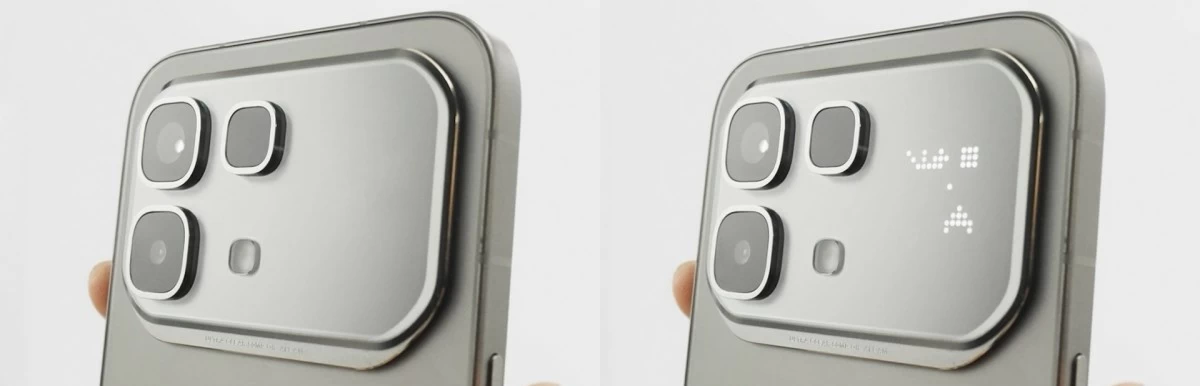

The Active Matrix is hidden across seven color panels on the NOTE 60 Pro
"This is the most complex product Infinix has ever created over the years." Behind the ID designer's exclamation lies an extreme pursuit of craftsmanship. "Strength within, elegance without" is no longer just a slogan, but a promise ultimately fulfilled through countless craftsmanship tests and parameter adjustments.
Industry acclaim
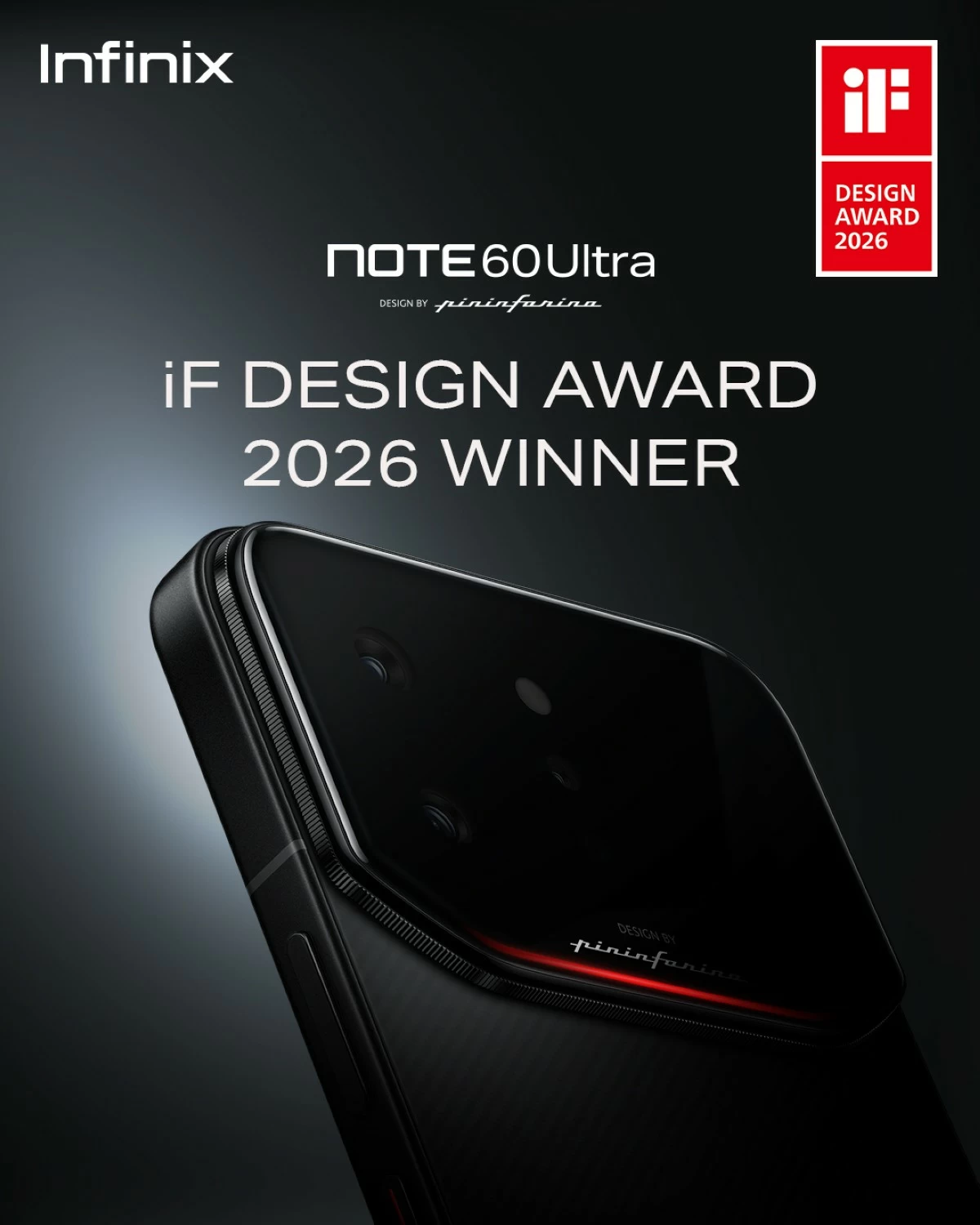
Such exploration has also been recognized by the industry, and its outstanding design has earned it the 2026 iF Design Award.
Android Police commented, "it is more than just a name inscribed on the side. Actual thought has been put into the design, there are a variety of really special touches that make it stand out from the crowd."
Stuff described it as "a must for car design supernerds."
As is acknowledged by Fast Company, "The Italian firm's contributions to the NOTE 60 Ultra goes well beyond previous automotive promotions we've seen in the industry."
And GSMArena's summary is perhaps the most accurate: " There are so many phones named Ultra on the market nowadays, but very few among them justify the name quite like the Infinix NOTE 60 Ultra."
Define "New Ultra"
For a long time, the term "Ultra" in the smartphone industry has typically signified bulkiness, understated sophistication, and the aesthetic inertia of the middle class. However, as Pininfarina design team said, “Design is the tool to humanize innovation.” Through this collaboration, the NOTE 60 Ultra has delivered an answer tailored to the younger generation: Ultra can be both powerfully high-performance and elegant, even joyful.
It is no longer a luxury item that flaunts status through material stacking, but a work of art that pursues the ultimate visual experience through technological breakthroughs. As you rotate the NOTE 60 Ultra in your hand and watch light and shadow glide smoothly across its integrated curved surface, what you feel is not only the shock of 200MP clarity, but also an elegant echo of Italian design in the digital age.
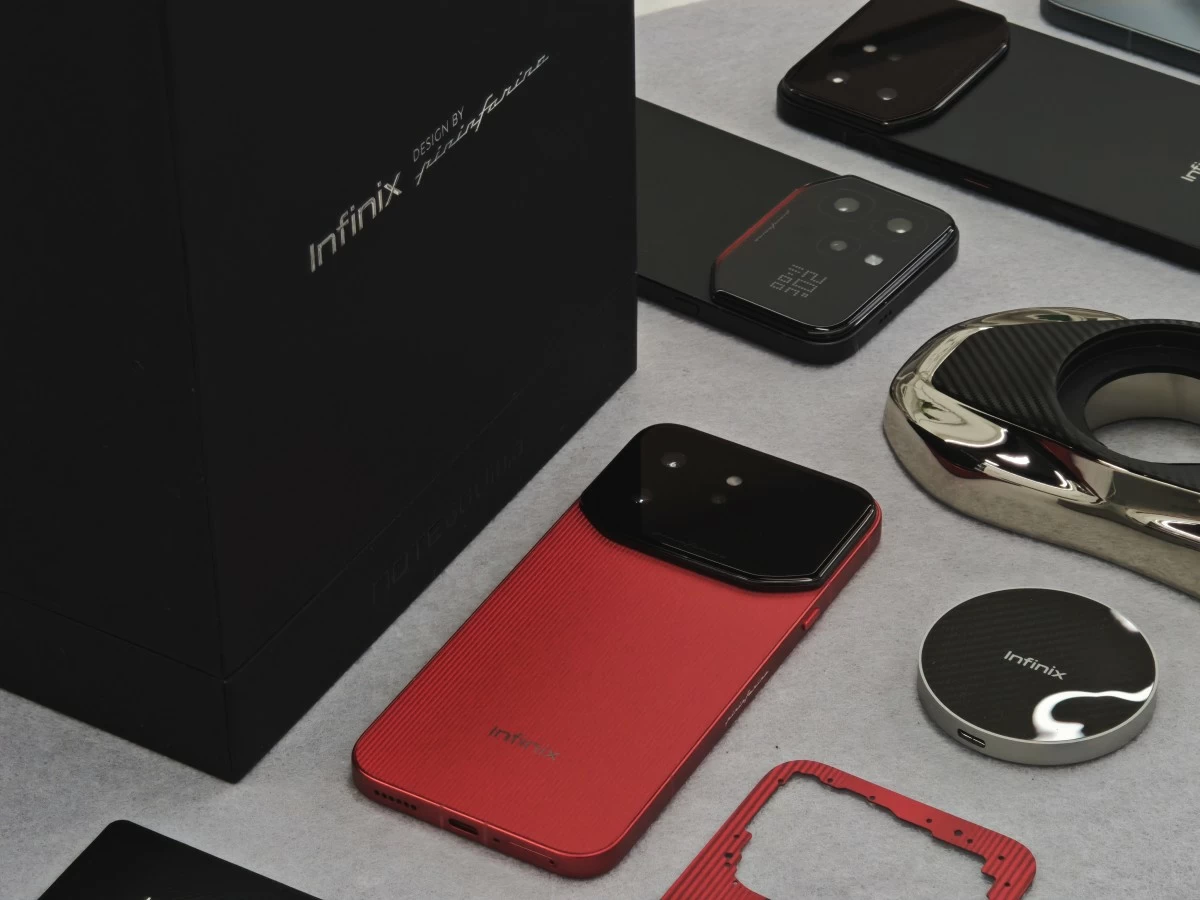
The collaboration marks the first time Italian design house Pininfarina has worked on a smartphone in its 95-year history
The Infinix NOTE 60 Ultra is now available in the Philippines. Get yours today via Shopee, Lazada, and TikTok Shop.
You can also get the Infinix NOTE 60 Pro Pininfarina Edition on Shopee, Lazada, and TikTok Shop for a more convenient and seamless shopping experience.
Stay updated on Infinix by checking out our official Facebook page or website for the latest news and releases.