ADVERTISEMENT

Luzon, Visayas face rotating brownouts as grid supply hits deficit

Published May 13, 2026 04:01 pm
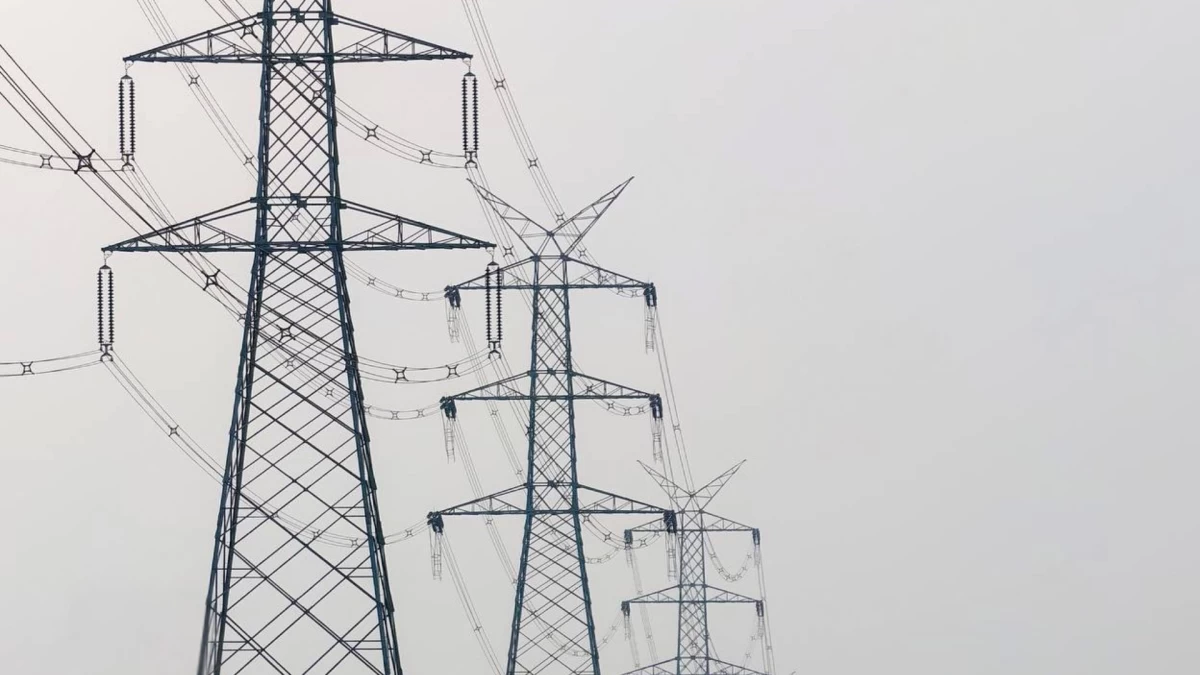
High-voltage transmission towers cut across the landscape in Pampanga on Wednesday, May 13. The National Grid Corporation of the Philippines placed the Visayas grid under yellow alert following the forced outage of three power plants, highlighting the region's heavy reliance on power imports from the Luzon and Mindanao grids to meet surging electricity demand. (Photo by Santi San Juan | Manila Bulletin)
The National Grid Corporation of the Philippines (NGCP) placed the Luzon and Visayas grids under red alert on Wednesday, May 13, amid supply deficit that may trigger rotating power interruptions across the country’s most populous regions.
The grid operator announced that the Luzon region will remain under red alert status until 8 p.m., to be followed by a yellow alert through 10 p.m. Peak demand in Luzon surged to 12,527 megawatts, outstripping the available capacity of 12,447 megawatts.
The shortfall comes as approximately 4,681.6 megawatts of power remain unavailable to the grid due to a combination of forced outages and derated plant capacities.
A red alert is issued when the power supply is insufficient to meet consumer demand and the transmission grid’s regulating requirements. This status often leads to manual load dropping, or controlled power cuts, to maintain system stability. A yellow alert indicates that while supply is available, the operating margin is thin and fails to meet the grid’s contingency requirements.
Manila Electric Co. (Meralco) said it is coordinating with the grid operator and its industrial partners to mitigate the impact. The utility has activated its Interruptible Load Program, a mechanism where large-scale consumers—including shopping malls, factories, and office towers—switch to their own generator sets. This de-loading initiative is designed to ease the strain on the national grid and potentially avert widespread outages in the capital and surrounding provinces.
Meralco stated that while it is prepared to implement rotating interruptions if necessary, its priority remains managing the system condition through demand-side measures. The utility also called on the public to reduce electricity consumption during the peak evening hours.
The energy crunch extended to the Visayas grid, which also faced a red alert on Wednesday. The region is grappling with the loss of imported supply from Luzon, coupled with high local demand and the forced outages of several major plants.
These include Therma Visayas Inc.’s units 1 and 2, which represent 338 megawatts of combined capacity, and the 150-megawatt Unit 3 of Panay Energy Development Corp.
Cynthia Alabanza, NGCP spokesperson, noted during a briefing that the simultaneous unplanned maintenance shutdowns of plants in both regions have historically led to these grid instabilities.
The supply tension arrives even as the NGCP reported a decline in transmission rates for the April billing period.
Julius Ryan Datingaling, NGCP revenue management head, attributed the rate drop to economies of scale.
As energy consumption rose due to the summer heat and a longer billing cycle of 31 days compared to the previous month's 28 days, the grid's fixed costs were spread across a larger volume of electricity, providing a marginal cost buffer for consumers despite the precarious supply situation.

Related Tags

MERALCO electricity disruption NGCP National Grid Corporation of the Philippines (NGCP)
ADVERTISEMENT
.most-popular .layout-ratio{ padding-bottom: 79.13%; } @media (min-width: 768px) and (max-width: 1024px) { .widget-title { font-size: 15px !important; } }

{{ articles_filter_1561_widget.title }}

.most-popular .layout-ratio{ padding-bottom: 79.13%; } @media (min-width: 768px) and (max-width: 1024px) { .widget-title { font-size: 15px !important; } }

{{ articles_filter_1562_widget.title }}

.most-popular .layout-ratio{ padding-bottom: 79.13%; } @media (min-width: 768px) and (max-width: 1024px) { .widget-title { font-size: 15px !important; } }

{{ articles_filter_1563_widget.title }}

{{ articles_filter_1564_widget.title }}

.mb-article-details { position: relative; } .mb-article-details .article-body-preview, .mb-article-details .article-body-summary{ font-size: 17px; line-height: 30px; font-family: "Libre Caslon Text", serif; color: #000; } .mb-article-details .article-body-preview iframe , .mb-article-details .article-body-summary iframe{ width: 100%; margin: auto; } .read-more-background { background: linear-gradient(180deg, color(display-p3 1.000 1.000 1.000 / 0) 13.75%, color(display-p3 1.000 1.000 1.000 / 0.8) 30.79%, color(display-p3 1.000 1.000 1.000) 72.5%); position: absolute; height: 200px; width: 100%; bottom: 0; display: flex; justify-content: center; align-items: center; padding: 0; } .read-more-background a{ color: #000; } .read-more-btn { padding: 17px 45px; font-family: Inter; font-weight: 700; font-size: 18px; line-height: 16px; text-align: center; vertical-align: middle; border: 1px solid black; background-color: white; } .hidden { display: none; }
function initializeAllSwipers() { // Get all hidden inputs with cms_article_id document.querySelectorAll('[id^="cms_article_id_"]').forEach(function (input) { const cmsArticleId = input.value; const articleSelector = '#article-' + cmsArticleId + ' .body_images'; const swiperElement = document.querySelector(articleSelector); if (swiperElement && !swiperElement.classList.contains('swiper-initialized')) { new Swiper(articleSelector, { loop: true, pagination: false, navigation: { nextEl: '#article-' + cmsArticleId + ' .swiper-button-next', prevEl: '#article-' + cmsArticleId + ' .swiper-button-prev', }, }); } }); } setTimeout(initializeAllSwipers, 3000); const intersectionObserver = new IntersectionObserver( (entries) => { entries.forEach((entry) => { if (entry.isIntersecting) { const newUrl = entry.target.getAttribute("data-url"); if (newUrl) { history.pushState(null, null, newUrl); let article = entry.target; // Extract metadata const author = article.querySelector('.author-section').textContent.replace('By', '').trim(); const section = article.querySelector('.section-info ').textContent.replace(' ', ' '); const title = article.querySelector('.article-title h1').textContent; // Parse URL for Chartbeat path format const parsedUrl = new URL(newUrl, window.location.origin); const cleanUrl = parsedUrl.host + parsedUrl.pathname; // Update Chartbeat configuration if (typeof window._sf_async_config !== 'undefined') { window._sf_async_config.path = cleanUrl; window._sf_async_config.sections = section; window._sf_async_config.authors = author; } // Track virtual page view with Chartbeat if (typeof pSUPERFLY !== 'undefined' && typeof pSUPERFLY.virtualPage === 'function') { try { pSUPERFLY.virtualPage({ path: cleanUrl, title: title, sections: section, authors: author }); } catch (error) { console.error('ping error', error); } } // Optional: Update document title if (title && title !== document.title) { document.title = title; } } } }); }, { threshold: 0.1 } ); function showArticleBody(button) { const article = button.closest("article"); const summary = article.querySelector(".article-body-summary"); const body = article.querySelector(".article-body-preview"); const readMoreSection = article.querySelector(".read-more-background"); // Hide summary and read-more section summary.style.display = "none"; readMoreSection.style.display = "none"; // Show the full article body body.classList.remove("hidden"); } document.addEventListener("DOMContentLoaded", () => { let loadCount = 0; // Track how many times articles are loaded const offset = [1, 2, 3, 4, 5, 6, 7, 8, 9, 10]; // Offset values const currentUrl = window.location.pathname.substring(1); let isLoading = false; // Prevent multiple calls if (!currentUrl) { console.log("Current URL is invalid."); return; } const sentinel = document.getElementById("load-more-sentinel"); if (!sentinel) { console.log("Sentinel element not found."); return; } function isSentinelVisible() { const rect = sentinel.getBoundingClientRect(); return ( rect.top < window.innerHeight && rect.bottom >= 0 ); } function onScroll() { if (isLoading) return; if (isSentinelVisible()) { if (loadCount >= offset.length) { console.log("Maximum load attempts reached."); window.removeEventListener("scroll", onScroll); return; } isLoading = true; const currentOffset = offset[loadCount]; window.loadMoreItems().then(() => { let article = document.querySelector('#widget_1690 > div:nth-last-of-type(2) article'); intersectionObserver.observe(article) loadCount++; }).catch(error => { console.error("Error loading more items:", error); }).finally(() => { isLoading = false; }); } } window.addEventListener("scroll", onScroll); });

Sign up by email to receive news.