






Manila Bulletin
 Business
The Stock Market
Gokongwei Group's property arm pledges no delays for current projects
Business
The Stock Market
Gokongwei Group's property arm pledges no delays for current projects
Business
The Stock Market
Gokongwei Group's property arm pledges no delays for current projects
Gokongwei Group's property arm pledges no delays for current projects
Published May 13, 2026 03:49 pm


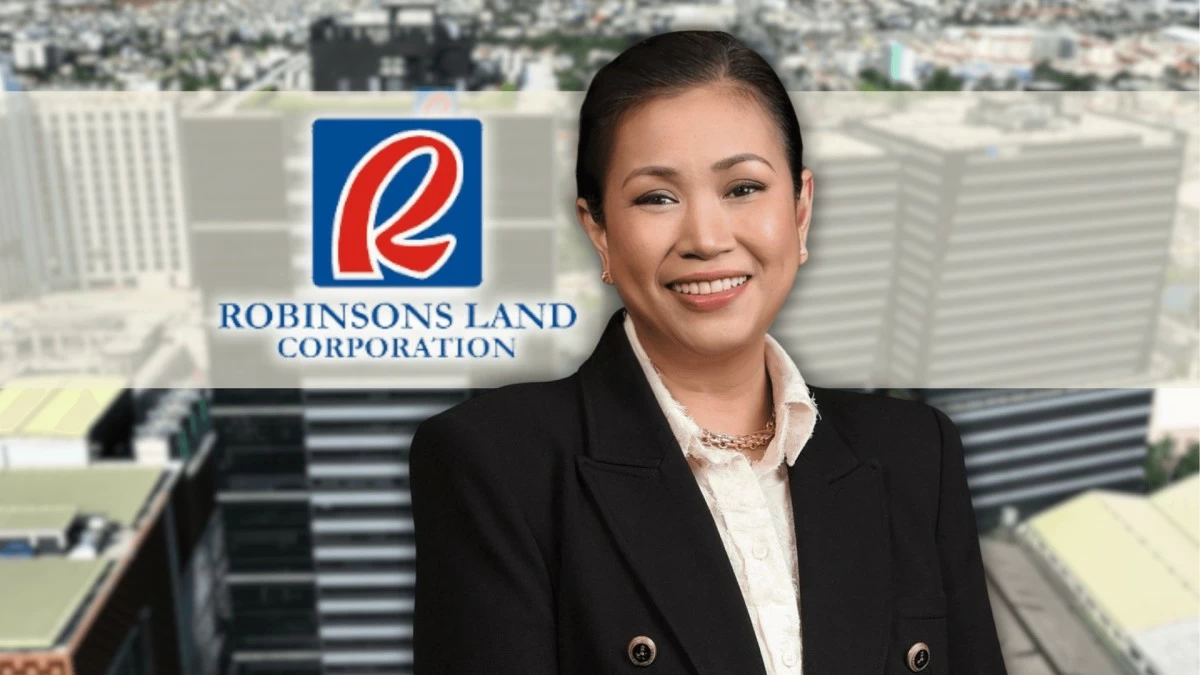
Robinsons Land Corp. (RLC), the real estate arm of the Gokongwei Group, plans to proceed with its full pipeline of projects this year, betting on its diversified portfolio and the ₱14.75 billion cash injection to weather geopolitical volatility and sluggish condominium market.
In a briefing, Mybelle V. Aragon-Gobio, RLC president and chief executive officer, said the developer is committed to rolling out all its projects despite escalating tensions in the Middle East and fluctuating global commodity prices that have pressured the broader property sector.
Aragon-Gobio added that RLC is maintaining a disciplined approach to capital allocation while remaining agile.
“As always, not just in this particular crisis, we always try to keep our ear to the ground and to see how the market evolves,” Aragon-Gobio said.
She noted that while the company evaluated which projects to accelerate or potentially pause in light of global impediments, the board ultimately concluded that RLC would push ahead with all projects as committed.
The company’s confidence is underpinned by a significant liquidity buffer. RLC bolstered its “war chest” through two placements of RL Commercial REIT Corp. shares in September 2025 and January 2026. Those transactions generated ₱14.75 billion in proceeds, providing what Aragon-Gobio described as the financial flexibility necessary to maintain its development pace.
The RLC chief noted that the decision to monetize assets through the REIT was a proactive move to ensure the parent firm remained insulated from tightening credit conditions.
Beyond its cash reserves, she said the developer expects sustained momentum from its residential division. Despite a cooling market for new high-rise developments, RLC is seeing a revenue lift from ready-for-occupancy (RFO) units and the recognition of revenue from previously presold projects that have now hit critical construction milestones.
Aragon-Gobio expects this trend of revenue recognition to hold through the remainder of the year, supported by the company’s success in converting its inventory into realized earnings.
Addressing the rise in raw material prices, Aragon-Gobio admitted that the cost of key commodities, including steel, cement, and aluminum, has increased significantly.
However, she noted that the company’s engineering contracts include stringent contingency provisions. These agreements typically protect the developer from price adjustments unless costs exceed specific percentage thresholds.
“We’ve been very disciplined in budgeting for contingencies,” Aragon-Gobio said. “As we monitor the project costs and the anticipated increases and lows, we are still in a position where our contingencies are able to cover sufficiently and still leave us sufficient buffers.”