






Manila Bulletin
 Business
The Stock Market
Biggest private water dam since 1970s begins supplying Manila Water customers
Business
The Stock Market
Biggest private water dam since 1970s begins supplying Manila Water customers
Business
The Stock Market
Biggest private water dam since 1970s begins supplying Manila Water customers
Biggest private water dam since 1970s begins supplying Manila Water customers
Published May 13, 2026 01:26 pm


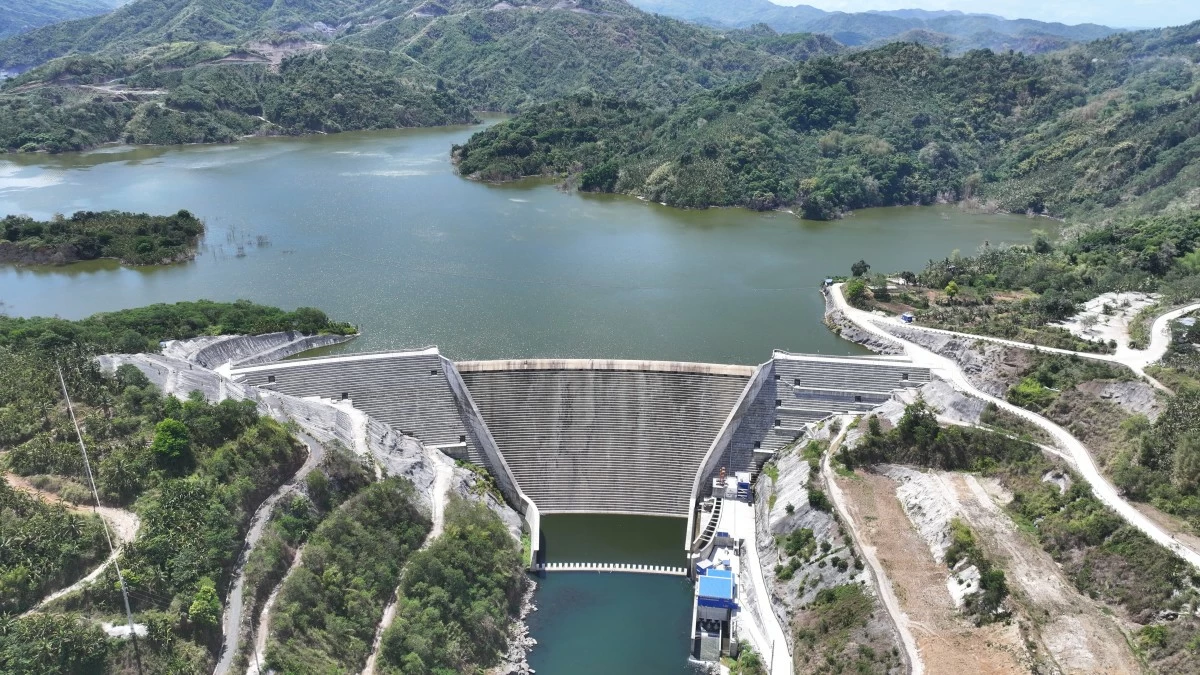
Razon-led Manila Water Co. has commenced drawing raw water from the Upper Wawa Dam to supply its Calawis treatment facility, a move aimed at bolstering service reliability for approximately 100,000 residents in Antipolo City as traditional reservoirs face seasonal strain.
In a statement on Wednesday, May 13, the East Zone concessionaire announced that the Calawis Water Treatment Plant is currently receiving between 25 million and 30 million liters of raw water daily during its initial transition phase.
Manila Water said this volume supports roughly 17,000 service connections. At full scale, the facility is engineered to treat 80 million liters per day, potentially serving 900,000 customers across Antipolo and neighboring municipalities in Rizal province.
The activation of the Upper Wawa Dam is a central component of Manila Water’s strategy to diversify its supply portfolio. For decades, the capital region has maintained a heavy reliance on the Angat Dam, which provides more than 90 percent of Metro Manila’s potable water.
By establishing a dedicated alternative source, Manila Water said the company aims to mitigate the impact of declining water levels at Angat, which often reach critical lows during the peak of the summer heat or under the influence of El Niño weather patterns.
Beyond immediate supply stabilization, Manial Water said the integration of the Upper Wawa Dam allows for better management of smaller infrastructure.
The Calawis plant is shifting its primary intake away from minor sources like the Tayabasan Weir, reducing operational pressure on secondary facilities and improving the overall flexibility of the East Zone network. This shift is expected to protect communities from service disruptions during periods of extreme heat when demand typically surges.
The project held a significant portion of the utility's capital expenditure aimed at long-term water security. Manila Water is also tracking the progress of the Kaysakat Water Treatment Plant, another facility designed to tap into the Upper Wawa system.
Scheduled for completion in October 2026, the Kaysakat plant is projected to bring total production from the Wawa system to 220 million liters per day.
“These developments reflect our sustained investments in building a reliable and resilient water supply system,” said Joe Costales, general manager of WawaJVCo.
He described the project as an inter-generational asset intended to secure safe and stable water for current and future residents of Rizal.