






Manila Bulletin
 Business
The Stock Market
Shell Pilipinas prioritizes import terminals in ₱3-billion spending plan
Business
The Stock Market
Shell Pilipinas prioritizes import terminals in ₱3-billion spending plan
Business
The Stock Market
Shell Pilipinas prioritizes import terminals in ₱3-billion spending plan
Shell Pilipinas prioritizes import terminals in ₱3-billion spending plan
Published May 12, 2026 02:12 pm


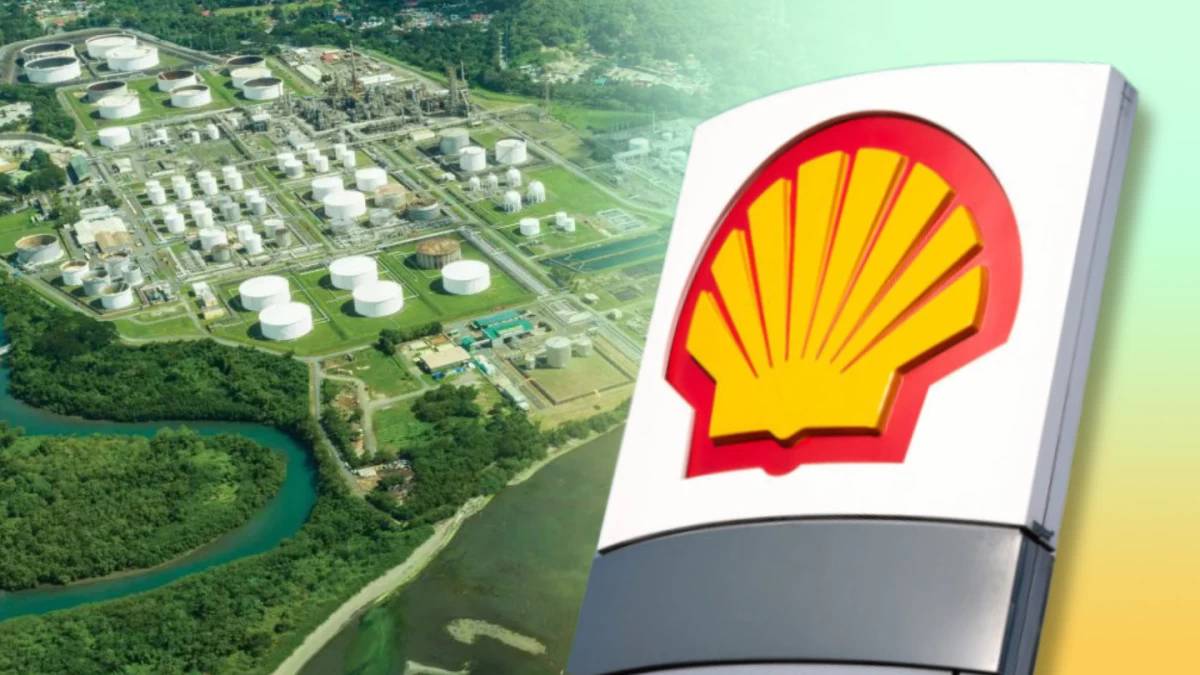
Shell Pilipinas Corp. plans to maintain its annual capital spending at roughly ₱2 billion to ₱3 billion through 2026, prioritizing the modernization of its import terminals and supply chain infrastructure to insulate operations from global market volatility.
During the company’s annual meeting on Tuesday, May 12, Reynaldo P. Abilo, Shell Pilipinas vice president for finance and chief risk officer, said the energy firm’s capital expenditure strategy for 2025 and 2026 remains consistent with current levels.
Abilo said approximately 55 percent of the earmarked funds will be directed toward the Shell Pilipinas’ trading and supply segment. The primary objective is the maintenance and upgrading of import terminals across the country, with a significant portion of that investment dedicated to the facility in Tabangao, Batangas.
He said the remainder of the capital outlay is slated for the “refresh” of Shell Pilipinas’ mobility footprint, which includes its nationwide network of service stations.
While the investment floor has not shifted upward, Abilo said the company is focused on optimizing its existing allocations. The strategy comes as the industry grapples with unpredictable price swings driven by international conflicts.
Lorelie Q. Osial, Shell Pilipinas president and chief executive officer, said the company is working in tandem with the government to mitigate the impact of oil price shocks on local motorists.
She noted that a coordinated “whole-of-government” response is essential to preventing potential supply shortages linked to ongoing tensions in the Middle East.
“Since the start of the Middle East conflict, Shell Pilipinas has really been focused on ensuring supply security, and while at the same time continuing to comply with laws and regulations,” Osial said.
She added that the company has remained in active consultation with various government agencies to navigate the current market volatility.
The company confirmed it continues to follow the Department of Energy’s weekly price adjustment protocols and has implemented targeted discount programs for the public transport sector and transport network vehicle services.
Shell Pilipinas is also leveraging its global trading network to manage its inventory and operational costs more effectively.
Osial emphasized that for the industry to remain resilient, the government must maintain a stable and predictable policy framework that balances consumer protection with the long-term sustainability of energy providers.