






Manila Bulletin
 Opinion
Expanding access, strengthening purpose: Reflections from the 2026 Microfinance Operations Staff Summit
Opinion
Expanding access, strengthening purpose: Reflections from the 2026 Microfinance Operations Staff Summit
Opinion
Expanding access, strengthening purpose: Reflections from the 2026 Microfinance Operations Staff Summit
Expanding access, strengthening purpose: Reflections from the 2026 Microfinance Operations Staff Summit
Published May 11, 2026 12:05 am
|
Updated May 10, 2026 04:01 pm


FROM THE MARGINS
Last April, nearly 300 participants representing 50 microfinance institutions (MFIs) from across the country convened at the Century Park Hotel for the 2026 Microfinance Operations Staff Summit, organized by the Microfinance Council of the Philippines, Inc. (MCPI).
On the surface, it was a technical gathering – a lead-up to MCPI’s Annual Conference in August – but it had a deeper significance. The summit was a reminder of where microfinance truly lives: not in boardrooms or balance sheets, but in the daily work of frontliners who sit with clients, listen to their stories, and walk alongside them through financial uncertainty.
While preparing my keynote message, I asked myself: What will truly resonate with those working closest to our clients? I wanted to speak honestly about the realities they face and offer practical ways forward – because the changes around us are unmistakable.
Today, the operating environment for MFIs is becoming more complex. Financial services are expanding rapidly, with banks, fintech firms, and private lenders entering markets once underserved. In the Philippines, this shift is reinforced by digital finance and broader inclusion efforts supported by the Bangko Sentral ng Pilipinas and other institutions.
But the shift is not just about market dynamics – it is also about purpose.
MFIs were built on a mission of poverty alleviation. They exist not merely to lend, but to build discipline, resilience, and opportunity among low-income households. Many new entrants, however, are driven primarily by scale and profitability. This difference shapes how clients are engaged, how risks are managed, and how communities are served.
Frontliners see these shifts firsthand. MFIs invest years building trust in high-risk areas, only to see other providers enter once clients become stable, targeting the most reliable borrowers. This is compounded by aggressive recruitment of experienced MFI staff, often drawn by higher compensation.
In some cases, new lending models allow former staff to manage independent portfolios backed by private capital. While innovative, these raise concerns around ethics, client protection, and long-term sustainability.
The risk of over indebtedness is far from hypothetical. Countries such as India and Cambodia have already experienced crises fueled by excessive lending and inadequate safeguards. To prevent a similar trajectory, MFIs and other financial providers must strengthen credit discipline, prioritize client protection, and collaborate closely with regulators.
These risks are unfolding alongside rapid digital transformation. Mobile and agent banking continue to reshape service delivery, while e-wallets and digital platforms are now widely used.
For MFIs, this presents both opportunity and challenge.
Technology can broaden reach and improve efficiency – but it cannot replace the relational core of microfinance. Trust, built through consistent human interaction, remains its most valuable asset. Digital tools must enhance – not displace – this high-touch engagement.
Workforce transformation is also a concern. Many MFIs face high turnover, particularly among younger employees. Millennials and Gen Z bring adaptability and digital fluency, but also new expectations around growth and purpose. Personally, I think this is not a problem to resist, but a reality to navigate. The future of microfinance depends on how well institutions engage, develop, and retain this new generation — aligning them not just with targets, but with mission.
Beyond institutions, broader economic forces continue to shape the lives of microfinance clients. Rising global tensions have driven fuel prices upward, hitting transport workers, farmers, and small entrepreneurs hardest. Many are now forced to seek alternative ways to earn, adapting to survive in an increasingly volatile environment.
For microfinance clients, these shifts translate into higher costs and tighter budgets. Farmers face rising input prices, microentrepreneurs deal with fluctuating demand, and daily earners absorb the impact of inflation. Yet, as always, they adapt—with resilience that continues to inspire.
Amid these realities, I offered microfinance operations staff practical advice:
First, protect the client. Financial education is essential in a crowded lending environment. Clients must be equipped to evaluate options and manage debt responsibly.
Second, ensure services match client needs. One-size-fits-all approaches are not effective.
Third, embrace digital tools while preserving human connection.
Fourth, stay grounded in mission: serve the poor, especially women.
Fifth, maximize center meetings as platforms for learning and community-building.
And finally, build relationships grounded in trust. In microfinance, trust is currency — it sustains long-term impact.
In closing, I reminded participants that their work is part of something greater than daily operations. The role of microfinance frontliners is evolving – from extending financial access, to helping clients make informed choices, avoid harmful debt, and build stability. Every client interaction contributes to a larger mission of transformation.
And this is why microfinance is important: it does not only provide financial services – it places people before profit, relationships before transactions, and long-term well-being before short-term gain. It is about reaching more families and strengthening livelihoods toward our ultimate goal: Poverty eradication.
* * *
“You’re a hero, even when no one is watching.” – Uncommon Quotes
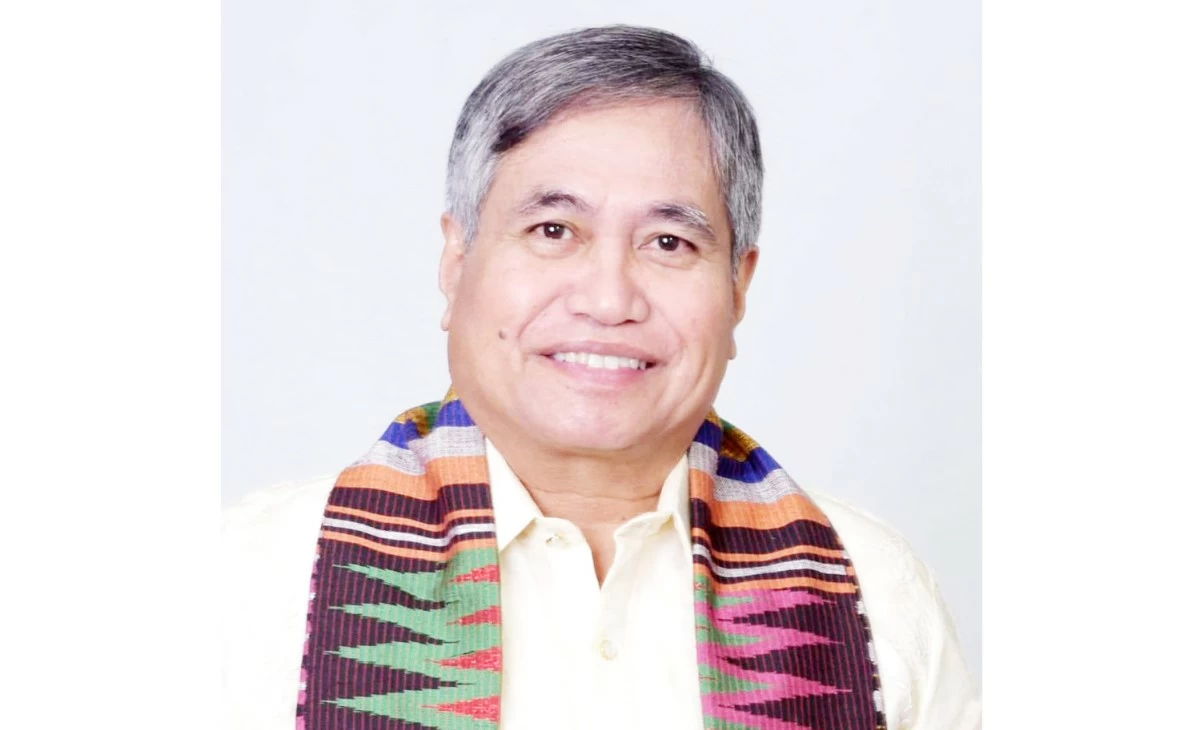
(Dr. Jaime Aristotle B. Alip is a poverty eradication advocate. He is the founder of the Center for Agriculture and Rural Development Mutually-Reinforcing Institutions (CARD MRI), a group of 23 organizations that provide social development services to 8 million economically-disadvantaged Filipinos and insure more than 27 million nationwide.)