ADVERTISEMENT

ASEAN as a force for regional stability

Published May 11, 2026 12:05 am  |  Updated May 10, 2026 03:49 pm
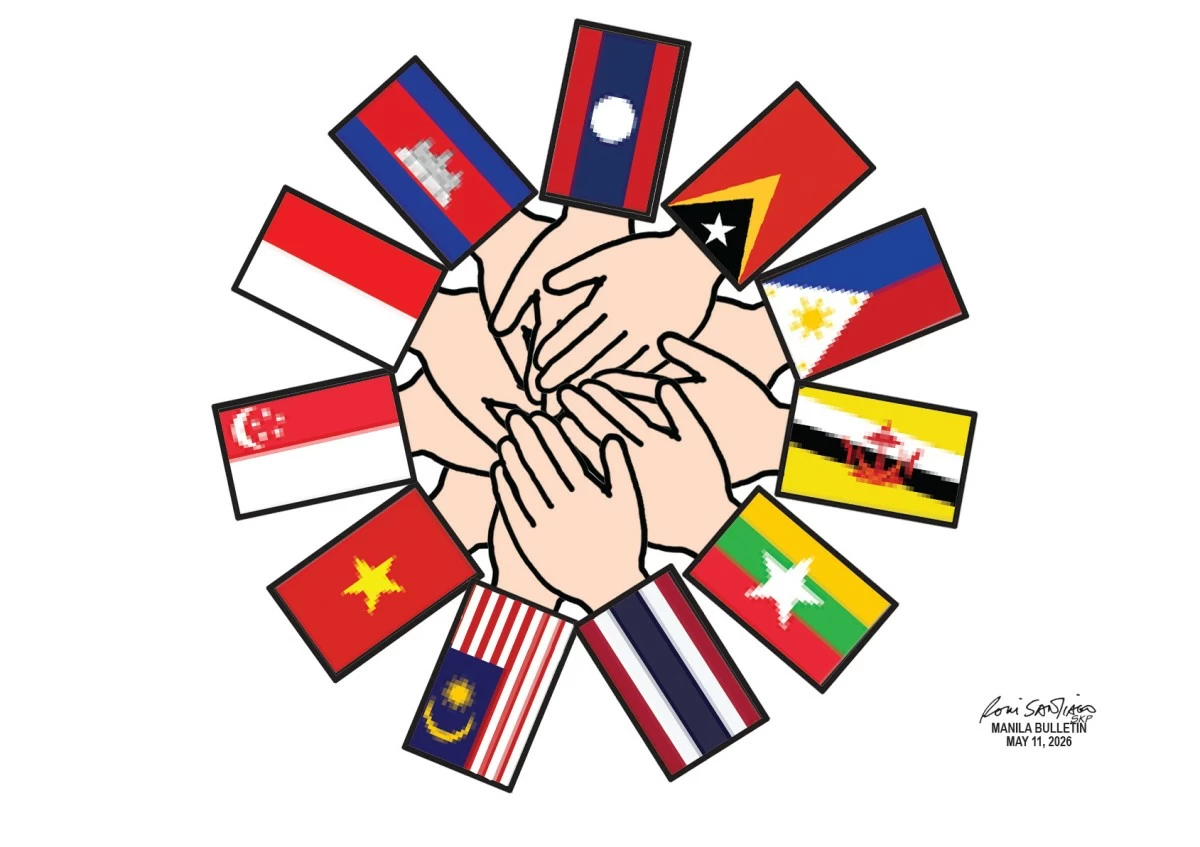
The 48th ASEAN Summit in Cebu has proven to be more than a ceremonial gathering of Southeast Asian leaders. Convened at a time of rising geopolitical tensions, economic uncertainty, maritime disputes, and the disruptive advance of artificial intelligence, the summit demonstrated ASEAN’s continuing relevance as a stabilizing force in the region. More importantly, it reaffirmed the bloc’s enduring commitment to dialogue, consensus-building, and collective resilience.
Among the summit’s most significant outcomes was the ASEAN Leaders’ Statement on the Middle East crisis. Faced with the serious repercussions of conflict in the Gulf region — particularly the disruption of energy supply routes and escalating fuel prices — ASEAN leaders adopted coordinated measures aimed at protecting regional economies and the welfare of ASEAN nationals working abroad. The statement underscored the urgent need for energy security, food security, and emergency coordination mechanisms.
This collective response reflects a growing realization that ASEAN can no longer remain a passive observer of external crises. What happens in the Middle East directly affects Southeast Asia through oil prices, inflation, supply-chain disruptions, and migrant worker vulnerabilities. The Cebu summit thus highlighted the strategic value of regional solidarity in cushioning external shocks.
Equally consequential was the endorsement of the ASEAN Maritime Center to be established in the Philippines. This initiative elevates maritime cooperation into a more institutionalized and coordinated framework. It also strengthens ASEAN’s capacity to address pressing concerns involving maritime security, environmental protection, disaster response, and the blue economy.
At a time when tensions persist in the South China Sea and global sea lanes remain vulnerable to disruption, the establishment of the Maritime Center sends a subtle but unmistakable signal. ASEAN recognizes that safeguarding freedom of navigation and maritime stability is essential to regional prosperity and peace. The Philippines deserves credit for championing this initiative and positioning itself at the forefront of regional maritime cooperation.
Another landmark development was the Cebu Protocol amending the ASEAN Charter, the first such amendment since the Charter’s adoption in 2007. The amendment facilitates the fuller integration of Timor-Leste into ASEAN and symbolizes the organization’s institutional evolution.
Far from being a mere technical revision, the Charter amendment demonstrates ASEAN’s willingness to adapt to changing regional realities. Institutions that refuse to evolve eventually become irrelevant. By opening the door wider for Timor-Leste and adjusting ASEAN’s structures accordingly, the bloc affirms that inclusivity and reform are necessary for long-term cohesion.
The summit likewise highlighted ASEAN’s continuing role as a platform for preventive diplomacy. The quiet mediation efforts involving Thailand and Cambodia over their border dispute illustrated ASEAN’s preference for dialogue over confrontation. While the tensions between the two neighbors remain unresolved, the willingness of both parties to engage in confidence-building measures under ASEAN auspices represents a constructive step toward de-escalation.
This diplomatic approach may lack the dramatic flair of power politics, but it remains one of ASEAN’s greatest strengths. The ASEAN Way — patient consultation and consensus-building — continues to provide a valuable mechanism for preserving regional stability.
Finally, the Cebu summit recognized the growing intersection between security and artificial intelligence. As AI rapidly transforms economies, communications, governance, and even warfare, ASEAN leaders acknowledged the need for common principles and cooperative frameworks to ensure that emerging technologies serve humanity rather than undermine democratic institutions and social stability.
The Cebu Summit may not have produced sweeping headlines or instant solutions. Yet its outcomes reflect something equally important: ASEAN’s determination to remain united, adaptive, and strategically relevant amid a volatile global landscape. In an increasingly fragmented world, that alone is a meaningful achievement.
ADVERTISEMENT
.most-popular .layout-ratio{ padding-bottom: 79.13%; } @media (min-width: 768px) and (max-width: 1024px) { .widget-title { font-size: 15px !important; } }

{{ articles_filter_1561_widget.title }}

.most-popular .layout-ratio{ padding-bottom: 79.13%; } @media (min-width: 768px) and (max-width: 1024px) { .widget-title { font-size: 15px !important; } }

{{ articles_filter_1562_widget.title }}

.most-popular .layout-ratio{ padding-bottom: 79.13%; } @media (min-width: 768px) and (max-width: 1024px) { .widget-title { font-size: 15px !important; } }

{{ articles_filter_1563_widget.title }}

{{ articles_filter_1564_widget.title }}

.mb-article-details { position: relative; } .mb-article-details .article-body-preview, .mb-article-details .article-body-summary{ font-size: 17px; line-height: 30px; font-family: "Libre Caslon Text", serif; color: #000; } .mb-article-details .article-body-preview iframe , .mb-article-details .article-body-summary iframe{ width: 100%; margin: auto; } .read-more-background { background: linear-gradient(180deg, color(display-p3 1.000 1.000 1.000 / 0) 13.75%, color(display-p3 1.000 1.000 1.000 / 0.8) 30.79%, color(display-p3 1.000 1.000 1.000) 72.5%); position: absolute; height: 200px; width: 100%; bottom: 0; display: flex; justify-content: center; align-items: center; padding: 0; } .read-more-background a{ color: #000; } .read-more-btn { padding: 17px 45px; font-family: Inter; font-weight: 700; font-size: 18px; line-height: 16px; text-align: center; vertical-align: middle; border: 1px solid black; background-color: white; } .hidden { display: none; }
function initializeAllSwipers() { // Get all hidden inputs with cms_article_id document.querySelectorAll('[id^="cms_article_id_"]').forEach(function (input) { const cmsArticleId = input.value; const articleSelector = '#article-' + cmsArticleId + ' .body_images'; const swiperElement = document.querySelector(articleSelector); if (swiperElement && !swiperElement.classList.contains('swiper-initialized')) { new Swiper(articleSelector, { loop: true, pagination: false, navigation: { nextEl: '#article-' + cmsArticleId + ' .swiper-button-next', prevEl: '#article-' + cmsArticleId + ' .swiper-button-prev', }, }); } }); } setTimeout(initializeAllSwipers, 3000); const intersectionObserver = new IntersectionObserver( (entries) => { entries.forEach((entry) => { if (entry.isIntersecting) { const newUrl = entry.target.getAttribute("data-url"); if (newUrl) { history.pushState(null, null, newUrl); let article = entry.target; // Extract metadata const author = article.querySelector('.author-section').textContent.replace('By', '').trim(); const section = article.querySelector('.section-info ').textContent.replace(' ', ' '); const title = article.querySelector('.article-title h1').textContent; // Parse URL for Chartbeat path format const parsedUrl = new URL(newUrl, window.location.origin); const cleanUrl = parsedUrl.host + parsedUrl.pathname; // Update Chartbeat configuration if (typeof window._sf_async_config !== 'undefined') { window._sf_async_config.path = cleanUrl; window._sf_async_config.sections = section; window._sf_async_config.authors = author; } // Track virtual page view with Chartbeat if (typeof pSUPERFLY !== 'undefined' && typeof pSUPERFLY.virtualPage === 'function') { try { pSUPERFLY.virtualPage({ path: cleanUrl, title: title, sections: section, authors: author }); } catch (error) { console.error('ping error', error); } } // Optional: Update document title if (title && title !== document.title) { document.title = title; } } } }); }, { threshold: 0.1 } ); function showArticleBody(button) { const article = button.closest("article"); const summary = article.querySelector(".article-body-summary"); const body = article.querySelector(".article-body-preview"); const readMoreSection = article.querySelector(".read-more-background"); // Hide summary and read-more section summary.style.display = "none"; readMoreSection.style.display = "none"; // Show the full article body body.classList.remove("hidden"); } document.addEventListener("DOMContentLoaded", () => { let loadCount = 0; // Track how many times articles are loaded const offset = [1, 2, 3, 4, 5, 6, 7, 8, 9, 10]; // Offset values const currentUrl = window.location.pathname.substring(1); let isLoading = false; // Prevent multiple calls if (!currentUrl) { console.log("Current URL is invalid."); return; } const sentinel = document.getElementById("load-more-sentinel"); if (!sentinel) { console.log("Sentinel element not found."); return; } function isSentinelVisible() { const rect = sentinel.getBoundingClientRect(); return ( rect.top < window.innerHeight && rect.bottom >= 0 ); } function onScroll() { if (isLoading) return; if (isSentinelVisible()) { if (loadCount >= offset.length) { console.log("Maximum load attempts reached."); window.removeEventListener("scroll", onScroll); return; } isLoading = true; const currentOffset = offset[loadCount]; window.loadMoreItems().then(() => { let article = document.querySelector('#widget_1690 > div:nth-last-of-type(2) article'); intersectionObserver.observe(article) loadCount++; }).catch(error => { console.error("Error loading more items:", error); }).finally(() => { isLoading = false; }); } } window.addEventListener("scroll", onScroll); });

Sign up by email to receive news.