







ASEAN vows unity, resilience amid global uncertainty


At A Glance
- ASEAN leaders adopted the Chair's Statement of the 48th ASEAN Summit in Cebu.
- The bloc emphasized unity, energy, food security, AI, and regional resilience amid global tensions.
- ASEAN also pushed for stronger cooperation on health, cybersecurity, transnational crime, and climate action.
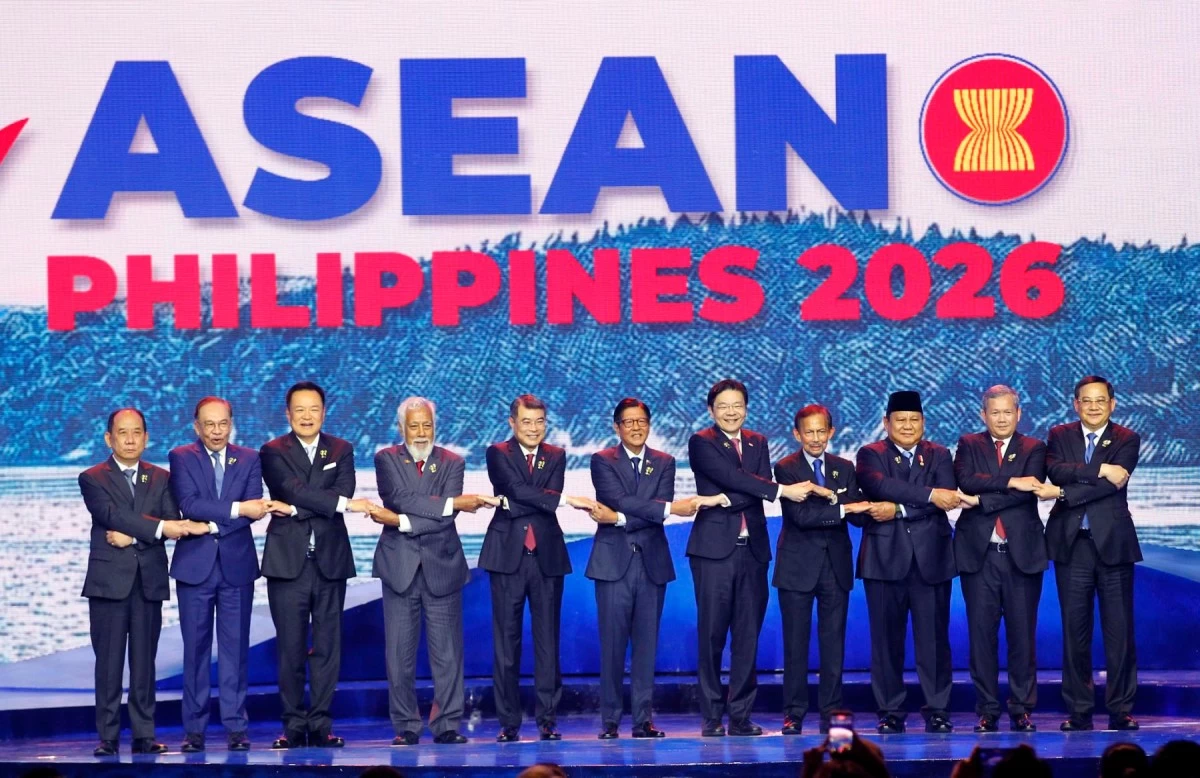
Southeast Asian leaders reaffirmed their commitment to regional unity, energy and food security, and people-centered development as they adopted the Chair’s Statement of the 48th Association of Southeast Asian Nations (ASEAN) Summit in Cebu under the Philippines’ chairship.
The leaders said the Philippines’ 2026 ASEAN Chairship theme, “Navigating Our Future, Together,” reflects the bloc’s resolve to steer the region “proactively and cohesively” amid an evolving global landscape marked by geopolitical tensions, economic uncertainty, and disruptions in energy and trade.
The statement underscored ASEAN’s commitment to maintaining peace, stability, and a rules-based regional order, while reaffirming support for dialogue and the peaceful settlement of disputes in accordance with international law and the United Nations Convention on the Law of the Sea (UNCLOS).
AI, digital transformation pushed
ASEAN leaders highlighted artificial intelligence (AI) and digital transformation as among the region’s key priorities moving forward.
The bloc welcomed 19 Priority Economic Deliverables under the Philippine chairship, including initiatives focused on AI-powered growth for micro, small, and medium enterprises (MSMEs), digital trade, cybersecurity, and regional connectivity.
Leaders also backed the development of the ASEAN Digital Economy Framework Agreement, which aims to strengthen cooperation on digital trade, cross-border e-commerce, cybersecurity, digital payments, and emerging technologies such as AI.
The statement likewise recognized the “strategic importance” of responsible and inclusive AI use, including the establishment of ASEAN’s first shared high-performance computing facility accessible to all member states.
ASEAN also welcomed the Philippines’ proposal to establish an AI MSME Hub to help businesses harness AI tools and improve productivity and competitiveness across the region.
Middle East crisis, energy concerns
The leaders acknowledged the impact of the ongoing Middle East conflict on ASEAN economies, particularly on fuel prices, trade routes, food supply chains, and the welfare of ASEAN nationals working in the region.
ASEAN reiterated the need to strengthen energy security, including through the ASEAN Power Grid and regional cooperation on fuel reserves, renewable energy, and energy transition initiatives.
The bloc also committed to advancing food security, climate resilience, and disaster preparedness amid increasingly frequent and complex crises.
Health, disasters, transnational crime
The Chair’s Statement placed strong emphasis on regional health cooperation, including the operationalization of the ASEAN Centre for Public Health Emergencies and Emerging Diseases (ACPHEED).
ASEAN leaders also highlighted the importance of digital health systems, stronger public health preparedness, and coordinated responses to future pandemics and emerging diseases.
On security concerns, ASEAN reaffirmed cooperation against transnational crimes such as online scams, cybercrime, trafficking in persons, violent extremism, and illegal drugs.
The bloc also pushed stronger regional coordination on disaster response, climate action, and environmental protection, including efforts to address transboundary haze pollution and biodiversity loss.
ASEAN centrality
ASEAN leaders reiterated the importance of ASEAN Centrality and solidarity, stressing that the regional grouping must remain the “primary driving force” in shaping an open and inclusive regional architecture.
The statement also reaffirmed ASEAN’s commitment to external partnerships grounded on “mutual benefit, shared interests, and constructive engagement.”
The 48th ASEAN Summit in Cebu marked the first major summit under the Philippines’ 2026 ASEAN chairship.