







OPAPRU aids 9 ex-rebels displaced by Mayon unrest
Published May 9, 2026 09:05 pm


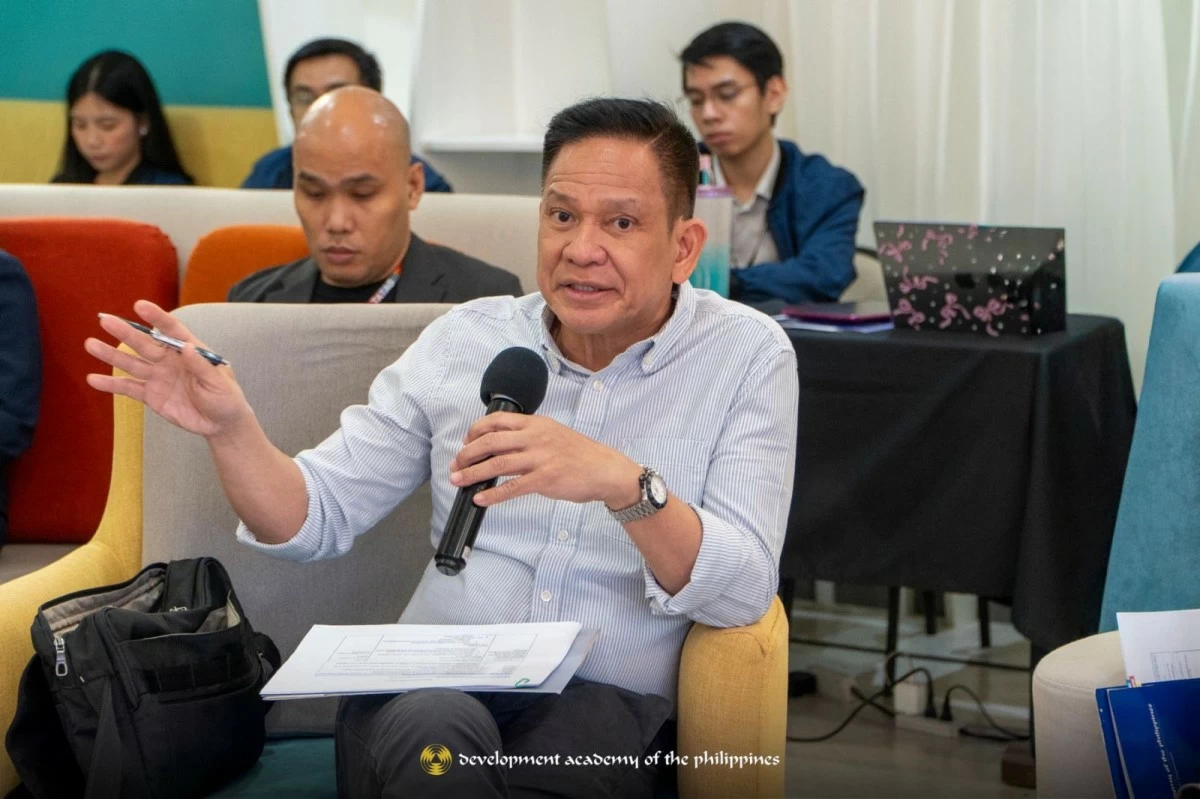
Presidential Peace Adviser Mel Senen Sarmiento (File photo)
The national government is making sure that former combatants who traded their rifles for peace do not fall through the cracks of a natural disaster.
This, as the Office of the Presidential Adviser on Peace, Reconciliation and Unity (OPAPRU) concluded field assessments and delivered initial relief to nine former rebels (FRs) displaced by the recent unrest of Mayon Volcano.
The mission followed a direct order from Presidential Peace Adviser Secretary Mel Senen Sarmiento, who sought a firsthand look at the conditions of conflict-affected communities in the Bicol region.
“The directive from President Ferdinand Marcos Jr. was clear: conduct actual field visits, validate conditions on the ground, and make sure that immediate assistance reaches affected communities,” Sarmiento said.
Last week, Mayon Volcano unleashed significant ashfall and pyroclastic density currents affected hundreds of thousands of residents across Camalig, Guinobatan, Ligao City, Daraga, and Legazpi City.
The volcanic unrest disrupted daily life and triggered a massive response from government agencies. For the OPAPRU, the disaster presented a unique challenge in maintaining the stability of the peace process in the face of environmental crisis.
“This is part of our continuing commitment to stand with our former rebels, especially during emergencies and disasters,” Sarmiento added.
As of the latest reports, the nine affected former rebels were visited and interviewed in coordination with the Department of Social Welfare and Development (DSWD) and local government units (LGUs).
Field validation confirmed that all identified individuals were safe as no casualties or major property damage were reported among the FRs and their families.
Despite the lack of casualties, Sarmiento said the OPAPRU remains focused on the long-term stability of the former rebels, many of whom were currently navigating a delicate reintegration process into civilian life.
“We need to determine their immediate needs and provide appropriate interventions to guarantee their safety, welfare, and recovery,” he said.
The peace adviser noted that protecting these vulnerable groups is a priority for the administration, stressing that the government must ensure no one is left behind during a crisis.
Sarmiento concluded that direct coordination with local stakeholders is the only way to ensure help is felt on the ground. He believes sustained engagement is essential to turn government plans into tangible support for those caught between conflict and calamity.