







New survival skills for everyday earners
Stretching your peso:
Published May 9, 2026 08:00 am
|
Updated May 8, 2026 08:00 am



A Filipino worker checks a financial app on a smartphone. As the “paycheck to paycheck” cycle becomes harder to sustain under current inflation, the push for “debt with dignity” and transparent lending practices is helping more people manage their resources without falling into predatory traps.
The global economy is currently shivering from the fallout of tensions in the Middle East, and for millions of Filipinos, that chill is felt most acutely at the gas pump and the grocery store.
When you live in a country where a significant portion of the population is still fighting to stay above the poverty line, a spike in oil prices is a direct hit to the daily budget. It means the commute costs more, the rice costs more, and the margin for error disappears.
This pressure is forcing a hard conversation about financial literacy. For a long time, money management sounded like something reserved for people with high-yield portfolios and corporate offices. But today, it has become a survival skill for the everyday earner. Being smart with money is no longer about getting rich; it is about staying afloat in a world that feels increasingly unpredictable.
From paycheck to priority
Most people in the Philippines live paycheck to paycheck, and when that paycheck doesn’t stretch far enough, the default move is often to borrow.
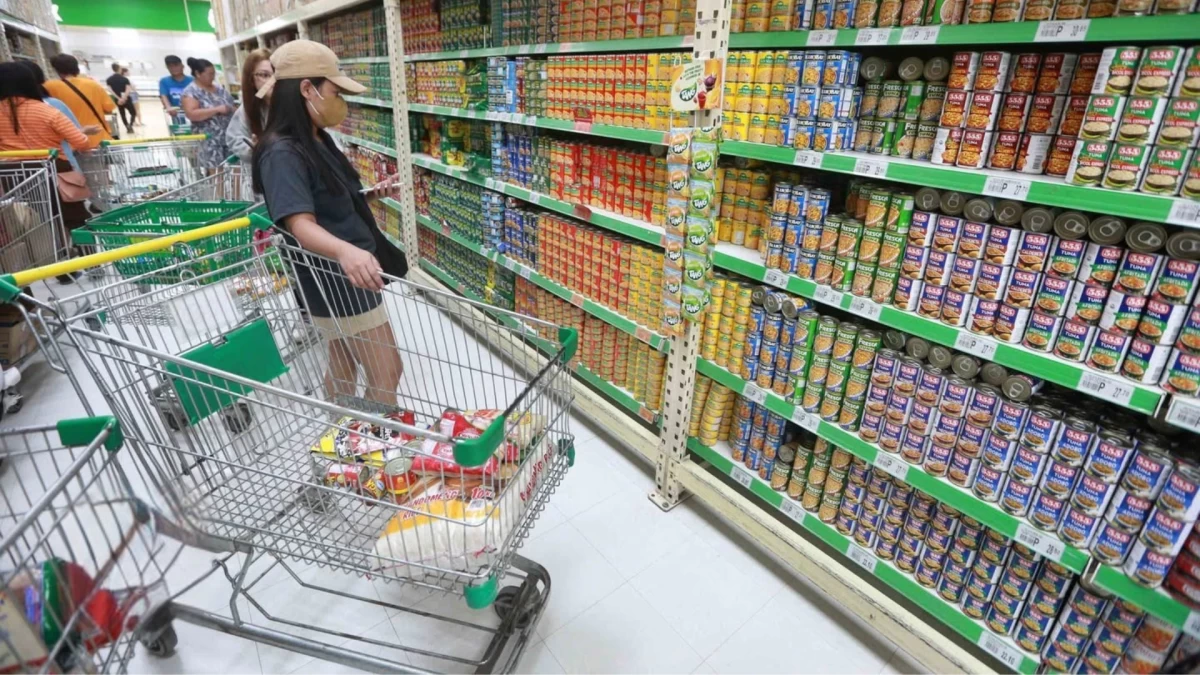
A shopper pauses in a grocery aisle in Manila, where the rising cost of staples has made every purchase a strategic decision. As global price shocks thin the margins for Philippine households, earners are increasingly relying on financial literacy and secure, transparent credit platforms to act as a shield against both inflation and the rising threat of predatory lending scams. (Manila Bulletin file photo)
Credit becomes the bridge that gets a family from one salary to the next. But as global shifts push local prices higher, those bridges are getting longer and more expensive to maintain. This is why intentional budgeting has moved from being a good habit to an essential one.
If you are struggling to figure out where the money goes, starting with a simple framework can take the emotion out of it. Some people swear by the 50/30/20 rule—putting half toward what you need, 30 percent toward what you want, and 20 percent toward savings or debt. Others find that just automating a small savings transfer on payday makes the decision for them. The goal is not to live a life of total deprivation, but to make sure your pesos are going toward your actual priorities rather than slipping away on things that don't matter.
There are also the smaller, daily wins that add up. Rethinking a commute, being more disciplined with the aircon or water usage, and looking for free public spaces like parks or libraries instead of spending an afternoon at the mall can help keep a budget from snapping.
It’s about being deliberate. When you plan your spending, you stop making impulse choices that you will regret by the end of the week.
Building digital shield
Unfortunately, economic hardship is a dinner bell for scammers. When people are desperate to find a way to make ends meet, they become targets for schemes that promise quick fixes or easy loans. These predatory operations are often sophisticated. They might ask for money upfront to process a loan that will never arrive. Some apps are even more dangerous, disguised as helpful financial tools but designed to steal your contacts, passwords, and personal data. Once they have that, they can use it for identity theft or even harassment.
Protecting yourself requires a healthy dose of skepticism. You have to verify who you are dealing with before you give up any information. Sharpening your ability to spot a red flag is just as important as knowing how to save.
If an offer feels too good to be true, it almost certainly is. Real financial security comes from having the agency to manage your money safely, not from taking shortcuts that put your future at risk.
This conversation about money also needs to include the people providing the loans. True security is not just about the borrower being smart; it’s about the lender being fair.
New standard for credit
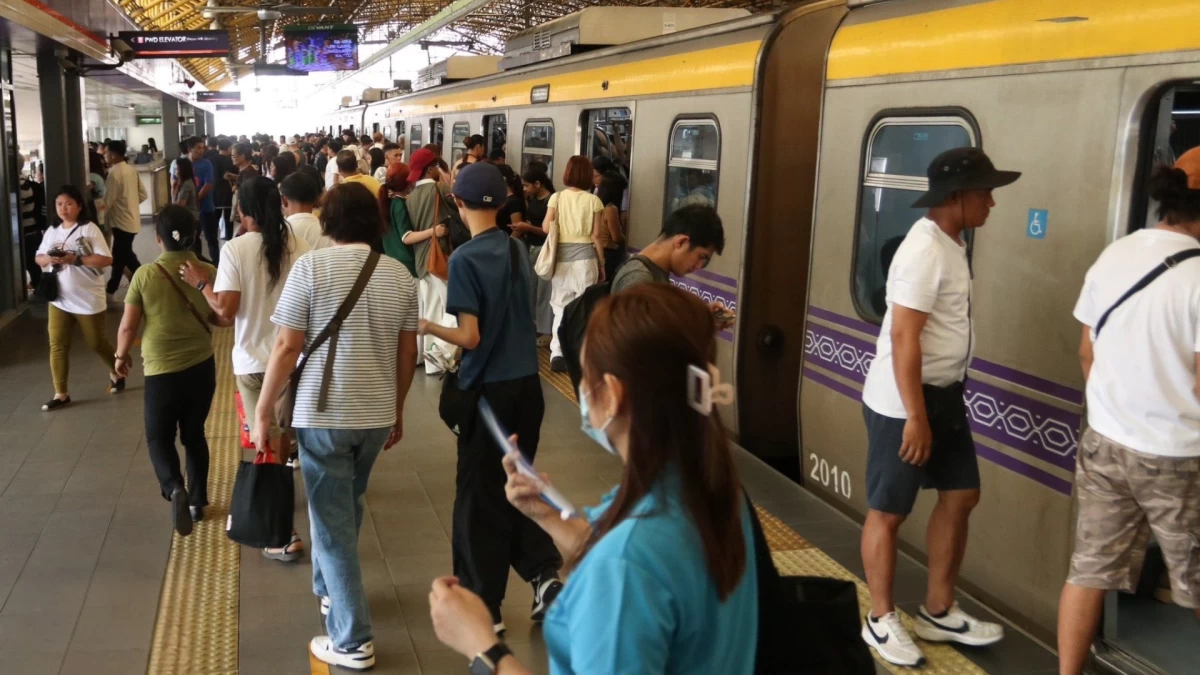
Workers navigate a crowded LRT station during the morning rush. For Filipinos who rely on mass transit, rising fuel costs and inflationary pressures mean that the daily commute is no longer just a routine, but a growing line item in an increasingly tight household budget.
There is a growing movement toward what Tala calls Debt with Dignity. This campaign promotes fair collection practices and absolute transparency. It is a push to establish clear, independent benchmarks for debt collection agencies and law firms, holding them to the same high standard of consumer protection that the borrowers themselves expect.
Beyond just providing credit, Tala is working to close the financial literacy gap in the Philippines through its TALAkayan workshops and grassroots partnerships. These programs are designed to meet people where they are, teaching the basics of cash flow and debt management in a way that feels accessible rather than intimidating.
Tala has grown into a global financial infrastructure company with a focus on making services accessible to those who are often ignored by traditional banks. By delivering billions in credit to millions of people across three continents, they have seen firsthand how flexible, online credit can help someone start a small business or simply manage day-to-day needs.
At the end of the day, your financial health is not dictated solely by how much you make. It is defined by having the agency and the tools to manage it effectively, even when the global economy is in a state of flux.