







A cold shower for the Philippines
Published May 9, 2026 12:05 am
|
Updated May 8, 2026 06:03 pm


Latest numbers from the Philippine Statistics Authority (PSA) serve as a reality check for the Marcos administration, which has been promising a new economic era.
The economy grew by just 2.8 percent in the first quarter of the year, a cold shower for a country recently touted as a regional leader. To put that in perspective, this is the slowest pace of growth since the height of the pandemic lockdowns. Just a year ago, the country was clipping along at 5.4 percent. Now, it isn’t even hitting the government’s own basement target of five percent, trailing behind neighbors like Vietnam and Indonesia.
National planners are working overtime to convince the public that this isn’t a return to the "sick man of Asia" era, a label that carries the heavy baggage of the mid-1980s. But looking at the data, it is easy to see why many are worried. Agriculture is shrinking. Industry is down. Even the services sector, which has been the economy's reliable engine for years, is starting to lose its rhythm. When two out of three major sectors of the economy are in contraction, it is hard to argue that the country is simply “resting.”
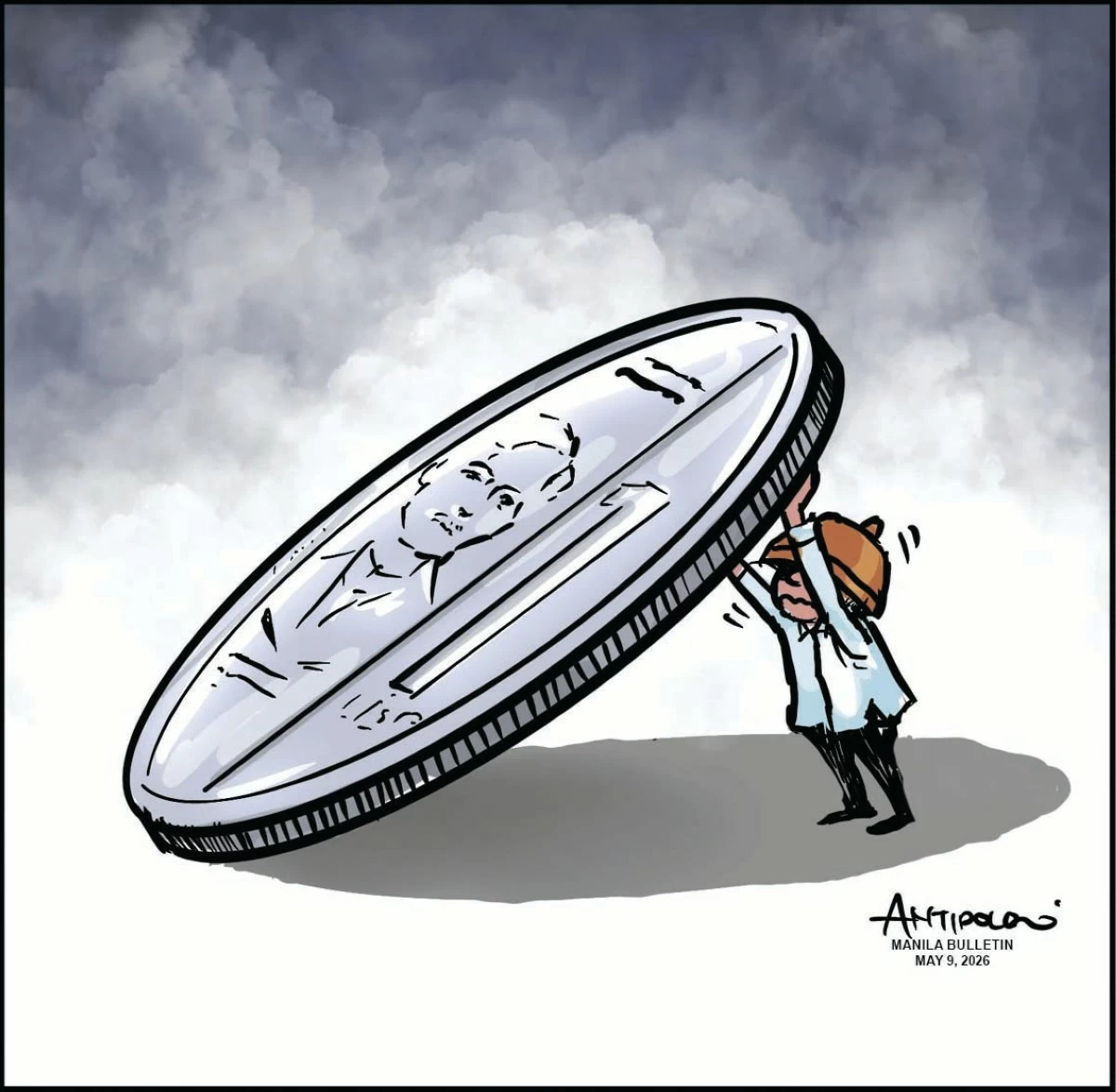
The current slump is a combination of bad luck and bad management. On the global side, the conflict in the Middle East has sent oil prices through the roof. Because the Philippines imports almost all of its fuel, those costs have trickled down into everything from the price of fish to the cost of keeping the lights on. Inflation hit a 37-month high of 7.2 percent in April, and for the poorest families, the situation is even more dire. The purchasing power of the peso has eroded to a record low, meaning that the same ₱100 families held in 2018 is now worth only ₱73.
But the government can’t blame everything on global events. Internal issues played a big role in this stall. The delayed 2026 budget essentially froze infrastructure spending—a primary driver of domestic activity. On top of that, the corruption scandal has spooked investors and soured consumer confidence. National planners admitted that these “lingering effects” weighed heavily on the outlook. When the government stops spending and the private sector gets nervous, growth stops.
There is now a very real debate about whether the country has entered stagflation—that miserable mix of high prices and stagnant growth. National planners say it is too early to use that word, arguing that the labor market is still holding up and that you can’t judge an economy based on one or two bad quarters. However, the view from the street is different. The country lost 350,000 jobs in March alone. Fishermen are staying at the docks because they can’t afford the fuel to go out, and middle-class households are letting go of domestic help to save money.
The government is already admitting that its 2026 growth targets are no longer realistic, but they plan a "catch-up" program for infrastructure and rolling out digital fuel subsidies. However, these feel like small fixes for a much larger problem. The central bank is in a tough spot as well. To fight inflation, they will likely have to raise interest rates again, potentially pushing them to five percent. But raising rates makes it more expensive for businesses to expand and for families to take out loans, which could further choke off any hope of quick recovery.
The economic team remains publicly optimistic, hoping that once global tensions ease, the country will bounce back to its six percent potential. But for the average Filipino watching their peso lose value every day, that path feels like a long way off. The fundamentals might be better than they were decades ago, but the feeling of falling behind is starting to feel uncomfortably familiar. If the government wants to avoid the “sick man” label, it needs to do more than offer optimistic briefings; it needs to get the budget moving and the costs under control.