






Manila Bulletin
 Environment and Sustainability
Plastics pose environmental threats and risks to human health
Environment and Sustainability
Plastics pose environmental threats and risks to human health
Environment and Sustainability
Plastics pose environmental threats and risks to human health
Plastics pose environmental threats and risks to human health
Published May 8, 2026 11:09 am


Plastics on the beach are a significant environmental issue, with millions of tons of plastic entering the oceans each year.
Plastic has become a staple of convenience and modern living. According to Science Advances, global plastic production surged from 2 million metric tons in 1950 to 380 million metric tons by 2015. Of the 8.3 billion metric tons generated during that era, approximately half was produced in just the last 13 years. This rate of increase continues to significantly outpace global population growth.
If this situation is not disturbing enough, IHS Markit indicated at the 2019 Global Plastics Summit that plastic production is projected to rise by an average of 3.5 percent to 4 percent annually until 2035.
“With recycling programs largely underfunded and ineffective, there’s potential for billions more tons of plastic waste to be headed to landfills or into the environment,” James Bruggers wrote for InsideClimate News.
New recycling technology is still a decade or more away, according to Dewey Johnson, vice president of IHS Markit. “The solution isn’t going to happen overnight,” he said. “It is going to happen over decades.”
It may seem that there is little room for optimism. “We produce around 430 million tons of plastic a year, two-thirds of which are short-lived plastics that soon become waste. Plastic pollution can have devastating impacts on ecosystems and wildlife, human health and well-being, and the global economy,” explained Jyoti Mathur-Filipp, executive secretary of the International Negotiating Committee on Plastic Pollution, in an interview with United Nations News.
She said the packaging sector is the world’s largest generator of single-use plastic waste. “Approximately 36 percent of all plastic produced is for packaging,” she said. “This includes single-use food and beverage containers, 85 percent of which end up in landfills or as hazardous waste.”
In the Philippines, the so-called “sachet economy” has contributed to the proliferation of plastics. Products sold in single-use sachets include instant coffee, shampoo, soy sauce, cooking oil, food seasoning, and toothpaste.
“Because they are easy to sell – ribbons of single-use products hang from neighbourhood stores even in the most remote communities–large multinational companies continue to market them,” the World Wide Fund for Nature (WWF) said.
An estimated 60 billion plastic sachets are discarded by Filipinos each year, according to a research group. This is roughly equivalent to one sachet per person per day.
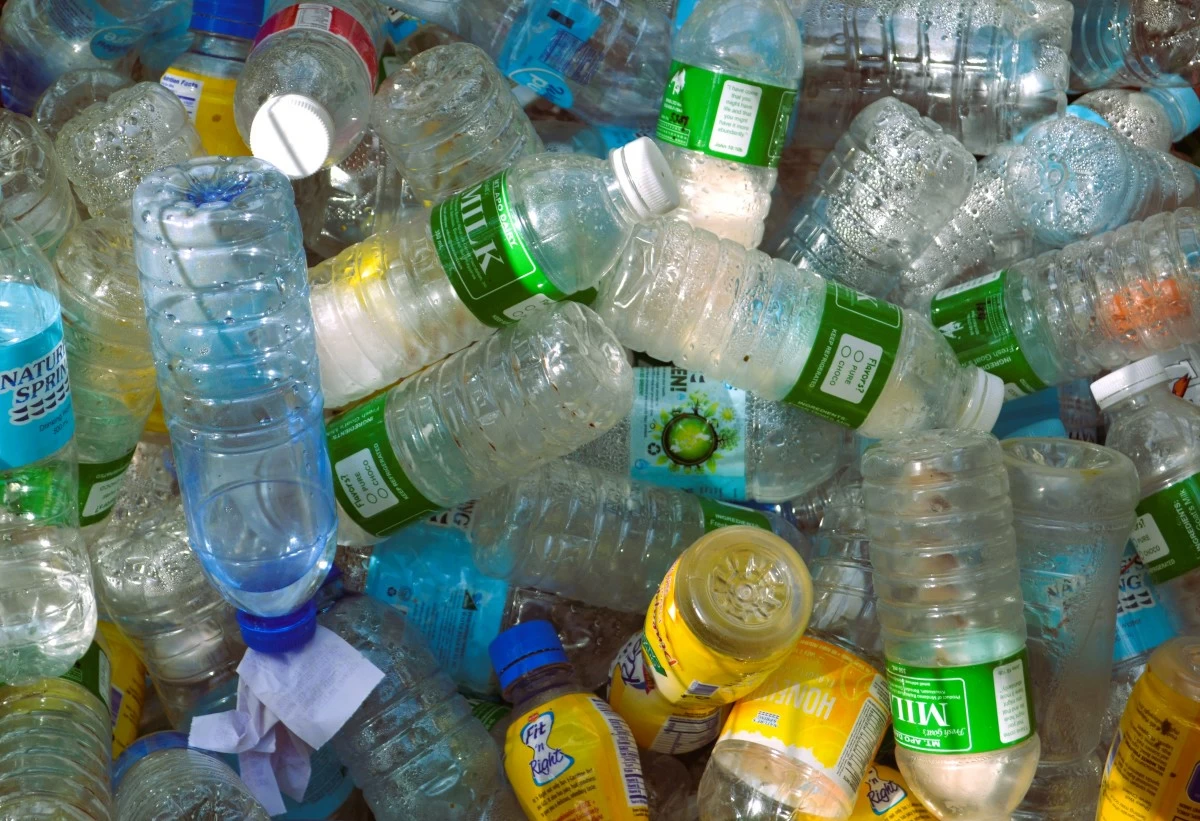
Plastic bottles are a major source of environmental pollution, contributing to ocean contamination, microplastics, greenhouse gas emissions, and long-lasting waste.
“The problem with plastics has been escalating for decades, and the Philippines has been identified as the world’s third-largest contributor of plastics in the ocean,” WWF said. “Plastic pollution has long been a major issue in the country, driven by continuous waste generation and poor waste management.”
“When plastics do break down, they do not biodegrade; instead, they break into smaller pieces, many of which end up in the oceans as microplastics that harm aquatic life and birds,” said David Suzuki, a Canadian environmental activist.
Microplastics, which are invisible to the naked eye, are defined as plastic particles measuring less than 5 millimeters in length, according to the U.S. National Oceanic and Atmospheric Administration and the European Chemicals Agency.
These particles are persistent and hazardous. They result from the degradation of larger plastic items into minuscule fragments that contaminate the ocean, atmosphere, and soil.
Microplastics are already present in the human body, entering through inhaled air and everyday materials such as clothing. Studies indicate that they can penetrate the body through the skin, with about 60 percent of clothing materials containing plastic components.
They also enter the body through food consumption. “Microplastics also enter your body through the plastic packaging found on almost everything in the grocery store,” according to earthday.org. “Almost everything you eat or drink will contain microplastics, though some foods are more contaminated than others.”
Apples and carrots, for instance, may offer health benefits, but are also among the most contaminated produce. “Apples and carrots are the most contaminated fruit and vegetable, respectively, with over 100,000 microplastics per gram,” the website reported.
Fruits and vegetables absorb microplastics through their root systems, allowing these particles to enter seeds, leaves, and edible portions depending on their size.
Even beverages are affected. Beer contains about 28 microplastic particles per liter, exceeding levels found in drinks such as soda, iced tea, and energy drinks, based on earthday.org data.
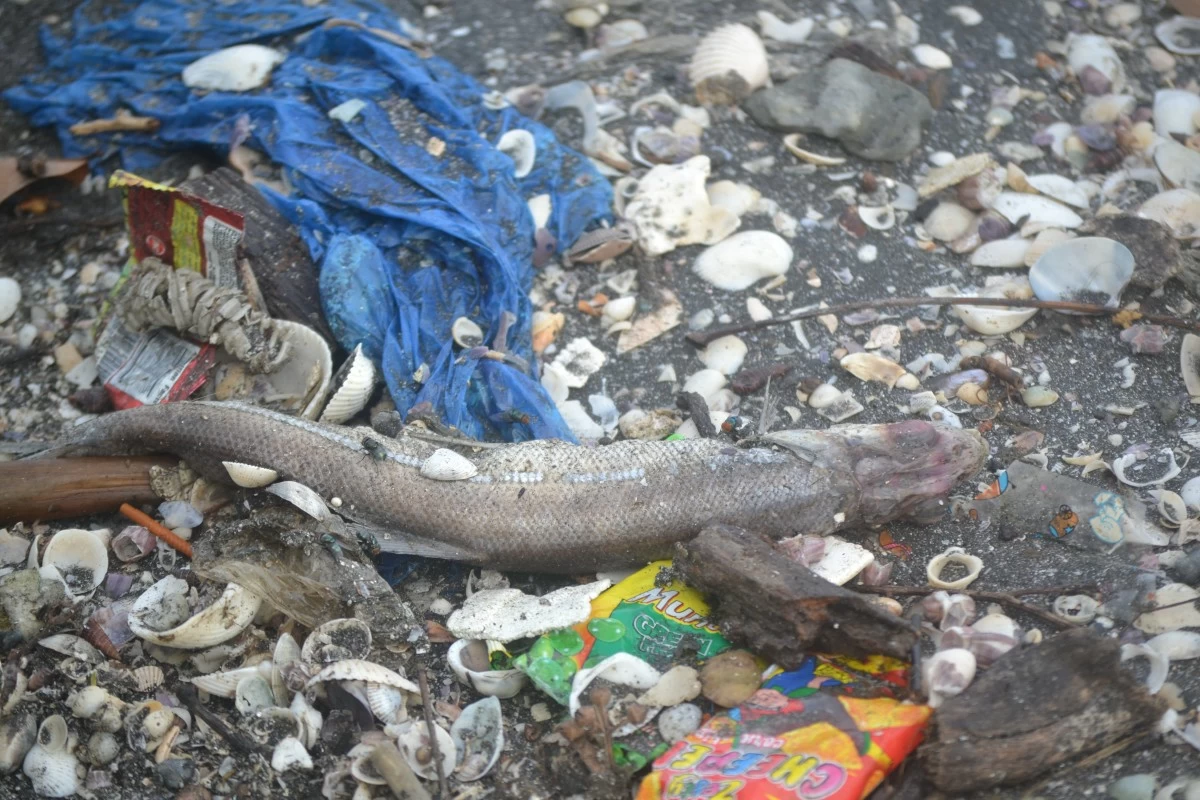
Plastic pollution is devastating our oceans and killing marine creatures.
The scale of the problem is vast. An estimated 24 trillion pieces of microplastics are floating in the ocean. Marine animals often ingest these particles, which then enter the human food chain. “When eating an oceanic creature, you’re also eating all the plastics it has consumed,” the website noted.
Even bangus has been found to contain microplastics. A study conducted in Mindanao extracted 383 particles from 30 samples, with 235 identified as microplastics.
“While microplastics themselves may not be inherently toxic, their chemical nature allows them to attract and accumulate other toxic substances,“ said Marybeth Hope Banda, a member of the research team. “When ingested, these particles may pose potential health risks.”
There is, however, some emerging hope. Recent studies suggest that extracts from tamarind (Tamarindus indica) may remove up to 90 percent of microplastics from water and may also help eliminate them from the human body, according to govtinfohub.com.
Tamarind, widely known for its tangy pulp, contains natural polysaccharides such as tamarind seed gum, which contains xyloglucans. These compounds act as effective adsorbents using electrostatic interactions and hydrogen bonding to capture microplastic particles. Their gel-like properties help encapsulate and aggregate these particles for removal.
Another study found that extracts from okra can remove up to 90 percent of microplastics from ocean water, freshwater, and groundwater. The study was published in the journal ACS Omega.
The viscous compounds responsible for the slimy texture of okra may play a key role in water purification. Researchers found that these natural plant extracts are effective in capturing microplastics, tiny particles that continue to contaminate oceans, rivers, and even drinking water.
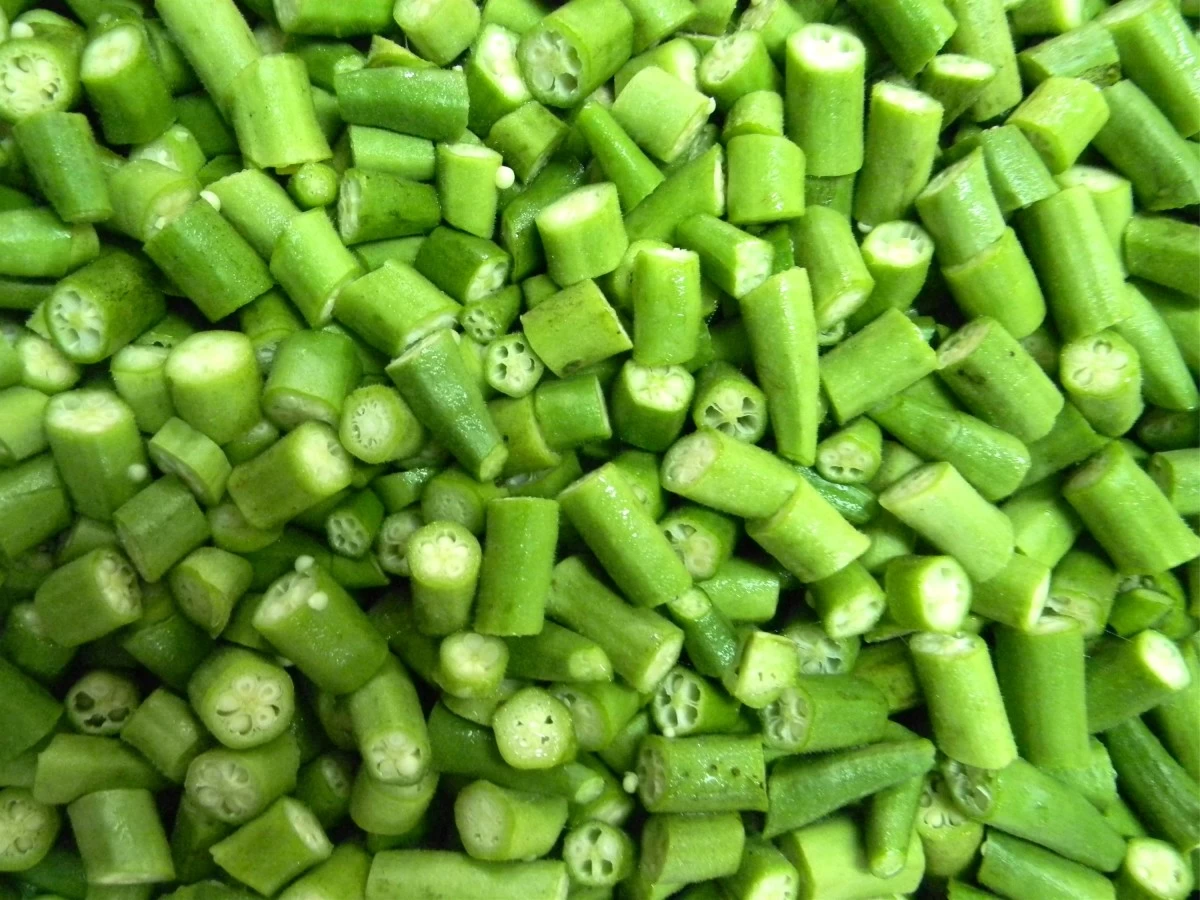
Okra has been found to remove up to 90 percent of microplastics from ocean water, freshwater, and groundwater