






Manila Bulletin
 Business
Trade & Industry
SPC Power earmarks ₱3 billion to fuel shift into battery storage
Business
Trade & Industry
SPC Power earmarks ₱3 billion to fuel shift into battery storage
Business
Trade & Industry
SPC Power earmarks ₱3 billion to fuel shift into battery storage
SPC Power earmarks ₱3 billion to fuel shift into battery storage
Published May 7, 2026 01:48 pm


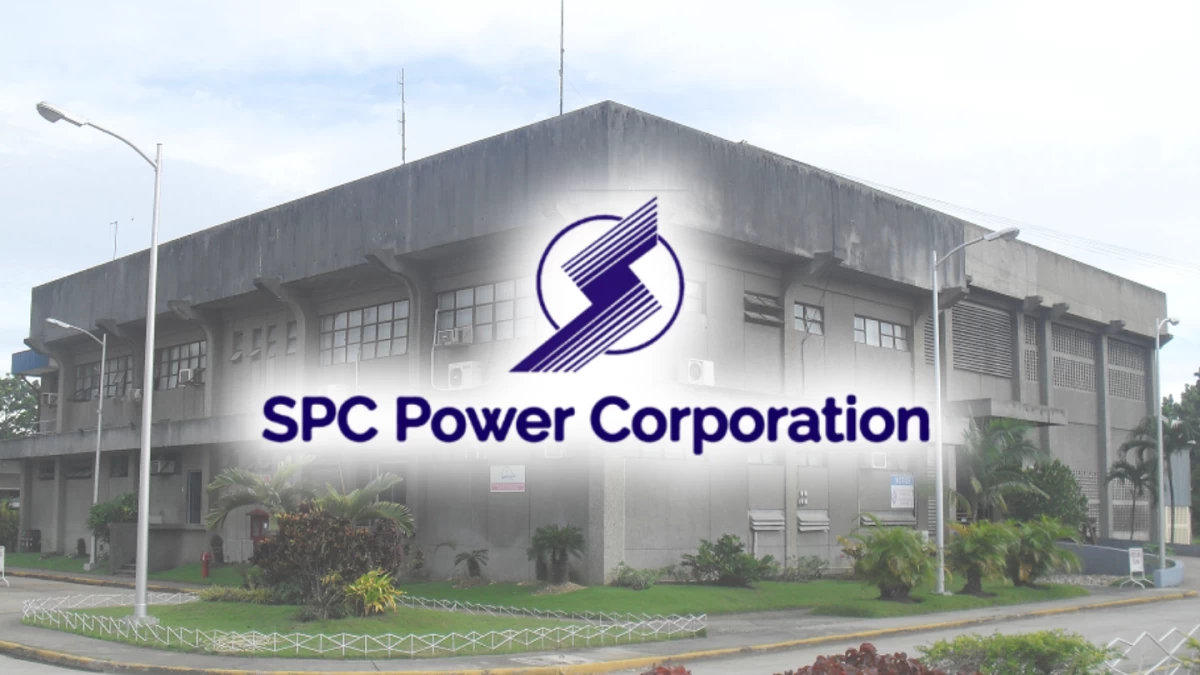
Energy producer SPC Power Corp. is allocating ₱3 billion for capital expenditures to accelerate its shift toward renewable energy and energy storage, targeting the deployment of significant new capacity later this year.
During an annual stockholders’ meeting on Thursday, May 7, James Roy Villareal, SPC Power president and chief executive officer, said the Cebu-based utility plans to bring 160 megawatt-hours of battery energy storage systems (BESS) onto the grid during the second half of 2026.
SPC Power is currently seeking to diversify its portfolio with two BESS projects scheduled for commissioning in the third and fourth quarters.
The company’s green energy roadmap also includes a 100-megawatt solar project, which is slated for commissioning between 2027 and 2028. This expansion comes as SPC Power attempts to balance its traditional generation assets with cleaner technologies.
Villareal also noted that while the firm pushes into new developments, it remains focused on maximizing the performance of its existing power plants to ensure steady supply.
The aggressive investment plan is backed by a record financial performance in 2025. SPC Power reported that its comprehensive income surged 42.3 percent to ₱2.22 billion last year, the first time the company’s earnings have surpassed the ₱2 billion threshold.
Alfredo Henares, SPC Power chairman, attributed the record-breaking results to improved operational discipline despite a backdrop of volatile energy markets and geopolitical tensions that have disrupted global fuel supply chains.
Henares said the company’s overall plant availability reached 96.4 percent last year, a result of optimized maintenance schedules and increased operational efficiency across its fleet.
However, the company’s fossil fuel segments faced moderate headwinds. KSPC Power Corp., the company’s coal-fired subsidiary, reported a decline in plant availability to 87.8 percent.
Villareal acknowledged that the operating environment remains fraught with difficulty, citing Middle East tensions, rising fuel costs, and regulatory shifts as persistent risks.
Market suspensions and potential supply shortages continue to pose challenges to the firm's bottom line.
Despite these pressures, the ₱3 billion capital program signals management’s confidence in navigating high operating costs to secure its position in the Philippines’ evolving power landscape.