






Manila Bulletin
 Philippines
National
Half of Filipino families consider themselves poor, says SWS March 2026 poll
Philippines
National
Half of Filipino families consider themselves poor, says SWS March 2026 poll
Philippines
National
Half of Filipino families consider themselves poor, says SWS March 2026 poll
Half of Filipino families consider themselves poor, says SWS March 2026 poll
Published May 7, 2026 09:37 pm


At A Glance
- The survey found that 6.7 percent were "newly poor," or those who were non-poor one to four years ago; 9.8 percent were "usually poor," or those who were non-poor five or more years ago; and 35.5 percent were "always poor," or those who said they had never experienced being non-poor.
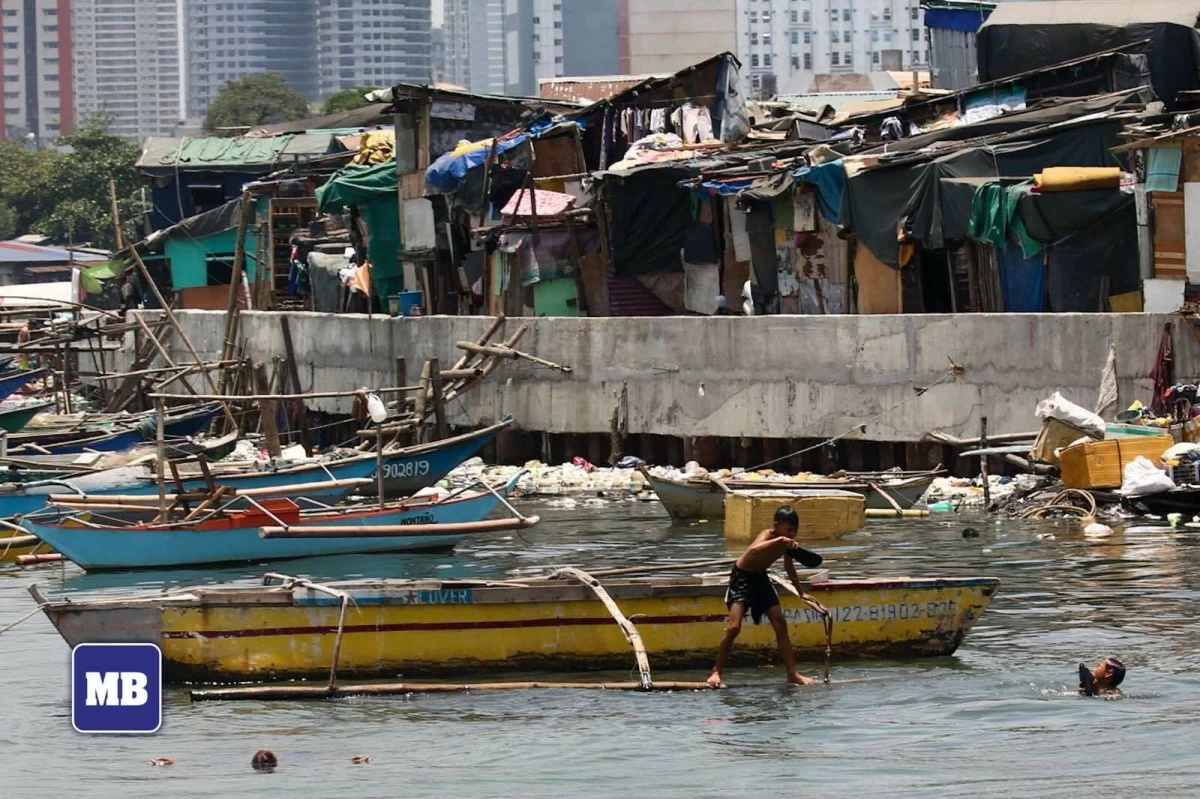
(John Louie Abrina/Manila Bulletin)
A Social Weather Stations (SWS) survey released on Thursday, May 7, found that 52 percent of Filipino families rated themselves as “mahirap” or poor, while 13 percent considered themselves borderline between poor and not poor, and 35 percent said they were “hindi mahirap” or not poor.
Conducted from March 24 to 31 through face-to-face interviews with 1,500 adults nationwide, the survey showed that self-rated poverty remains highest in the Visayas, followed by Mindanao, Balance Luzon, and Metro Manila.
Among those who considered themselves poor, SWS further classified households based on their past experience with poverty: 6.7 percent were “newly poor,” or those who were non-poor one to four years ago; 9.8 percent were “usually poor,” or those who were non-poor five or more years ago; and 35.5 percent were “always poor,” or those who said they had never experienced being non-poor.
Of the estimated 14.5 million self-rated poor families in March 2026, 1.9 million were “newly poor,” 2.7 million were “usually poor,” and 9.9 million were “always poor.”
The 52 percent self-rated poverty level is slightly higher than the 51 percent recorded in November 2025, translating to about 14.5 million families who consider themselves poor.
By region, self-rated poverty was highest in the Visayas at 66 percent, followed by Mindanao at 63 percent, Balance Luzon at 44 percent, and Metro Manila at 42 percent.
Compared with November 2025, self-rated poverty rose by eight percentage points in the Visayas and by five points in Metro Manila, while it slightly declined in Mindanao and remained nearly unchanged in Balance Luzon.
Meanwhile, the proportion of families who considered themselves not poor fell in Metro Manila (from 56 percent to 52 percent), Mindanao (from 24 percent to 20 percent), and the Visayas (from 21 percent to 19 percent), while Balance Luzon showed minimal change (from 46 percent to 45 percent).
The survey also found that the national median self-rated poverty threshold remained at ₱15,000, or the monthly amount families say they need to avoid being considered poor.
SWS said the median poverty gap narrowed from ₱6,000 to ₱5,000.
In Metro Manila, the threshold stayed at ₱20,000 for six consecutive quarters, while the gap remained at ₱10,000.
In Balance Luzon, the gap narrowed from ₱7,000 to ₱5,000.
In the Visayas, both the threshold and gap declined, while in Mindanao, the threshold rose to ₱15,000 and the gap remained unchanged.