






Manila Bulletin
 Philippines
National
4Ps beneficiaries' power consumption too low to cause bill shocks, says DSWD chief
Philippines
National
4Ps beneficiaries' power consumption too low to cause bill shocks, says DSWD chief
Philippines
National
4Ps beneficiaries' power consumption too low to cause bill shocks, says DSWD chief
4Ps beneficiaries' power consumption too low to cause bill shocks, says DSWD chief
Published May 7, 2026 08:01 pm


At A Glance
- DSWD Secretary Rex Gatchalian said 4Ps households consume very little electricity compared to regular residential and commercial consumers. ""Una, fake news si Meralco. Hindi 4Ps ang rason kung bakit lumaki ang pag singil noong April. Yung bill shock na yun nanggaling sa sarili nilang generation. Tumaas ang generation expense nila," he said.
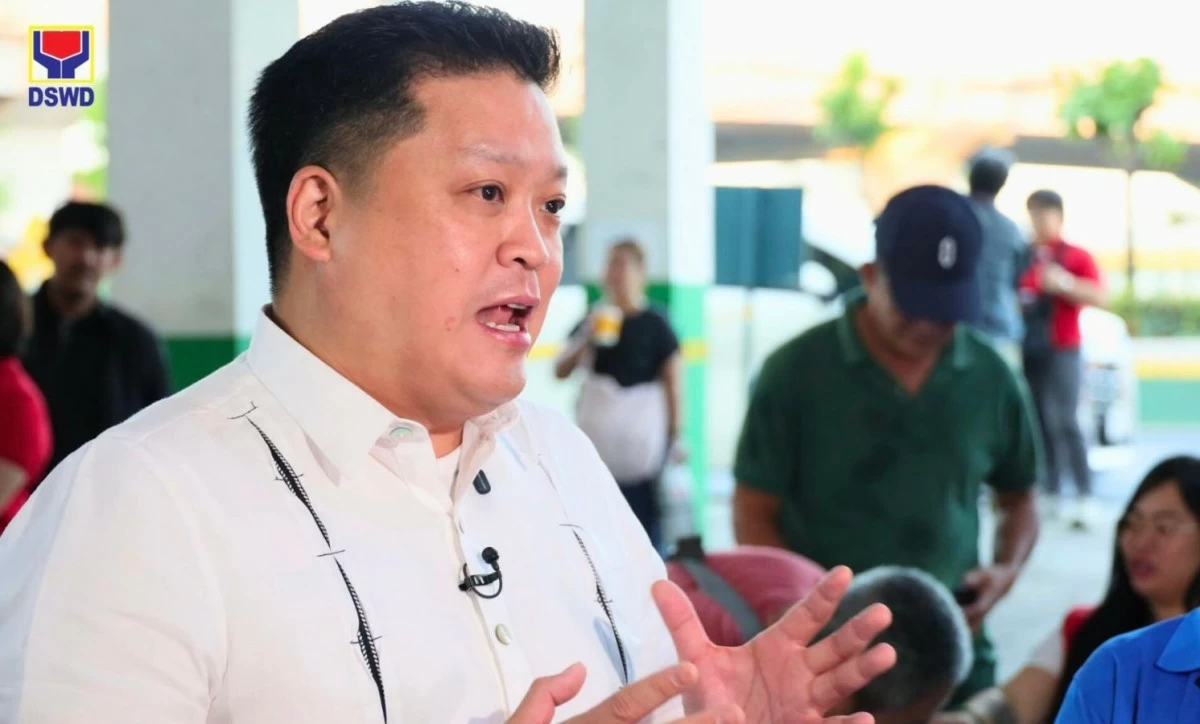
Social Welfare Secretary Rex Gatchalian (DSWD photo)
Department of Social Welfare and Development Secretary Rex Gatchalian defended beneficiaries of the government’s Pantawid Pamilyang Pilipino Program (4Ps) amid criticism linking them to higher electricity bills charged by the Manila Electric Company (Meralco).
Speaking in a television interview on May 6, Gatchalian dismissed claims that 4Ps beneficiaries caused the recent spike in electricity charges.
“Una, fake news si Meralco. Hindi 4Ps ang rason kung bakit lumaki ang pag singil noong April. Yung bill shock na yun nanggaling sa sarili nilang generation. Tumaas ang generation expense nila (First, the claim against 4Ps is fake news. 4Ps beneficiaries are not the reason electricity charges increased in April. That bill shock came from their own generation costs. Their generation expenses went up),” he said.
Gatchalian said 4Ps households consume very little electricity compared to regular residential and commercial consumers.
“Napakaliit lang ng kinukonsumo ng 4Ps. Una, pag sinumatotal mo lahat, ang average niyan, wala pang kalahati ng sentimo ang napupunta sa lifeline rate, P0.40 centavos (4Ps households consume very little electricity. If you total everything, the average amount going to the lifeline rate is less than half a centavo, around P0.40),” he said.
“Ibig sabihin wala pang kalahati ng isang sentimo. Ganun kaliit, kasi nga ang 4Ps halos wala namang appliances sa bahay ‘yan para patakbuhin. To the most isang electric fan at ilang bumbilya. So, hindi sila ang rason kung bakit sumipa ng ganun kalaki (That means it is less than half a centavo. It is that small because most 4Ps households barely have appliances at home to use electricity for—at most, an electric fan and a few light bulbs. So they are not the reason rates increased that much),” he added.
The social welfare department said only 135,411 4Ps households are currently enrolled in the Lifeline Rate Subsidy Program, compared with Meralco’s 8.11 million residential, commercial, and industrial customers.
Gatchalian also expressed support for proposals to revisit the Expanded Lifeline Rate Law, provided additional costs would not be passed on to consumers.
“Sang ayon kami doon sa panukala, maliit lang ito dapat i-absorb na ng Meralco (We agree with that proposal. The amount involved is small and should already be absorbed by Meralco),” he said.
“Parang CSR na nila, yung corporate social responsibility na nila (That should already be part of their corporate social responsibility),” he added.
The DSWD chief also thanked taxpayers, particularly the middle class, for helping fund the government’s social protection programs.
“Nagpapasalamat kami sa middle class natin na patuloy na nag-provide sa pamamagitan ng buwis nila, ng pondo para mapatakbo ang mga programa na ito (We thank our middle class for continuously providing funds through their taxes to keep these programs running),” Gatchalian said.
He said the government remains committed to reducing poverty incidence to single-digit levels by 2028 under the administration of President Ferdinand Marcos Jr.
He added that nearly 12 million students have finished schooling through the 4Ps program, while around 32,000 to 39,000 board passers came from beneficiary families.
“Imagine nyo, million-million pamilya na ang may naproduce na isang graduate kada pamilya (Imagine that — millions of families have already produced at least one college graduate in their household),” he said.
The 4Ps is the national government’s flagship poverty reduction and human capital development program led by the DSWD.
Eligible beneficiaries receive cash grants as long as they comply with conditions related to health, nutrition, and education.