







What sustainability looks like on the ground
From biomass boilers to steam flowmeters, Nestlé Philippines is proving that net-zero is built through quiet, technical evolution.
Published May 6, 2026 08:30 pm


In Laguna, one of the country’s key industrial hubs, progress is often reflected not in announcements, but in how systems quietly evolve. At Nestlé Philippines' Cabuyao plant, that evolution is now taking shape through the inauguration of a biomass boiler facility, part of its continued journey toward net-zero emissions by 2050.
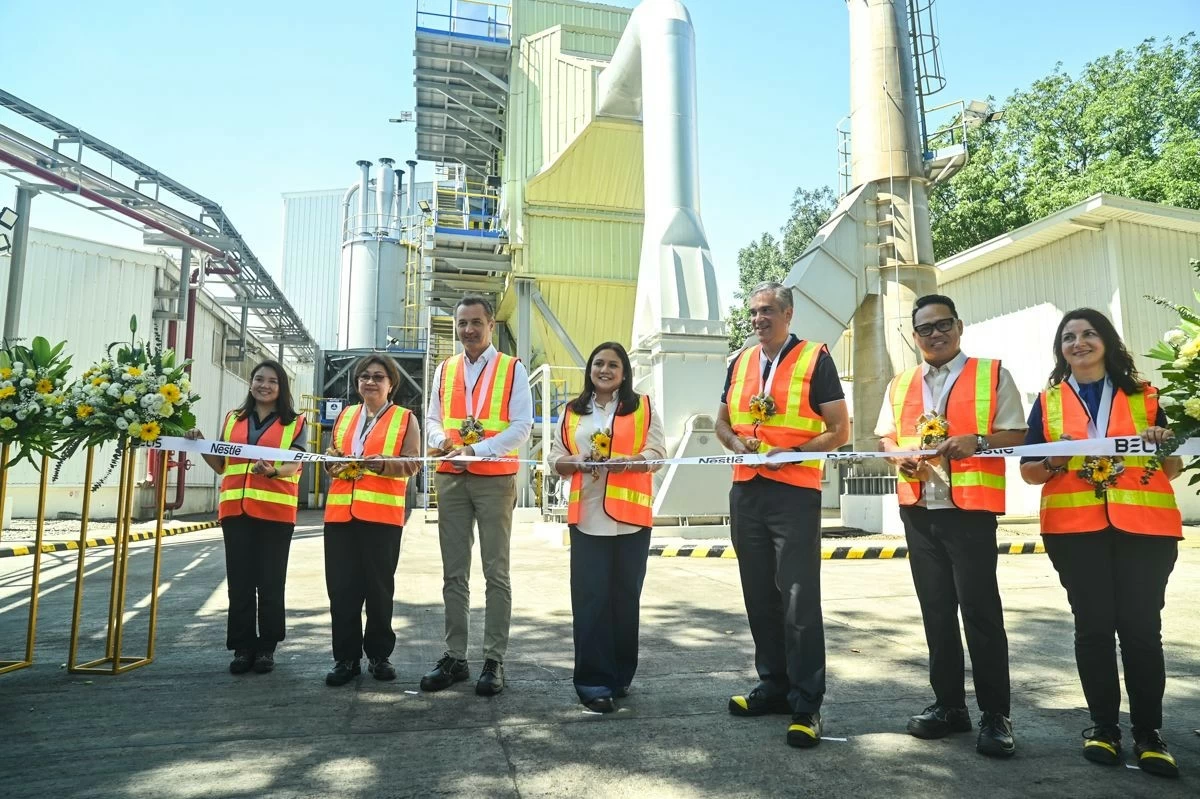
A milestone moment: leaders from Nestlé Philippines, BECIS, and government partners mark the inauguration of a biomass boiler facility designed to support lower-emission manufacturing. (L-R) Jacqueline Caancan, assistant secretary of the Department of Environment and Natural Resources (DENR); Eren Ergin, chief executive officer of Berkeley Energy Commercial Industrial Solutions (BECIS); Sen. Camille Villar; Mauricio Alarcón, chief executive officer of Nestlé Philippines; and Mayor Dennis Hain of Cabuyao City, Laguna.
That journey began six years ago, when the company first declared its local net-zero commitments. The latest development marks another step forward, focused on one of its most energy-intensive production processes.
During the event, many ideas were shared, but three words stood out: sustainability, change, and collaboration.
“Sustainability” is a term that has become increasingly common, sometimes used so often that it risks becoming abstract. On the ground, however, it feels more tangible, less about a single solution, and more about a system built over time.
For years, conversations around sustainability have often centered on a linear model: take, make, dispose. It is something that has been written and discussed for nearly eight years. So it is encouraging to see more companies like Nestle Philippines actively shifting toward a circular economy, where materials are reused, repurposed, and kept in circulation for as long as possible.
The biomass boiler is one example of that shift. It runs on agricultural waste, helping power the spray-drying process used in milk production, which is one of the most energy-intensive stages in manufacturing. By turning agricultural by-products into energy, the facility reduces emissions while making more efficient use of available resources.
It is a reminder that sustainability does not have to be perfect. It is, in many ways, a continuous effort built through improvements that evolve.
This approach also aligns with a broader national direction. Through policies such as the Renewable Energy Act of 2008, the Philippines continues to strengthen the role of renewable energy across industries. What is happening inside facilities like this shows how those policies translate into actual operations, especially when supported by long-term partnerships.
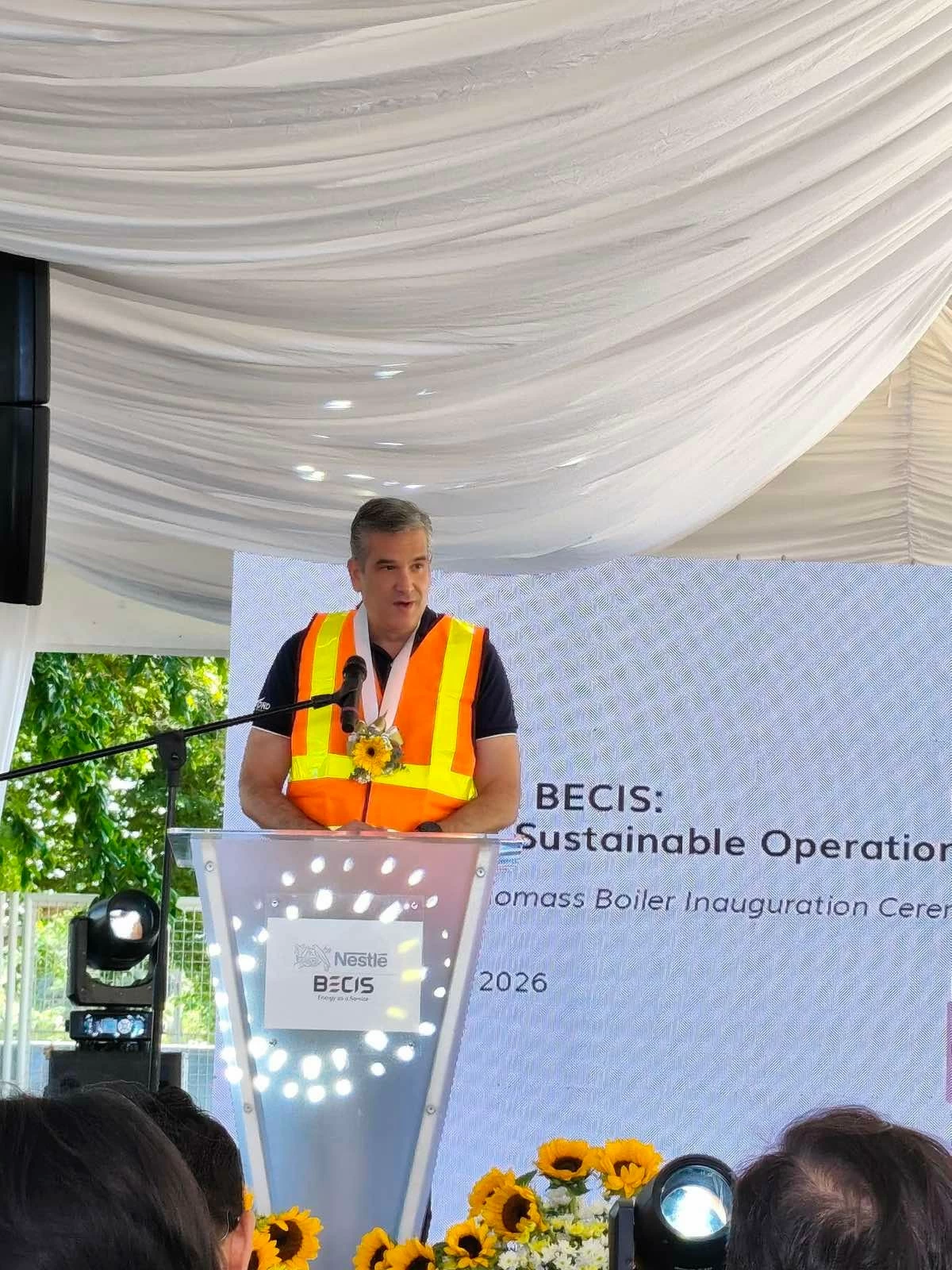
Mauricio Alarcon, CEO of Nestle Philippines
As Nestle Philippines CEO Mauricio Alarcon emphasized during the inauguration, sustainability is not positioned as a standalone initiative. “Let me be clear—for Nestlé Philippines, sustainability is not just an environmental commitment; it is a business imperative.” He also underscored that partnerships—between the national government, local government, and BECIS—demonstrate how ambition, when matched with action, can create real change.
This is where partners like BECIS (Berkeley Energy Commercial Industrial Solutions) come in. As an energy-as-a-service provider, the company develops, builds, and manages energy systems for industrial facilities, helping organizations transition to more efficient, lower-emission operations without adding complexity to day-to-day production.
The event was also attended by Eren Ergin and the BECIS team, who shared a short but meaningful presentation on how their solutions address some of the more complex challenges of sustainability. It offered a glimpse into how technical expertise and long-term system design can help bridge the gap between ambition and execution.
Still, beyond the scale of the facility, what often goes unnoticed are the smaller systems that make it work. It was during a conversation over refreshments that the discussion shifted— from the scale of the biomass facility to the technical details behind it.
Speaking with an engineer from BECIS, one detail stood out: the role of flowmeters in monitoring steam within the system.
It’s a highly technical component, but an essential one. Flowmeters measure how steam (or water) moves through the process, providing the data needed to monitor efficiency, maintain consistency, and identify areas for improvement. Without that level of visibility, managing energy use becomes far less precise.
In this facility, a steam flowmeter is used, designed to withstand high temperatures and operate over long periods. These instruments are built for durability and can be maintained or refurbished rather than replaced entirely.
It may seem like a small detail, but it reflects a larger idea: sustainability is not only about switching to alternative energy. It is also about building systems that are measurable, reliable, and designed to last.
In manufacturing environments such as milk production, that level of control supports consistency and quality, an important factor as local production continues to evolve alongside global standards. Projects like the biomass boiler facility also highlight the role of collaboration.
From engineering and operations to policy frameworks and local sourcing, initiatives of this scale depend on multiple stakeholders working together. It reinforces a point echoed throughout the event: meaningful change does not happen in isolation.
For Nestlé Philippines—a long-standing presence in Filipino households—the shift is not only about what is produced, but how production itself is being redefined.
Across its operations, the company has integrated renewable electricity sourced from hydroelectric and geothermal energy into its manufacturing sites, offices, and distribution centers. These efforts form part of a broader strategy to reduce emissions across the value chain.
And perhaps that is where the real shift happens: not in a single facility or milestone, but in how systems are designed, how partnerships are built, and how organizations continue to adapt. In the end, the most resilient are those who can adapt to change. And in sustainability, change is not only constant; it is inevitable.
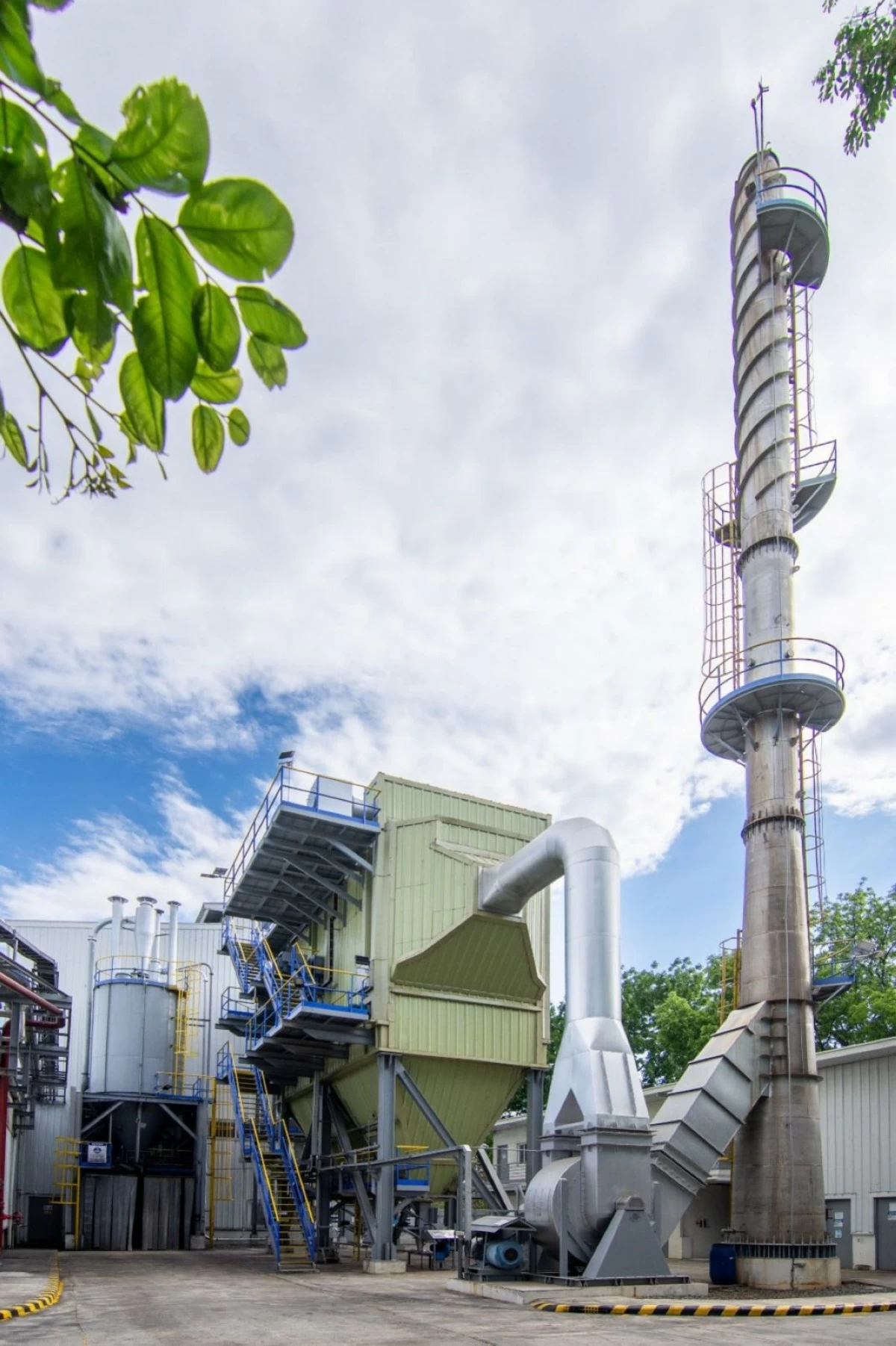
Nestle biomass facility in Cabuyao