






 Entertainment
Music and Concerts
From 'sleepy disco' to budding anthems: Int'l acts sound off at 'All Of The Noise'
Entertainment
Music and Concerts
From 'sleepy disco' to budding anthems: Int'l acts sound off at 'All Of The Noise'
From 'sleepy disco' to budding anthems: Int'l acts sound off at 'All Of The Noise'


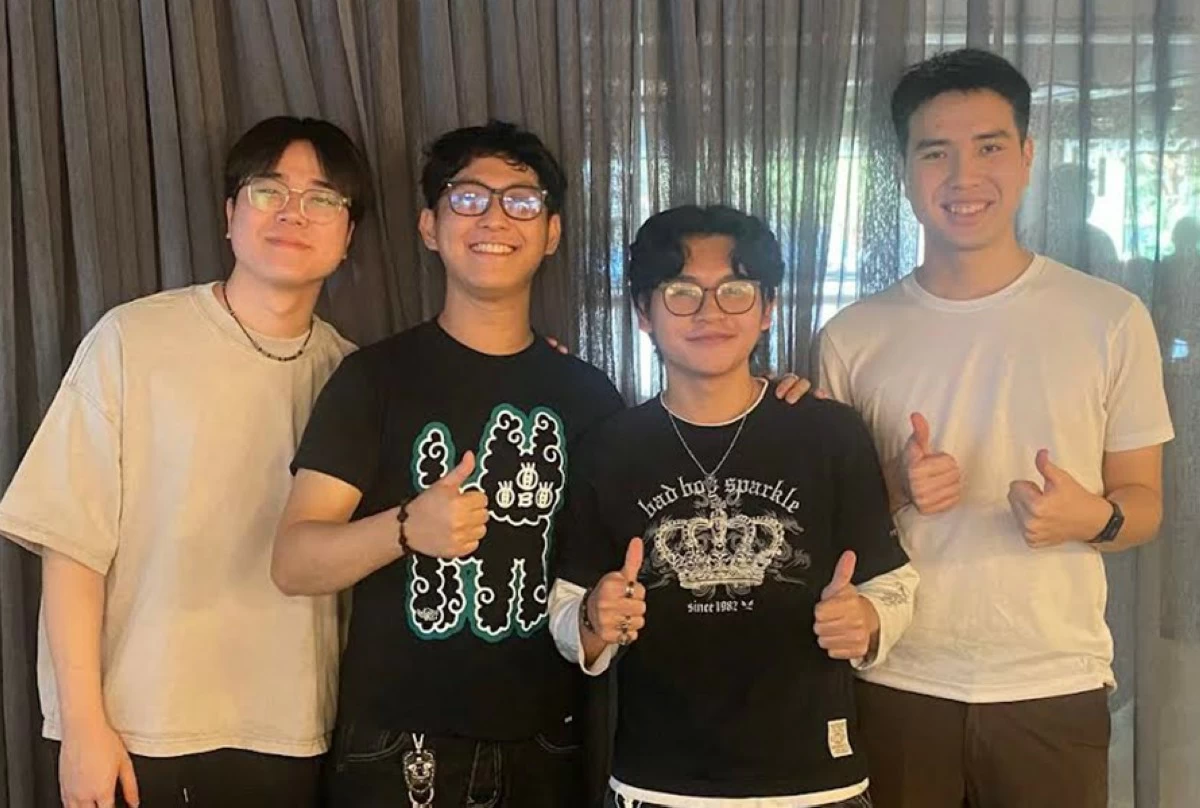
Over the course of three humid, genre-hopping days, “All of The Noise,” organized by The Rest Is Noise, pulled off something ambitious: importing a cross-section of international indie, pop, and experimental artists and dropping them straight into the deep end of Manila’s music scene.
Among the lineup were Taiwan’s Our Shame, Indonesia’s Arash Buana, Singapore’s PINES and Shye, Taiwan’s HengJones and New Zealand-based Phoebe Rings.
Arash is an Indonesian singer-songwriter known for emotionally driven pop with subtle alternative textures; music that leans into feeling without necessarily announcing it.
PINES operates somewhere in the alternative rock spectrum, pulling from emo, hardcore, and pop-punk influences to create something deliberately hard to pin down.
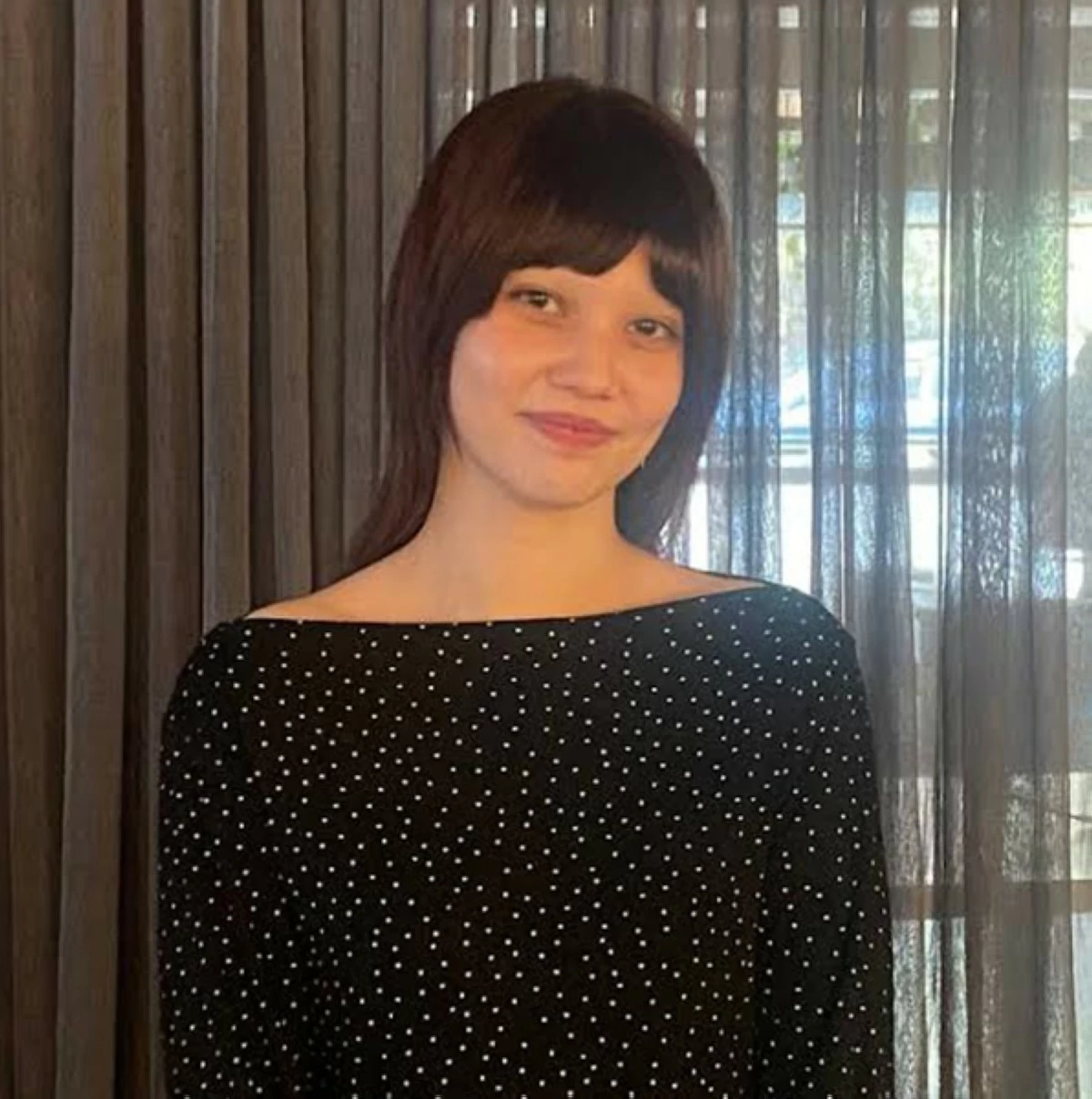
Shye crafts dreamy, introspective songs that hovers between soft rock and bedroom pop, often defined by atmosphere as much as melody.
HengJones blends Taiwanese indigenous sounds with hip-hop, creating a style rooted in identity and cultural storytelling.
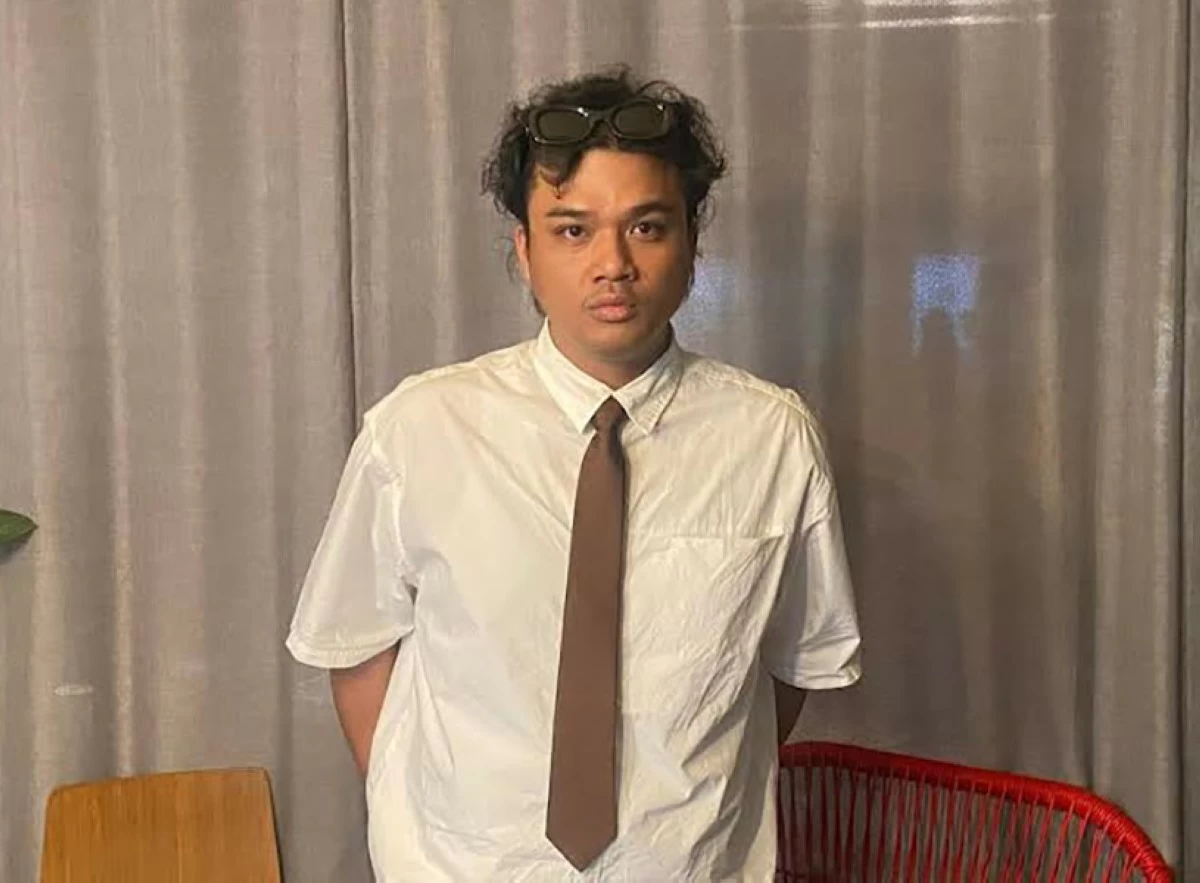
Phoebe Rings, meanwhile, specializes in what could only be described (with surprising accuracy) as “sleepy disco”, which is a hybrid of dream pop textures and groove-forward arrangements.
Now, onto the actual conversations which, fittingly, all began with the same deceptively simple question: What do you sound like? (a question that musicians famously tolerated, in the same way people tolerated being asked to define their entire personality in one sentence).
Arash answered with careful clarity: emotional melodies, light instrumentation, mostly pop with “some alternative touch into it.”
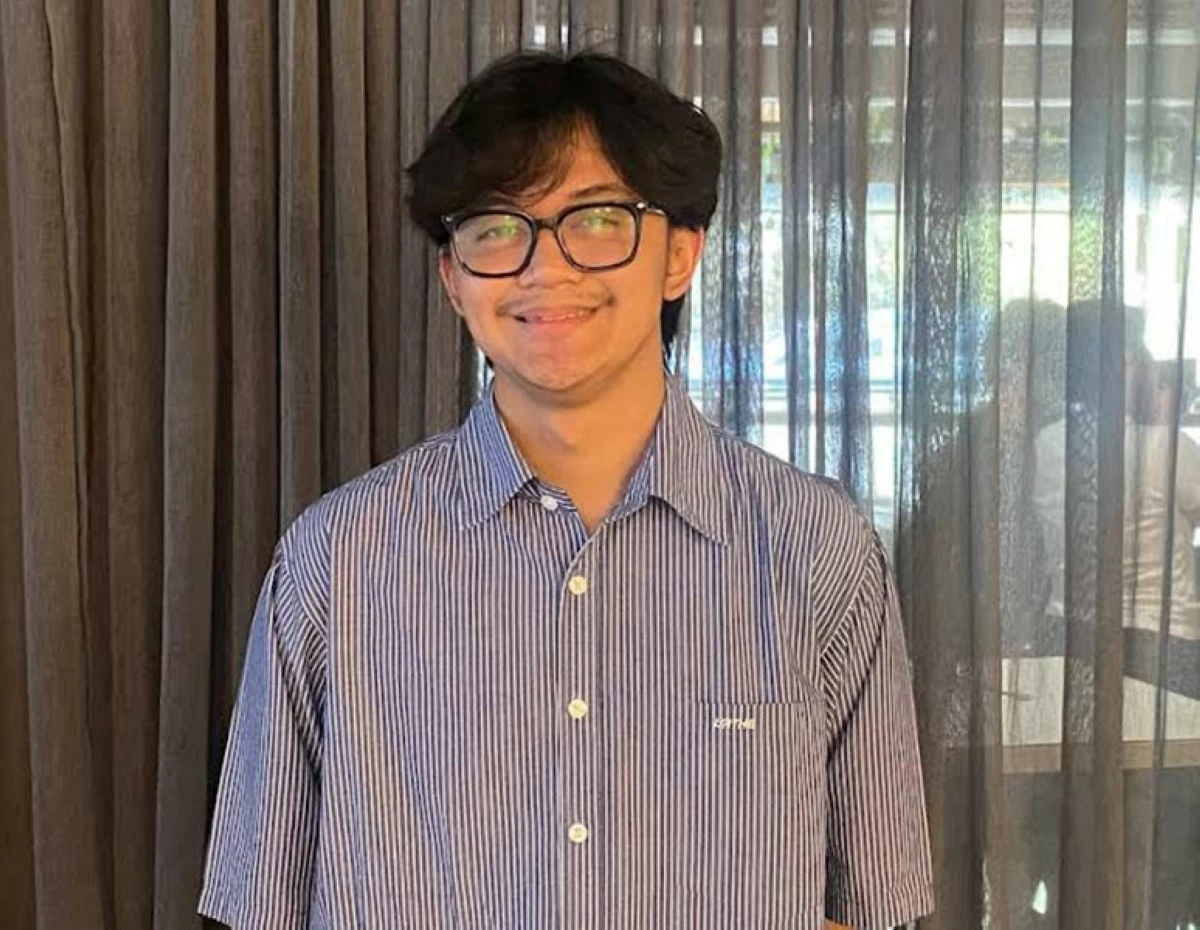
It was a neat summary, but what stood out more was his reaction to the Philippines itself. It was his first time in the country, and he noted the familiarity; the atmosphere not so different from Indonesia (which made sense geographically, but still felt like a small reassurance in the middle of a new scene).
He also casually name-dropped connections with Filipino artists like Janine Teñoso and One Click Straight; a reminder that these “international” circuits were often smaller and more interconnected than they appeared.
PINES, on the other hand, approached the same question like a band that had collectively decided definitions were optional. Their sound, they said, was “something familiar, but you can’t put your finger on it”, which sounded vague until they started listing influences ranging from Origami Angel to Turnstile. The goal, they explained, was recognizability without predictability: music that felt distinct even when you couldn’t quite explain why. (They also admitted their songs were “constantly moving and changing,” which functioned equally as a mission statement and a warning, depending on one’s tolerance for structural surprise.)
Their impressions of Manila were similarly layered: familiar weather, excellent food, and a city that felt both massive and strangely like home. “A home not too far,” as they put it.
Shye’s description was more precise: dream pop and soft rock, “like the music that you listen to while you’re looking out the window on a bus ride.” It was the kind of image that immediately did the work for her; no genre breakdown required. Returning to the Philippines with entirely new material after her 2024 ASIYA Music Festival performance, she framed the performance as a reset of sorts, a chance to reintroduce herself. There was also a quiet emphasis on connection: friendships with Filipino artists, a sense of being welcomed, and an anticipation that had already played out during the festival for acts like One Click Straight and SOS.
HengJones offered perhaps the most direct cultural framing: Taiwanese indigenous hip-hop, described as powerful but not aggressive; music that carried passion without leaning on intensity. His experience of the Philippines was filtered through contrast: the heat, the street life, the variety of sounds across different stages. He had expressed curiosity about collaborating across cultures, hinting at future possibilities that extended beyond the festival itself.
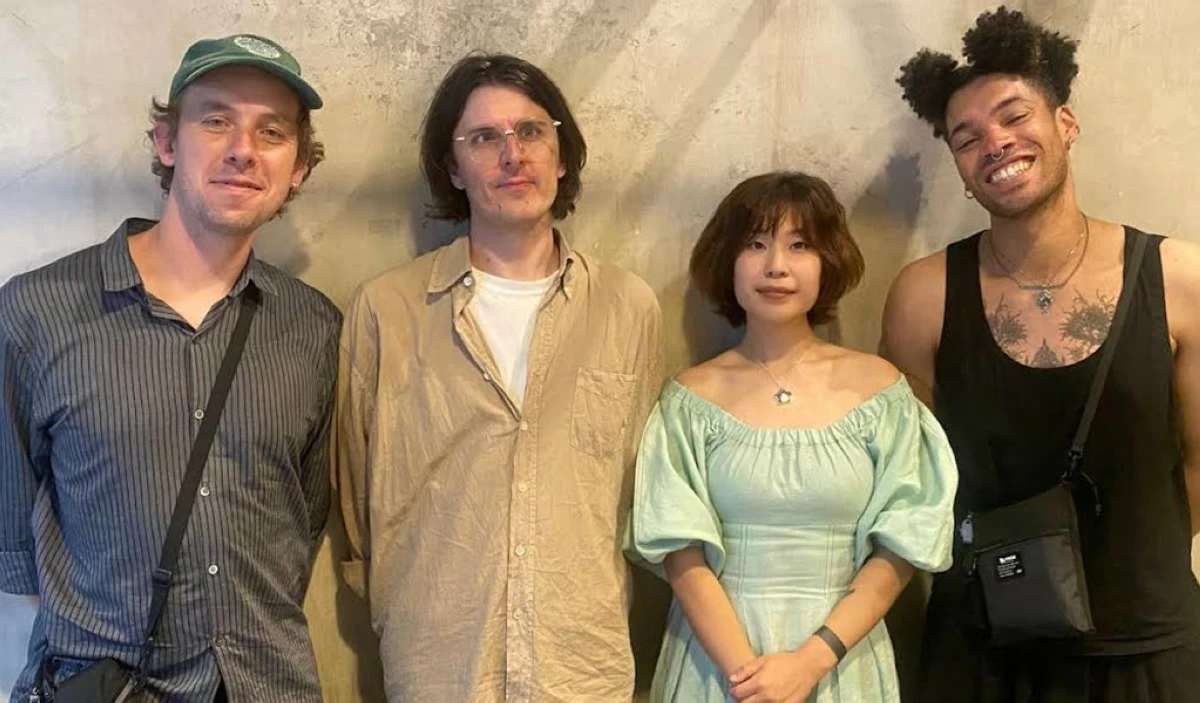
Phoebe Rings plays “sleepy disco” as they explained, borrowing from a message they had once received online; a phrase that somehow captured their entire aesthetic more effectively than any formal description. Dreamy, ethereal, but with rhythm. Their approach to the Philippines had been refreshingly open-ended: they had come to experience everything, discover new acts, and embrace the unpredictability of the lineup. When asked which track new listeners should start with, they pointed to “Asurai”, a song that moved between dreamy and disco elements, effectively acting as a condensed version of their sound.
Across all these conversations, a pattern emerged: no one was entirely comfortable defining themselves in strict terms. Instead, what emerged were approximations, metaphors, and occasional contradictions; artists describing not just what they sounded like, but how they had wanted to be experienced during a festival that had already concluded, but still lingered in memory like feedback after a set. (Ian Ureta)