






Manila Bulletin
 Philippines
National
Exercise Balikatan: PH, Japan defense chiefs witness first maritime strike drill in Ilocos Norte
Philippines
National
Exercise Balikatan: PH, Japan defense chiefs witness first maritime strike drill in Ilocos Norte
Philippines
National
Exercise Balikatan: PH, Japan defense chiefs witness first maritime strike drill in Ilocos Norte
Exercise Balikatan: PH, Japan defense chiefs witness first maritime strike drill in Ilocos Norte
Published May 6, 2026 04:53 pm


At A Glance
- The Philippines and Japan conducted a live-fire maritime strike drill on May 6 in Paoay, Ilocos Norte, as part of the 41st Exercise Balikatan.
- The event marked Japan's first deployment of its Type 88 anti-ship missile system on Philippine soil.
- Forces from the Armed Forces of the Philippines, United States, Australia, and Japan participated, successfully striking and sinking the decommissioned Philippine Navy ship BRP Quezon (PS-20).
- DND Secretary Gilberto C. Teodoro Jr. and Japan Minister of Defense Shinjiro Koizumi highlighted the growing military cooperation, enabled by the Reciprocal Access Agreement, which has expanded Japan's participation significantly.
- Both defense chiefs said the exercise underscored strengthened multilateral defense ties and aims to enhance deterrence and regional security amid rising tensions in the East and South China Seas.
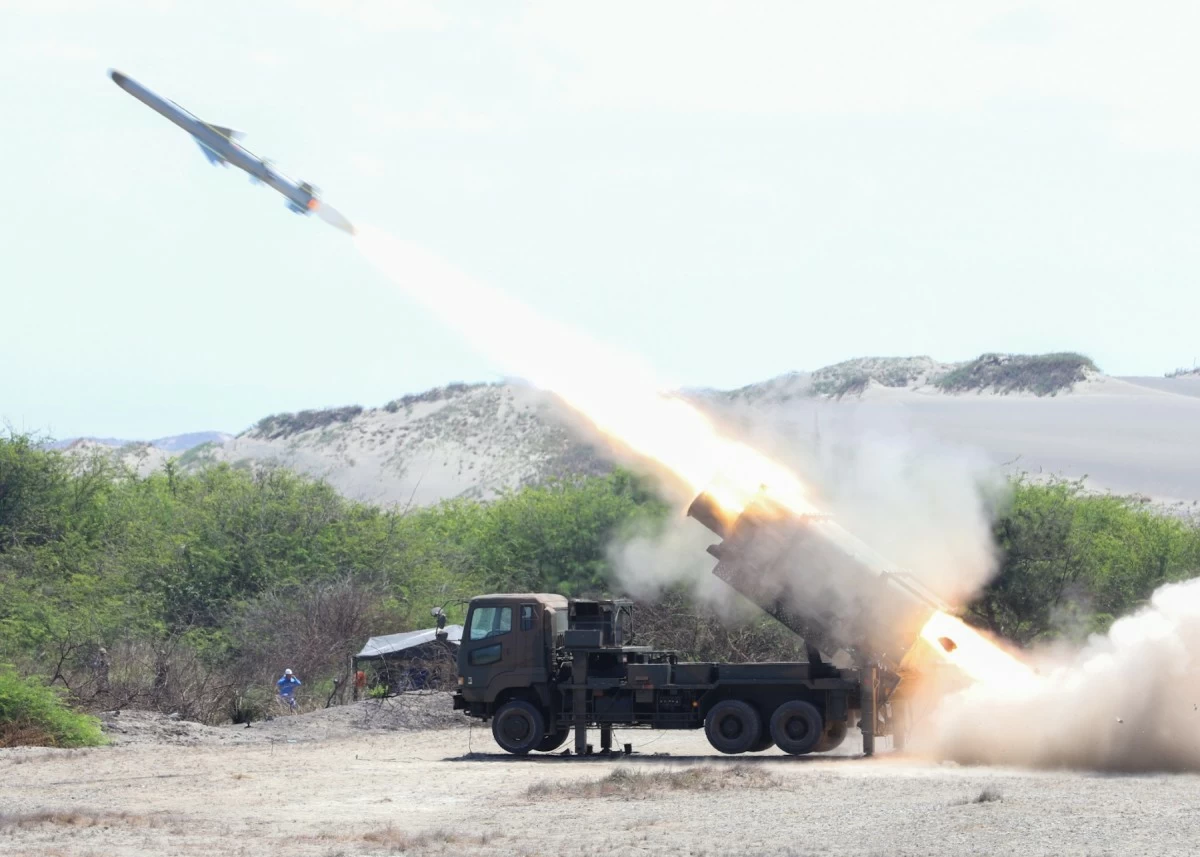
The Japan Self-Defense Force fires its Type 88 surface-to-ship missile system during a maritime strike drill as part of Exercise Balikatan at the Paoay Sand Dunes in Ilocos Norte on May 6, 2026. The event was witnessed by Department of National Defense (DND) Secretary Gilberto Teodoro Jr. and Japan Minister of Defense Shinjiro Koizumi. (Photo: Department of National Defense)
Department of National Defense (DND) Secretary Gilberto C. Teodoro Jr. and Japan Minister of Defense Shinjiro Koizumi on Wednesday, May 6, witnessed a live-fire maritime strike drill in Paoay, Ilocos Norte which marked Tokyo’s first deployment of its shore-based anti-ship missile system on Philippine soil.
The exercise formed part of the 41st iteration of the Exercise Balikatan which featured the launching of Japan’s Type 88 surface-to-ship missile system, a hardware specifically designed to defend coastal areas and deter maritime threats, at the Paoay Sand Dunes.
Troops from the Armed Forces of the Philippines, United States, Australia, and Japan took part in the exercise that highlighted strong multilateral cooperation in promoting regional security and stability.
The primary objective was the decommissioned Philippine Navy warship, BRP Quezon (PS-20), where combined forces deployed various missile systems and aerial assets to hit and sink the vessel off the coast of northwest Paoay.
The missile launch was part of a larger maritime strike exercise coordinated from Camp Aguinaldo in Quezon City which was monitored by President Ferdinand R. Marcos Jr. and Philippine Army Chief Lt. Gen. Antonio G. Nafarrete from the headquarters of the Armed Forces of the Philippines (AFP).
“I’m very, very proud and happy that we were able to pull this off for the first time and it will only get larger in scope with more partners,” Teodoro said.
“I have to thank the President for his steadfast leadership of making sure that our resilience efforts are going on unhampered, and his strong leadership has propelled us to converge and to interoperate and build deterrence for shared threats,” the Defense Secretary added.
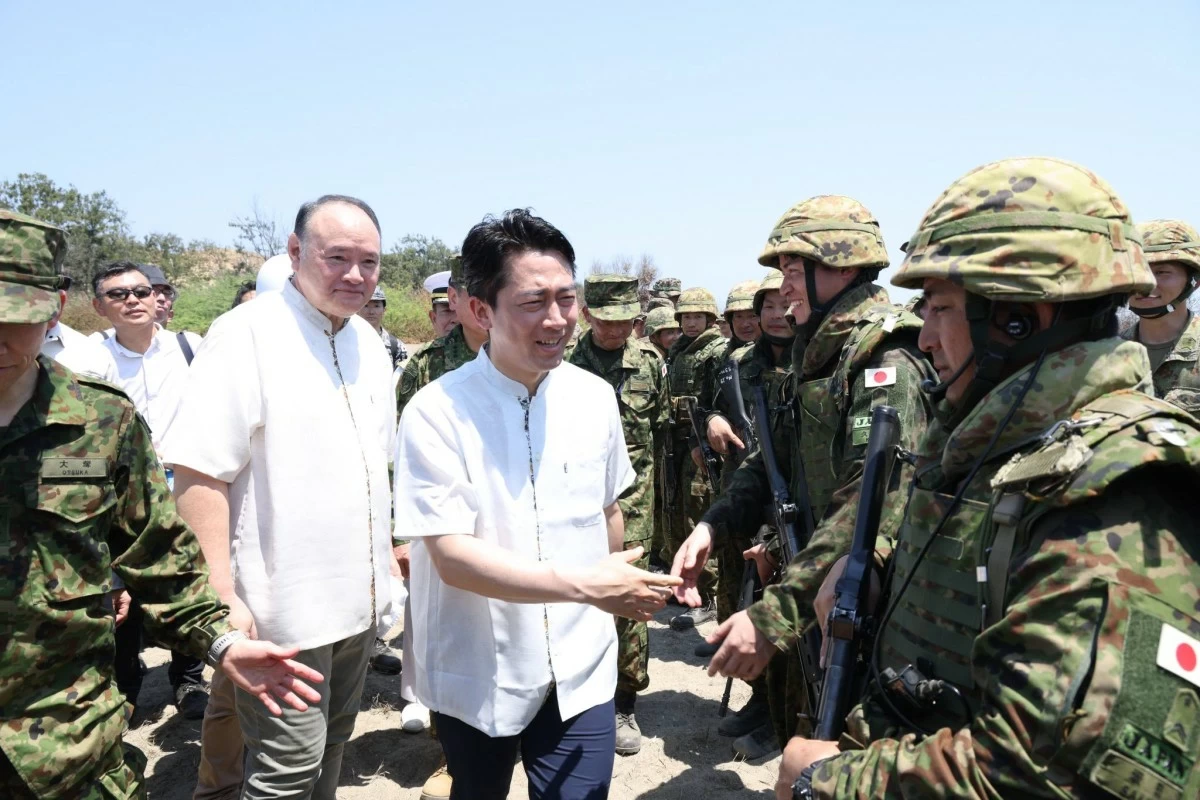
The Japan Self-Defense Force fires its Type 88 surface-to-ship missile system during a maritime strike drill as part of Exercise Balikatan at the Paoay Sand Dunes in Ilocos Norte on May 6, 2026. The event was witnessed by Department of National Defense (DND) Secretary Gilberto Teodoro Jr. and Japan Minister of Defense Shinjiro Koizumi. (Photo: Department of National Defense)
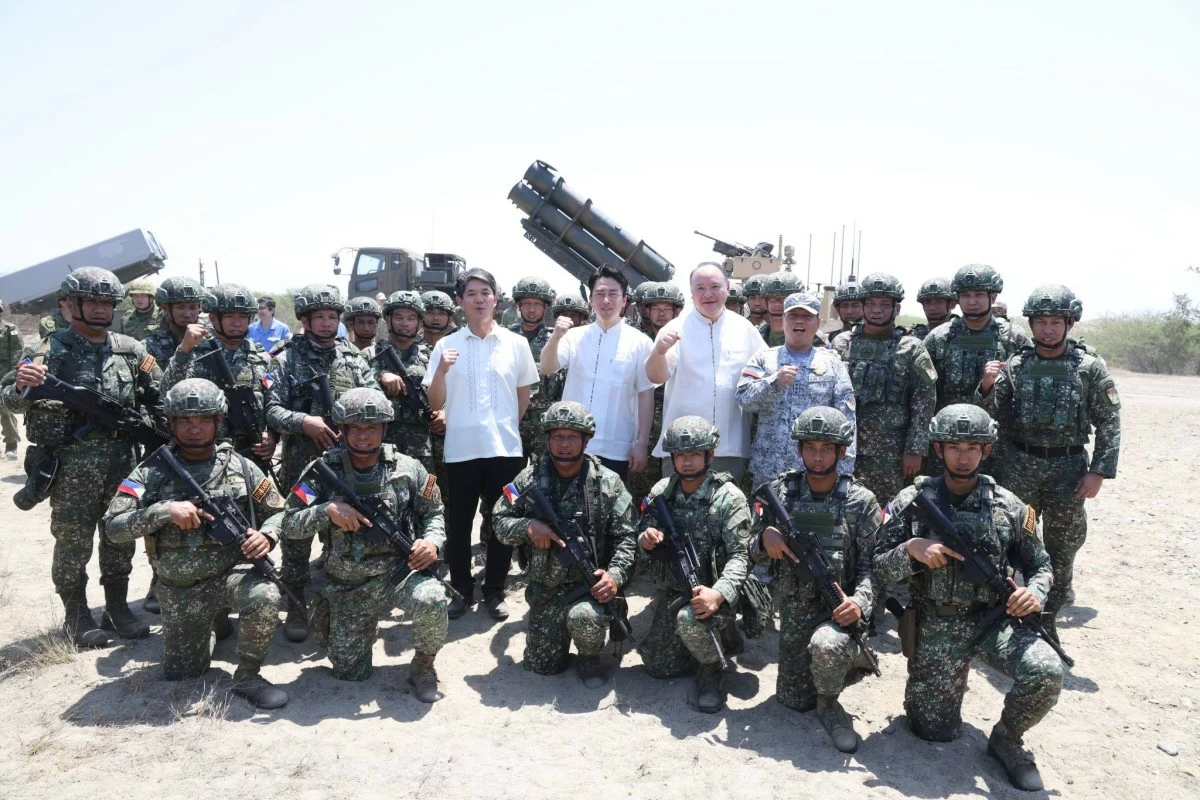
The Japan Self-Defense Force fires its Type 88 surface-to-ship missile system during a maritime strike drill as part of Exercise Balikatan at the Paoay Sand Dunes in Ilocos Norte on May 6, 2026. The event was witnessed by Department of National Defense (DND) Secretary Gilberto Teodoro Jr. and Japan Minister of Defense Shinjiro Koizumi. (Photo: Department of National Defense)
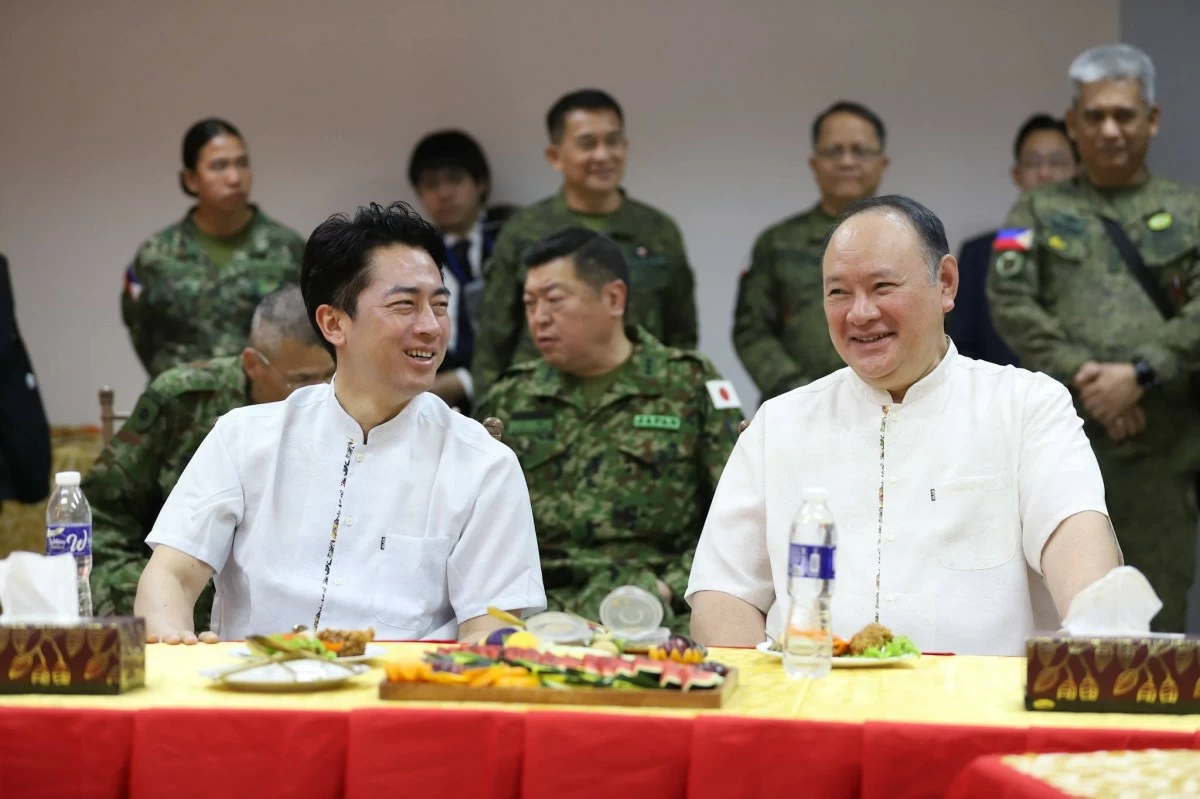
The Japan Self-Defense Force fires its Type 88 surface-to-ship missile system during a maritime strike drill as part of Exercise Balikatan at the Paoay Sand Dunes in Ilocos Norte on May 6, 2026. The event was witnessed by Department of National Defense (DND) Secretary Gilberto Teodoro Jr. and Japan Minister of Defense Shinjiro Koizumi. (Photo: Department of National Defense)
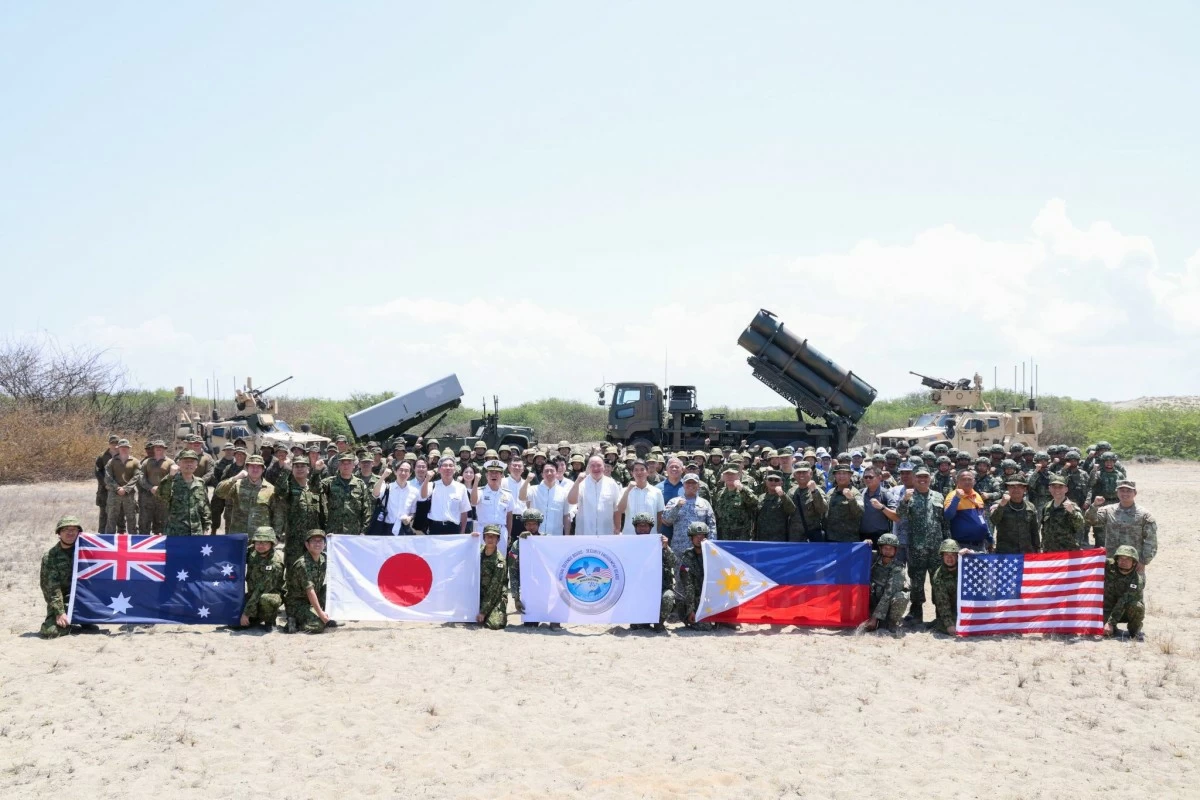
The Japan Self-Defense Force fires its Type 88 surface-to-ship missile system during a maritime strike drill as part of Exercise Balikatan at the Paoay Sand Dunes in Ilocos Norte on May 6, 2026. The event was witnessed by Department of National Defense (DND) Secretary Gilberto Teodoro Jr. and Japan Minister of Defense Shinjiro Koizumi. (Photo: Department of National Defense)
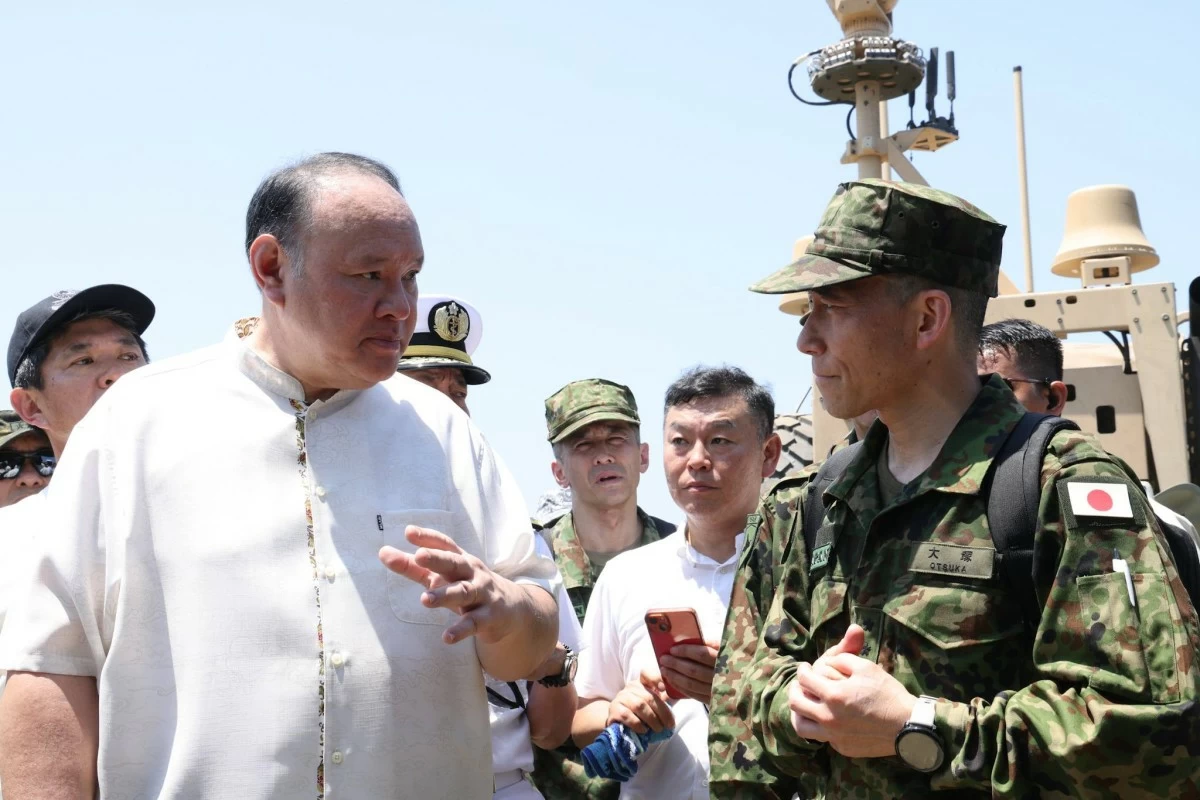
The Japan Self-Defense Force fires its Type 88 surface-to-ship missile system during a maritime strike drill as part of Exercise Balikatan at the Paoay Sand Dunes in Ilocos Norte on May 6, 2026. The event was witnessed by Department of National Defense (DND) Secretary Gilberto Teodoro Jr. and Japan Minister of Defense Shinjiro Koizumi. (Photo: Department of National Defense)
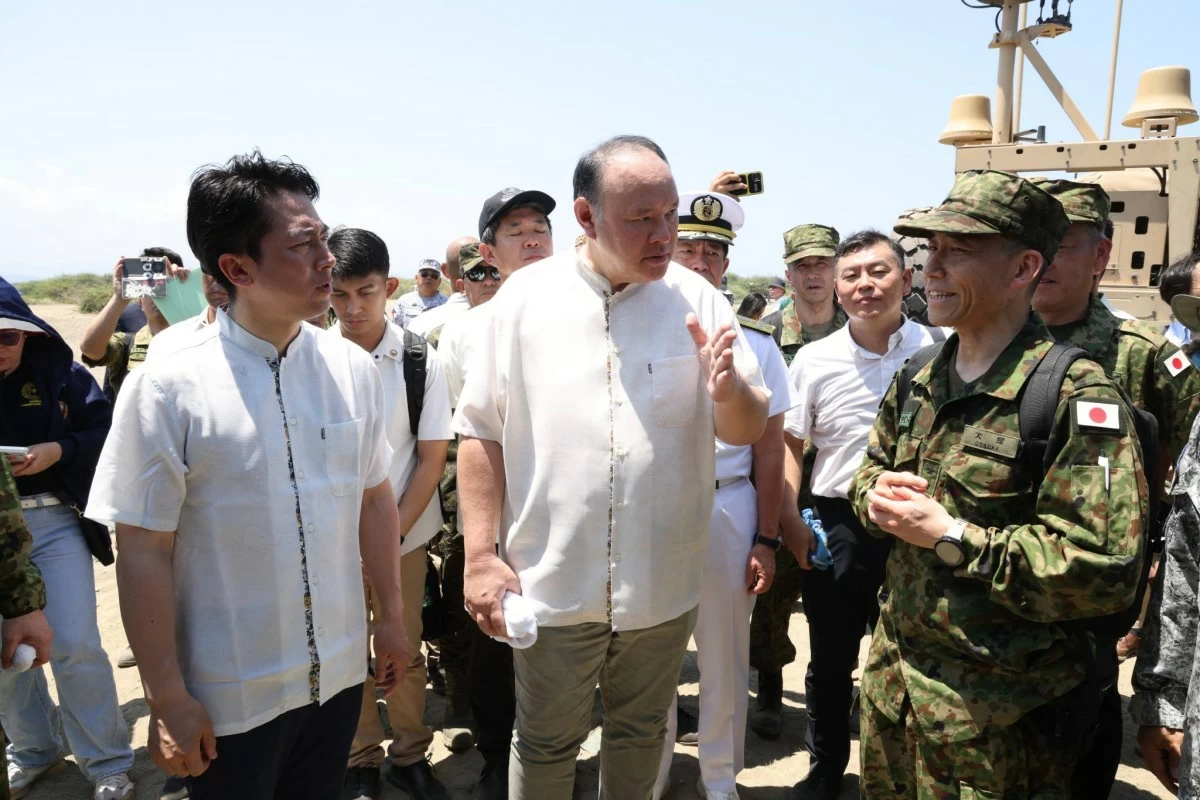
The Japan Self-Defense Force fires its Type 88 surface-to-ship missile system during a maritime strike drill as part of Exercise Balikatan at the Paoay Sand Dunes in Ilocos Norte on May 6, 2026. The event was witnessed by Department of National Defense (DND) Secretary Gilberto Teodoro Jr. and Japan Minister of Defense Shinjiro Koizumi. (Photo: Department of National Defense)
The exercise was made possible as Manila and Tokyo operationalized the Reciprocal Access Agreement (RAA) in September last year, allowing for the presence of forces in each other’s territories and enhancing joint training effectiveness.
Koizumi noted that the RAA has dramatically improved the “quality and quantity” of the drills, pointing out that Japanese participation surged ten-fold this year.
Approximately 1,400 Japan Self-Defense Forces personnel joined the exercise compared to only 140 last year.
“By applying the Reciprocal Access Agreement, we were able to bring in equipment to the Philippines and participate in more advanced training, which had not been possible previously,” Koizumi said.
Teodoro said the timing of the exercise is critical for both nations, which face increasing pressure from maritime disputes in the East and South China Seas.
Koizumi emphasized that both sides find “strong opposition to any lateral attempts to change the status quo by force or coercion” in these waters.
“Enhancing maritime domain awareness capabilities is essential to prevent contingencies and to maintain maritime order based on the rule of law,” Koizumi explained. He added that both nations will hold consultations whenever necessary to ensure regional security.