






Manila Bulletin
 Philippines
National
US Typhon missile system debuts in PH with late-night Tomahawk strike in Tacloban
Philippines
National
US Typhon missile system debuts in PH with late-night Tomahawk strike in Tacloban
Philippines
National
US Typhon missile system debuts in PH with late-night Tomahawk strike in Tacloban
US Typhon missile system debuts in PH with late-night Tomahawk strike in Tacloban
Published May 5, 2026 03:22 pm


At A Glance
- The United States fired its Typhon Mid-Range Capability missile system for the first time in the Philippines during the Balikatan military exercises, launching a Tomahawk cruise missile from Tacloban Airport just after midnight on May 5.
- The missile traveled about 530 km and struck a designated impact area at Fort Magsaysay in Nueva Ecija with precision.
- The Armed Forces of the Philippines said the site was chosen for its long flight path and confirmed it was a controlled, single test with no structures hit.
- The launch, part of a joint readiness scenario, marked a significant step in US-Philippine defense cooperation under the country's evolving defense strategy.
- However, activist groups criticized the use of a civilian airport and raised safety concerns, calling for an investigation.
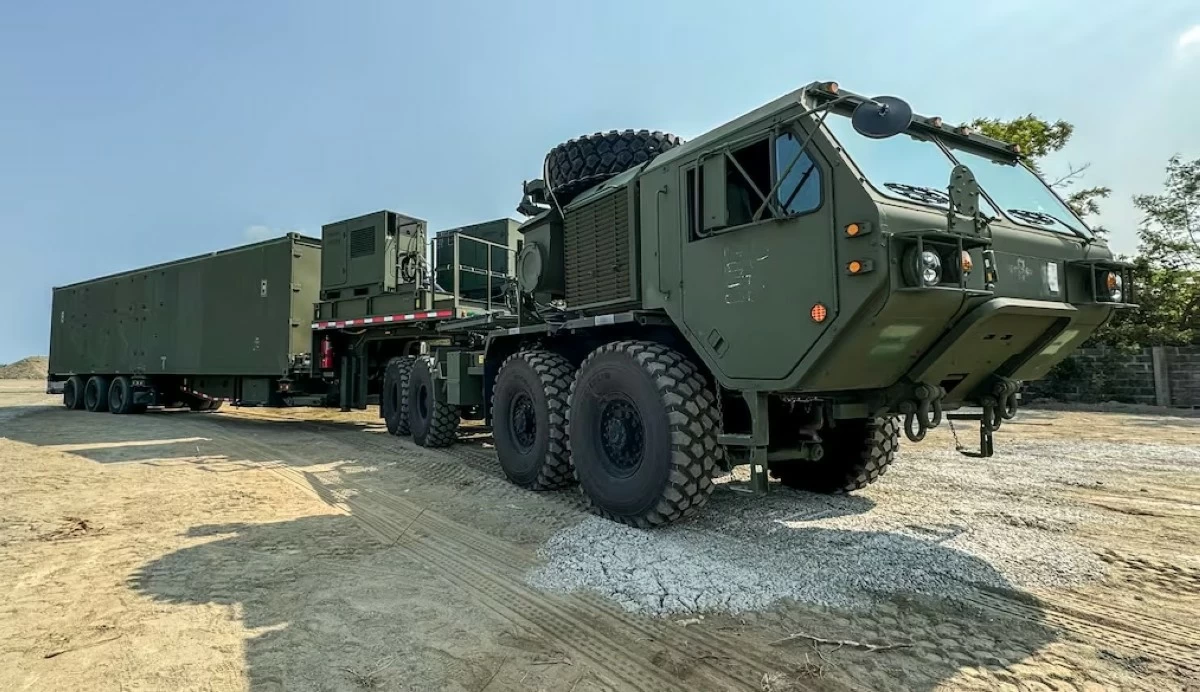
The Typhon mid-range capability launcher arrives in Northern Luzon,in April 2024. (Photo: Capt. Ryan DeBooy/US Army)
The United States military launched a Tomahawk cruise missile using its Typhon Mid-Range Capability (MRC) missile system from a civilian airport in Tacloban City on Tuesday midnight, May 5, with the precision strike traveling 530 kilometers across the eastern seaboard to hit a target in Nueva Ecija.
This marked the first time the Typhon platform was used during the annual Balikatan war games between Manila and Washington since its arrival in April 2024, according to Col. Dennis Hernandez, spokesperson for the Philippine side of Exercise Balikatan.
The missile was fired at approximately 12:12 a.m. from the Tacloban Airport, accurately hitting its target at the Fort Magsaysay impact area in Laur, Nueva Ecija around 1:00 a.m.
Hernandez confirmed the single-round firing was a "precision-guided" operation, which means that the missile was designed to hit a specific and pre-programmed target area accurately, rather than just landing somewhere in a general area.
"It is an impact area for our artilleries so there was no structure, nothing," Hernandez added, noting that the missile hit an "area target" rather than a specific vehicle or building.
He explained that Tacloban was chosen as the launch site because the requirements for the weapon system demand a long-distance flight path.
"If you look at the characteristics of the Tomahawk, it is a long-range capable missile that can engage targets from very far distances. That’s why in its execution, we made sure it was positioned far away—Tacloban was chosen because it is suitable for that purpose, as it can travel from the eastern seaboard toward the target. The requirement, after all, is that it needs a long-range setup," he explained.
The launch supported a ground-attack scenario involving the Joint Pacific Multinational Readiness Center (JPMRC) of the US Army Pacific (USARPAC) and Hernandez described the event as a crossover from the Salaknib exercises, held a month prior by the Philippine Army and USARPAC, to Exercise Balikatan.
Condemned
However, the use of a civilian facility for a long-range missile launch sparked immediate backlash from activist groups.
Koalisyong Makabayan condemned the activity, arguing that using Tacloban Airport compromises the safety of Filipinos while the group noted that the target in Laur is situated within a farming community.
"The entire Philippines becomes a playground for imperialist interests," the coalition said in a statement.
They called for an immediate investigation into the launch, claiming that the missile systems are the same weapons used in conflicts in the Middle East.
Typhon MRC
The Typhon MRC system is a land-based launcher capable of firing Tomahawk and SM-6 missiles.
The Department of National Defense (DND) and Armed Forces of the Philippines (AFP) earlier said that its deployment to the Philippines is a significant development in regional defense, signaling a shift toward a “multi-layered, joint and combined approach” under the country's Comprehensive Archipelagic Defense Concept (CADC).
Hernandez clarified that the firing of Typhon was a "single activity" for this year’s iteration of Balikatan, noting that there were no plans for a second firing this week.
“Probably in the future, if the JPMRC is conducted again, they may use it again—possibly in other scenarios as well," he said.
Counter-landing live-fire in Ilocos Norte
The missile strike served as a precursor to the Counter-Landing Live Fire Exercise (CLLFX-North) held Monday, May 4, at the La Paz Sand Dunes in Laoag City, Ilocos Norte as part of the Balikatan exercises.
The drill simulated a hostile amphibious force attempting to penetrate the Philippine coastline. In response, combined forces carried out a coordinated counter-landing operation aimed at preventing the simulated enemy from establishing a beachhead.
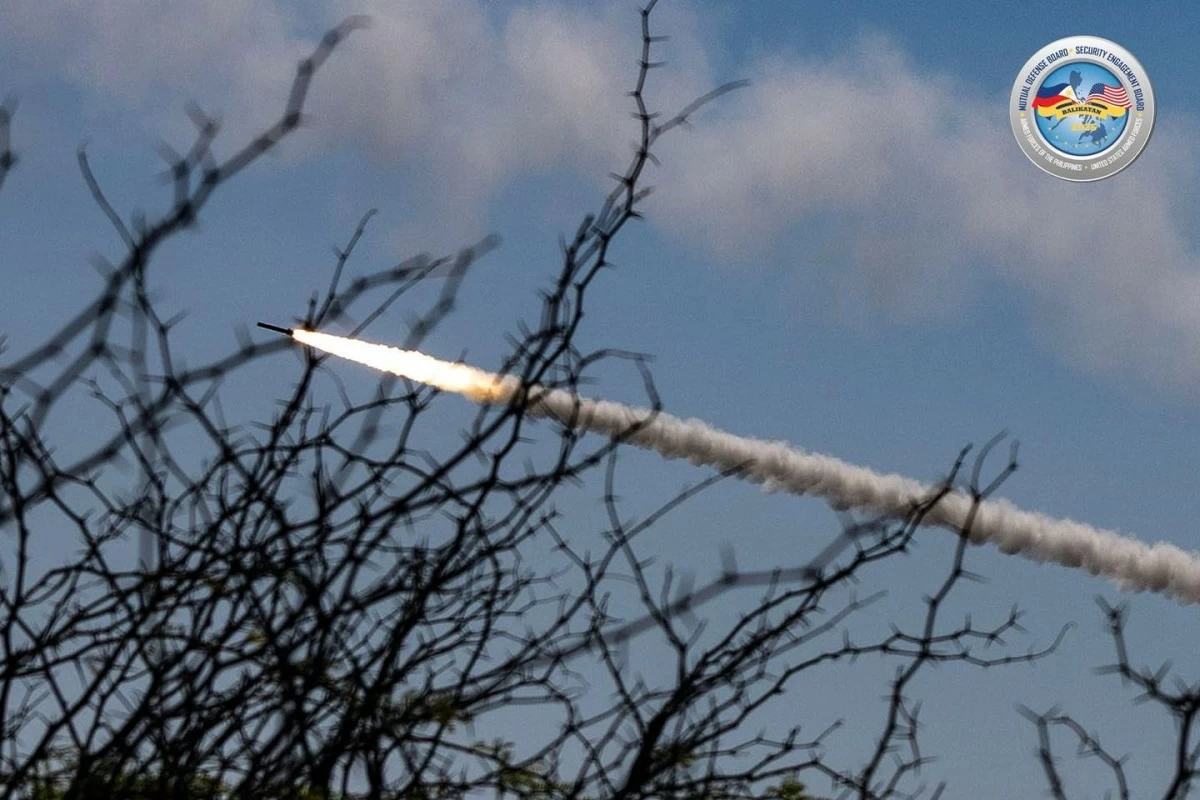
U.S. Army High Mobility Artillery Rocket System (HIMARS) launches precision fires against a simulated aerial threat during the Counter-Landing Live Fire Exercise North (CLLFX-North) as part of Exercise Balikatan 41-2026 on May 4 at La Paz Sand Dunes, Laoag, Ilocos Norte. (Photo: Armed Forces of the Philippines)
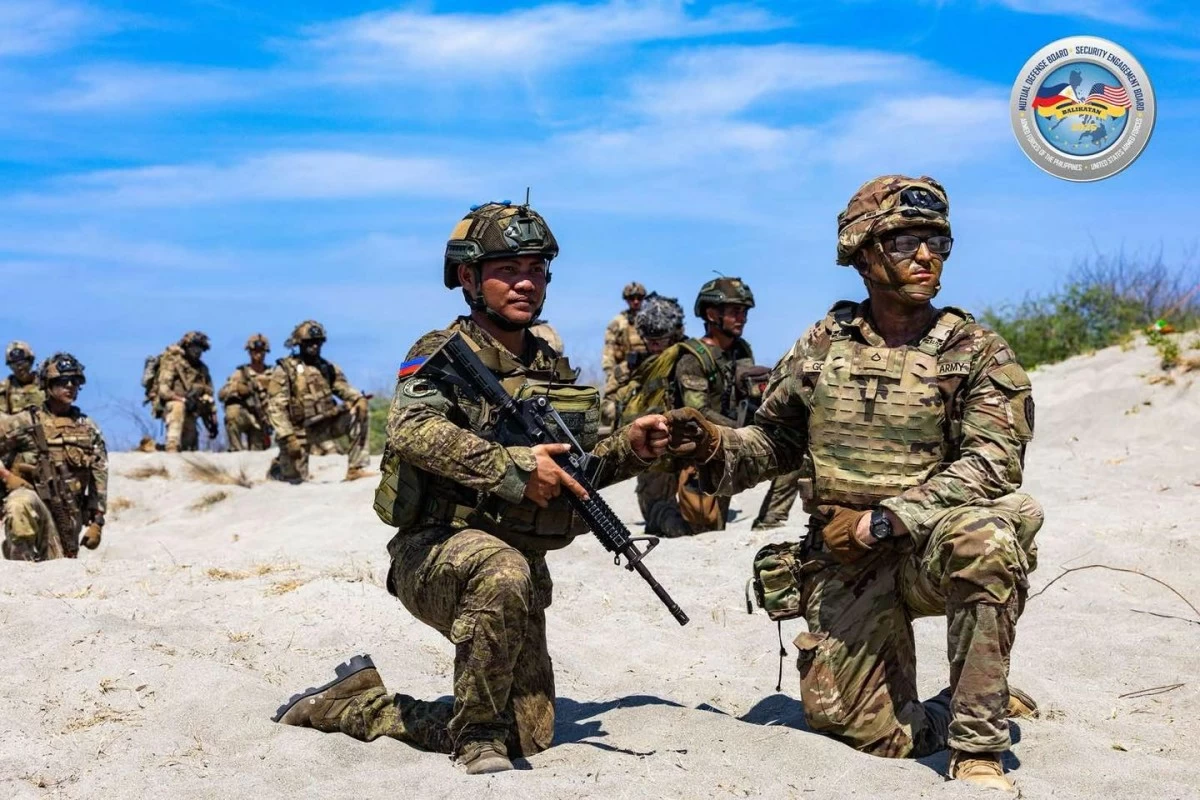
Philippine Army and U.S. Army troopers exchange a fist bump, reflecting strengthened camaraderie and interoperability during the Counter-Landing Live Fire Exercise North (CLLFX-North) as part of Exercise Balikatan 41-2026 on May 4 at La Paz Sand Dunes, Laoag, Ilocos Norte. (Photo: Armed Forces of the Philippines)
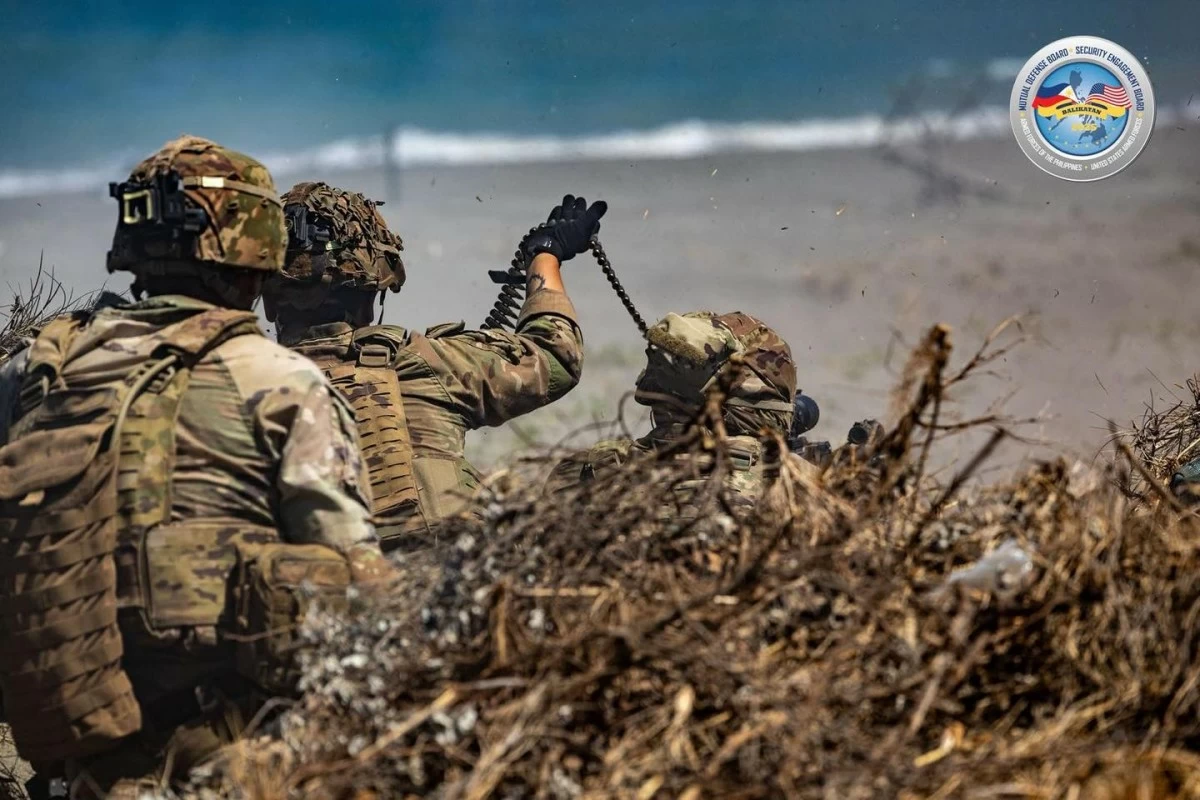
United States Army troopers secure the beachfront and establish defensive positions during the Counter-Landing Live Fire Exercise North (CLLFX-North) as part of Exercise Balikatan 41-2026 on May 4 at La Paz Sand Dunes, Laoag, Ilocos Norte. (Photo: Armed Forces of the Philippines)
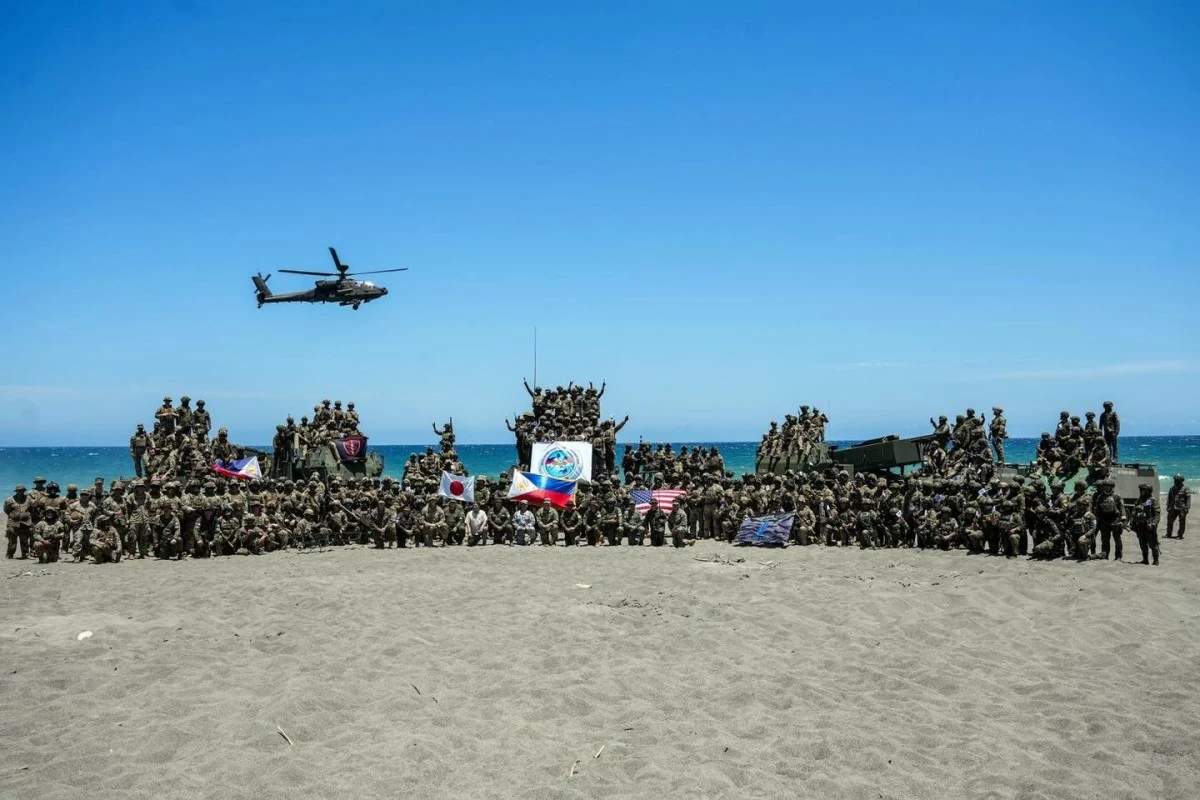
Philippine Army, U.S. Army, and Japan Self-Defense Force troops assemble and stand firmly following the successful conduct of the Counter-Landing Live Fire Exercise North (CLLFX-North) during Exercise Balikatan 41-2026 on May 4 at La Paz Sand Dunes, Laoag, Ilocos Norte. (Photo: Armed Forces of the Philippines)
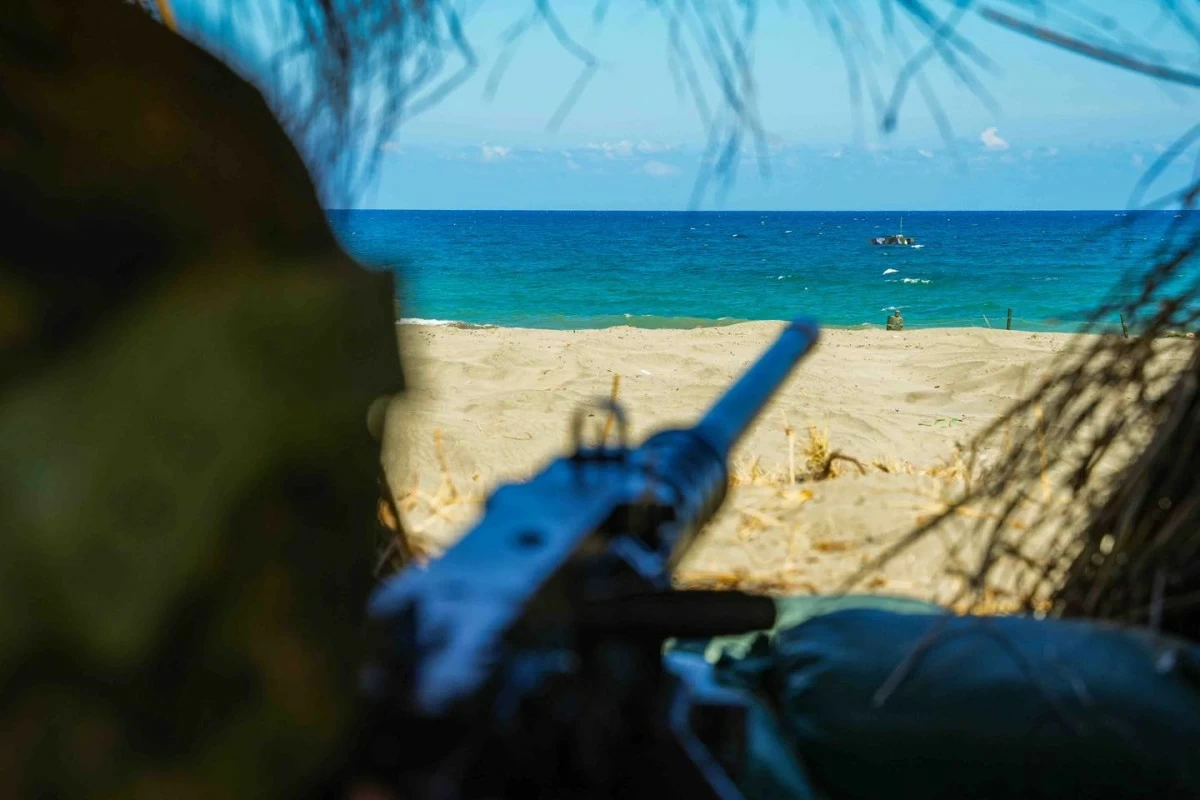
Philippine Army trooper in battle position with his 50mm caliber machine gun engages a simulated maritime threat with sustained direct fire during the Counter-Landing Live Fire Exercise North (CLLFX-North) as part of Exercise Balikatan 41-2026 on May 4 at La Paz Sand Dunes, Laoag, Ilocos Norte. (Photo: Armed Forces of the Philippines)
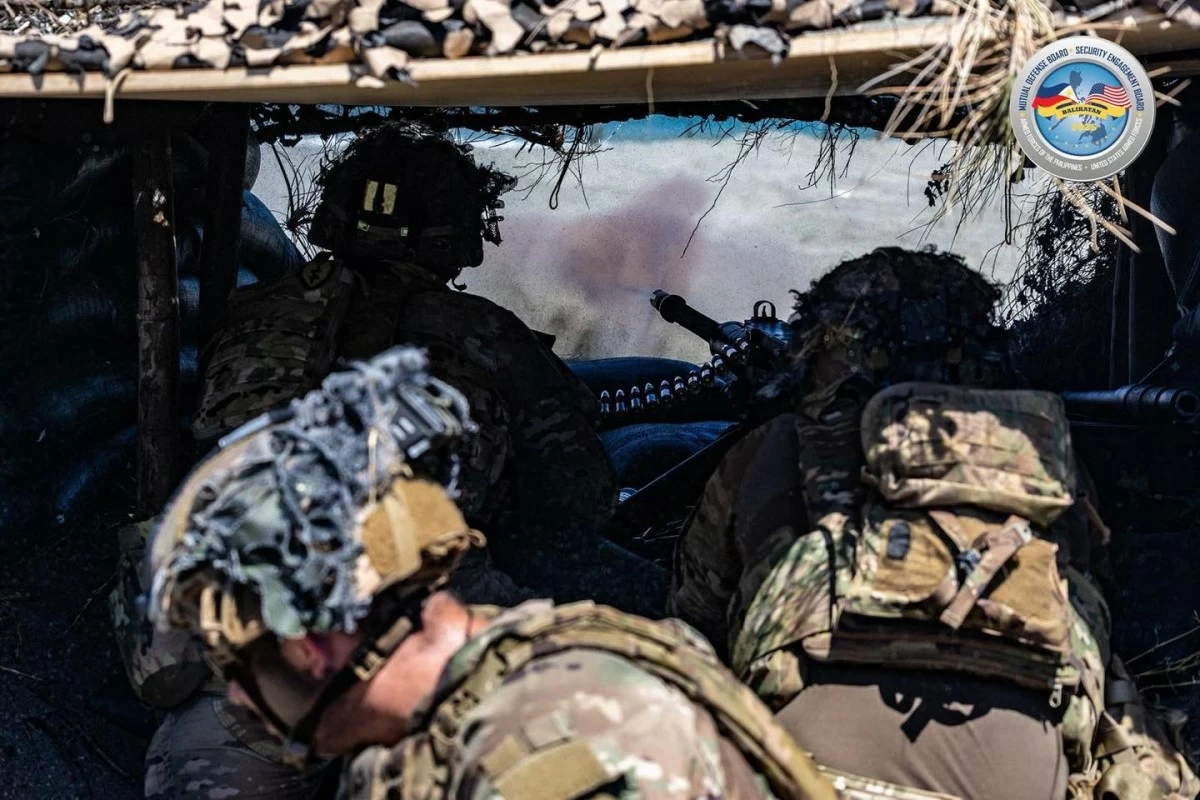
Philippine Army troopers deliver direct fire against simulated threats during the Counter-Landing Live Fire Exercise North (CLLFX-North) as part of Exercise Balikatan 41-2026 on May 4 at La Paz Sand Dunes, Laoag, Ilocos Norte. (Photo: Armed Forces of the Philippines)
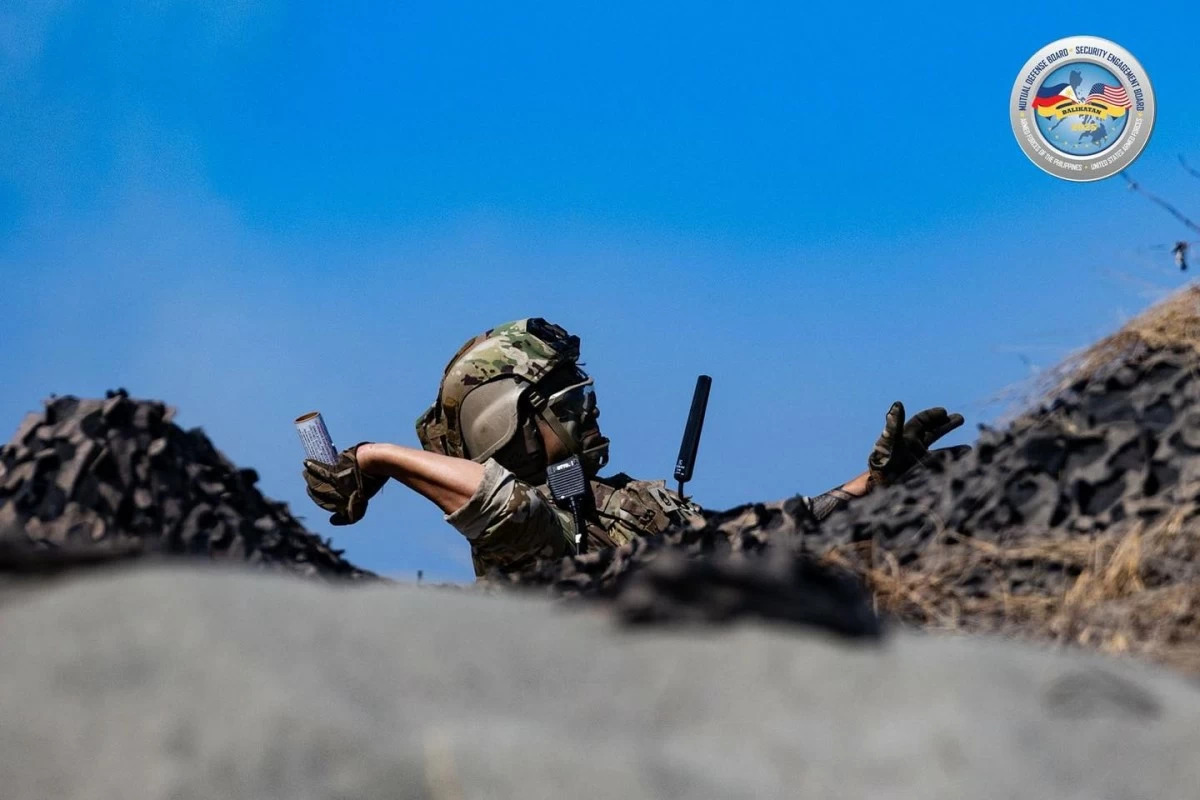
Philippine Army trooper deploy smoke grenades to obscure movement and support maneuver operations during the Counter-Landing Live Fire Exercise North (CLLFX-North) as part of Exercise Balikatan 41-2026 on May 4 at La Paz Sand Dunes, Laoag, Ilocos Norte. (Photo: Armed Forces of the Philippines)
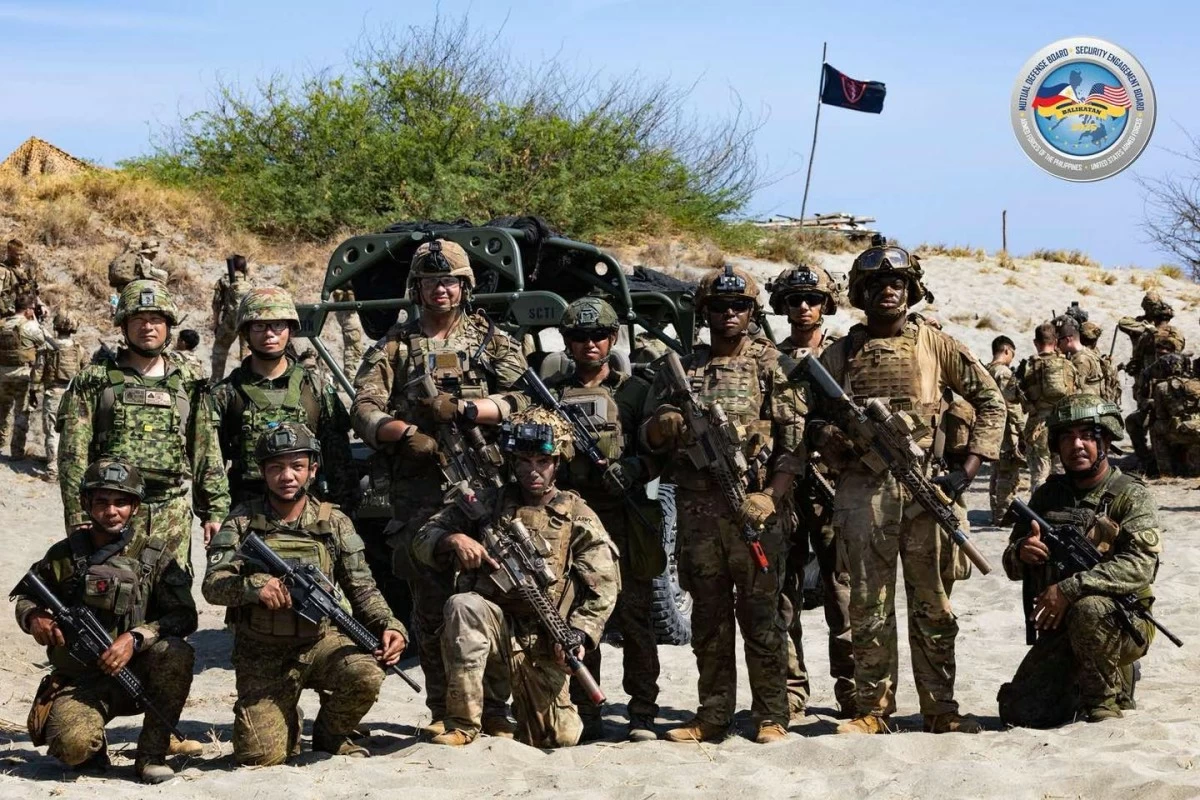
Philippine Army, U.S. Army, and Japan Self-Defense Force troopers stand shoulder-to-shoulder as they mark the successful execution of the Counter-Landing Live Fire Exercise North (CLLFX-North) during Exercise Balikatan 41-2026 on May 4 at La Paz Sand Dunes, Laoag, Ilocos Norte. (Photo: Armed Forces of the Philippines)
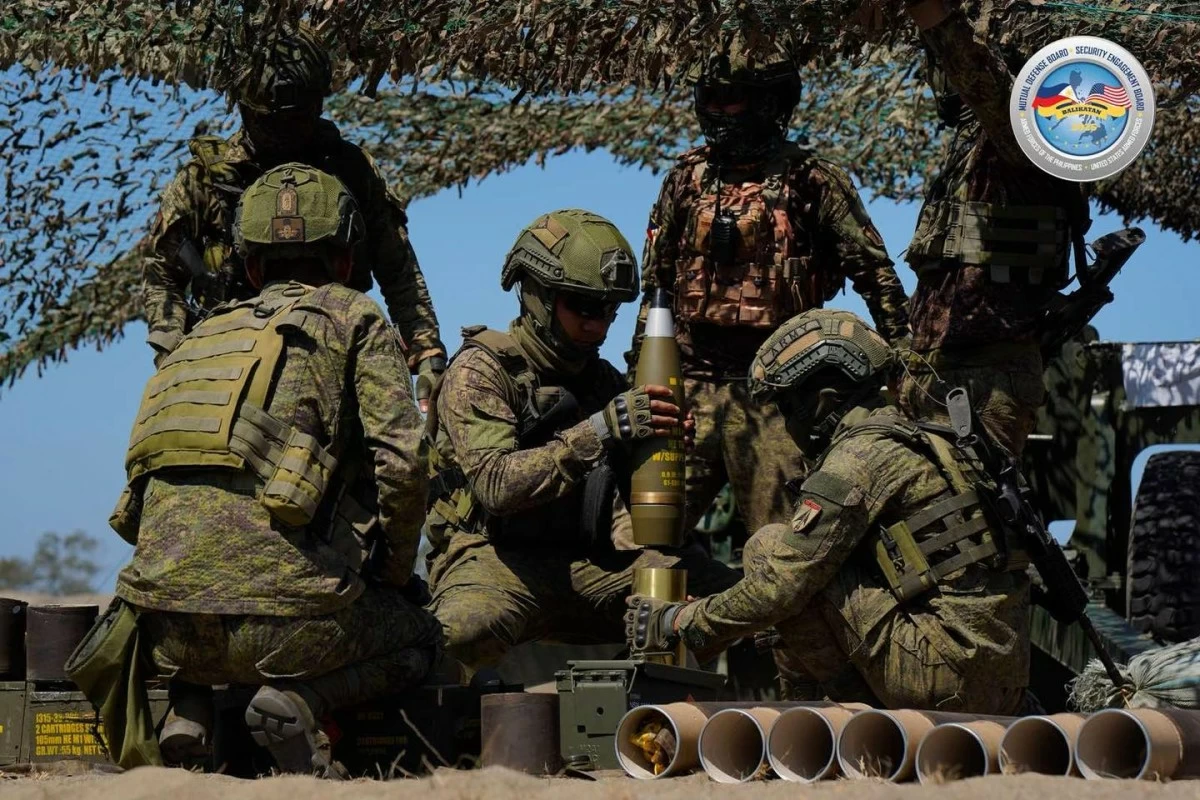
Philippine Army forces rapidly load and prepare field artillery systems for firing during the Counter-Landing Live Fire Exercise North (CLLFX-North) as part of Exercise Balikatan 41-2026 on May 4 at La Paz Sand Dunes, Laoag, Ilocos Norte. (Photo: Armed Forces of the Philippines)
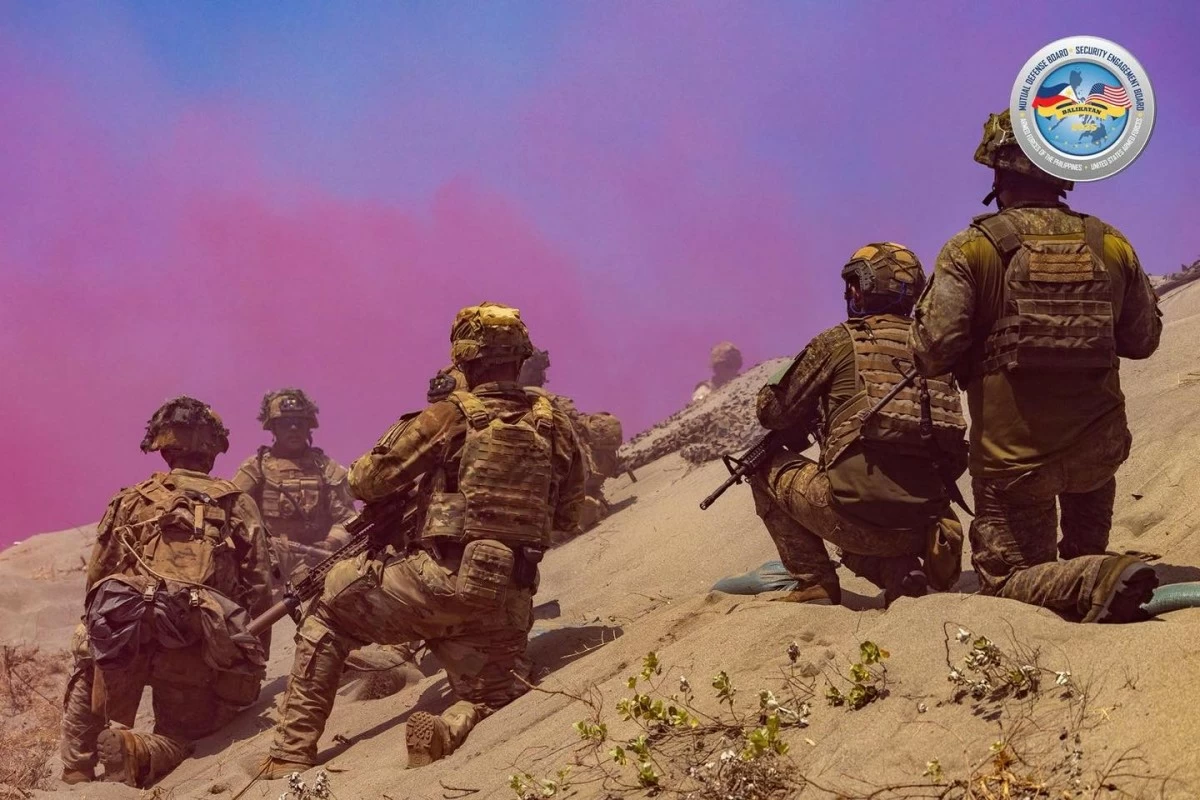
United States Army forces coordinate and communicate tactical movements on the ground during the Counter-Landing Live Fire Exercise North (CLLFX-North) as part of Exercise Balikatan 41-2026 on May 4 at La Paz Sand Dunes, Laoag, Ilocos Norte. (Photo: Armed Forces of the Philippines)
During the Laoag drills, US utilized its High Mobility Artillery Rocket System (HIMARS) and Apache attack helicopters alongside AFP Sabrah light tanks and FA-50 fighter jets.
The AFP deployed a range of assets including Sabrah light tanks, ASCOD Command Post Vehicles equipped with 25mm guns, armored mortar carriers, and 105mm artillery systems. Air support included A-29 Super Tucano aircraft, AW109 helicopters, and Hermes unmanned aerial systems.
United States forces augmented the exercise with High Mobility Artillery Rocket Systems (HIMARS), AH-64 Apache attack helicopters, F-16 fighter jets, and P-8A Poseidon maritime patrol aircraft.
The Japan Air Self-Defense Force also participated, underscoring expanding defense cooperation among regional partners.
Meanwhile, the Canadian Armed Forces contributed to a mass casualty exercise and deployed troops from the 3rd Battalion, Princess Patricia’s Canadian Light Infantry to conduct defensive operations at Culili Point, using heavy machine guns, small arms, and rockets.
"This Counter-Landing Live Fire Exercise demonstrates our growing capability to defend our shores," Hernandez said, emphasizing that the drills ensure forces remain ready to protect national sovereignty in the Indo-Pacific.