






Manila Bulletin
 Philippines
National
CJ Gesmundo asks ASEAN lawyers to uphold justice, ensure fairness
Philippines
National
CJ Gesmundo asks ASEAN lawyers to uphold justice, ensure fairness
Philippines
National
CJ Gesmundo asks ASEAN lawyers to uphold justice, ensure fairness
CJ Gesmundo asks ASEAN lawyers to uphold justice, ensure fairness
Published May 5, 2026 03:32 pm


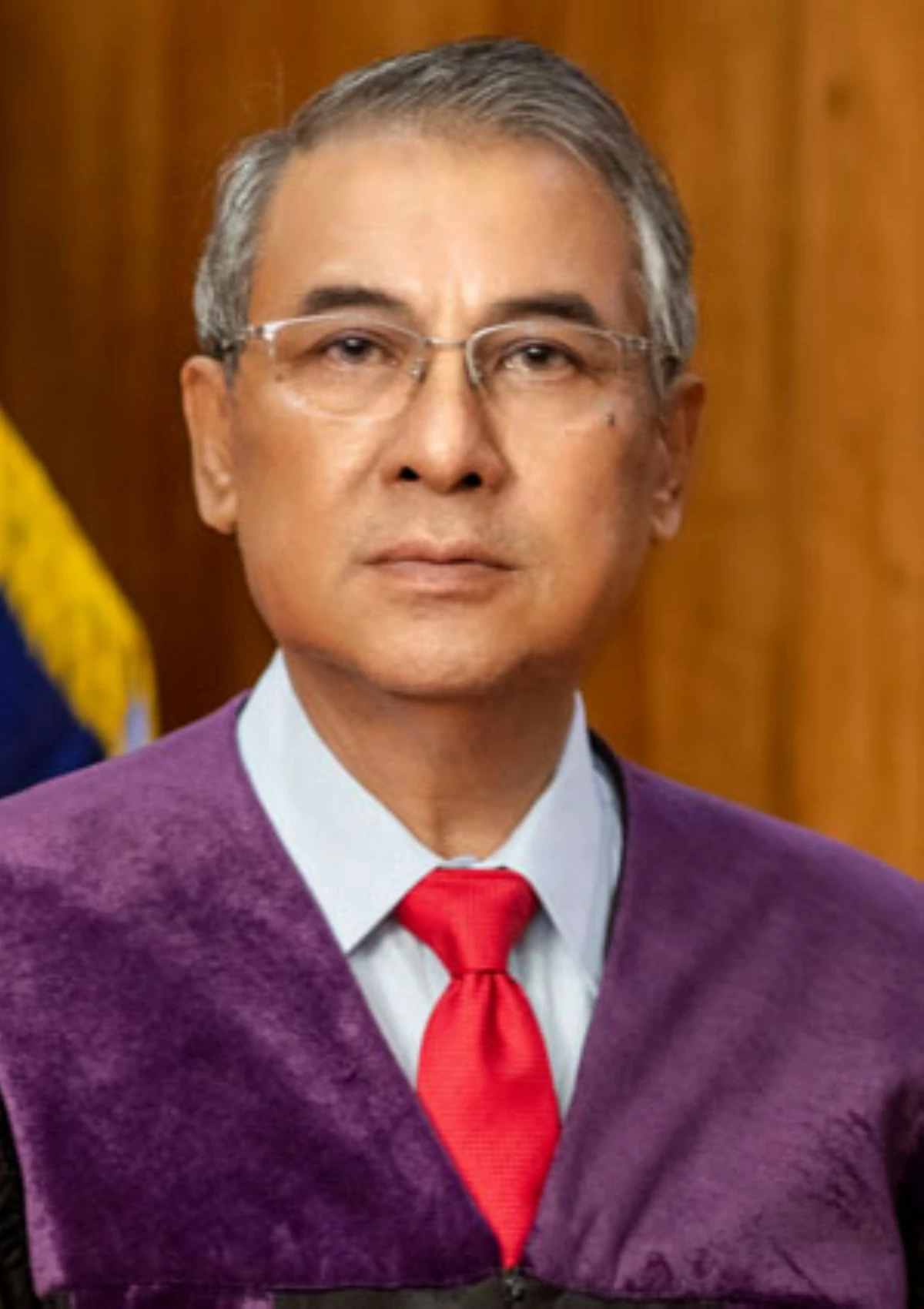
Chief Justice Alexander G. Gesmundo called on all lawyers in the Association of Southeast Asian Nations (ASEAN) to uphold justice and ensure fairness in response “to rapid institutional and technological changes that are reshaping how disputes arise, how rights are asserted, and how justice is delivered.”
Addressing the leaders of ASEAN law associations in a summit in Mandaluyong City on Tuesday, May 5, the Chief Justice said that ASEAN lawyers must collaborate to provide a vital platform for the exchange of ideas, development of best practices, and collective sharing of solutions that are anchored on enduring legal principles.
“With ASEAN’s legal community, we carry a common responsibility: to uphold justice and ensure fairness in our respective jurisdictions,” Gesmundo said as he pointed out that the ASEAN is home to about 700 million people and the region “continues to grow in both complexity and dynamism.”
He said that as ASEAN becomes more interconnected, “the legal issues we confront increasingly transcend borders, whether in commerce, technology, or the protection of fundamental rights.”
Thus, he stressed that collaboration among law associations within the region is no longer simply advantageous as it “has become essential.”
“Yet, collaboration must also evolve in both depth and purpose. It must serve not only as a mechanism for dialogue, but also as a catalyst for innovation in the administration of justice,” he also said.
The Chief Justice cited the summit’s theme – “A Continuum of Collaboration: Sustaining Justice and Strengthening the ASEAN Legal Community.”
He said that dialogue with ASEAN must engage with the challenges and opportunities of digital transformation.
“The integration of technology into judicial processes, whether through electronic filing systems, virtual hearings, or the responsible use of artificial intelligence (AI), holds the potential to enhance efficiency, expand access, and improve the administration of justice.”
But he said the digital innovations demand thoughtful governance, careful calibration, and “an unwavering commitment to due process, judicial independence, and the rule of law.”
At the same time, Gesmundo said the ASEAN’s legal systems must be capable of not only adopting to change “but withstanding disruption, whether brought about by technological developments, global crises, or shifting societal expectations.”
He said that innovations must always be guided by the fundamental objective of enhancing the public’s trust and confidence in the administration of justice.
“At all times, as we embrace innovation and pursue reform, we must ensure that our efforts are consistent with constitutional guarantees, protective of fundamental rights, and reflective of the values that define our democratic institutions,” he stressed.
The Chief Justice cited the Philippines’ efforts like the 2025 Memorandum of Understanding between the Integrated Bar of the Philippines and the Law Society of Singapore.
He said the initiative set up a groundbreaking framework for collaboration in legal education, professional development, and cross-border exchange programs.
“This same spirit of collaboration guides the Philippine Supreme Court, under our Strategic Plan for Judicial Innovations 2022-2027 or SPJI. This reform agenda, anchored on the pillars of Efficiency, Innovation, and Access with the goal of delivering responsive and real-time justice to the public, exhorts lawyers, through the IBP, to be partners in finding solutions to the enduring challenges of our justice system,” he also said.
To further the reforms, Gesmundo said the Philippine SC “is advancing the responsible use of artificial intelligence (AI) into key areas of court operations through our Governance Framework on the Use of Human-Centered Augmented Intelligence in the Judiciary,” adopted on Feb. 18, 2026.
He also cited the SC’s efforts to strengthen access to justice through the Unified Legal Aid Service (ULAS) which institutionalizes the delivery of free and adequate legal assistance to qualified beneficiaries.
He told the summit participants: “As leaders of the Bar across ASEAN, you shape not only the direction of reform but also the spirit of justice in our region. As we engage in the discussions ahead, may we do so with openness and a sincere willingness to learn from one another. May the insights we gain deepen our understanding and, more importantly, inspire sustained collaboration, to elevate not only the standards of our profession, but also the quality of justice, across our region.”