ADVERTISEMENT

We got to try the Ultrahuman Ring Air, and here's what we think

Published May 4, 2026 04:01 pm
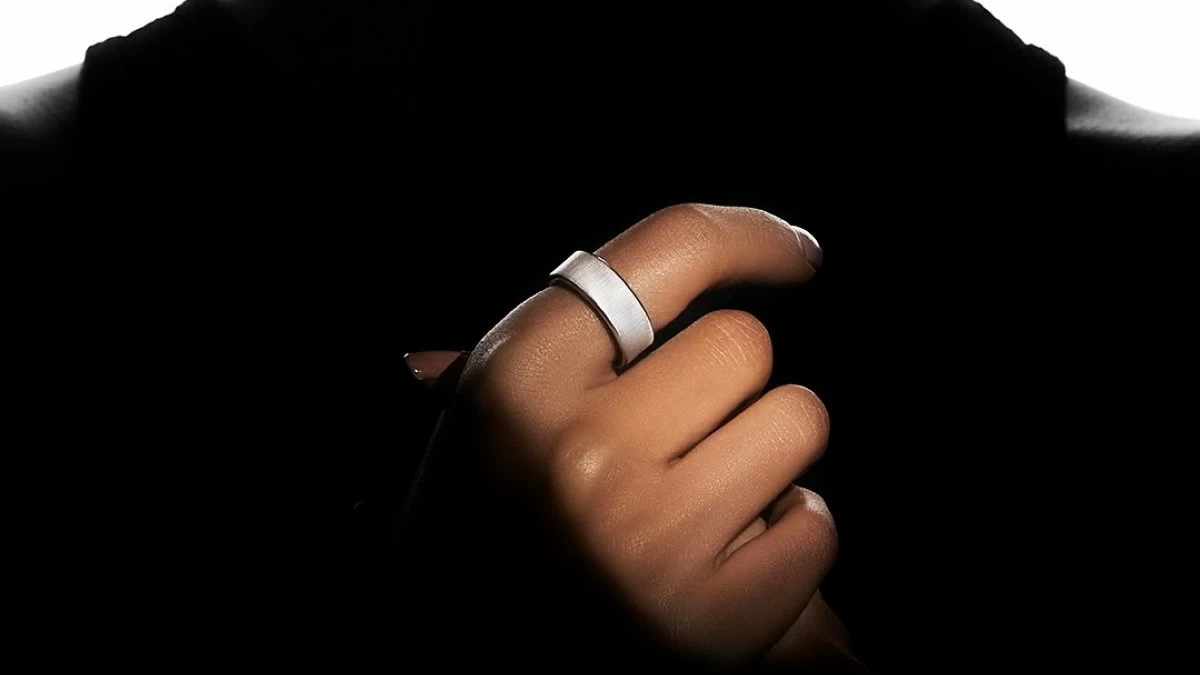
Ultrahuman ring
Ultrahuman ring
As many people try to achieve their best selves when it comes to fitness and wellbeing, brands have been coming up with products that serve as dependable partners. One of the latest innovations in recent years is smart rings. Generally, this kind of wearable tech collects body data—from sleep quality and heart rate down to step count and calories burned. It then sends it to an app on your phone, helping you understand your health and habits. It coming in a ring form feels like a commitment to wellness as a kind of self-love practice.
In an article published earlier this year by the Los Angeles Times, it was reported that smart rings are outpacing smartwatches due to their discreet design and more accurate readings. It sounds pretty interesting. To check out the hype surrounding this wellness tech, I got to try one of the leading smart rings today, the Ultrahuman Ring.
Prior to getting my smart ring, I first received a sizing kit. It had a set of dummy rings in different sizes (5 to 14), and a “swatch” of the ring’s design, featuring a variety of tones and textures. After selecting the size and design, you can submit them via the brand’s app, and after a few weeks, your smart ring and charger will be delivered to your doorstep.
I’ve been wearing the ring for months now, and I get its appeal. There’s ease to it, and it doubles as an accessory. Being made of aerospace-grade titanium makes it durable, but it’s the subtlety that really stands out.
The Ultrahuman Ring AIR is known for delivering science-backed insights. It includes sleep, recovery, and stress tracking (monitoring sleep quality, heart rate variability, and resting heart rate to understand how the body restores overnight) and circadian rhythm alignment (how light, temperature, and movement affect the internal clock).
To help you achieve better sleep, the app also features tools such as the caffeine window (personal caffeine cut-off recommendations to protect deep sleep) and the golden hour (showing the best time of day to get natural light exposure to keep your body clock aligned). The app can also help you log your food intake, workouts, and even cycle and ovulation tracking for women.
Unlike other smart ring brands, the Ultrahuman app is mostly subscription-free. You get full access to the core app features (sleep tracking, recovery, heart rate variability, and activity). You pay once for the ring, and you’re good to go—unless you want advanced add-ons.
Plus, it is water-resistant, allowing you to wear it wherever you go and during most daily activities or while on vacation.
The ring’s battery can last from four to six days. But based on my experience, when you put it in Turbo Mode, its battery lasts around three to four days. Turbo Mode is when the ring runs at full sensor power, collecting data throughout the day, not just during sleep.
Its design, while sleek and minimal, can be challenging to wear during certain activities, especially when lifting weights at the gym. I usually put it in my pocket when I lift and put it back on when doing cardio.
Compared to smartwatches, it doesn’t buzz or light up for notifications. It just quietly and continuously tracks in the background—perfect if you don’t want distractions throughout the day.
But its true strength lies in helping you make better choices for rest and recovery. Having health data at your fingertips enables you to understand how to optimize sleep, improve recovery, and support overall metabolic health.
Over the past months, I started paying more attention to the insights it provides, especially around sleep and recovery. Instead of obsessing over numbers, I found myself adjusting habits—going to bed a bit earlier, easing off intense workouts when my recovery score dipped. It’s less about raw data and more about patterns, which makes it feel practical rather than overwhelming. For something so small, it manages to be both functional and understated, which is exactly why it works.

Related Tags

Ultrahuman Ring AIR Health Smart ring
ADVERTISEMENT
.most-popular .layout-ratio{ padding-bottom: 79.13%; } @media (min-width: 768px) and (max-width: 1024px) { .widget-title { font-size: 15px !important; } }

{{ articles_filter_1561_widget.title }}

.most-popular .layout-ratio{ padding-bottom: 79.13%; } @media (min-width: 768px) and (max-width: 1024px) { .widget-title { font-size: 15px !important; } }

{{ articles_filter_1562_widget.title }}

.most-popular .layout-ratio{ padding-bottom: 79.13%; } @media (min-width: 768px) and (max-width: 1024px) { .widget-title { font-size: 15px !important; } }

{{ articles_filter_1563_widget.title }}

{{ articles_filter_1564_widget.title }}

.mb-article-details { position: relative; } .mb-article-details .article-body-preview, .mb-article-details .article-body-summary{ font-size: 17px; line-height: 30px; font-family: "Libre Caslon Text", serif; color: #000; } .mb-article-details .article-body-preview iframe , .mb-article-details .article-body-summary iframe{ width: 100%; margin: auto; } .read-more-background { background: linear-gradient(180deg, color(display-p3 1.000 1.000 1.000 / 0) 13.75%, color(display-p3 1.000 1.000 1.000 / 0.8) 30.79%, color(display-p3 1.000 1.000 1.000) 72.5%); position: absolute; height: 200px; width: 100%; bottom: 0; display: flex; justify-content: center; align-items: center; padding: 0; } .read-more-background a{ color: #000; } .read-more-btn { padding: 17px 45px; font-family: Inter; font-weight: 700; font-size: 18px; line-height: 16px; text-align: center; vertical-align: middle; border: 1px solid black; background-color: white; } .hidden { display: none; }
function initializeAllSwipers() { // Get all hidden inputs with cms_article_id document.querySelectorAll('[id^="cms_article_id_"]').forEach(function (input) { const cmsArticleId = input.value; const articleSelector = '#article-' + cmsArticleId + ' .body_images'; const swiperElement = document.querySelector(articleSelector); if (swiperElement && !swiperElement.classList.contains('swiper-initialized')) { new Swiper(articleSelector, { loop: true, pagination: false, navigation: { nextEl: '#article-' + cmsArticleId + ' .swiper-button-next', prevEl: '#article-' + cmsArticleId + ' .swiper-button-prev', }, }); } }); } setTimeout(initializeAllSwipers, 3000); const intersectionObserver = new IntersectionObserver( (entries) => { entries.forEach((entry) => { if (entry.isIntersecting) { const newUrl = entry.target.getAttribute("data-url"); if (newUrl) { history.pushState(null, null, newUrl); let article = entry.target; // Extract metadata const author = article.querySelector('.author-section').textContent.replace('By', '').trim(); const section = article.querySelector('.section-info ').textContent.replace(' ', ' '); const title = article.querySelector('.article-title h1').textContent; // Parse URL for Chartbeat path format const parsedUrl = new URL(newUrl, window.location.origin); const cleanUrl = parsedUrl.host + parsedUrl.pathname; // Update Chartbeat configuration if (typeof window._sf_async_config !== 'undefined') { window._sf_async_config.path = cleanUrl; window._sf_async_config.sections = section; window._sf_async_config.authors = author; } // Track virtual page view with Chartbeat if (typeof pSUPERFLY !== 'undefined' && typeof pSUPERFLY.virtualPage === 'function') { try { pSUPERFLY.virtualPage({ path: cleanUrl, title: title, sections: section, authors: author }); } catch (error) { console.error('ping error', error); } } // Optional: Update document title if (title && title !== document.title) { document.title = title; } } } }); }, { threshold: 0.1 } ); function showArticleBody(button) { const article = button.closest("article"); const summary = article.querySelector(".article-body-summary"); const body = article.querySelector(".article-body-preview"); const readMoreSection = article.querySelector(".read-more-background"); // Hide summary and read-more section summary.style.display = "none"; readMoreSection.style.display = "none"; // Show the full article body body.classList.remove("hidden"); } document.addEventListener("DOMContentLoaded", () => { let loadCount = 0; // Track how many times articles are loaded const offset = [1, 2, 3, 4, 5, 6, 7, 8, 9, 10]; // Offset values const currentUrl = window.location.pathname.substring(1); let isLoading = false; // Prevent multiple calls if (!currentUrl) { console.log("Current URL is invalid."); return; } const sentinel = document.getElementById("load-more-sentinel"); if (!sentinel) { console.log("Sentinel element not found."); return; } function isSentinelVisible() { const rect = sentinel.getBoundingClientRect(); return ( rect.top < window.innerHeight && rect.bottom >= 0 ); } function onScroll() { if (isLoading) return; if (isSentinelVisible()) { if (loadCount >= offset.length) { console.log("Maximum load attempts reached."); window.removeEventListener("scroll", onScroll); return; } isLoading = true; const currentOffset = offset[loadCount]; window.loadMoreItems().then(() => { let article = document.querySelector('#widget_1690 > div:nth-last-of-type(2) article'); intersectionObserver.observe(article) loadCount++; }).catch(error => { console.error("Error loading more items:", error); }).finally(() => { isLoading = false; }); } } window.addEventListener("scroll", onScroll); });

Sign up by email to receive news.