







Order 2026: The emerging droids
Published May 4, 2026 11:38 am


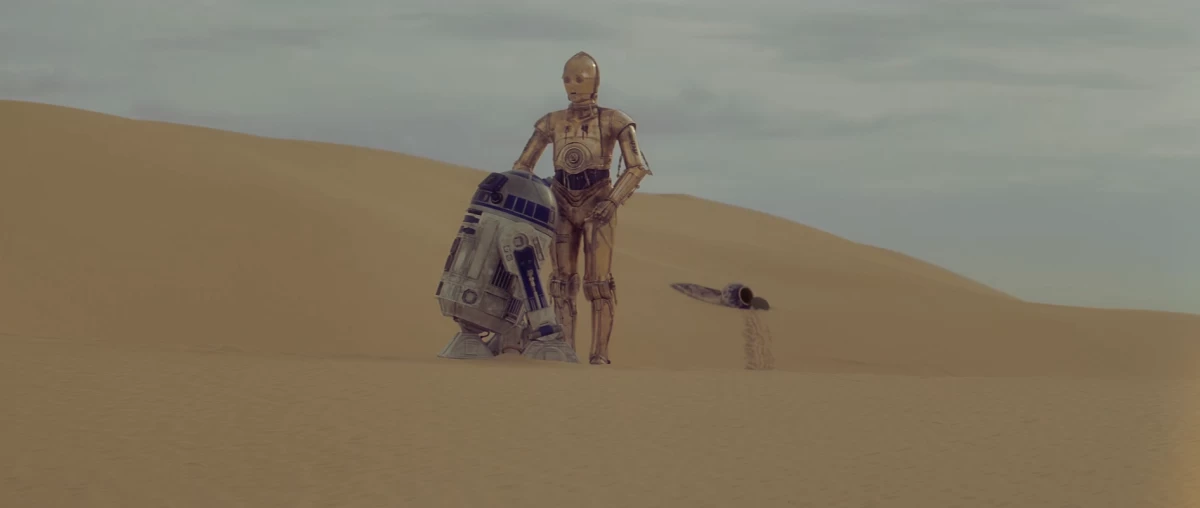
Allow us to celebrate Star Wars Day a little early compared to the rest of the world. After all, it is May the fourth today.
Forty-nine years ago, in 1977, two droids walked a desert planet on the silver screen, in a movie that would kickstart one of the biggest franchises in history. While there have been robots depicted in film before, Star Wars was one of the first to feature them in a near positive light.
Societies in Star Wars populated the galaxy with droids for the same purpose humans in real life would (at least what’s being marketed); navigation, communication, labor, security, repair and maintenance, medical, and whatnot, serving as personal aides and workers.
Forty-nine years ago, all of this lived rent free in everyone's imaginations, with a future that felt exciting, especially when only several years prior a team of astronauts had gone up to the moon, marking one giant leap for mankind.
The robots of today
Colleges and universities all over the world have courses majoring in robotics. Not only that, but many STEM projects and robot kits have emerged for children to learn robotics as early as possible.
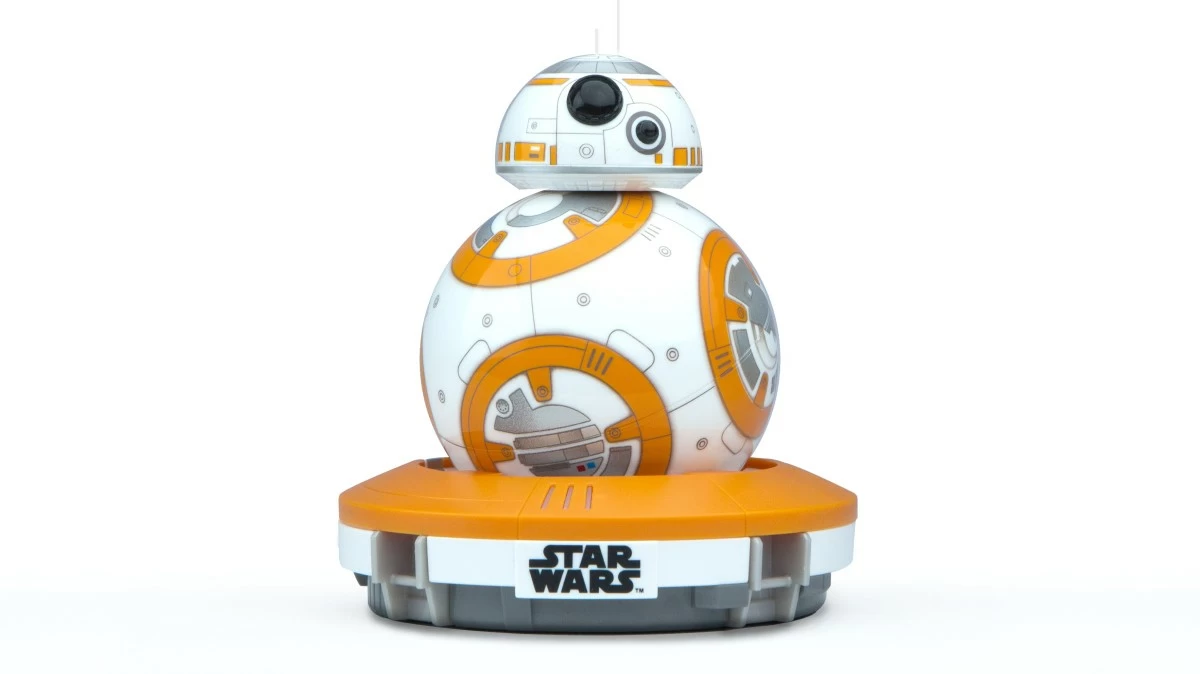
There was, of course, if you recall several years back, the Technews’ favorite, Sphero, which licensed Star Wars for a BB8 edition, complete with a Force Watch to control the sphere with gestures, or, with the Force, if you will.
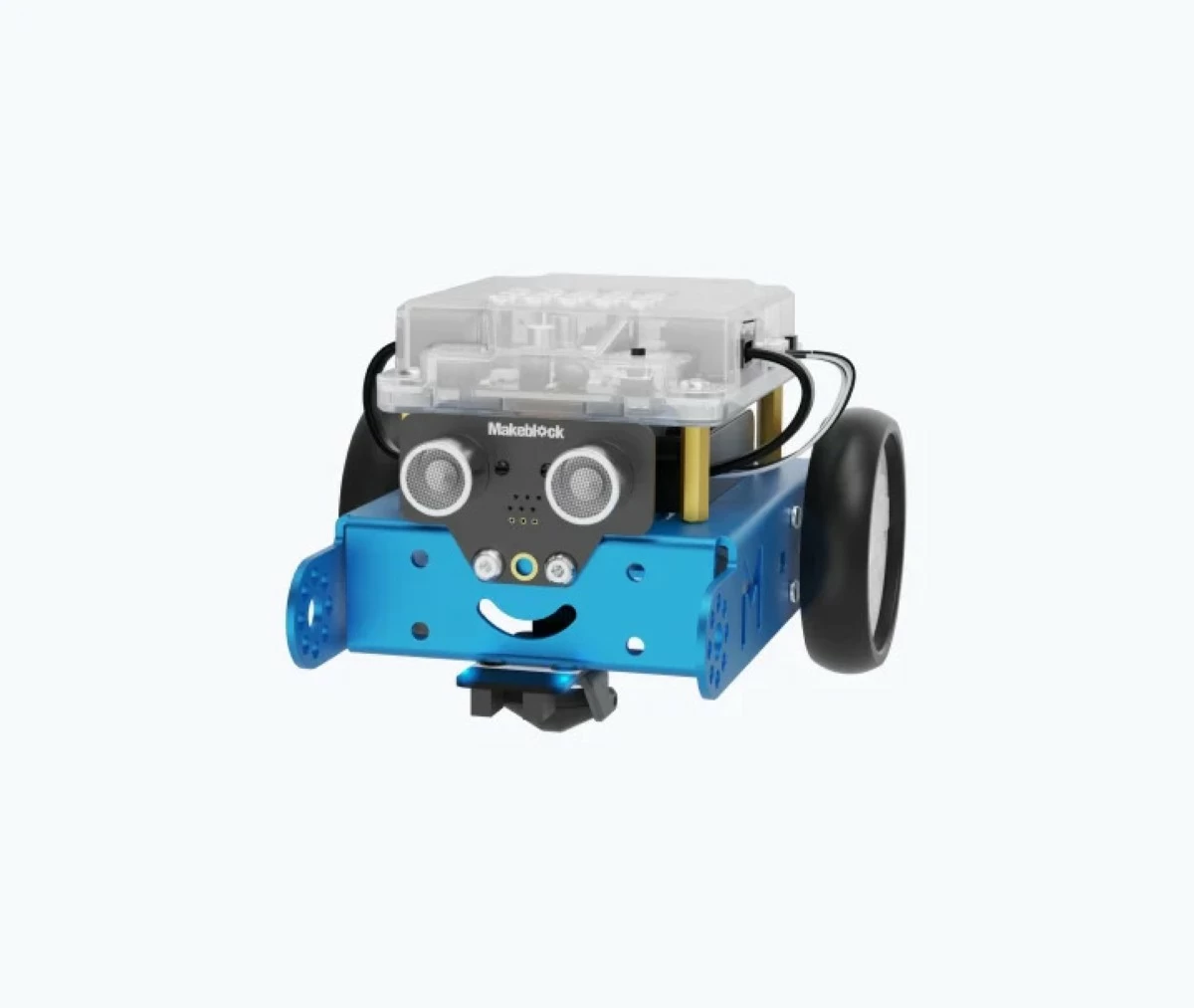
There have been other robotic kits, such as Makeblock, something we have featured extensively in the past. This is a modular kit for children to build and program robots for simple tasks.
The future of robotics was so incredibly bright that even LEGO jumped in with their own robotic and programmable kits called Mindstorms.
Safe to say, the building blocks from years ago are slowly paying off now as tech companies are building more complex robots.
While having droids with the functions of C-3PO, R2D2, and BB8 are still a little bit out of reach, we are steadily getting there. For instance, this R2D2 serves cold drinks. I believe we have one of these somewhere within the Manila Bulletin office.
Right now, we have robots in manufacturing, building in factories, serving as security in warehouses, and for emergency response, such as the snakebot to search through rubble for earthquake survivors.
Earlier this year, Hyundai announced they will launch humanoid-robots in factories to begin operations in 2028, citing making work less physically straining to human workers and avoiding dangers. Other companies such Amazon, Tesla, and BYD have all announced similar plans.
Boston Dynamics is one of the well-known tech companies building robots. About eight years ago, they introduced their dog-like robot that can open doors. At the time, perhaps even today, most of the comments swirled around how terrifying this is should the robot malfunction and start doing things better left unsaid.
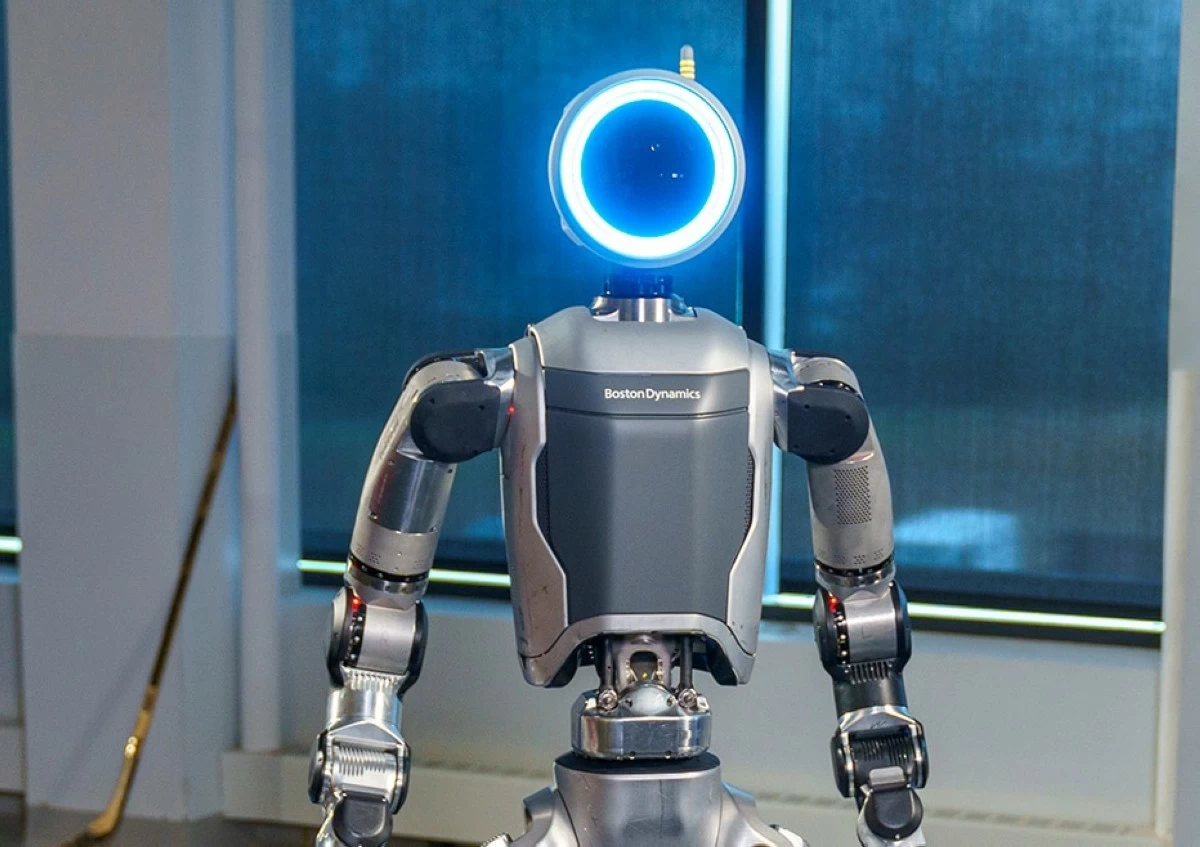
AgiBot is a Chinese-based company that is building humanoid robots that can be designed for real world tasks for industrial, commercial, and service. In Palo Alto, California, 1X Technologies are building humanoid robots for home use, such as arranging groceries and vacuuming the floor. Even Tesla has their robot ambitions with their Optimus series.
If you take a step back to look at things. You can see how things can work out in some form of harmony. There are the robots designed for labor, then there are the robots for repairs, who could fix other robots, and then you have robots who can do household chores, pick up the groceries, and perhaps even make deliveries. Looks… interesting, eh?
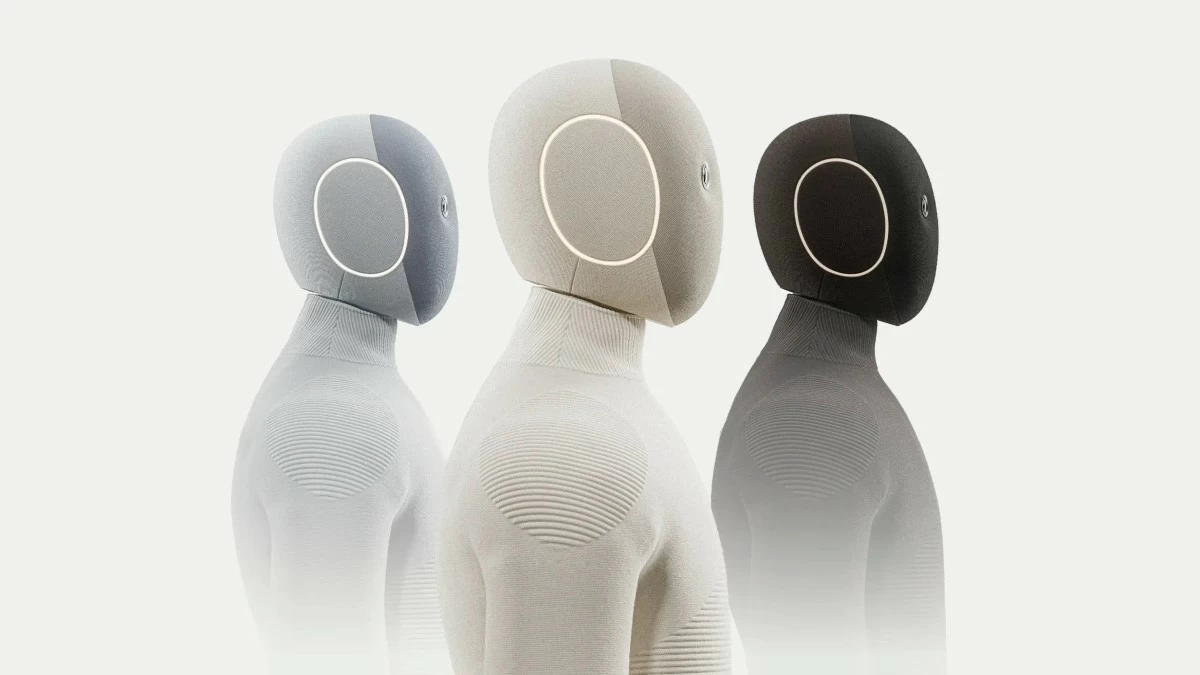
By the way, mere mortals may pass on having complex robots in their lives. For the 1X Technologies’ NEO robot, it is $20,000. But if you don’t want to “own” one “but would want to have one” (two very different things), you can lease one NEO for $499 per month.
While we have seen many, and I mean, many, where things go horribly wrong with robots from movies, anime, and books. But let’s for now, cope with the idea of robots, or droids, within Star Wars, where they are functional and helpful, especially in finding the only one who can help in certain situations.
The humanoid robots from Boston Dynamics, 1X Technologies, and those that Tesla has shown us, are very similar to the droids like C-3PO. While they have their own set of programs and protocols, AI is a rising force across industries. The application of AI from Anthropic’s Claude, OpenAI’s ChatGPT, Google’s Gemini, and so on, present an interesting scenario where AI chatbot and agentic AI can do in the future when given the proper hardware.
The gap between what was once science-fiction or science fantasy and reality is not yet blurring, perhaps not in a dozen more years, but the parsecs between the two is shrinking. Like the droids in Star Wars, we will likely have different robots for different purposes. Some will continue to do household chores, communications such as C-3PO, others will do maintenance and repairs such as R2D2, and others for companionship and travel like BB8.
The bottom line is this. Yes, the job market is in trouble in the next couple of generations. But hey, at least the “menial” tasks will be left to the droids while we explore space.