






Manila Bulletin
 Business
Trade & Industry
New policy needed to help Philippine airlines use greener fuel
Business
Trade & Industry
New policy needed to help Philippine airlines use greener fuel
Business
Trade & Industry
New policy needed to help Philippine airlines use greener fuel
New policy needed to help Philippine airlines use greener fuel
Published May 4, 2026 12:01 am
|
Updated May 2, 2026 01:53 pm


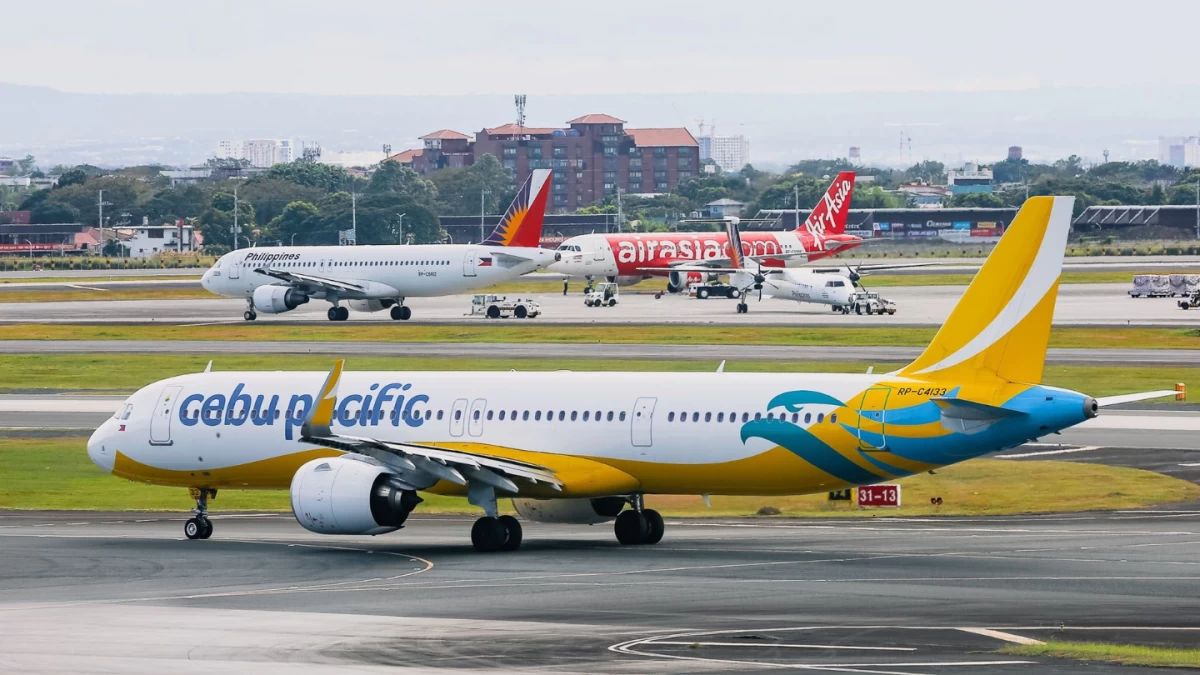
The Philippine government must overhaul its aviation policy and adjust flight cost structures to accelerate the adoption of sustainable aviation fuel (SAF), a move designed to insulate the local industry from volatile global oil prices, according to professional services firm GHD Group Pty.
In an interview with Manila Bulletin, Sachin Narang, GHD executive advisor for energy and infrastructure, said the state needs to facilitate a coordinated effort between local producers, agricultural stakeholders, and the airline industry to ensure the fuel’s sustainable growth.
Beyond merely setting SAF targets, Narang noted that the government should establish a centralized procurement mechanism and align aviation goals with broader national sustainability mandates.
The push for SAF comes as the aviation sector faces increasing pressure to decarbonize while grappling with geopolitical instability.
Narang emphasized that updating flight cost structures is essential to accommodate the currently higher price point of bio-based fuels. To foster a robust domestic market, the government should introduce tax credits, develop logistics infrastructure, and provide incentives for farmers to aggregate and store biomass.
A formal mandate would theoretically expand the economic impact across the entire supply chain rather than benefiting only a select segment, Narang said, adding that reducing trade barriers for raw materials is a critical step.
The Philippines is well-positioned to capitalize on “drop-in” fuels—renewable alternatives made from agricultural waste and non-standard crops that require no modifications to existing engines.
GHD identified Palawan province as a high-potential hub for utilizing non-standard coconut as a primary feedstock, a strategy that could help the Philippines maintain a competitive edge over regional neighbors.
Investment requirements for the transition may be mitigated by repurposing existing infrastructure. The country currently hosts several refineries, primarily in North Luzon, that could be retrofitted for SAF processing.
Utilizing these brownfield sites offers significant financial advantages by reducing the capital expenditure typically required for entirely new greenfield plants, Narang said.
While the transition to SAF could shield the domestic airline industry from price shocks driven by tensions in the Middle East, Narang clarified that the integration will only succeed with sustained government backing and sufficient infrastructure.
If the policy framework is executed effectively, the Philippines has the potential to move beyond domestic self-sufficiency and become a net exporter of sustainable fuel. Progress remains dependent on the speed at which the state can harmonize agricultural output with industrial energy needs.