







Milan Design Week 2026: The rise of regenerative urban spaces
Published May 4, 2026 12:33 pm
|
Updated May 4, 2026 01:04 pm


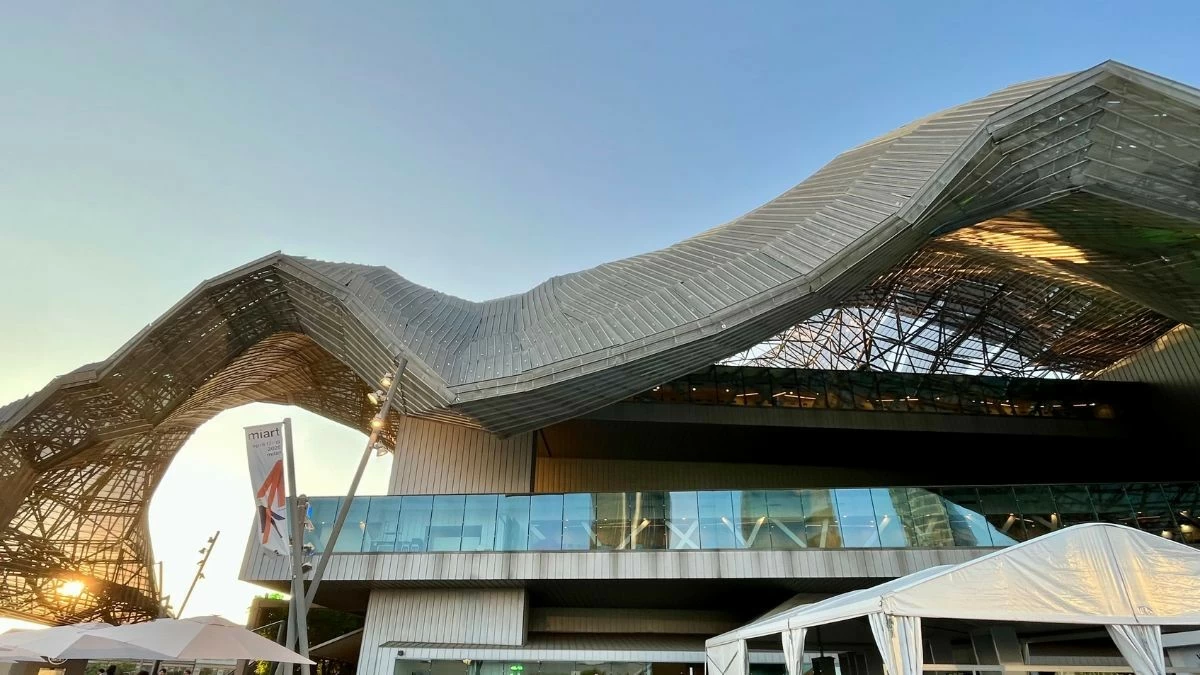
2026 Milan Art Fair at Allianz MiCo Convention Center (Photo: J. Albert Gamboa)
When the global design community converged last month for Milan Design Week (MDW) 2026, the conversation shifted from aesthetic indulgence toward a regenerative blueprint for urban living. Under the evocative theme of “Be the Project,” this year’s Fuorisalone Milano transformed Italy’s capital of international design into a sprawling laboratory where the built environment must act as a living participant in our ecosystem.
The MDW showcase is structured into nine districts, each defined by its own theme and curated design identity: Brera Design District, Alcova 2026, 5VIE Art and Design, Isola Design Festival, Tortona Design Week, Dropcity, Porta Venezia Design District, Salone del Mobile Milano, and Automotive at Fuorisalone.
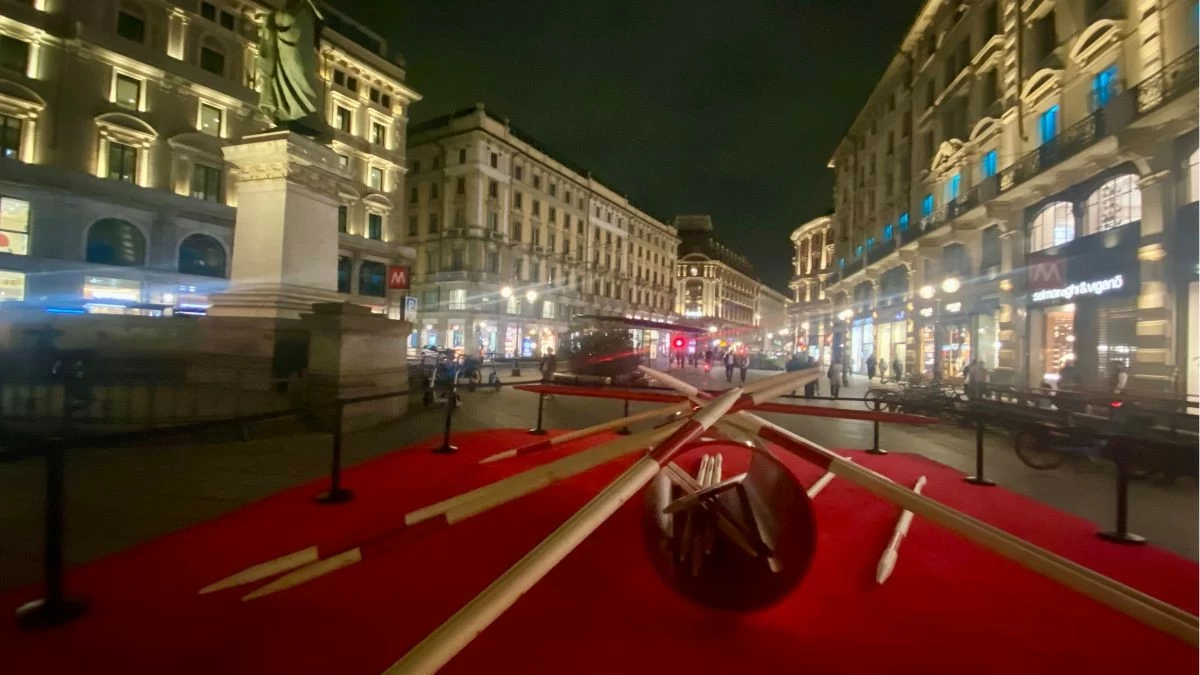
“Equilibria” by architect Michele Perlini at Piazza Cordusio (Photo: J. Albert Gamboa)
In the Isola district, Milan’s showcase for modern vertical living, the focus is on circularity. A standout was the Magritte project at Stecca 3.0, where the use of regenerated nylon in high-performance 3D printing demonstrated how waste materials are being repurposed into structural design elements. For the Philippine property sector, which is increasingly grappling with sustainability mandates, these material innovations offer a viable roadmap for reducing the carbon footprint of high-density developments.
Meanwhile, at the Tortona district, traditional industrial complexes are being reimagined through anticipatory planning. The emphasis here was on sensory-centered luxury: spaces that prioritize air quality, natural light, and acoustic wellbeing. For instance, the Superstudio campus expanded its footprint to Bovisa and emphasized urban regeneration as well as social inclusivity as core pillars of the modern village.
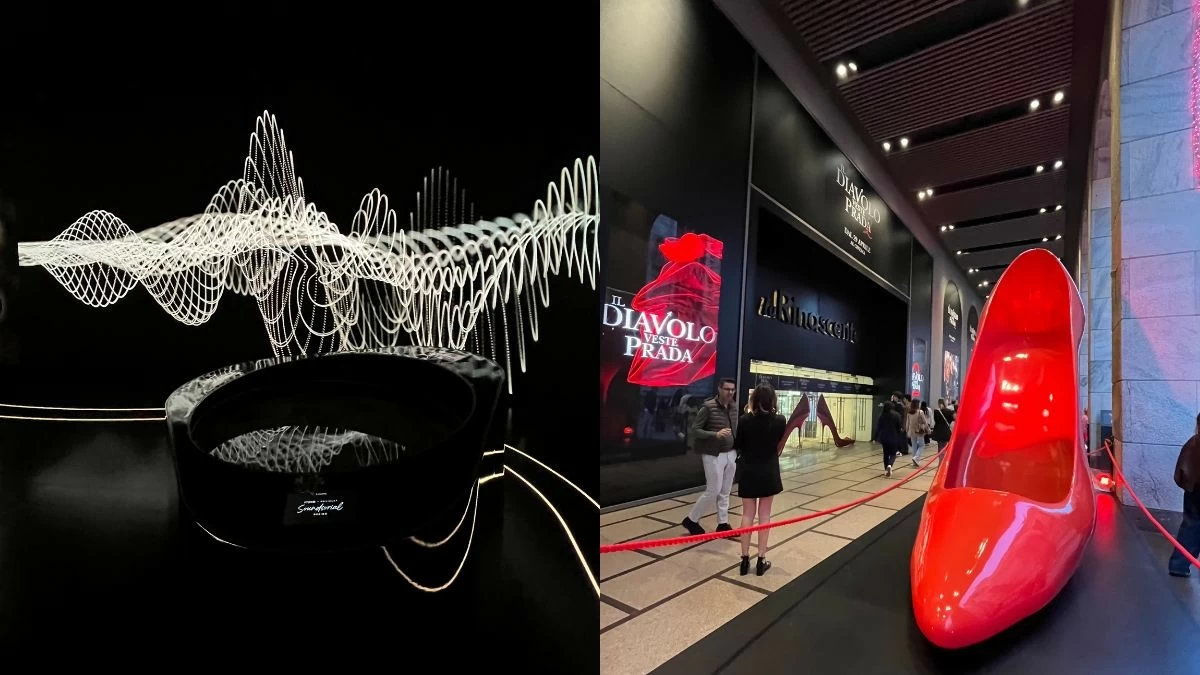
'Soundsorial' by IQOS and Devialet at Opificio 31, and “The Devil Wears Prada 2” at La Rinascente (Photo: J. Albert Gamboa)
Another prime example was Opificio 31, a former manufacturing site that has been converted into a creative hub. During MDW, it was the venue of "Soundsorial Design"—a collaboration between French acoustic powerhouse Devialet and Swiss-based smoke-free pioneer IQOS. This immersive installation explored the intersection of high-fidelity sound and industrial design. Visitors were guided through a multisensory environment where Devialet’s precision engineering was used to visualize individual human frequencies, culminating in a gallery-style showcase of IQOS’ ILUMA series.
Tech and lifestyle enthusiasts gathered across Milan’s cultural districts that served as living experiments for human-centered transformation. In the Brera district, the “Factory of Light” exhibition designed by Australian architect Rodney Eggleston was an exercise in subtractive illumination using the 15th century Cloister of Santa Maria del Carmine as a Renaissance backdrop.
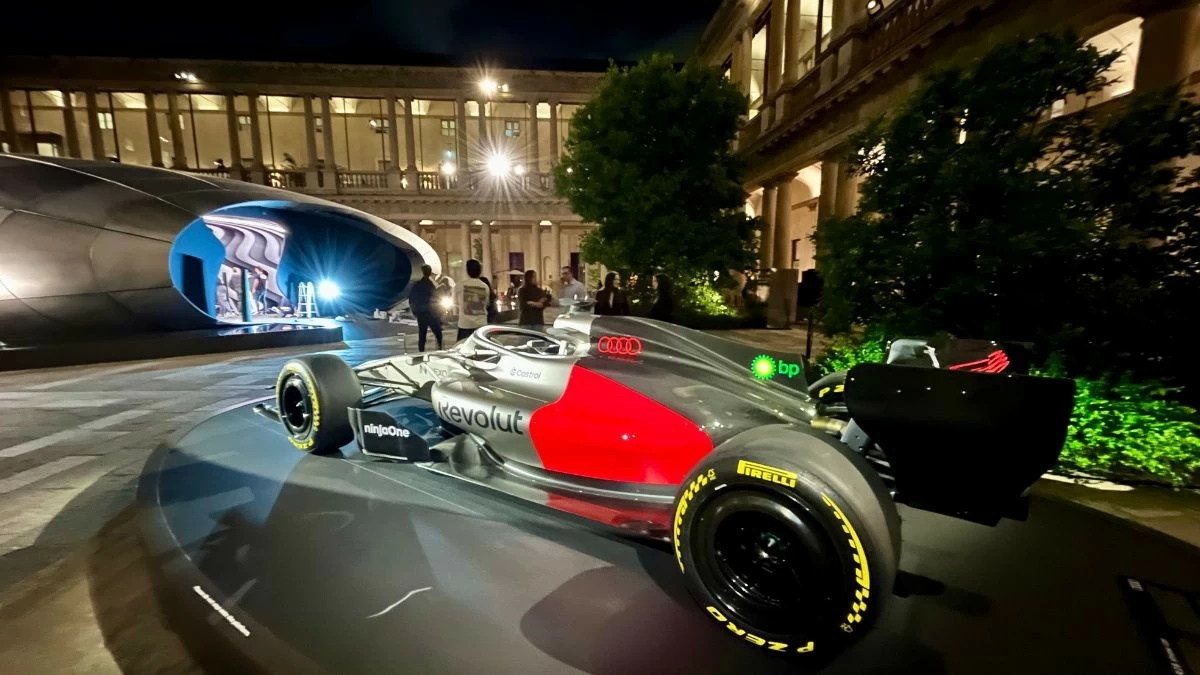
“Origin” by Audi Motors and Zaha Hadid Architects at Portrait Milano courtyard (Photo: J. Albert Gamboa)
Over at the historic Portrait Milano courtyard near the iconic Duomo, Audi Motors and Zaha Hadid Architects collaborated in presenting the “Origin” installation as a spatial manifesto of Audi’s new design philosophy: clarity, technicality, intelligence, and emotion.
Complementing MDW was the 2026 Milan Art Fair or MiArt at the Allianz MiCo Convention Center of the gentrified Portello district. In the evolving landscape of real estate, art has emerged as a critical driver of property value and urban vitality. This synergy was evident in the MiArt exhibits which celebrated its 30th year with the theme of “New Directions,” a nod to the improvisational spirit of jazz and its capacity for structural transformation.
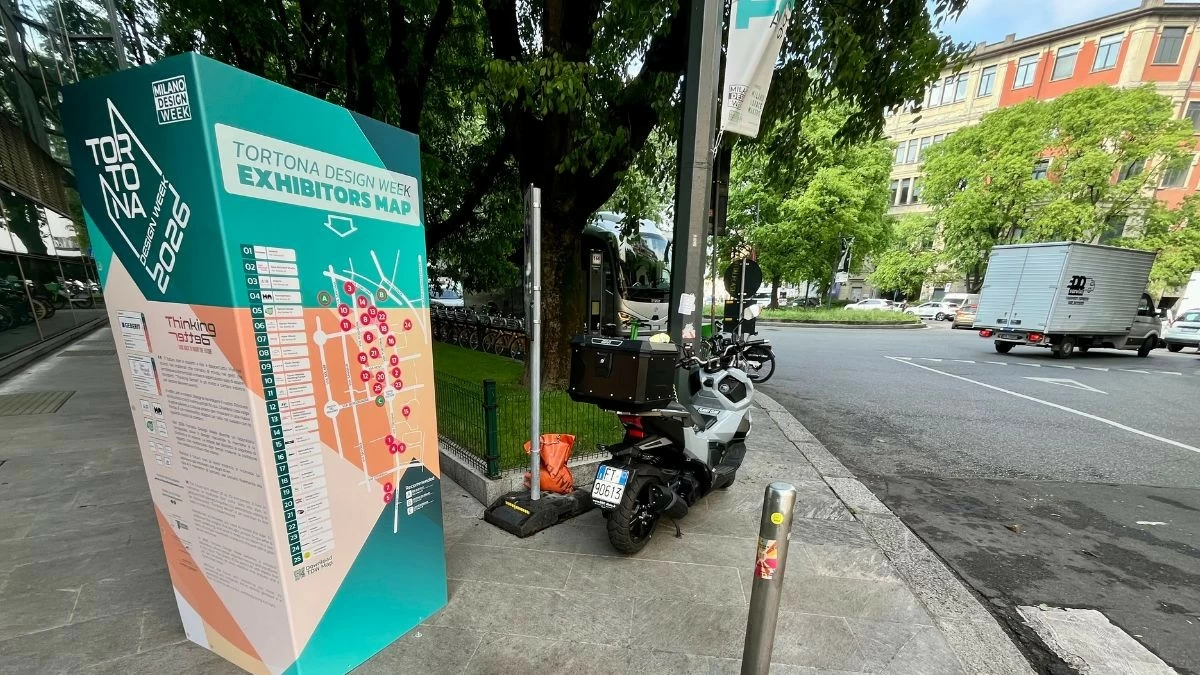
Tortona District was the centerpiece of Milan Design Week 2026. (Photo: J. Albert Gamboa)
A total of 160 participating galleries provided a roadmap for amenity-driven development. From the established anthology section, which bridged historical works with contemporary practice, to the experimental movements film program, the art fair demonstrated how cultural programming can be a catalyst for foot traffic and neighborhood branding.
The Allianz MiCo center itself sits within one of Europe’s largest urban regeneration projects, characterized by its distinctive lifestyle featuring the Three Towers designed by noted global architects. The massive facility is integrated into Milan’s CityLife public park and shopping district, providing a modern contrast to the historic center.
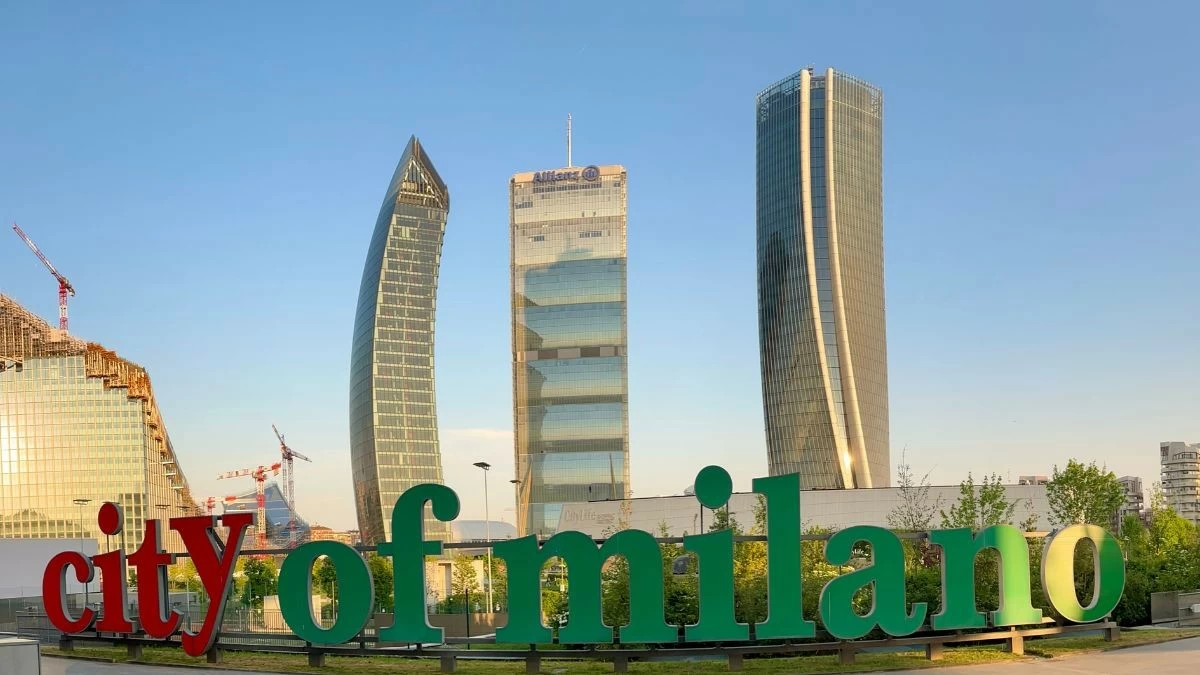
The Three Towers at CityLife District designed by acclaimed architects Daniel Libeskind, Arata Isozaki, and Zaha Hadid (Photo: J. Albert Gamboa)
The takeaway from Milan’s premier cultural events is clear: The future of premium living lies in the seamless integration of technology and nature. And as Philippine developers increasingly incorporate public art installations into their mixed-used townships, Allianz MiCo Center serves as a prime case study: When art is woven into the urban fabric, it doesn’t just decorate spaces, it creates a lifestyle destination.