







Maserati celebrates 100 years of the Trident in 2026
The Maserati Trident has spanned a century of history, racing victories, and iconic models
By Inigo Roces
Published May 4, 2026 10:05 am


At A Glance
- 2026 marks a year of extraordinary significance for Maserati, as it celebrates the first hundred years of its iconic logo, the Trident, as well as its first racing victory, achieved in 1926 at the Targa Florio.
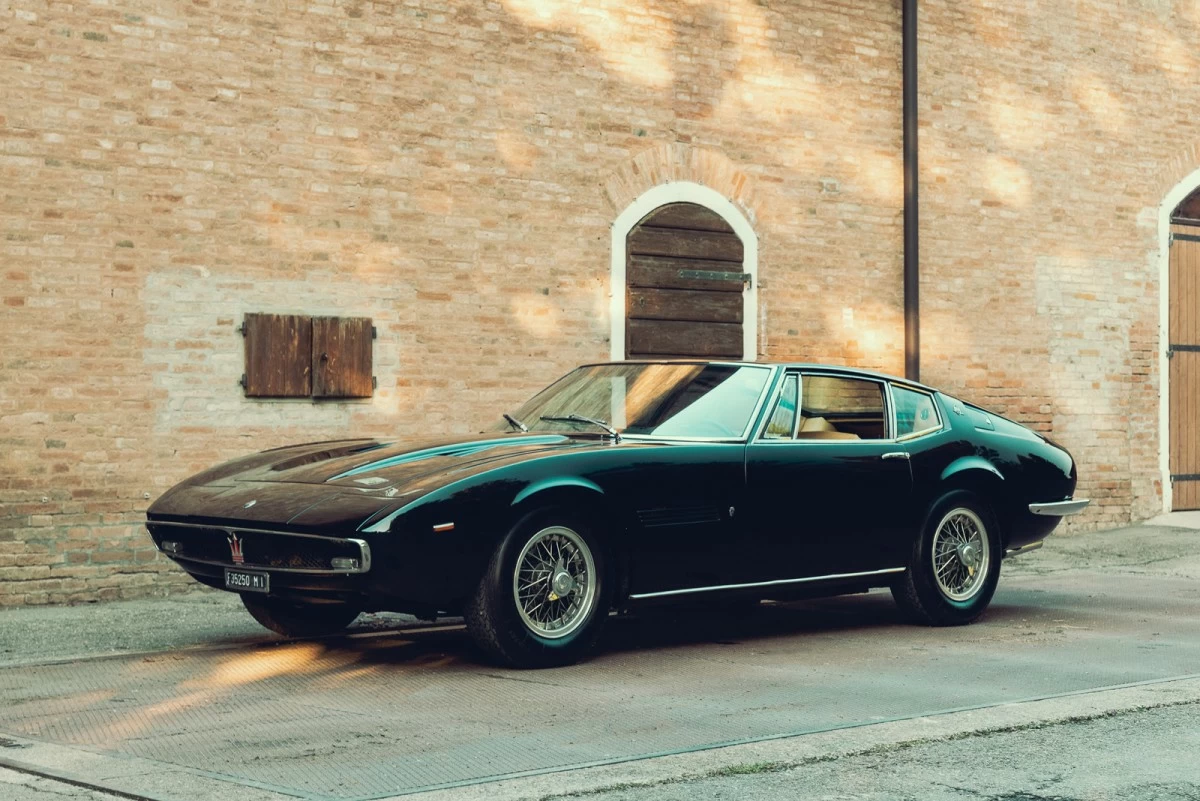
2026 marks a year of extraordinary significance for Maserati, as it celebrates the first hundred years of its iconic logo, the Trident, as well as its first racing victory, achieved in 1926 at the Targa Florio. It was on 25 April 1926 that Alfieri Maserati, at the wheel of the legendary Tipo 26, took first place in class and eighth overall, marking the beginning of a racing tradition that would help define the very identity of the brand. The symbol made its debut in that very competition and therefore embodies the origins, ambition and legacy of a Brand born to compete and win, both on the road and on the track.
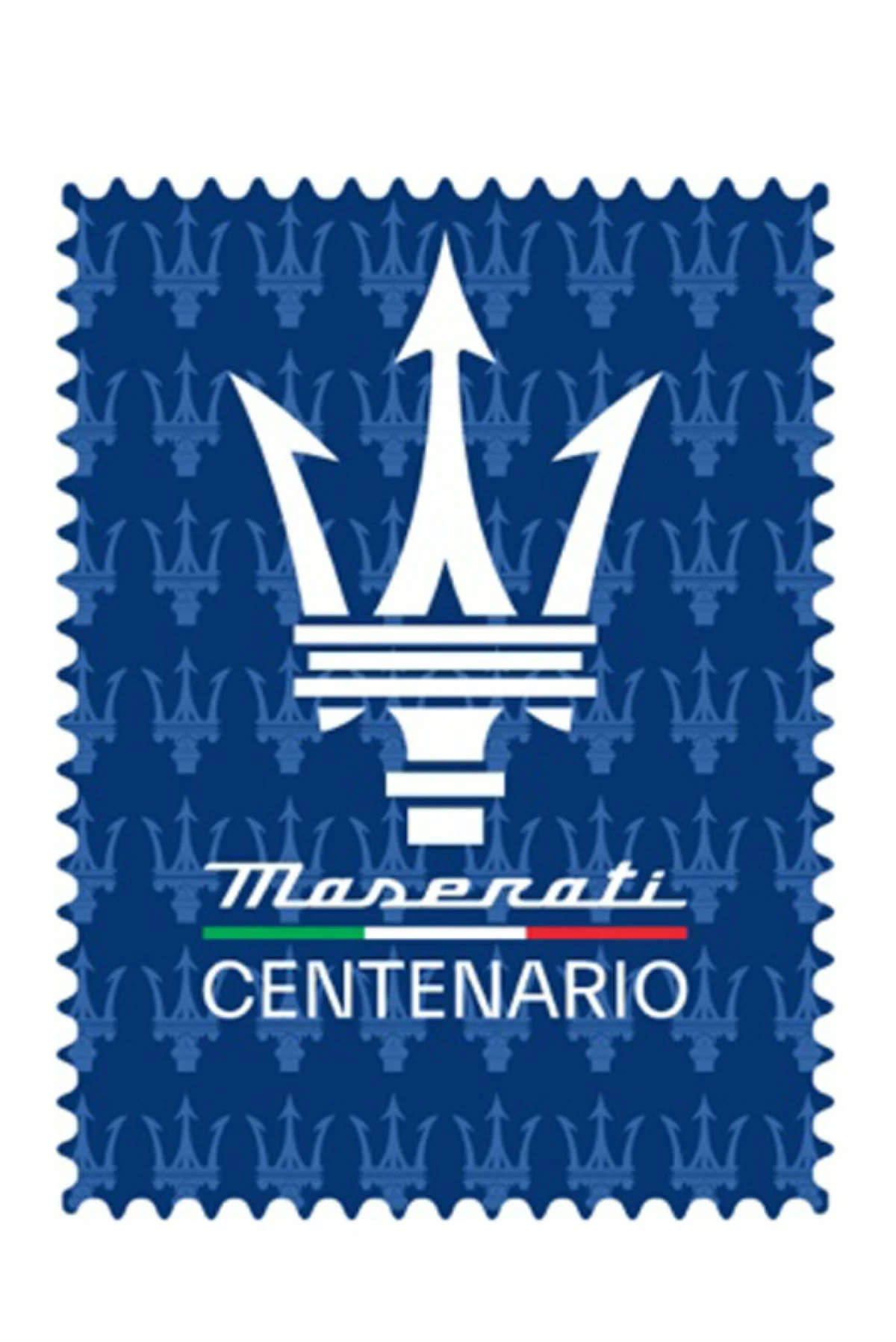
To commemorate this anniversary, the Sala degli Arazzi at Palazzo Piacentini in Rome — home to the Ministry of Enterprises and Made in Italy — the presentation and philatelic cancellation ceremony was held for the stamp dedicated to the Trident’s centenary, part of the thematic series “The Excellences of the Production and Economic System”.
The graphic design, created by Centro Stile Maserati and refined by the Istituto Poligrafico e Zecca dello Stato, brings the contemporary Trident into dialog with a pattern evoking the first examples from 1926, in a play of references that conveys continuity and coherence across a century-long evolution. Its roots lie in the Fountain of Neptune in Bologna, reinterpreted through a contemporary, essential and elegant aesthetic language. The tricolor band and the wording “CENTENARIO” complete a composition that strengthens the connection with Italian identity. Printed and distributed by Poste Italiane for everyday use and the collectors’ circuit, the stamp is accompanied by a dedicated philatelic folder, a further tool for promoting the country’s cultural and industrial excellence on a global scale.
100 years of Maserati on the track
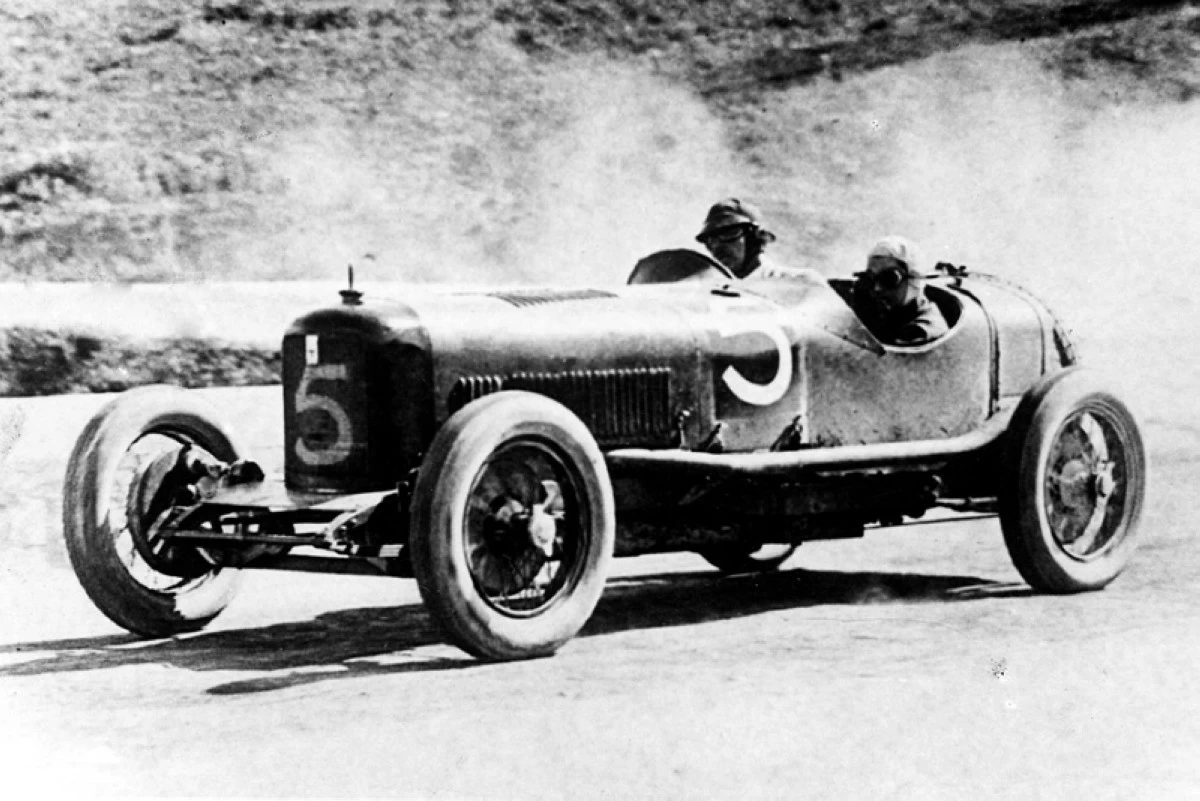
-L'auto aveva il telaio n.11
-Prima corsa ufficiale della Maserati e vittoria nella classe 1500 cc. (in classifica generale 9° posto).
The Maserati logo was officially born in 1926, but began to take shape as early as 1925, when Mario Maserati — the only artist in the family and the only brother not directly involved in the automotive business — created the first drawing of the Trident, now preserved in the Maserati archives in Modena. Its inspiration came from the Fountain of Neptune in Bologna, located just a few hundred meters from Maserati’s first workshop and a symbol deeply rooted in the city’s identity.
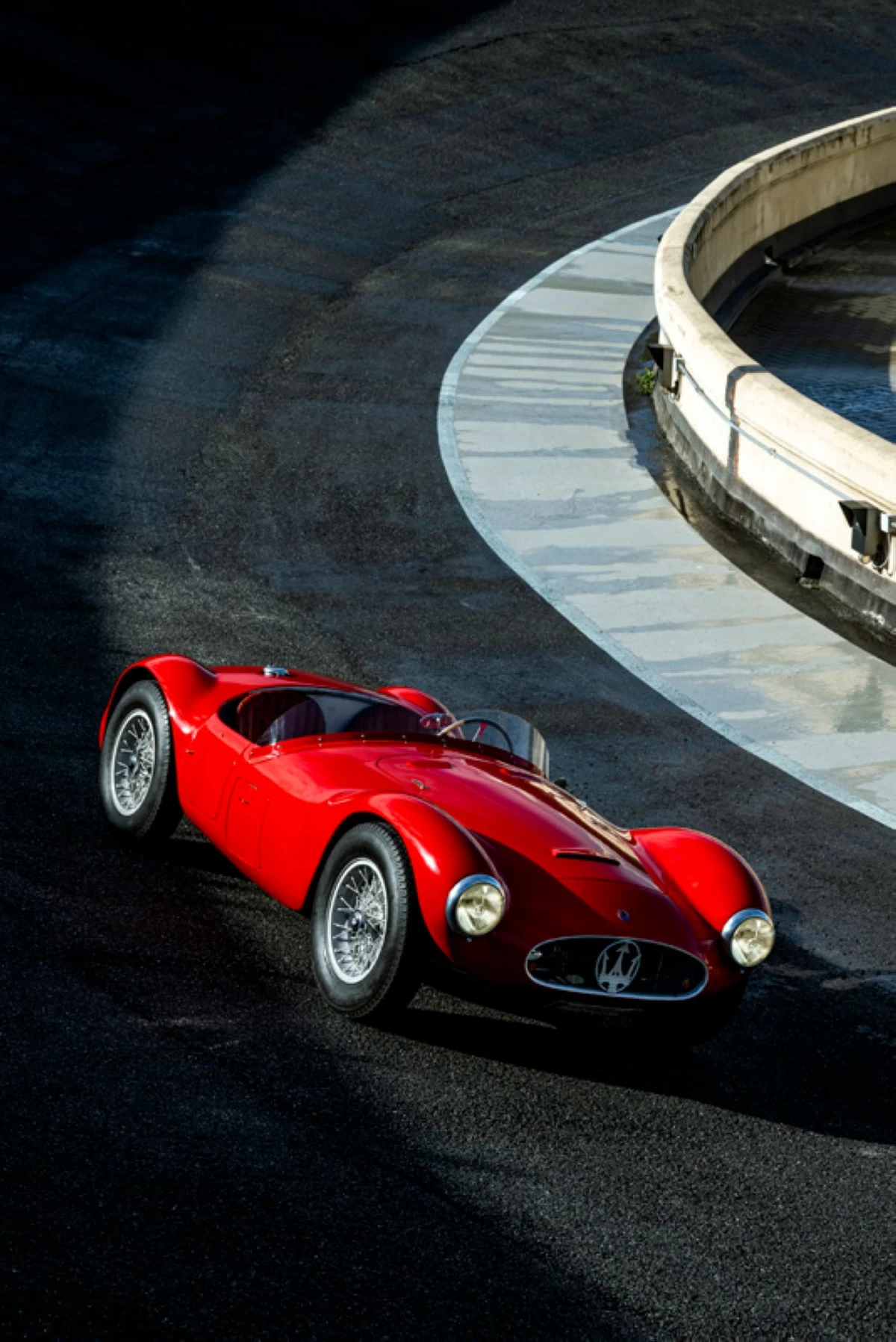
The Trident made its first official appearance that very year on the Tipo 26, the car with which Alfieri Maserati entered the Targa Florio, taking first place in the 1500 cc class. It was the first in a long series of successes, including two consecutive editions of the Indianapolis 500 in 1939 and 1940, four consecutive victories at the Targa Florio in 1937, 1938, 1939 and 1940, nine Formula 1 wins and the 1957 Formula 1 World Championship with Juan Manuel Fangio.

Prove stampa
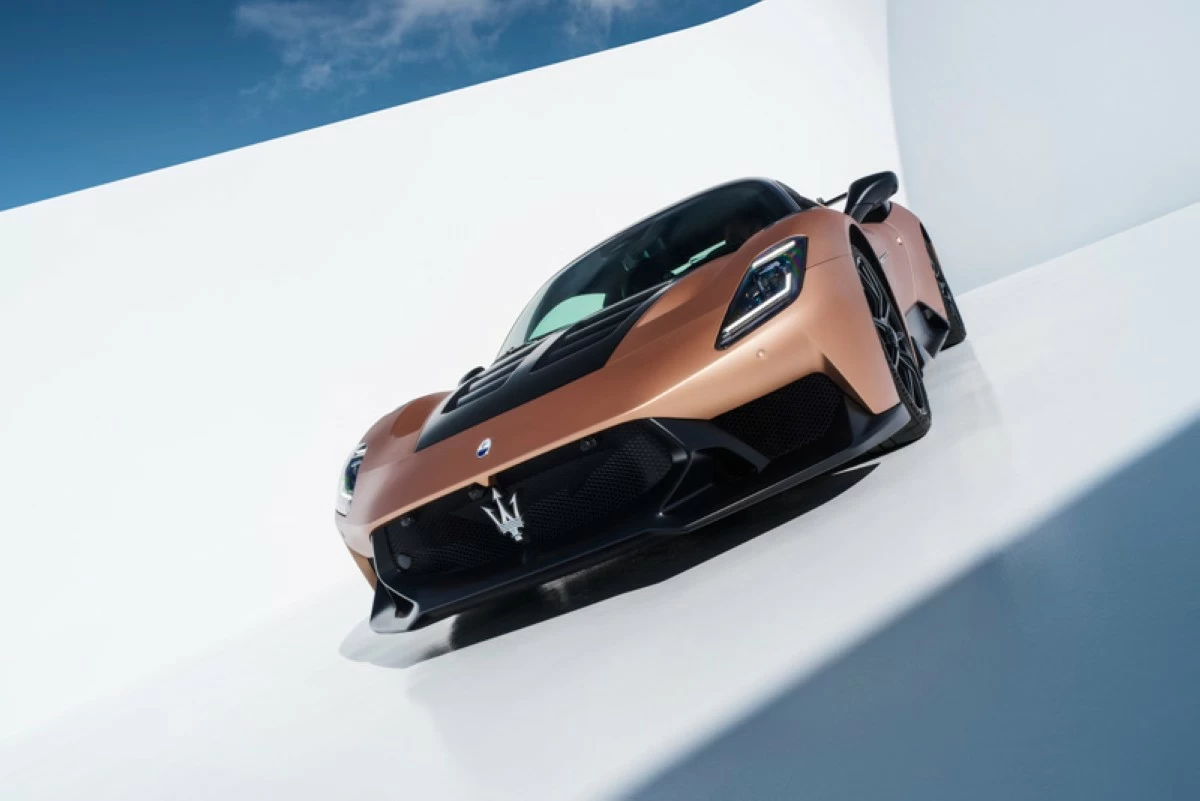
In more recent years, Maserati returned to victory with the MC12, a car that, from 2005 to 2010, claimed six international FIA GT championships, the highest expression of competition for GT cars derived from production models. Since 2023, the Maserati GT2 has brought the House of the Trident back to competing and winning in closed-wheel championships, and today it is eligible to take part in more than 20 championships around the world. In short, the Trident was born on the track, steeped in the dust of rough roads and sporting ambition, and for decades it meant one thing above all: competition. The bond with motorsport has never been entirely broken, not even in the years when Maserati focused its energy on road-car production.
|
The evolution of the Maserati symbol
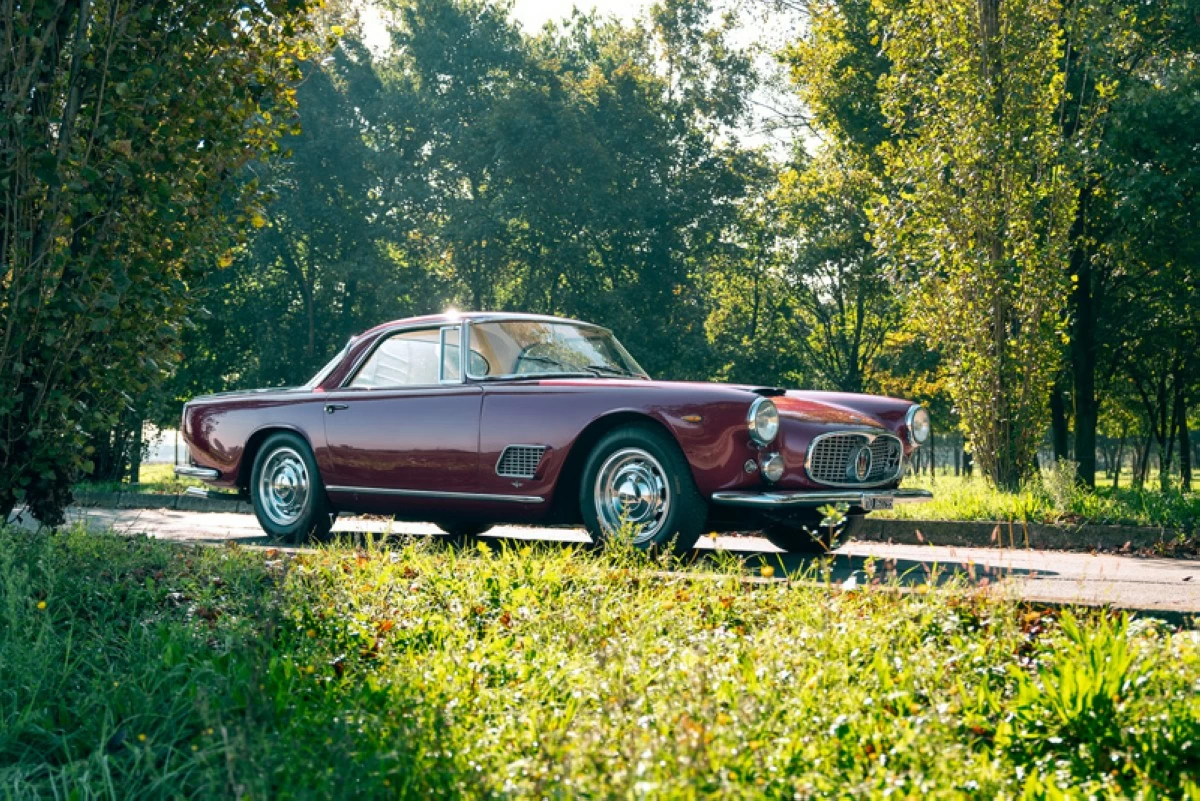
The first emblem, applied to the Tipo 26, was a rectangular badge featuring a dark Trident on a light background, a graphic solution that was nevertheless short-lived. As early as the early 1930s, the brand evolved towards the oval shape that would become iconic, adopting the red and blue colors of the city of Bologna and defining an identity destined to endure over time, with over forty years of substantial stability on both road cars and racing cars. In 1980, a version with a gold background was introduced and used across the entire production of the period, while in 1997 the logo was redesigned in terms of proportions and style, marking a new phase in the Brand’s relaunch.
The most recent evolution forms part of the so-called Maserati New Era, inaugurated by the MC20 in 2020, which introduced a substantial restyling of the logo, making the Trident more contemporary and elegant while preserving its historical identity. The intervention focused in particular on the proportions and design of the three points, with rounded side arrows to ensure greater visual continuity, a different relationship with the blue shield and a more dynamic overall composition. The oval was lightened both in its structure and in its chromatic treatment, with the removal of red in favour of a palette reduced to white and a deep blue - the so-called Blu Maserati - characterised by a lacquered effect.
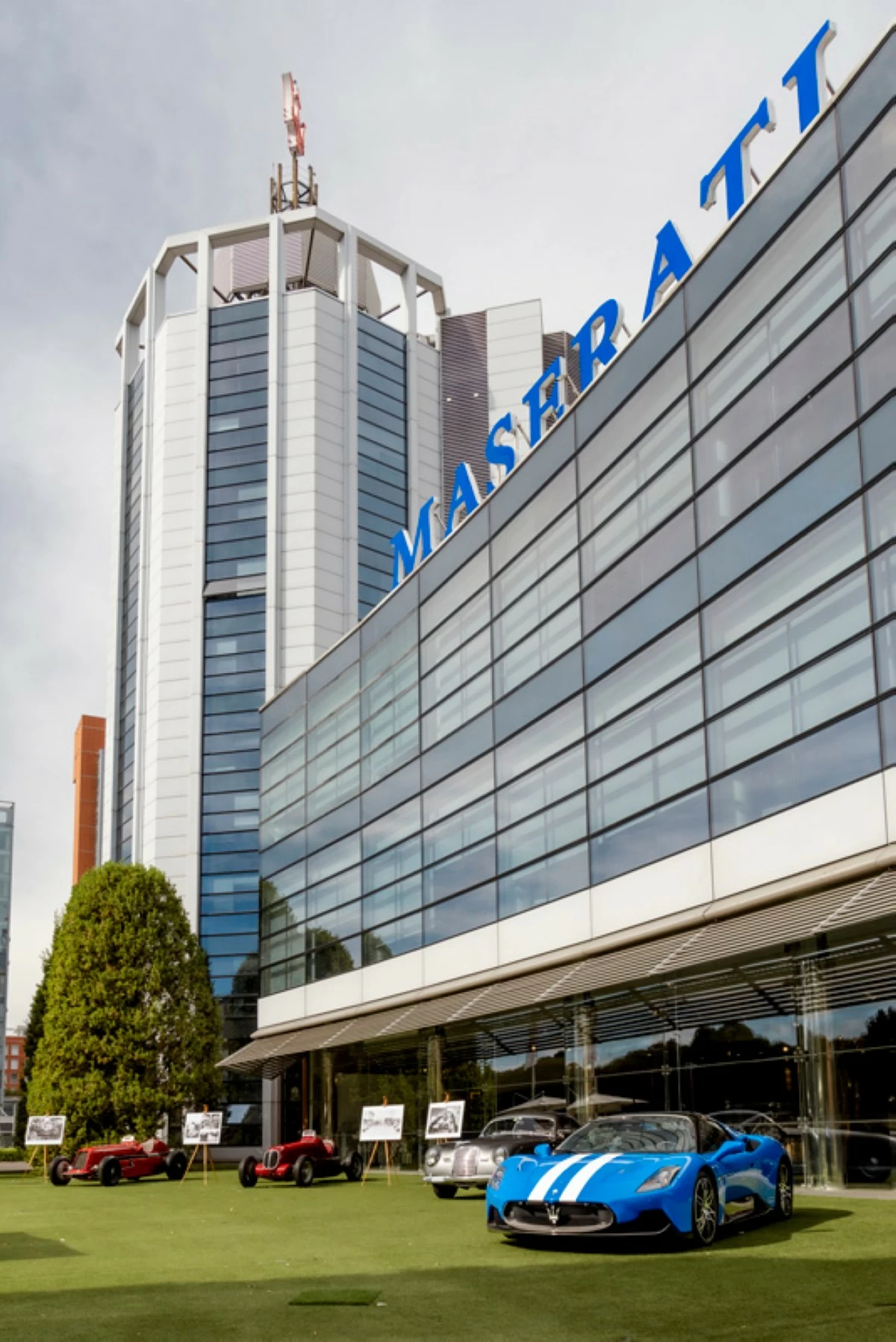
“The Trident embodies the most authentic soul of Maserati. Born on the racetrack in 1926, it carries with it the legacy of a company that learned to build cars in pursuit of tenths of a second,” said Santo Ficili, Maserati COO. “An invaluable heritage - made up of racing victories, iconic models and technical milestones - that the women and men of Maserati preserve and renew every day, in Modena and around the world. In 2026, we also celebrate 112 years since the company’s foundation, reaffirming our status as the longest-standing brand in the Motor Valley and one of the ambassadors of Made in Italy on the international stage. Few automotive brands can boast so many anniversaries of such significance. That is why we look to the future with the same solidity and strength with which we forged our past.”