






Manila Bulletin
 Environment and Sustainability
How French-Filipino collaboration is reshaping our urban landscape
Environment and Sustainability
How French-Filipino collaboration is reshaping our urban landscape
Environment and Sustainability
How French-Filipino collaboration is reshaping our urban landscape
How French-Filipino collaboration is reshaping our urban landscape
Published May 4, 2026 01:10 pm


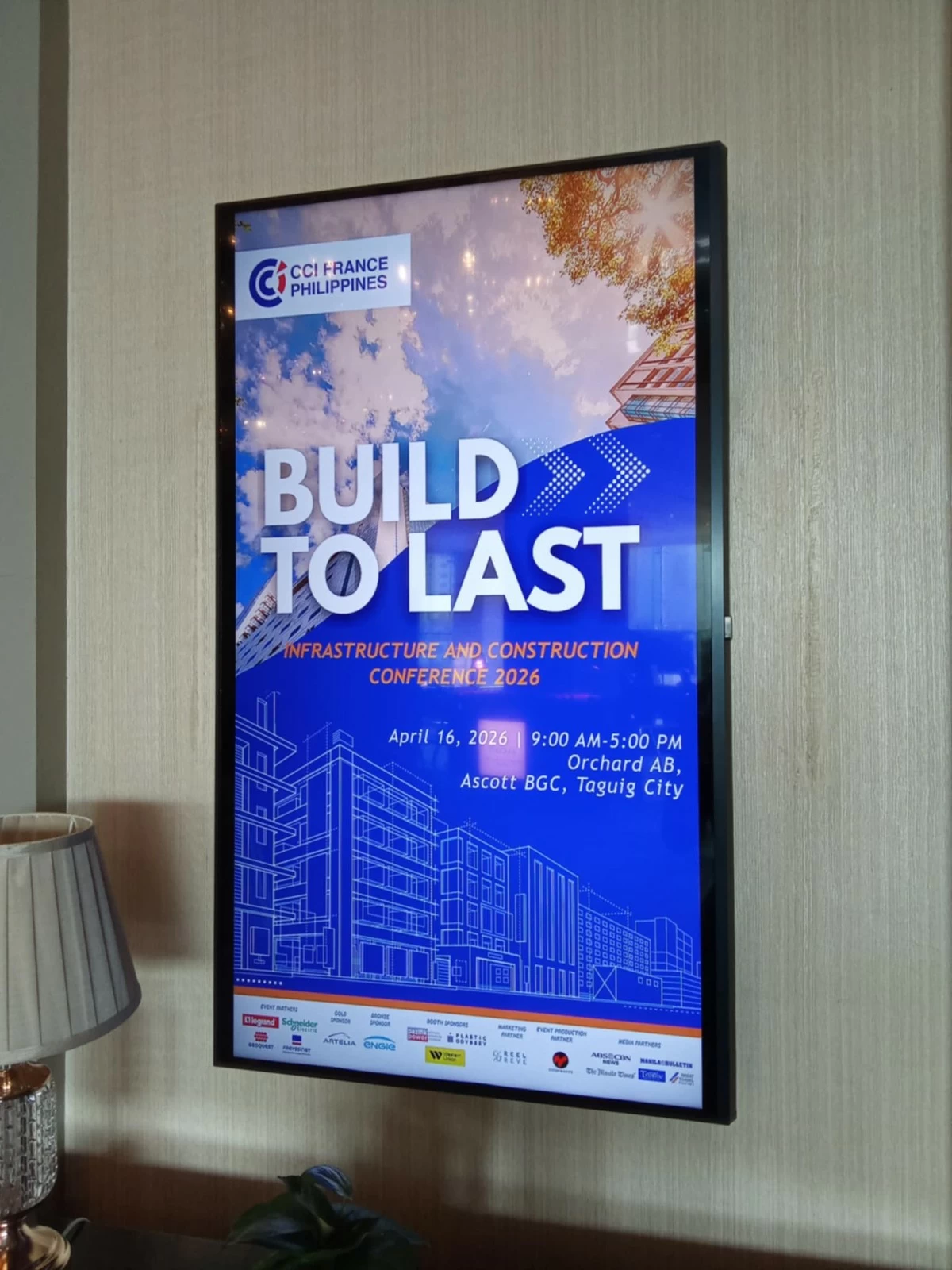
CCI France-Philippines "Built to Last" event.
“There’s no place like home” is more than a familiar phrase—it reflects a growing tension between development and responsibility. In the Philippines, where infrastructure expansion continues at a rapid pace, that tension is visible in the intersection of urban growth, environmental risk, and social inequality. The question is no longer confined to what gets built, but extends to who benefits, how long structures endure, and how they interact with an increasingly fragile environment.
These concerns framed discussions at the “Built to Last” conference organized by the French Chamber of Commerce and Industry Philippines (CCI France-Philippines), held on April 16, 2026, at Ascott Bonifacio Global City in Taguig. The event gathered representatives from government agencies, private firms, and industry groups to examine how infrastructure development is evolving alongside sustainability demands.
From dialogue to industry direction
The conference followed earlier initiatives such as “La Conférence Bleue,” but shifted focus toward the built environment, placing infrastructure, energy systems, and long-term resilience at the center of the conversation. Three sessions structured the program: sustainable energy, disaster-ready infrastructure, and next-generation systems.
Across these discussions, a consistent theme emerged: sustainability is no longer treated as an add-on, but as a condition shaping how projects are planned, financed, and maintained.
Infrastructure that endures
One of the clearest reflections of this shift came from the Department of Public Works and Highways (DPWH), where Undersecretary Nicasio A. Conti outlined the government’s current priorities. Rather than emphasizing new construction alone, he pointed to the backlog of unfinished projects and the need for consistent maintenance of existing infrastructure.
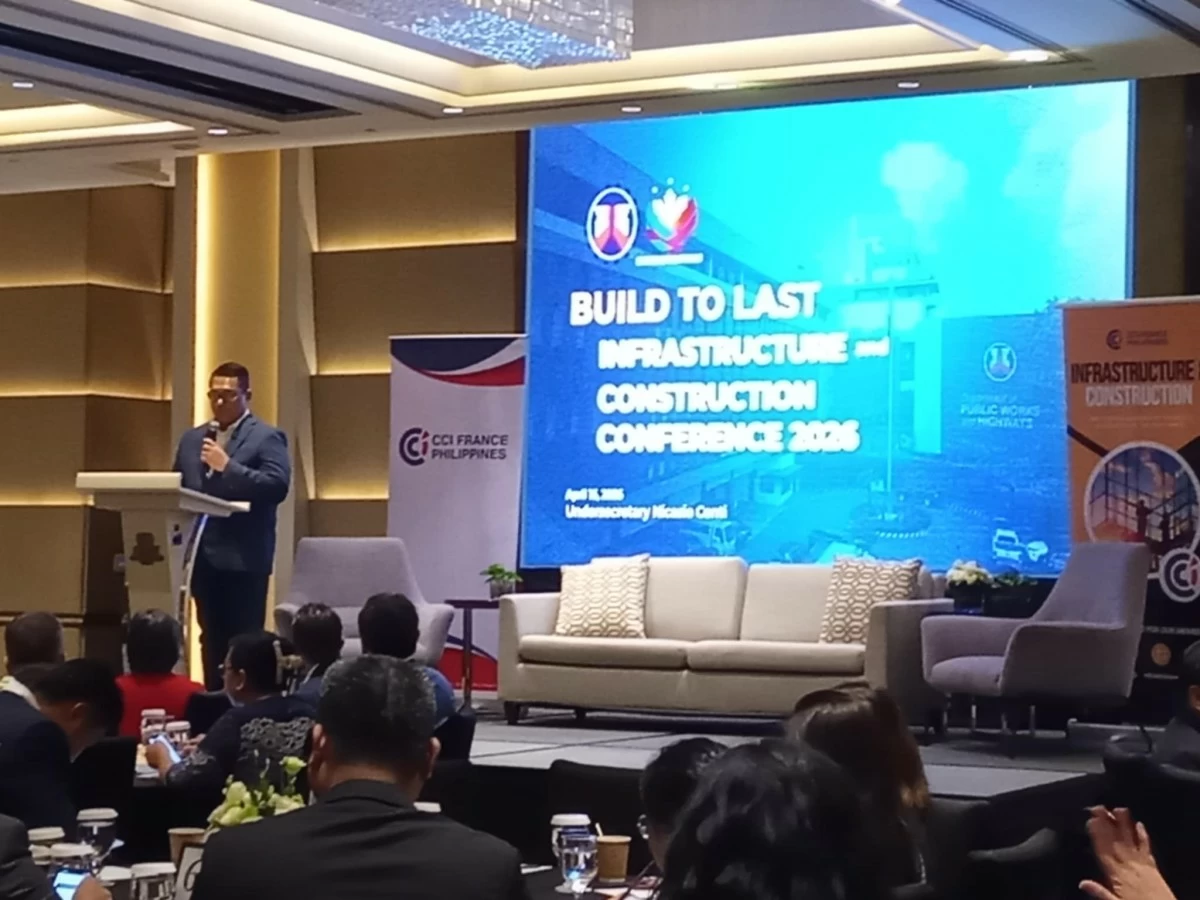
DPWH Undersecretary Nicasio A. Conti delivers his presentation during the 'Built to Last' conference. (Taken by Sean Fernando)
“Right now, we are focusing on two things. First, the proper and timely maintenance of our roads and bridges so they remain safe and functional for everyday use. This is especially important for major corridors. The other focus that we are working on is to finish all unfinished or incomplete projects. It doesn't make sense that we will be venturing into new programs or new projects if there are a lot of unfinished projects,” he said.
This approach is evident in ongoing efforts to rehabilitate key transport corridors such as EDSA, Maharlika Highway, and MacArthur Highway. These routes serve not only daily commuters but also the broader movement of goods across regions. Repairs and upgrades in provinces like Quezon, Pampanga, and Bulacan highlight how maintenance has become central to infrastructure planning.
Recent cases also underscore the importance of responsiveness. The restoration of the Davao-Bukidnon Road after its 2025 collapse, the monitoring of vulnerable structures like Maucan Bridge, and the rapid installation of a temporary steel bridge in Cabagan point to a system increasingly defined by how quickly it can recover and continue functioning.
Conti noted that infrastructure should not be judged solely at the point of turnover, but by its long-term performance and ability to consistently serve the public.
Energy as a structural driver
Parallel to these discussions, energy emerged as a central factor shaping the future of infrastructure. Marissa Cerezo, director of the Renewable Energy Management Bureau (REMB), emphasized how policy frameworks are being aligned to support large-scale renewable integration.
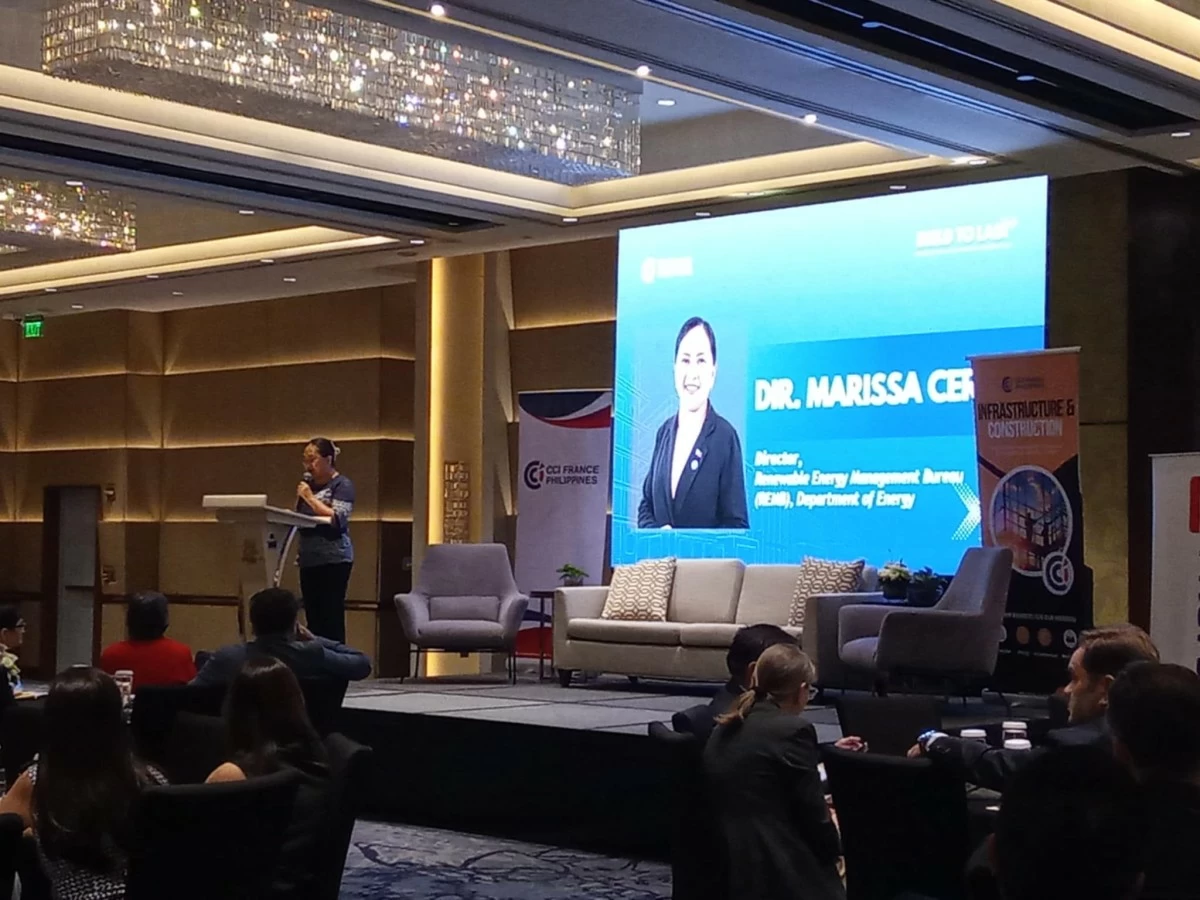
REMB Director Marissa Cerezo delivers her keynote speech during the 'Built to Last' conference. (Taken by Sean Fernando)
“At the Department of Energy, our role is not just regulation. It's system building. We design policies, develop programs, and facilitate markets so investors can move with clarity and confidence. Our national targets are clear: 35 percent renewable energy in the power mix by 2030, 50 percent by 2040, and more than 50 percent by 2050. These are not abstract goals. They translate into real projects, contracts, and construction demand, and they position renewables as the dominant energy source for future infrastructure. We've moved decisively from aspiration to execution. Under the Green Energy Auction Program, we already conducted four auction rounds with around 25 gigawatts of capacity,” she said.
These targets are already influencing construction demand. Renewable energy projects require new facilities, expanded transmission systems, and supporting infrastructure. Through programs like the Green Energy Auction, capacity is being translated into actual developments on the ground.
Converging sectors and building to last
The discussions at the conference pointed to a broader shift already taking shape across the sector. Seen in this light, the conference’s theme, “Built to Last,” extends beyond durability in construction. It reflects a longer-term direction for the industry, one that considers how systems can work together to support both growth and resilience.
While challenges remain, the conversations suggest a gradual alignment toward infrastructure that is not only functional, but adaptive and forward-looking, offering a more grounded sense of progress in how the country builds for the future.