ADVERTISEMENT

Impact of UAE's exit from OPEC

Published May 3, 2026 12:05 am  |  Updated May 2, 2026 03:47 pm
The United Arab Emirates’ decision to leave the Organization of the Petroleum Exporting Countries (OPEC) may be a signal of a structural shift in how oil power will be exercised in the decades ahead. As the cartel loses one of its largest and most technically advanced producers, the implications ripple far beyond the Persian Gulf. It touches global fuel markets, geopolitical alignments, and energy-dependent economies such as the Philippines.
In the mid-term, the UAE’s exit may not have much effect, but oil supply control and management may start to loosen. OPEC’s influence has long depended on coordinated production quotas to manage prices. By stepping outside that OPEC framework, the world’s third largest oil exporter gains the flexibility to further increase output based on its own economic priorities rather than collective targets. While UAE has pledged a “gradual and measured” increase, even incremental additional supply can soften prices, particularly in a market already shaped by fluctuating demand and the energy transition. This could exert mild downward pressure on global oil prices, especially if other producers follow suit or quietly exceed quotas.
However, the long-term picture is more complex. The UAE is not abandoning oil; it is repositioning itself as a more agile energy player, investing heavily in both hydrocarbons and renewables. Its departure may foreshadow a future where national strategies override cartel cohesion. If more countries prioritize domestic growth over coordinated restraint, OPEC’s ability to act as a price stabilizer could erode significantly. A weaker cartel may lead to more volatile price cycles.
Geopolitically, the move subtly reshapes alliances. OPEC, though an economic bloc, has historically functioned as a platform for political coordination among oil-producing states. The UAE’s exit suggests a willingness to pursue a more independent path, potentially aligning with a broader set of partners, including Western and Asian economies eager for stable supply. It also places quiet pressure on OPEC’s de facto leader, Saudi Arabia, whose influence may be tested if others begin to question the benefits of strict quota adherence.
For the Philippines, the implications are both immediate and strategic. As a country heavily reliant on imported oil, with much of it sourced from the Middle East, any shift that potentially increases global supply could be beneficial in the short to medium term. Lower or more stable prices would ease inflationary pressures, reduce transportation and electricity costs, and provide relief to households and businesses alike. In a nation where fuel prices directly affect food costs and daily commuting expenses, even modest price declines can have meaningful social impact.
Yet this benefit comes with caveats. A weakened OPEC could mean less predictability. The Philippines, which lacks significant domestic energy resources, is highly vulnerable to price volatility. If the long-term outcome of the UAE’s exit is a more fragmented and competitive oil market, price swings could become sharper and less manageable. This unpredictability complicates fiscal planning and underscores the urgency of diversifying energy sources, investing in renewables, and strengthening strategic reserves.
So is the UAE’s departure ultimately favorable or negative? In the near term, it leans favorable, introducing competitive pressure that may temper prices and benefit import-dependent economies like the Philippines. Over the long term, however, it raises concerns about market stability and the erosion of coordinated supply management.
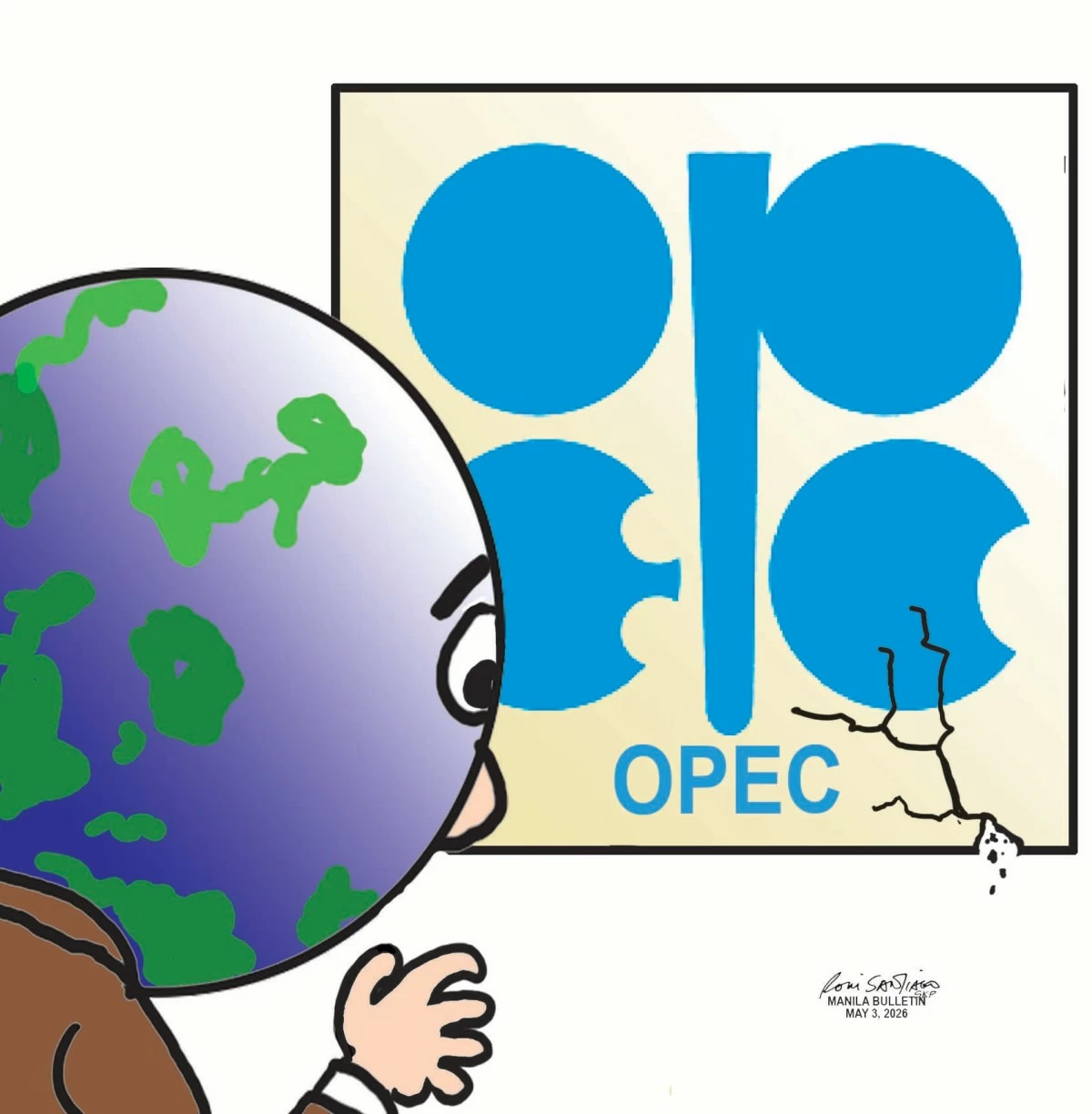
What is clear is that this is not an isolated event but part of a broader transformation. As energy markets evolve under the dual pressures of geopolitics and decarbonization, fractures are beginning to surface in the old mechanisms. The UAE’s exit from OPEC is one such fracture, small at first glance, but its consequence may be potentially seismic.

Related Tags

Editorial OPEC UAE
ADVERTISEMENT
.most-popular .layout-ratio{ padding-bottom: 79.13%; } @media (min-width: 768px) and (max-width: 1024px) { .widget-title { font-size: 15px !important; } }

{{ articles_filter_1561_widget.title }}

.most-popular .layout-ratio{ padding-bottom: 79.13%; } @media (min-width: 768px) and (max-width: 1024px) { .widget-title { font-size: 15px !important; } }

{{ articles_filter_1562_widget.title }}

.most-popular .layout-ratio{ padding-bottom: 79.13%; } @media (min-width: 768px) and (max-width: 1024px) { .widget-title { font-size: 15px !important; } }

{{ articles_filter_1563_widget.title }}

{{ articles_filter_1564_widget.title }}

.mb-article-details { position: relative; } .mb-article-details .article-body-preview, .mb-article-details .article-body-summary{ font-size: 17px; line-height: 30px; font-family: "Libre Caslon Text", serif; color: #000; } .mb-article-details .article-body-preview iframe , .mb-article-details .article-body-summary iframe{ width: 100%; margin: auto; } .read-more-background { background: linear-gradient(180deg, color(display-p3 1.000 1.000 1.000 / 0) 13.75%, color(display-p3 1.000 1.000 1.000 / 0.8) 30.79%, color(display-p3 1.000 1.000 1.000) 72.5%); position: absolute; height: 200px; width: 100%; bottom: 0; display: flex; justify-content: center; align-items: center; padding: 0; } .read-more-background a{ color: #000; } .read-more-btn { padding: 17px 45px; font-family: Inter; font-weight: 700; font-size: 18px; line-height: 16px; text-align: center; vertical-align: middle; border: 1px solid black; background-color: white; } .hidden { display: none; }
function initializeAllSwipers() { // Get all hidden inputs with cms_article_id document.querySelectorAll('[id^="cms_article_id_"]').forEach(function (input) { const cmsArticleId = input.value; const articleSelector = '#article-' + cmsArticleId + ' .body_images'; const swiperElement = document.querySelector(articleSelector); if (swiperElement && !swiperElement.classList.contains('swiper-initialized')) { new Swiper(articleSelector, { loop: true, pagination: false, navigation: { nextEl: '#article-' + cmsArticleId + ' .swiper-button-next', prevEl: '#article-' + cmsArticleId + ' .swiper-button-prev', }, }); } }); } setTimeout(initializeAllSwipers, 3000); const intersectionObserver = new IntersectionObserver( (entries) => { entries.forEach((entry) => { if (entry.isIntersecting) { const newUrl = entry.target.getAttribute("data-url"); if (newUrl) { history.pushState(null, null, newUrl); let article = entry.target; // Extract metadata const author = article.querySelector('.author-section').textContent.replace('By', '').trim(); const section = article.querySelector('.section-info ').textContent.replace(' ', ' '); const title = article.querySelector('.article-title h1').textContent; // Parse URL for Chartbeat path format const parsedUrl = new URL(newUrl, window.location.origin); const cleanUrl = parsedUrl.host + parsedUrl.pathname; // Update Chartbeat configuration if (typeof window._sf_async_config !== 'undefined') { window._sf_async_config.path = cleanUrl; window._sf_async_config.sections = section; window._sf_async_config.authors = author; } // Track virtual page view with Chartbeat if (typeof pSUPERFLY !== 'undefined' && typeof pSUPERFLY.virtualPage === 'function') { try { pSUPERFLY.virtualPage({ path: cleanUrl, title: title, sections: section, authors: author }); } catch (error) { console.error('ping error', error); } } // Optional: Update document title if (title && title !== document.title) { document.title = title; } } } }); }, { threshold: 0.1 } ); function showArticleBody(button) { const article = button.closest("article"); const summary = article.querySelector(".article-body-summary"); const body = article.querySelector(".article-body-preview"); const readMoreSection = article.querySelector(".read-more-background"); // Hide summary and read-more section summary.style.display = "none"; readMoreSection.style.display = "none"; // Show the full article body body.classList.remove("hidden"); } document.addEventListener("DOMContentLoaded", () => { let loadCount = 0; // Track how many times articles are loaded const offset = [1, 2, 3, 4, 5, 6, 7, 8, 9, 10]; // Offset values const currentUrl = window.location.pathname.substring(1); let isLoading = false; // Prevent multiple calls if (!currentUrl) { console.log("Current URL is invalid."); return; } const sentinel = document.getElementById("load-more-sentinel"); if (!sentinel) { console.log("Sentinel element not found."); return; } function isSentinelVisible() { const rect = sentinel.getBoundingClientRect(); return ( rect.top < window.innerHeight && rect.bottom >= 0 ); } function onScroll() { if (isLoading) return; if (isSentinelVisible()) { if (loadCount >= offset.length) { console.log("Maximum load attempts reached."); window.removeEventListener("scroll", onScroll); return; } isLoading = true; const currentOffset = offset[loadCount]; window.loadMoreItems().then(() => { let article = document.querySelector('#widget_1690 > div:nth-last-of-type(2) article'); intersectionObserver.observe(article) loadCount++; }).catch(error => { console.error("Error loading more items:", error); }).finally(() => { isLoading = false; }); } } window.addEventListener("scroll", onScroll); });

Sign up by email to receive news.