






Manila Bulletin
 Philippines
National
Why non-bailable? Jay Sonza's camp questions legal ground of bail denial
Philippines
National
Why non-bailable? Jay Sonza's camp questions legal ground of bail denial
Philippines
National
Why non-bailable? Jay Sonza's camp questions legal ground of bail denial
Why non-bailable? Jay Sonza's camp questions legal ground of bail denial
Published May 1, 2026 07:14 am


At A Glance
- Lawyer Mark Tolentino said the case of "unlawful publication" in relation to Cybercrime Prevention Act of 2012 and the Revised Penal Code is not punishable by life imprisonment or reclusion perpetua.
- He said denying the right to bail in the case is woring application of the law.
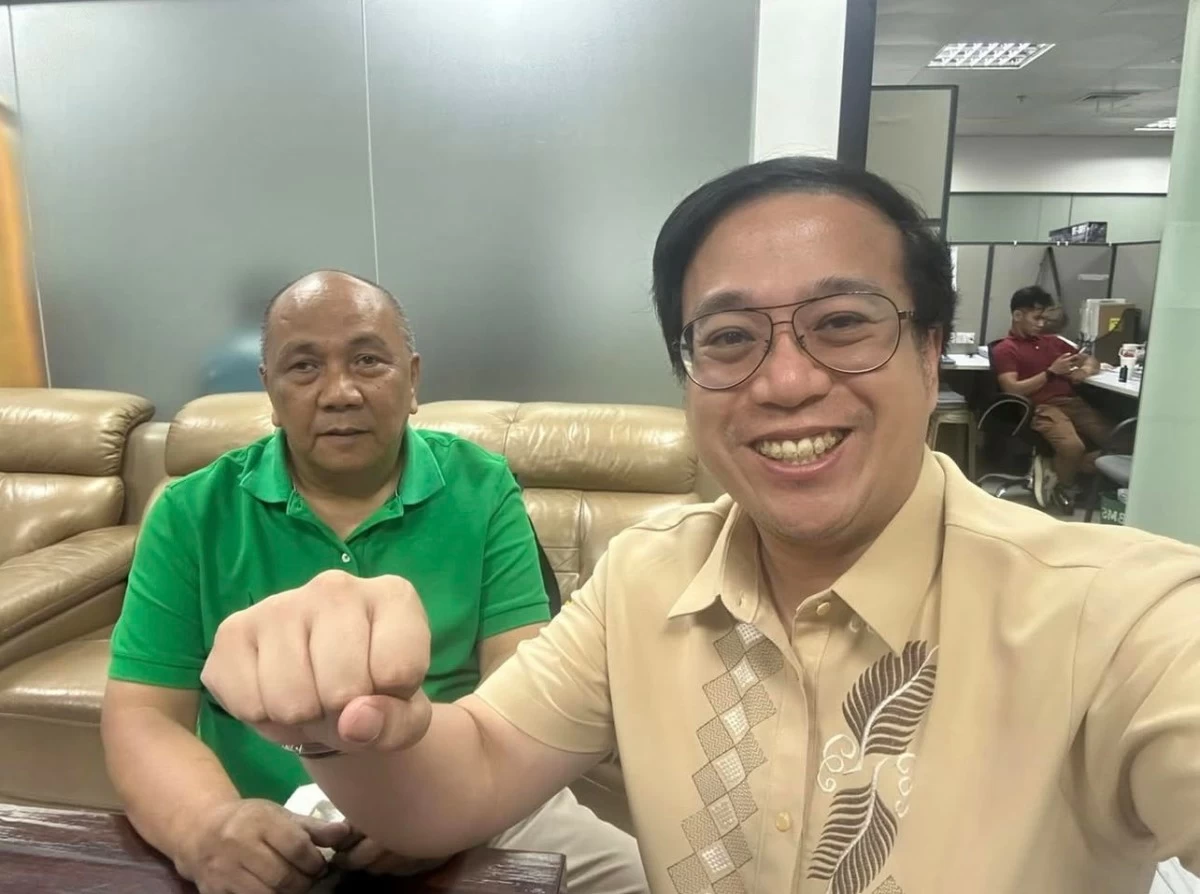
Former broadcast journalist Jay Sonza and his legal counsel Mark Tolentino. (photo: Atty. Mark Tolentino Facebook page)
The camp of former broadcast journalist Jay Sonza has questioned the legality of denying him the opportunity to post bail in connection with the cyberlibel case filed against him for allegedly spreading fake medical records of President Marcos.
For lawyer Mark Tolentino, Sonza’s legal counsel, the case of “unlawful publication” in relation to Cybercrime Prevention Act of 2012 and the Revised Penal Code is not punishable by life imprisonment or reclusion perpetua.
“Therefore, it is bailable as a matter of right,” said Tolentino in a Facebook post.
He was reacting to the arrest warrant issued by Branch 118 of Regional Trial Court in Pasay City which recommended no bail for the release of Sonza.
Sonza was arrested on Thursday night, April 20, at his house in Quezon City by agents of the National Bureau of Investigation , in connection with criminal charges filed by the agency in February this year for alleged dissemination of false medical information of the President.
Sonza was charged with Unlawful Use of Means of Publication and Unlawful Utterances (Article 154 of the Revised Penal Code), as amended by R.A. 10591, in relation to Section 6 of R.A. 10175 or the Cybercrime Prevention Act of 2012.
In a statement, the NBI said Sonza was among those responsible for circulating unverified and misleading medical information involving the President.
The posts included a purported CT-scan report and statements alleging deterioration in the President’s health, which were subsequently amplified across digital platforms.
“Despite the deletion or restriction of original posts, the NBI preserved the evidence through digital forensic methods, including authenticated screenshots and tracking of reposted content,” the statement read.
“These materials formed part of the evidence submitted before the Department of Justice, which led to the filing of charges and the eventual issuance of the warrant,” it added.
For his part, Tolentino said the decision to make the cases non-bailable is a wrong application of the law.
“We will act immediately to assert the right to post bail under the 1987 Constitution,” he said.