ADVERTISEMENT

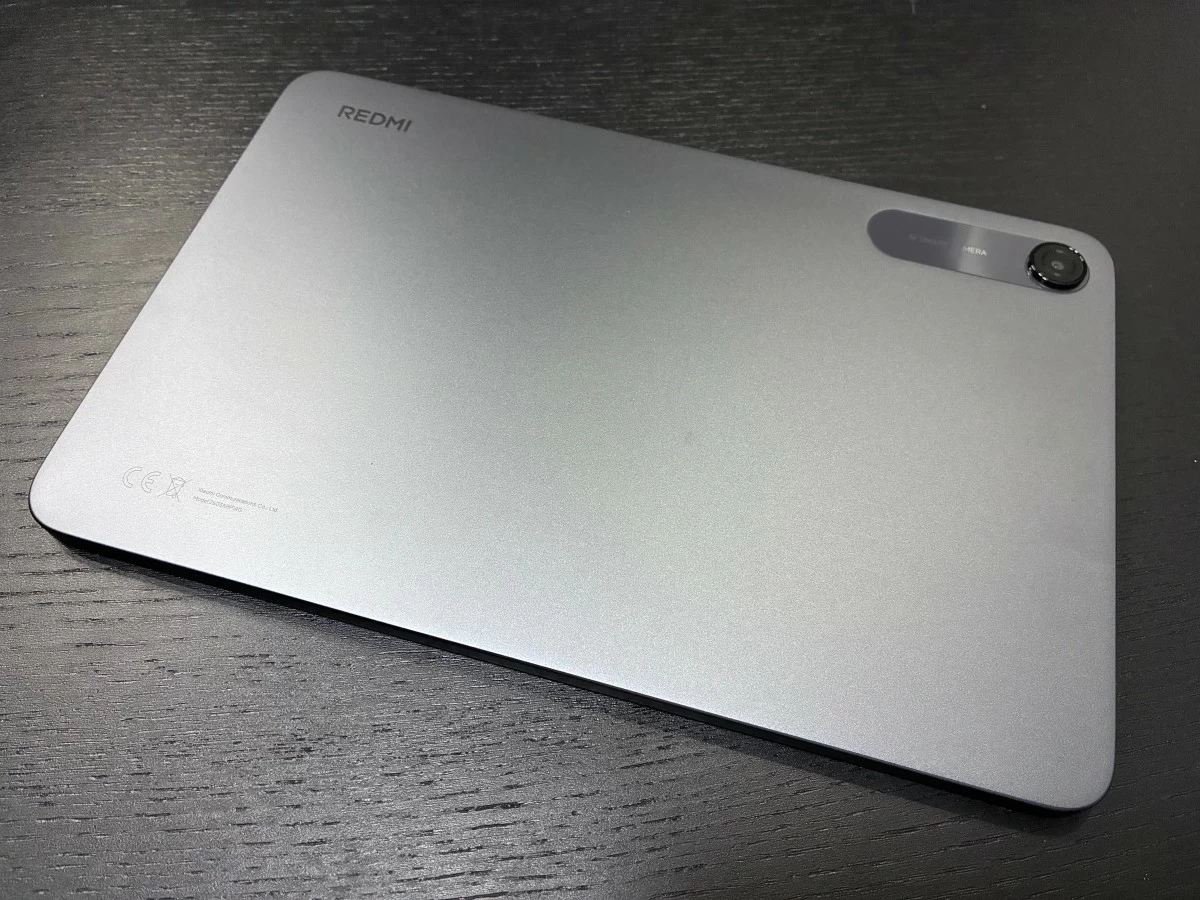
REDMI Pad 2 9.7 is a dependable tablet that gets the job done

Published May 1, 2026 07:04 pm
REDMI has risen to become a champion for devices that are dependable without burning a hole in your pocket.
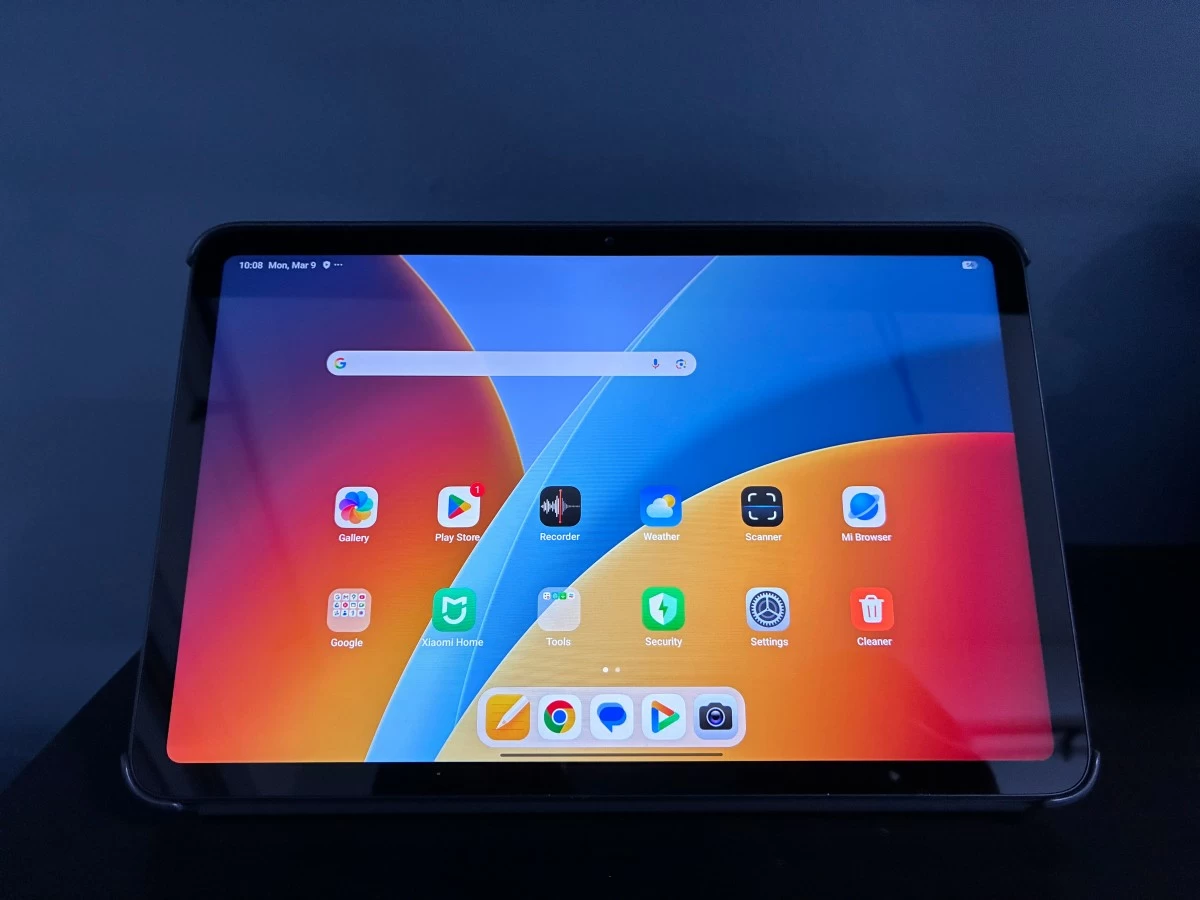
The REDMI Pad 2 9.7 leads with its most compelling asset: a 9.7-inch display running at 2K resolution with a 120Hz refresh rate. That combination is genuinely impressive at this tier. Text is crisp, scrolling is buttery smooth, and the panel has enough pixel density to make reading, streaming, and browsing feel premium rather than compromised.
The 120Hz refresh rate isn't just a spec-sheet boast, it makes daily navigation feel snappy and responsive, giving the tablet a sense of fluidity that punches above its class. For content consumption especially, this screen is a highlight.
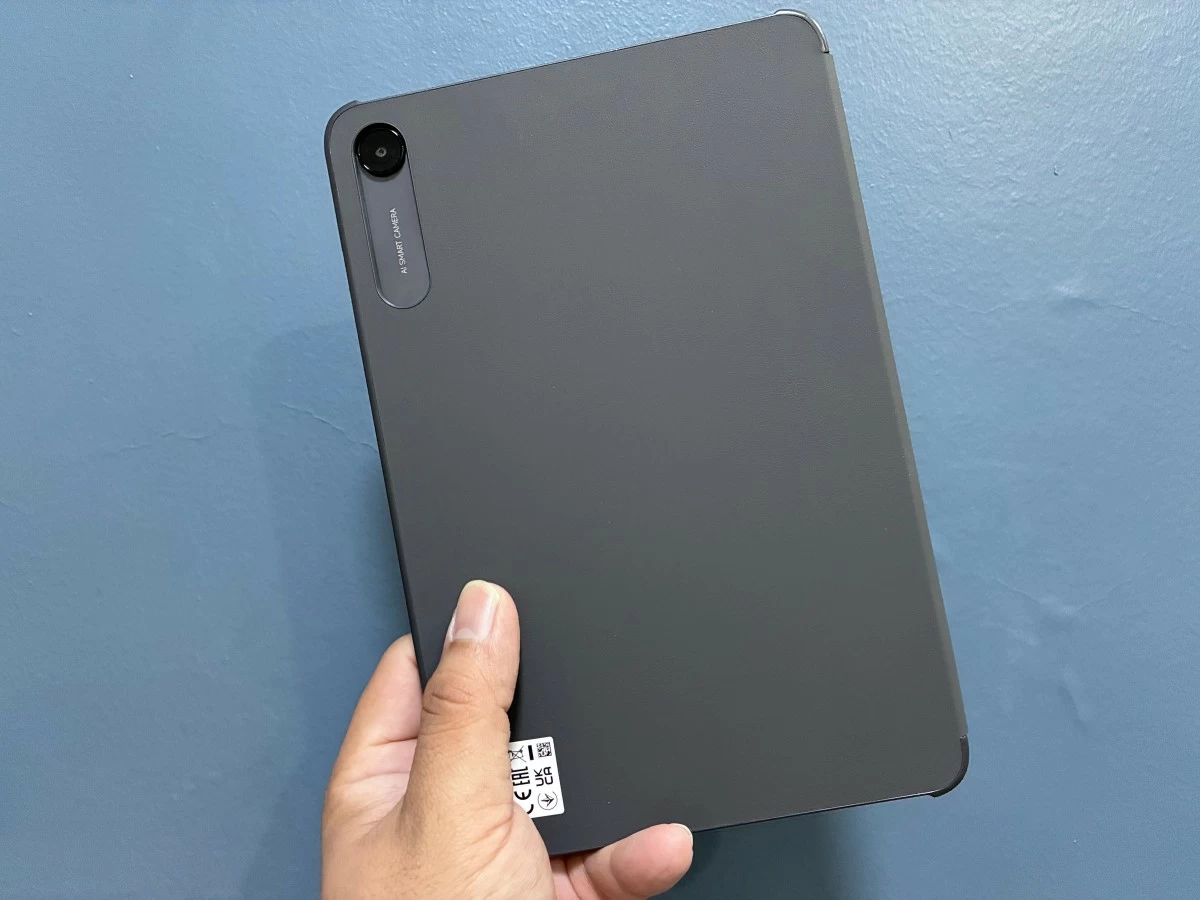
Under the hood sits Qualcomm's Snapdragon 6s 4G Gen 2, a competent mid-range chipset that handles everyday workloads without complaint. Browsing, light productivity tasks, video playback, and casual social media use all feel smooth, aided by the 120Hz display's responsiveness.
Where expectations need to be managed is in sustained heavy workloads. Demanding games or intensive multitasking will reveal the chip's ceiling. It's a processor built for endurance and efficiency, not raw power.
If the display is the headline, the battery is what makes it practical. The 7,600mAh is substantial, and paired with the efficiency-focused Snapdragon 6s 4G Gen 2, this tablet should deliver multi-day battery life under typical use. Heavy streaming or gaming will drain it faster, but even then, anxiety about battery life is unlikely to be a constant concern.
For students, frequent travelers, or anyone who hates reaching for a charger mid-day, this is a real differentiator. The combination of a power-efficient chip and a large cell is a well-matched pairing.
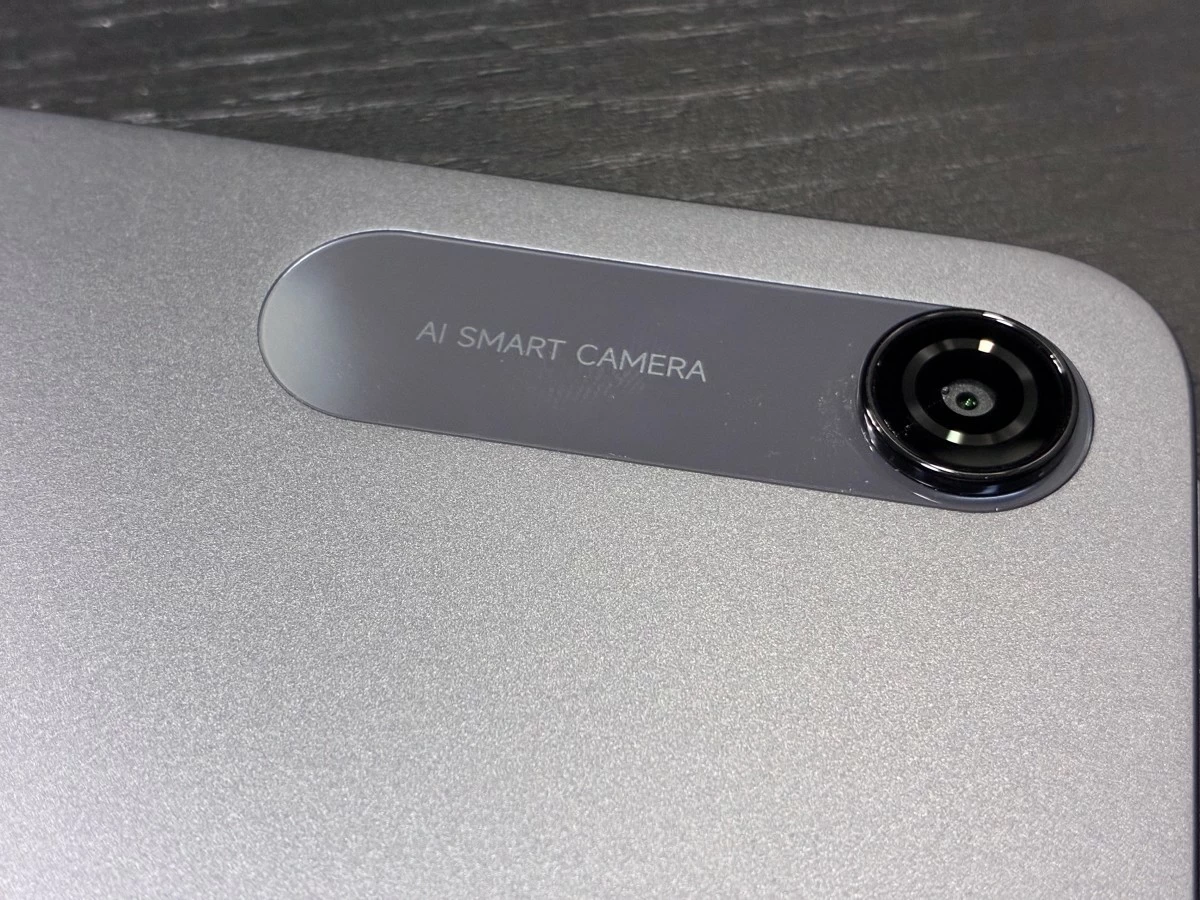
The camera setup consists of an 8MP rear shooter and a 5MP front camera. On a tablet, cameras are rarely a primary selling point, and the REDMI Pad 2 doesn't pretend otherwise. The rear 8MP sensor is adequate for quick document scans, whiteboards, or the occasional snapshot when a phone isn't handy.
The 5MP front camera is where the more relevant use case lives: video calls. It's sufficient for clear video conferencing on a 9.7-inch display, which is the scenario most users will rely on it for. Neither camera will replace your smartphone, but both do their jobs without embarrassment.
Overall, the REDMI Pad 2 9.7 is a champion in this weight class. It’s dependable, capable in delivering its entertainment with style, and a solid piece of tech all in all.

Related Tags

REDMI REDMI Pad 2 9.7 REDMI tablet REDMI Pad 2 specs REDMI Pad 2 review REDMI 2026
ADVERTISEMENT
.most-popular .layout-ratio{ padding-bottom: 79.13%; } @media (min-width: 768px) and (max-width: 1024px) { .widget-title { font-size: 15px !important; } }

{{ articles_filter_1561_widget.title }}

.most-popular .layout-ratio{ padding-bottom: 79.13%; } @media (min-width: 768px) and (max-width: 1024px) { .widget-title { font-size: 15px !important; } }

{{ articles_filter_1562_widget.title }}

.most-popular .layout-ratio{ padding-bottom: 79.13%; } @media (min-width: 768px) and (max-width: 1024px) { .widget-title { font-size: 15px !important; } }

{{ articles_filter_1563_widget.title }}

{{ articles_filter_1564_widget.title }}

.mb-article-details { position: relative; } .mb-article-details .article-body-preview, .mb-article-details .article-body-summary{ font-size: 17px; line-height: 30px; font-family: "Libre Caslon Text", serif; color: #000; } .mb-article-details .article-body-preview iframe , .mb-article-details .article-body-summary iframe{ width: 100%; margin: auto; } .read-more-background { background: linear-gradient(180deg, color(display-p3 1.000 1.000 1.000 / 0) 13.75%, color(display-p3 1.000 1.000 1.000 / 0.8) 30.79%, color(display-p3 1.000 1.000 1.000) 72.5%); position: absolute; height: 200px; width: 100%; bottom: 0; display: flex; justify-content: center; align-items: center; padding: 0; } .read-more-background a{ color: #000; } .read-more-btn { padding: 17px 45px; font-family: Inter; font-weight: 700; font-size: 18px; line-height: 16px; text-align: center; vertical-align: middle; border: 1px solid black; background-color: white; } .hidden { display: none; }
function initializeAllSwipers() { // Get all hidden inputs with cms_article_id document.querySelectorAll('[id^="cms_article_id_"]').forEach(function (input) { const cmsArticleId = input.value; const articleSelector = '#article-' + cmsArticleId + ' .body_images'; const swiperElement = document.querySelector(articleSelector); if (swiperElement && !swiperElement.classList.contains('swiper-initialized')) { new Swiper(articleSelector, { loop: true, pagination: false, navigation: { nextEl: '#article-' + cmsArticleId + ' .swiper-button-next', prevEl: '#article-' + cmsArticleId + ' .swiper-button-prev', }, }); } }); } setTimeout(initializeAllSwipers, 3000); const intersectionObserver = new IntersectionObserver( (entries) => { entries.forEach((entry) => { if (entry.isIntersecting) { const newUrl = entry.target.getAttribute("data-url"); if (newUrl) { history.pushState(null, null, newUrl); let article = entry.target; // Extract metadata const author = article.querySelector('.author-section').textContent.replace('By', '').trim(); const section = article.querySelector('.section-info ').textContent.replace(' ', ' '); const title = article.querySelector('.article-title h1').textContent; // Parse URL for Chartbeat path format const parsedUrl = new URL(newUrl, window.location.origin); const cleanUrl = parsedUrl.host + parsedUrl.pathname; // Update Chartbeat configuration if (typeof window._sf_async_config !== 'undefined') { window._sf_async_config.path = cleanUrl; window._sf_async_config.sections = section; window._sf_async_config.authors = author; } // Track virtual page view with Chartbeat if (typeof pSUPERFLY !== 'undefined' && typeof pSUPERFLY.virtualPage === 'function') { try { pSUPERFLY.virtualPage({ path: cleanUrl, title: title, sections: section, authors: author }); } catch (error) { console.error('ping error', error); } } // Optional: Update document title if (title && title !== document.title) { document.title = title; } } } }); }, { threshold: 0.1 } ); function showArticleBody(button) { const article = button.closest("article"); const summary = article.querySelector(".article-body-summary"); const body = article.querySelector(".article-body-preview"); const readMoreSection = article.querySelector(".read-more-background"); // Hide summary and read-more section summary.style.display = "none"; readMoreSection.style.display = "none"; // Show the full article body body.classList.remove("hidden"); } document.addEventListener("DOMContentLoaded", () => { let loadCount = 0; // Track how many times articles are loaded const offset = [1, 2, 3, 4, 5, 6, 7, 8, 9, 10]; // Offset values const currentUrl = window.location.pathname.substring(1); let isLoading = false; // Prevent multiple calls if (!currentUrl) { console.log("Current URL is invalid."); return; } const sentinel = document.getElementById("load-more-sentinel"); if (!sentinel) { console.log("Sentinel element not found."); return; } function isSentinelVisible() { const rect = sentinel.getBoundingClientRect(); return ( rect.top < window.innerHeight && rect.bottom >= 0 ); } function onScroll() { if (isLoading) return; if (isSentinelVisible()) { if (loadCount >= offset.length) { console.log("Maximum load attempts reached."); window.removeEventListener("scroll", onScroll); return; } isLoading = true; const currentOffset = offset[loadCount]; window.loadMoreItems().then(() => { let article = document.querySelector('#widget_1690 > div:nth-last-of-type(2) article'); intersectionObserver.observe(article) loadCount++; }).catch(error => { console.error("Error loading more items:", error); }).finally(() => { isLoading = false; }); } } window.addEventListener("scroll", onScroll); });

Sign up by email to receive news.