







Middle East tensions set to end three weeks of fuel rollbacks
Published May 1, 2026 11:21 am
|
Updated May 1, 2026 02:07 pm


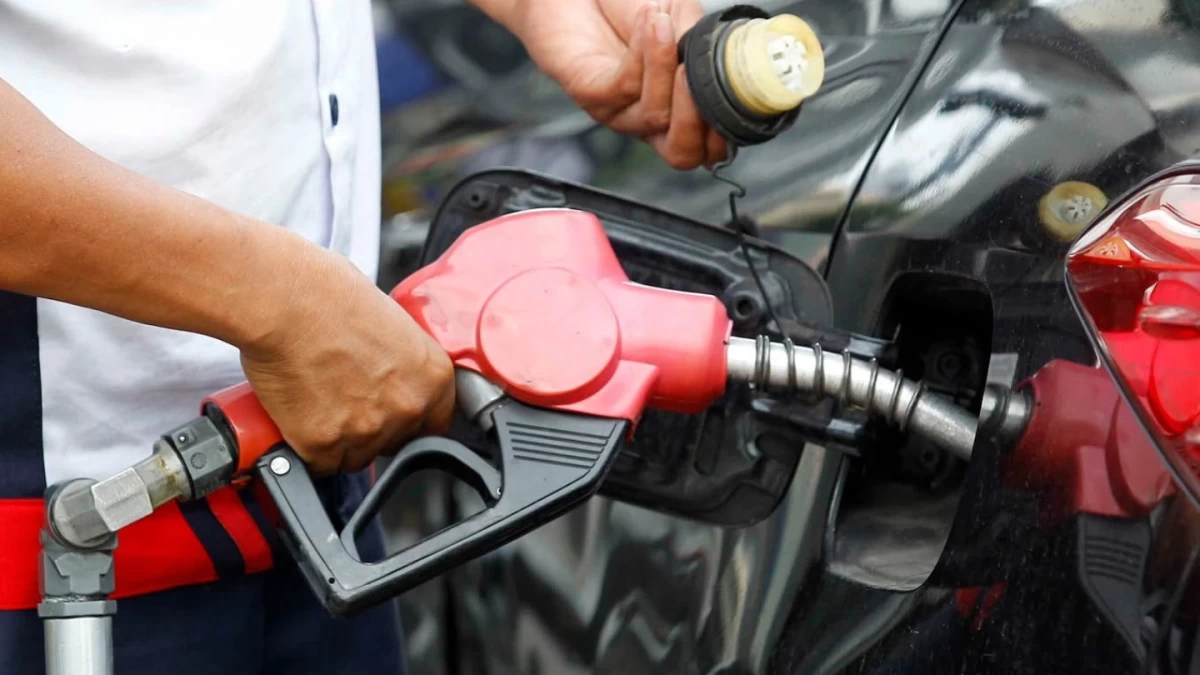
(Manila Bulletin file photo I Mark Balmores)
Motorists face a sharp reversal at the fuel pumps next week as the three-week streak of price cuts comes to a halt amid escalating geopolitical tensions and tightening regional supplies.
Based on the four-day trading average of the Mean of Platts Singapore, the industry’s regional benchmark, diesel prices are projected to rise by ₱1 to ₱2 per liter. Gasoline prices are expected to see an even steeper climb, with an estimated increase of ₱2 to ₱3 per liter.
The Department of Energy (DOE) is set to announce the final price adjustments on Monday, May 4, which will take effect at most retail stations the following morning.
The abrupt shift follows renewed volatility in the Strait of Hormuz. Recent attacks on commercial vessels have reignited fears of supply disruptions, prompting traders to bake a significant risk premium into crude and refined product prices. This geopolitical friction has bolstered the Asian gasoline market complex, which was already showing signs of strength due to dwindling global inventories and a tightening of regional balances.
According to data from the DOE, the impending hikes will further strain consumers who have already navigated significant price swings this year. As of the latest monitoring, the cumulative net increases for 2026 stand at ₱44.23 per liter for gasoline, ₱48.96 per liter for diesel, and ₱57.99 per liter for kerosene.
While the recent three-week rollback provided temporary relief, the current trajectory suggests those gains will be largely erased by Tuesday’s adjustments.
Market analysts noted that the outlook for Asian fuel markets remains clouded by inventory drawdowns in Western economies, which are pulling regional supply away to meet global demand. However, the upward momentum may face headwinds.
Some analysts warned that uneven fuel demand across various Asian economies—driven by cooling industrial activity in certain sectors—could act as a ceiling for further rallies. Market participants are also closely monitoring potential ceasefire developments in the Middle East, which could alleviate some of the pressure on the Strait of Hormuz and settle the currently agitated energy markets.