







Bali, off the beaten path
Beyond its serene beaches, Bali reveals a richer journey—one that leads to hidden waterfalls, towering cultural landmarks, local coffee traditions, and vibrant shopping spots
By John Legaspi
Published May 1, 2026 12:18 pm


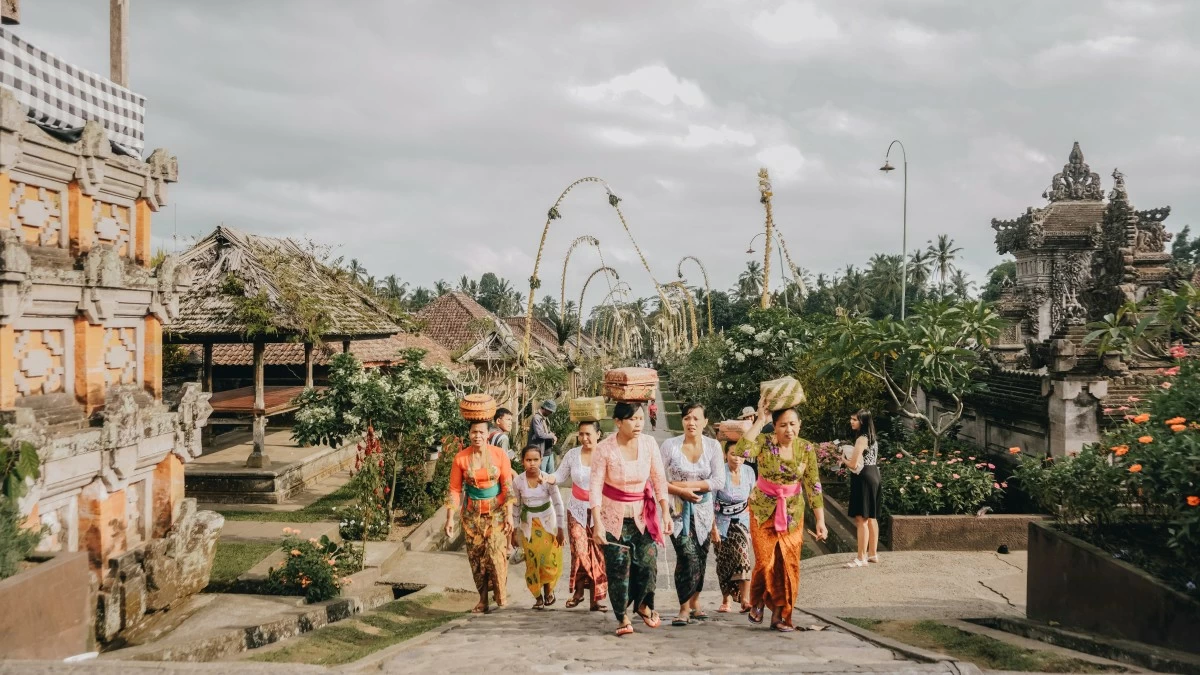
Experience the everyday Balinese life at Penglipuran Village (Photo: Ruben Hutabarat/Unsplash)
For the longest time, a trip to Bali has been synonymous with Zen moments spent on its beaches and coastal areas. It is an idea fed to us, especially by Julia Roberts’ films. But there is more to Indonesia’s island province than just sun, sand, and stillness. And if people go further into its corners, they’re rewarded with an immersive experience that reveals a different rhythm—one that is shaped by age-old traditions, natural resources, and spirituality.
That’s exactly what the Embassy of Indonesia in Manila wants Filipinos to uncover when they set foot in Bali. During a recent trip to the beloved tourist spot, Manila Bulletin Lifestyle got a chance to go on an adventure that went beyond the usual itinerary.
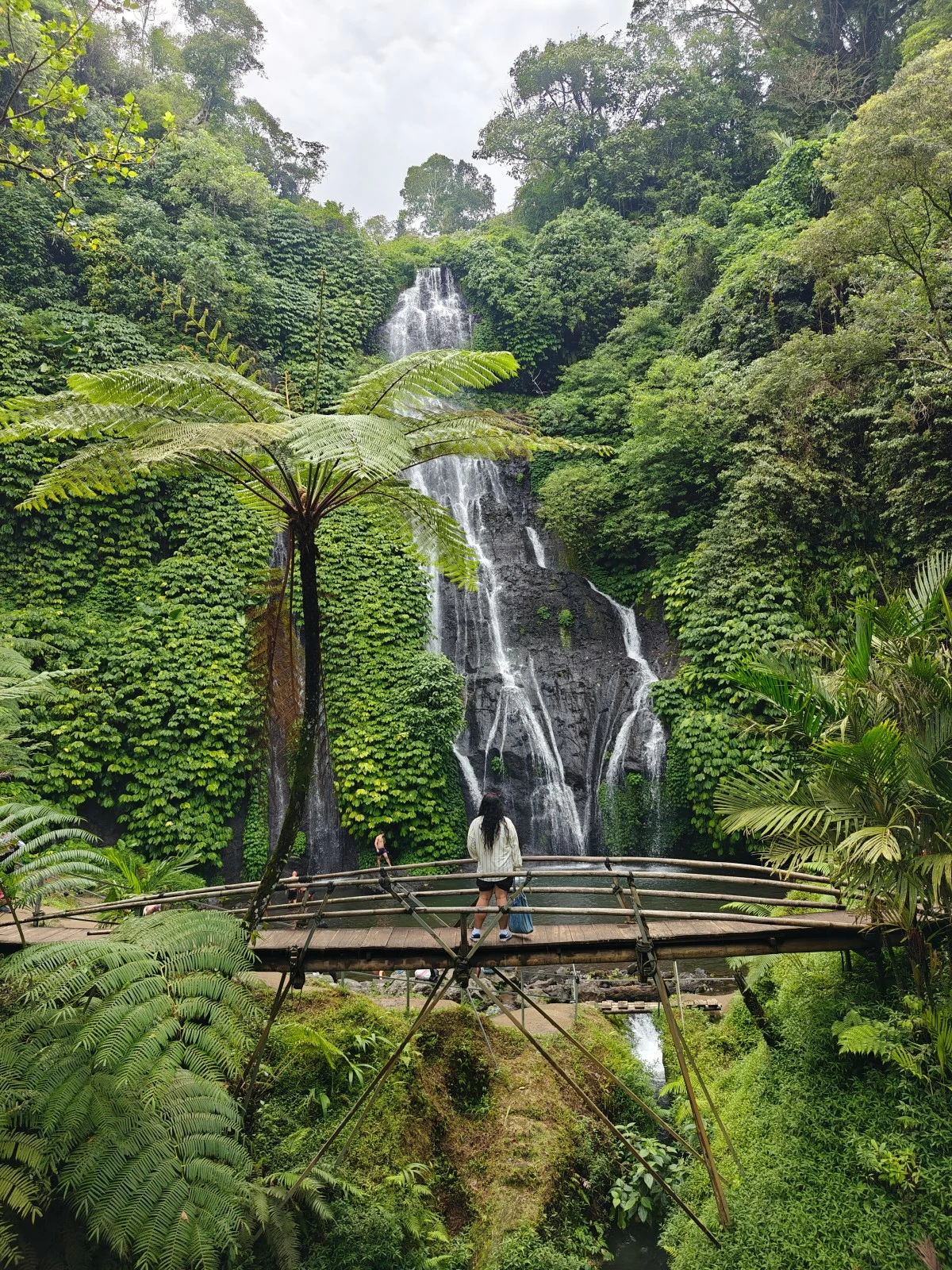
Banyumala Waterfall (Photo: John Legaspi/Manila Bulletin)
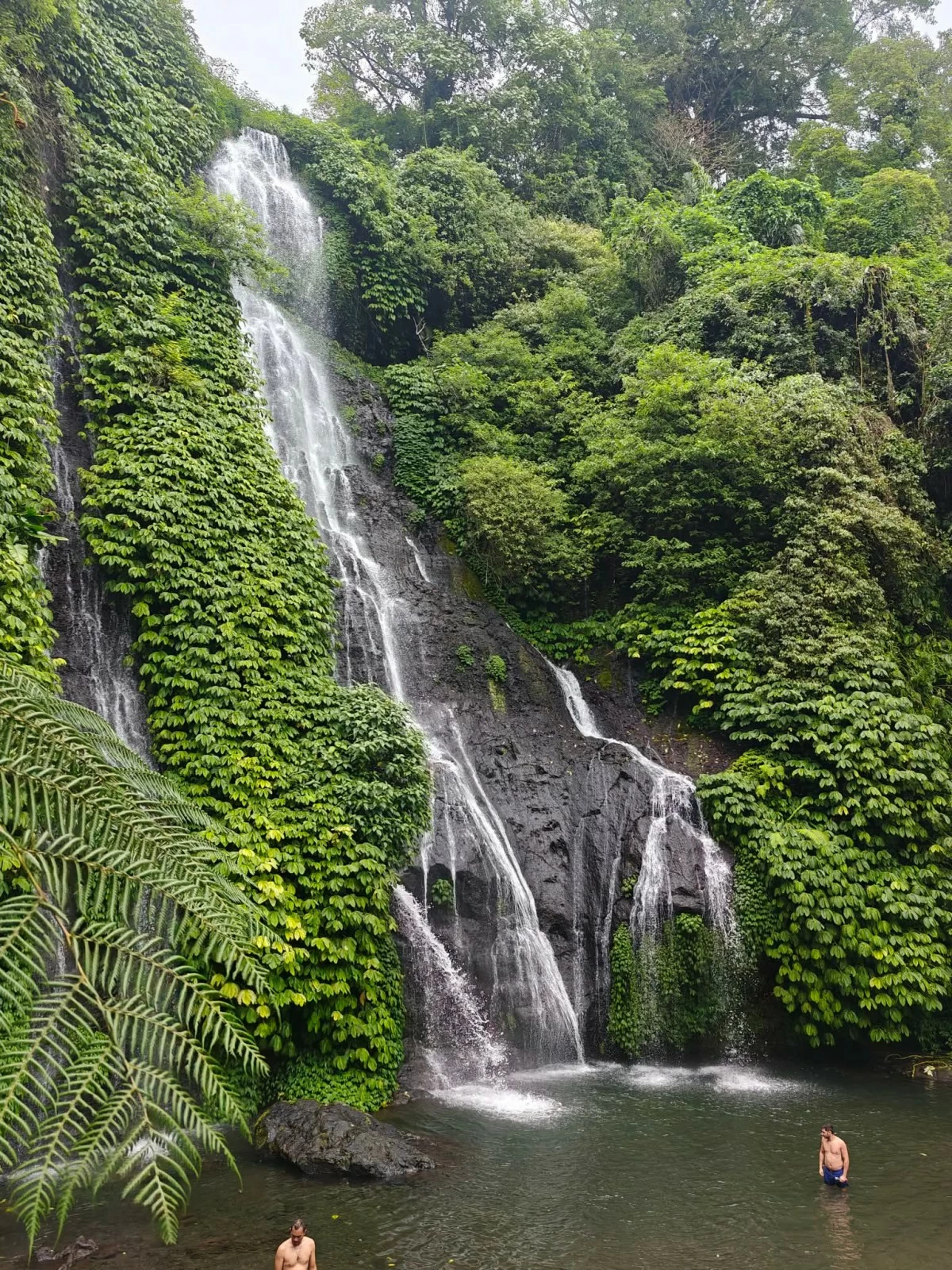
Banyumala Waterfall (Photo: John Legaspi/Manila Bulletin)
Hidden paradise
Tucked in the northern part of Bali, near the village of Munduk in Buleleng Regency, Banyumala Waterfall is one of the lesser-known waterfalls on the island. To get there, one must traverse narrow, curvy mountain roads. After that, it requires a 15- to 20-minute downhill trek through lush greenery. Perhaps this is why the waterfall is not widely known among tourists, but the journey is definitely worth it.
Banyumala features twin waterfalls, cascading side by side into a clear, calm pool perfect for swimming. The location is quiet and untouched, offering a perfect space to be one with nature. Its grand view is breathtaking; the sound of the falls soothes like a lullaby, while the forest-perfumed air invites you to breathe easy and slow down.
Steady footing is key to visiting this natural wonder. The trek is manageable, but the path can get slippery. It’s best to equip yourself with proper footwear when visiting. Don’t forget to bring your essentials (swimwear, water, and gadgets) in a compact bag, as there’s no easy way back.
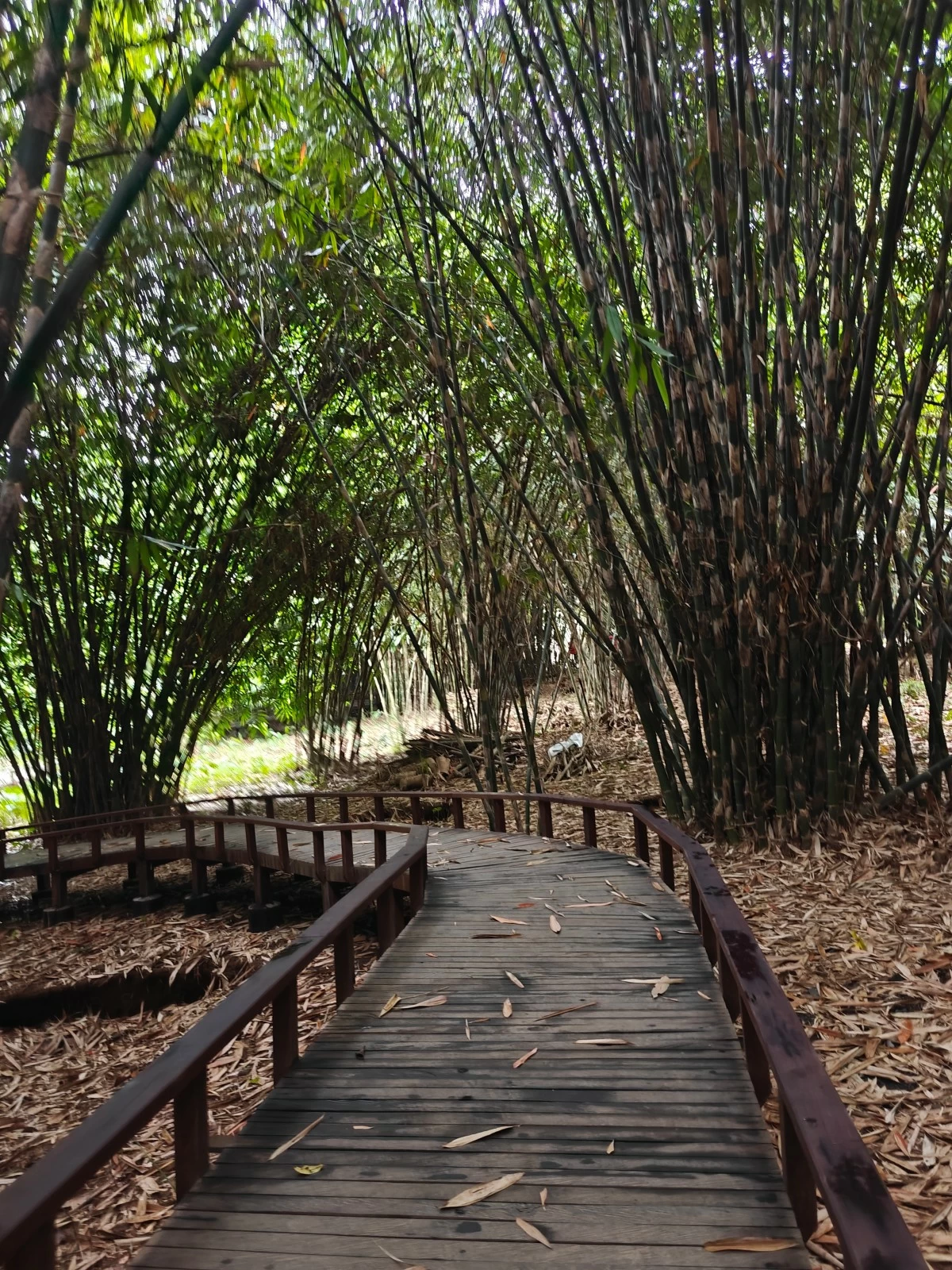
Penglipuran Village's bamboo forest (Photo: John Legaspi/Manila Bulletin)
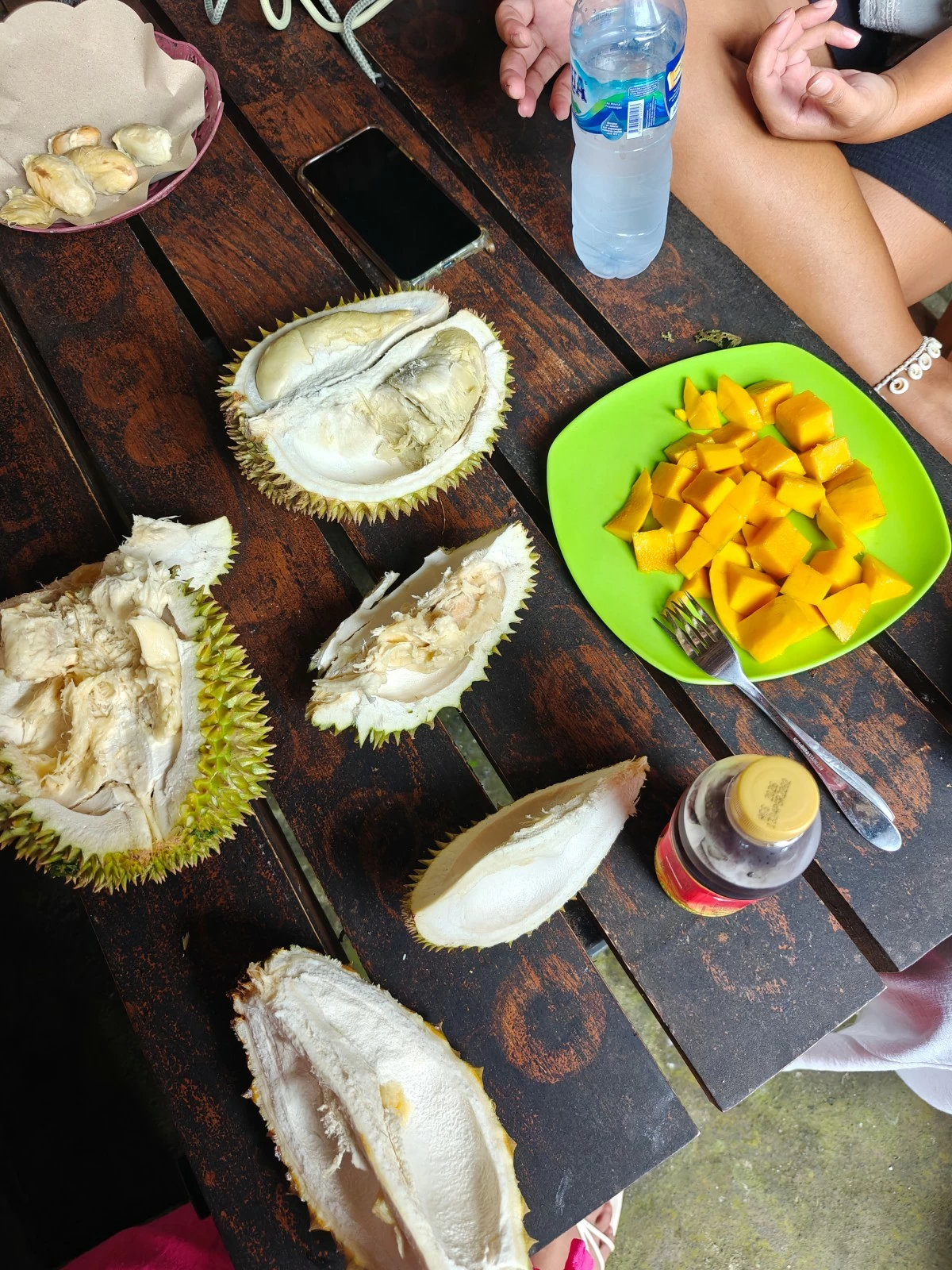
Afternoons at Penglipuran Village are best spent eating durian with the locals. (Photo: John Legaspi/Manila Bulletin)
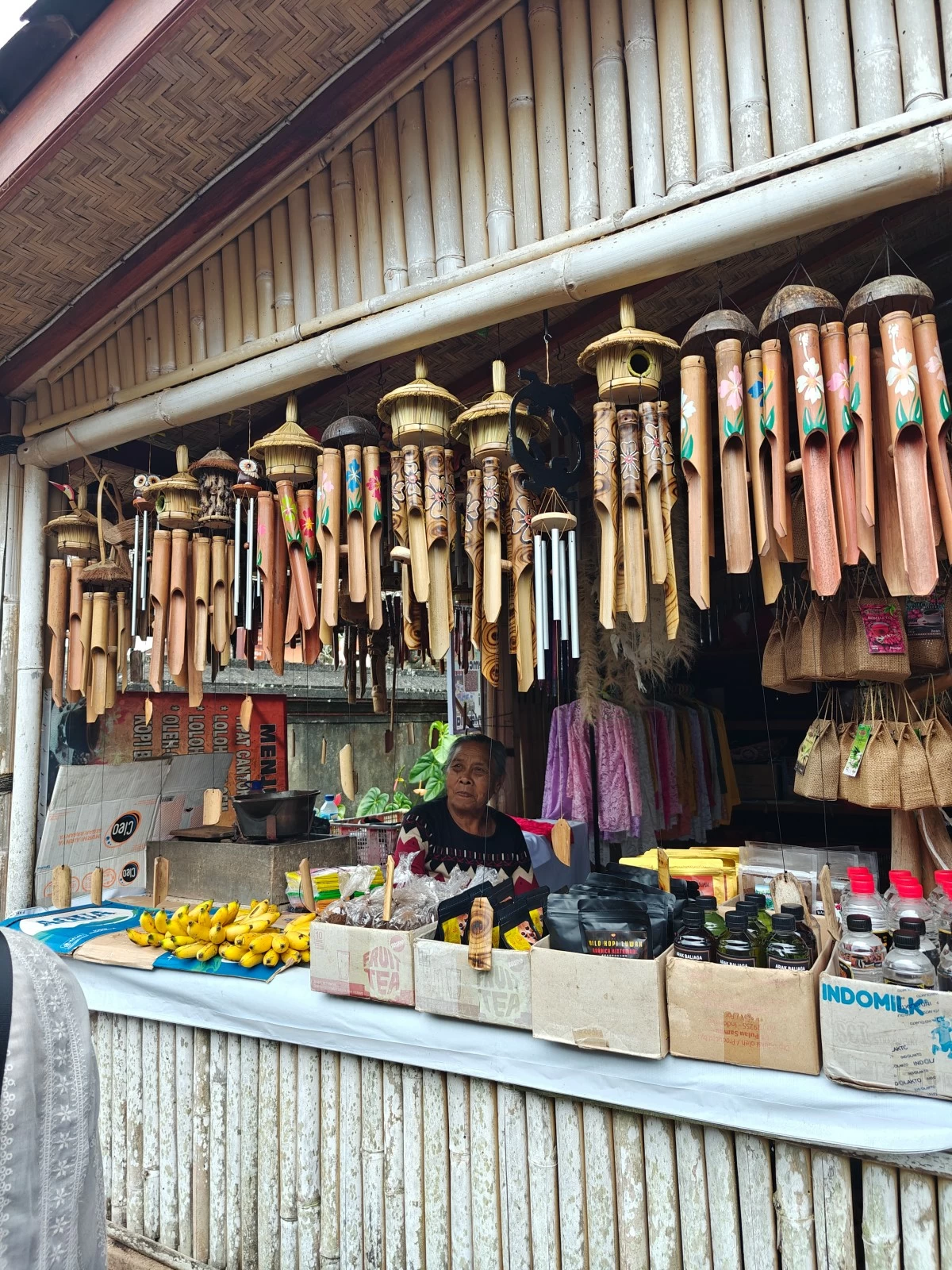
Locals at Penglipuran Village put their crafts on display (Photo: John Legaspi/Manila Bulletin)
Be one with the locals
Dubbed as one of the cleanest and most well-preserved traditional villages in the world, Penglipuran Village stands out for how it continues to integrate Balinese culture into everyday life. Located in central Bali, the village features perfectly lined homes built in Balinese vernacular architecture. It is less about a single building style and more about a walled family compound. Yes, these houses are home to locals, so if you want to immerse yourself in the Balinese way of living, this is the place to be.
Apart from exploring the village’s communal customs, temple ceremonies, and crafts, one thing I truly enjoyed most was spending the afternoon eating durian and mangoes with the locals. Another highlight of our visit was walking through the bamboo forest near the entrance. It feels like a world of its own—green bamboo towering and swaying, creating an enchanting, almost storybook-like atmosphere.
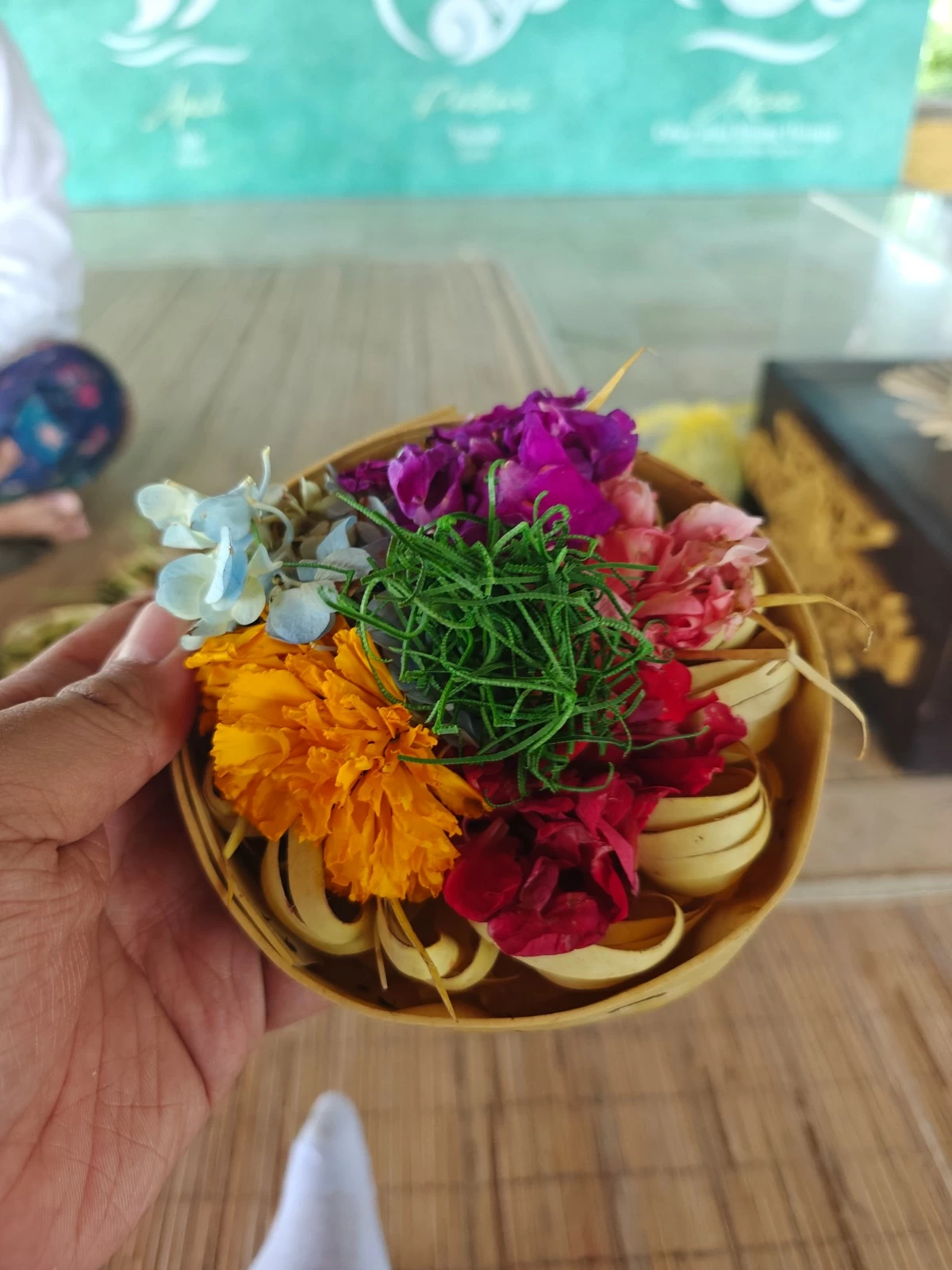
Crafting Canang Sari at GWK Cultural Park (Photo: John Legaspi/Manila Bulletin)
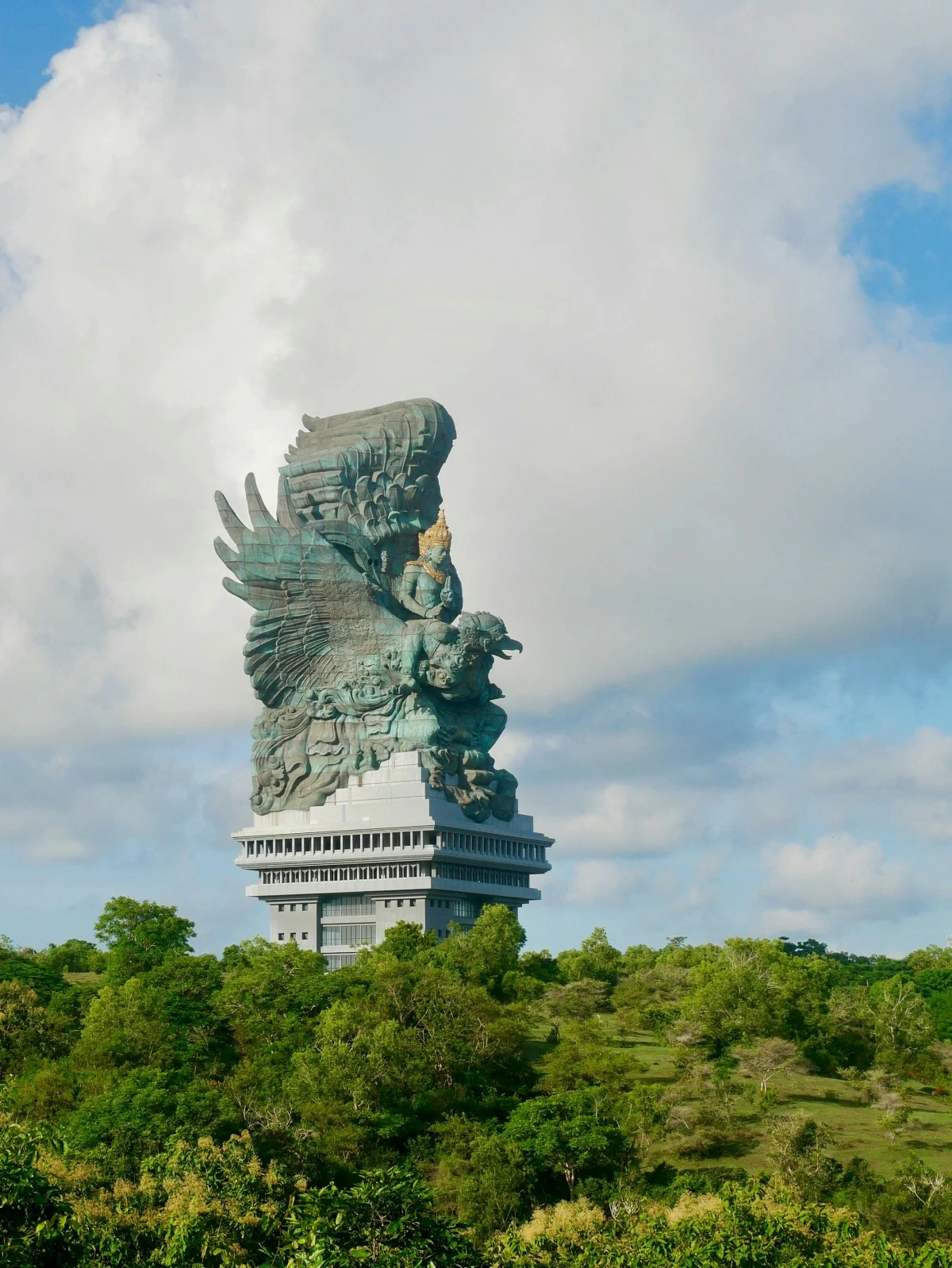
Garuda Wisnu Kencana statue is one of the beloved landmarks in the cultural park. (Photo: Fatahillah Huda Mayyasa/Unsplash)
Where the gods meet the sun
In the southern part of Bali lies a cultural hotspot. Garuda Wisnu Kencana (GWK) Cultural Park is where art, performance, and festivities converge. What welcomes you upon entering the park are limestone cliffs and wide skies. It covers around 60 hectares of land and houses spaces such as plazas, an amphitheater, and festival areas, among others. It can get overwhelming, so my tip is to do the free activities first: snap a photo with the Ananta Shesha stairway, toss a coin into the Turtle Pond and make a wish, marvel at the grand statue at Plaza Wisnu, and create your own Canang Sari (a daily offering made with fresh flowers, rice or snacks, and incense sticks). The latter was my favorite activity—meditative and quite educational, as the instructor explained the symbolism each part of the Canang Sari holds.
A trip to GWK Cultural Park is not complete without seeing the 121-meter-tall Garuda Wisnu Kencana Statue. It is a bit farther within the complex, and on a sunny day, can be a challenging walk. However, affordable buggy services are available for visitors who prefer a faster and easier journey.
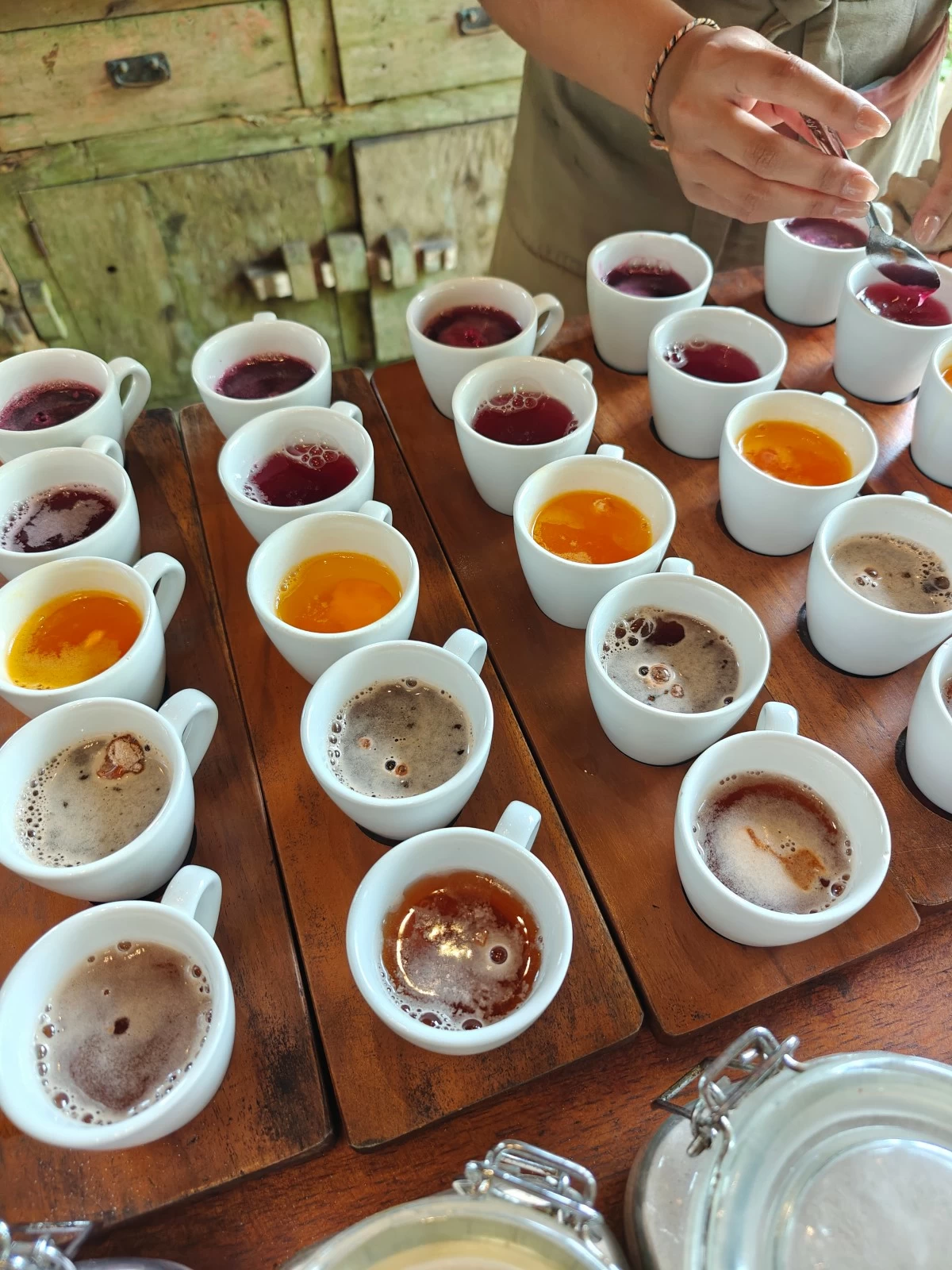
Bali Pulina's special teas and Kopi Luwak (Photo: John Legaspi/Manila Bulletin)
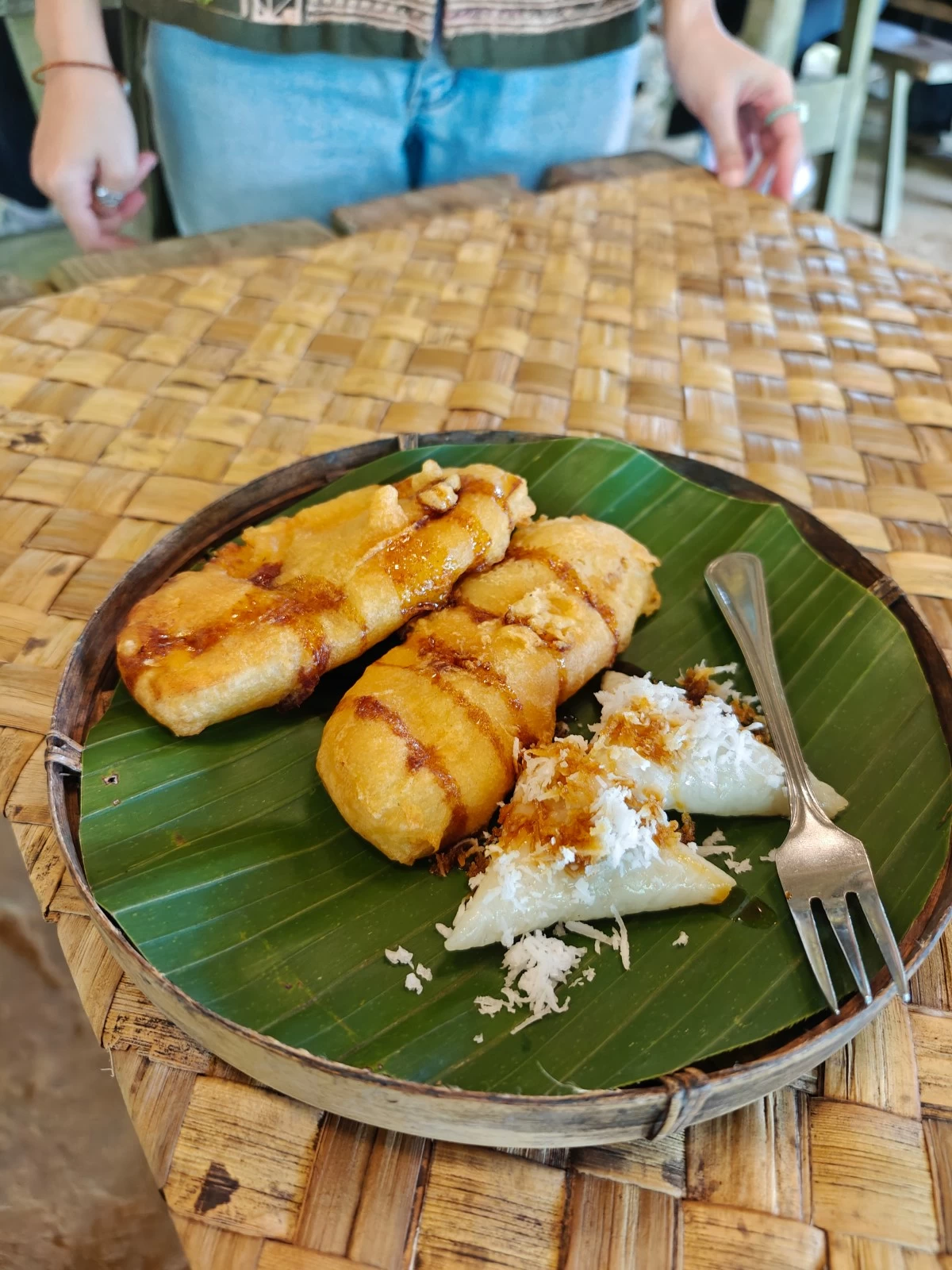
Pisang goreng and Balinese rice cake (Photo: John Legaspi/Manila Bulletin)
Bali in a cup
On to a different exploration—this time through our taste buds. Situated in the Tegallalang area of Ubud, central Bali, Bali Pulina offers a walkthrough of the journey of making Balinese coffee, mainly the famous Kopi Luwak.
The tour starts with viewing Asian palm civets and the coffee cherries used to feed them. Our guide then explains the rest of the process—from collecting the droppings, to cleaning and drying the beans, and finally roasting them either manually or by machine.
The best part of the experience is the tasting. Bali Pulina offers not just Kopi Luwak but also a variety of herbal teas (ginger, lemongrass, vanilla) made from plants grown on the farm. The drinks are paired with pisang goreng (banana fritters), all best enjoyed at its jungle-view deck seating.
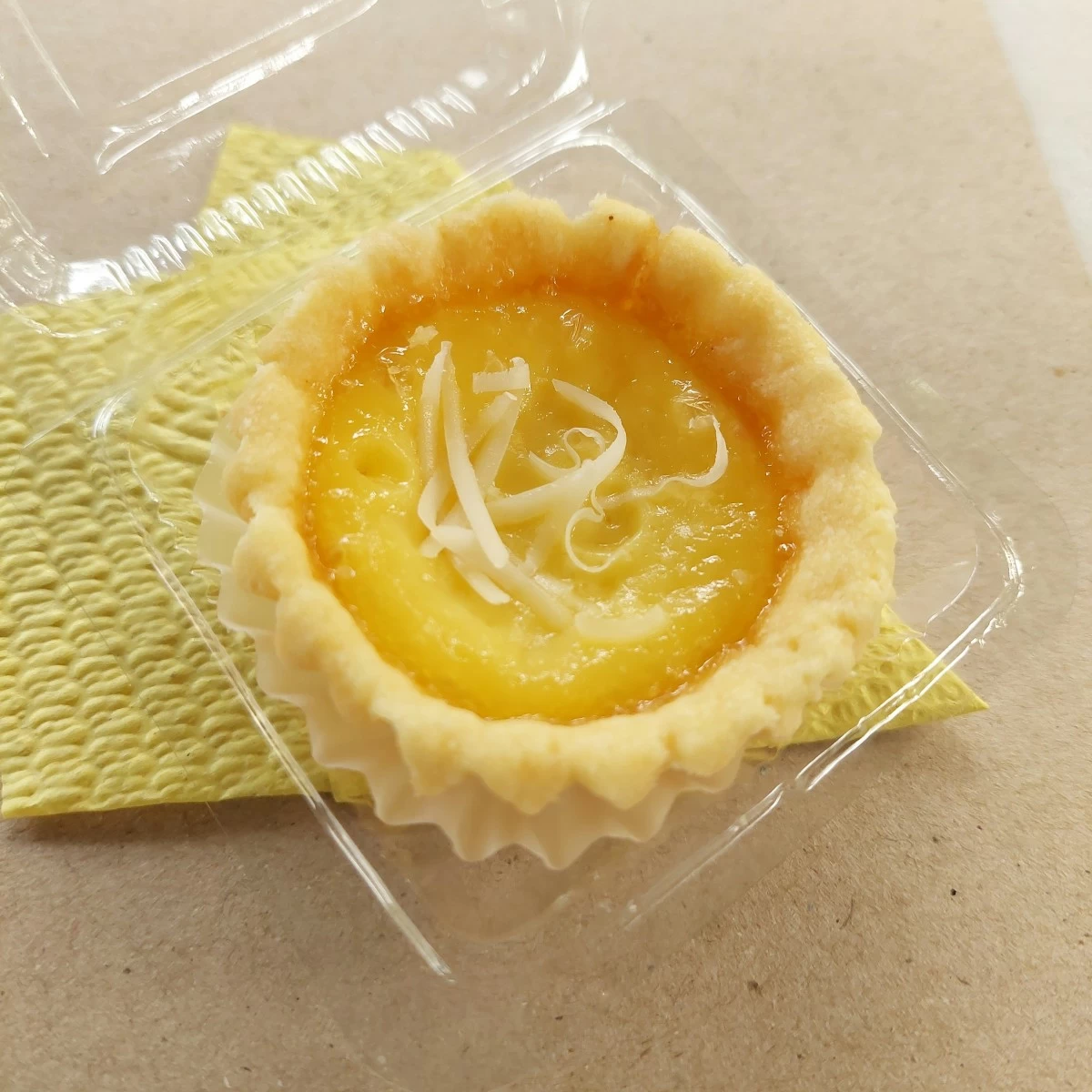
Krisna Souvenir Shop offers the best pasalubong, like the pie susu (Photo: Yudi Haryasa/Unsplash)

Inside Krisna Souvenir Shop (Photo: John Legaspi/Manila Bulletin)
Something to remind you of the island
The best place to find pasalubong is Krisna Souvenir Shop. There are several Krisna branches in Bali, and they all offer a variety of local products, from apparel, textiles, and art to beauty essentials and food. As someone unfamiliar with what to get, I asked friends from the embassy for recommendations.
What you shouldn’t miss putting in your cart are the sweet treats pia bintang (similar to hopia) and pie susu (the chocolate and original flavors are foolproof choices, but the durian is also a must-try). Addictive crunchy snacks include kacang disco (fried peanuts coated in a crunchy, savory-sweet batter), spicy macaroni, basreng (fried fish crackers), and keripik tempe (fried soybean chips).
From waterfalls tucked deep in the highlands to villages that preserve centuries of tradition, and from cultural parks that celebrate mythology on a grand scale to quiet moments over coffee in the middle of lush plantations, Bali reveals itself in layers far beyond its postcard beaches. Each stop in this journey offers a different rhythm—sometimes slow and reflective, sometimes vibrant and full of life—but always deeply rooted in culture and connection. In the end, it becomes clear that Bali is not just a destination to see, but an experience to feel, one that stays long after the trip has ended.
Scan the QR code to see more of Bali’s religious spots.