






Manila Bulletin
 Environment and Sustainability
Turning a national energy emergency into a collective movement for change
Environment and Sustainability
Turning a national energy emergency into a collective movement for change
Environment and Sustainability
Turning a national energy emergency into a collective movement for change
Turning a national energy emergency into a collective movement for change
Published Apr 30, 2026 06:30 am
|
Updated Apr 29, 2026 09:05 pm


The Philippines became the first country in the world in March 2026 to declare a national energy emergency, triggered by geopolitical conflicts happening more than four time zones away. Diesel and gasoline prices doubled and even tripled almost overnight. Every jeepney driver absorbing higher fuel costs, every trucking company passing price increases down the supply chain, and every household paying more for goods that had to travel farther to get there felt the same crisis, but not in the same way. Those with the least buffer felt it the most.
The irony is that the Philippines is transitioning, but not everyone feels it.
The story of how the Philippines went from a renewable energy leader to fossil fuel dependence has been told before. What is less often discussed is what that shift created beyond the power sector.
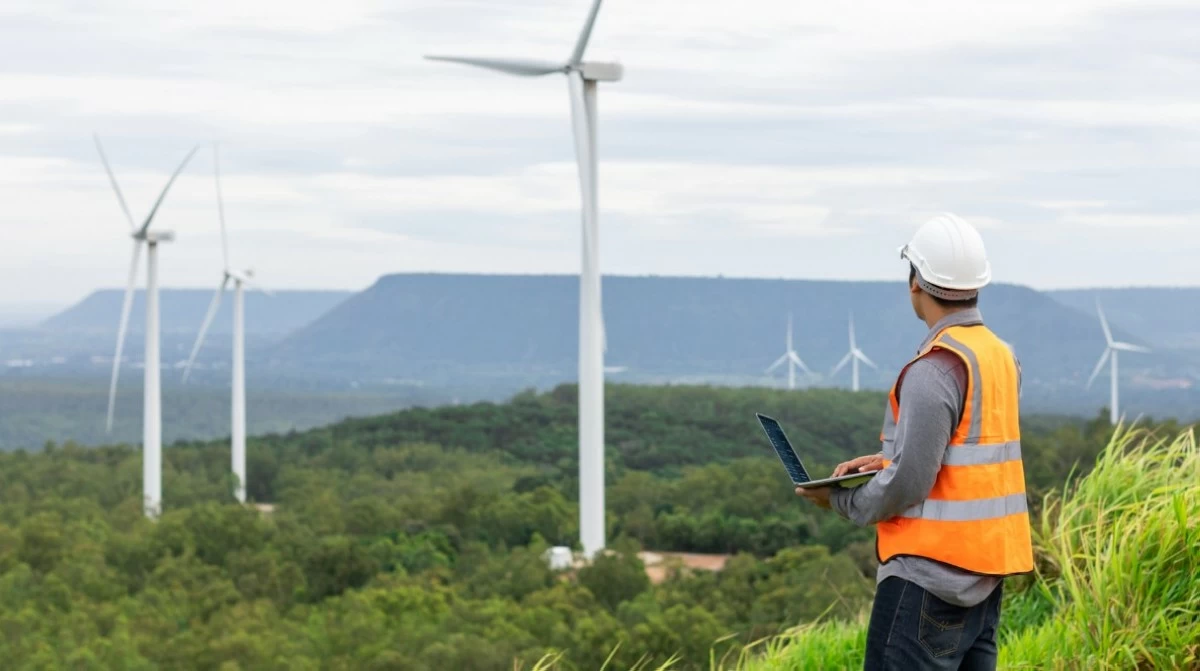
Homegrown renewable energy is touted as a viable solution to the Philippines’ vulnerability to global oil price shocks.
While the grid has slowly been moving toward renewables, the transport sector tells a different story. Millions of jeepneys, trucks, buses and motorcycles continue to run almost entirely on imported fuel. Oil deregulation in the late 1990s removed the price cushions that once protected consumers from global fuel market swings. Unlike some of our Southeast Asian neighbors that kept initiatives to soften pump price increases, Filipino consumers absorb the full force of every global oil price movement.
When fuel prices spike, it is not only electricity bills that rise but also the cost of moving food from farms and fisheries to palengkes and supermarkets across the country. It is the fare a commuter pays and the price of every good that has to be transported to reach our doorsteps. Oil dependence in transport is not just an environmental problem but also a cost-of-living issue. It falls hardest on those who have no alternative.
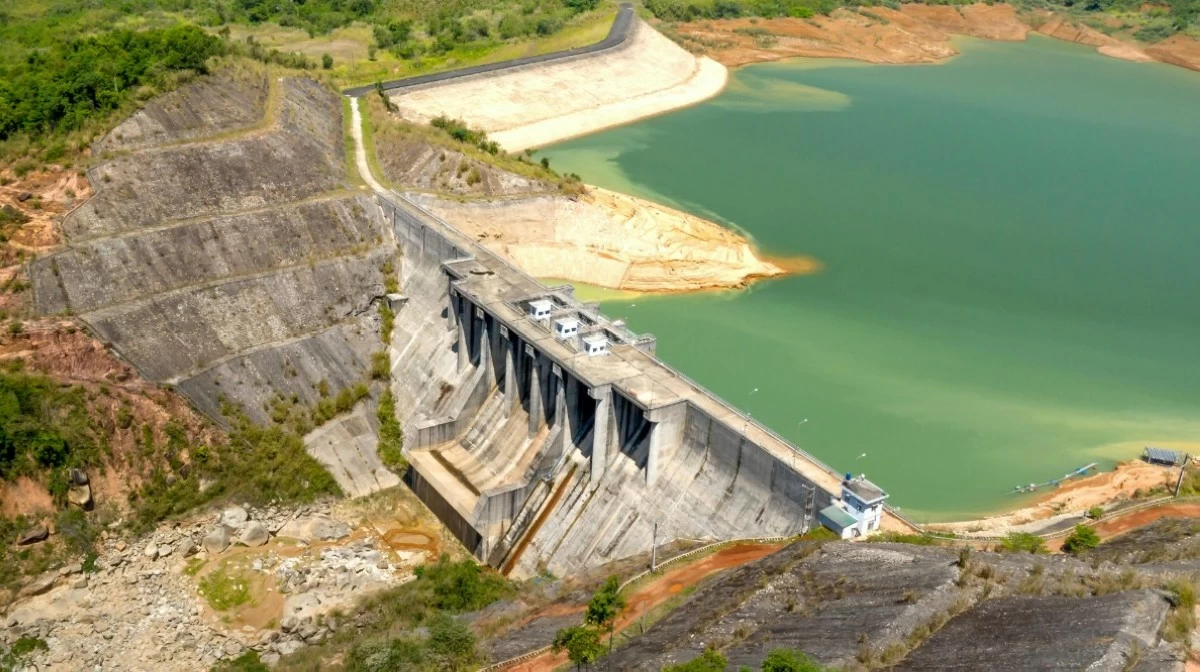
Cost-effective and clean, RE can replace traditional sources of energy like fossil fuels at a fraction of the cost for both the government and its constituents.
The exposure does not stop at geopolitics. The Philippines sits at the intersection of two compounding crises, and the incompleteness of our energy transition makes us more vulnerable to both.
On the grid side, the renewable sources Filipinos are increasingly depending on are themselves vulnerable to climate variability. El Niño events, which are projected to become more frequent and intense in 2026 and early 2027, are lowering water levels in reservoirs, reducing hydroelectric output, and forcing the grid to compensate with traditional power generation sources at precisely the moment when imported fuel is most expensive.
Prolonged rainy days and cloud cover reduce solar output, while rapidly shifting wind patterns affected by climate change influence wind energy reliability. The RE sources we are betting on require storage, grid flexibility and diversified generation to be truly resilient, and we are not yet where we need to be.
On the transport side, the climate impacts are equally distinct. Extreme heat raises fuel consumption and operating costs for drivers already running on imported diesel and gasoline with no price buffer. Flooding from stronger typhoons and prolonged rainfall damages roads, bridges, and port infrastructure, disrupting supply chains and raising logistics costs that again fall hardest on those with the least ability to absorb them. The electric vehicle (EV) transition that would free the transport sector from such exposure becomes less reliable if the grid underperforms due to lower variable RE output during El Niño and insufficient storage.
The result is a gap in the overall idea of a just energy transition. Renewable energy (RE) is growing in the power sector, but its benefits are not reaching the jeepney driver, the market vendor or the logistics worker whose daily costs remain dependent on events outside our shores. Every climate event that reduces RE output on the grid forces a return to traditional fuels, and every event that damages transport infrastructure raises costs for people already without price protection. These two vulnerabilities reinforce each other, and both are made worse by the fact that we have only made advances in one half of the transition.
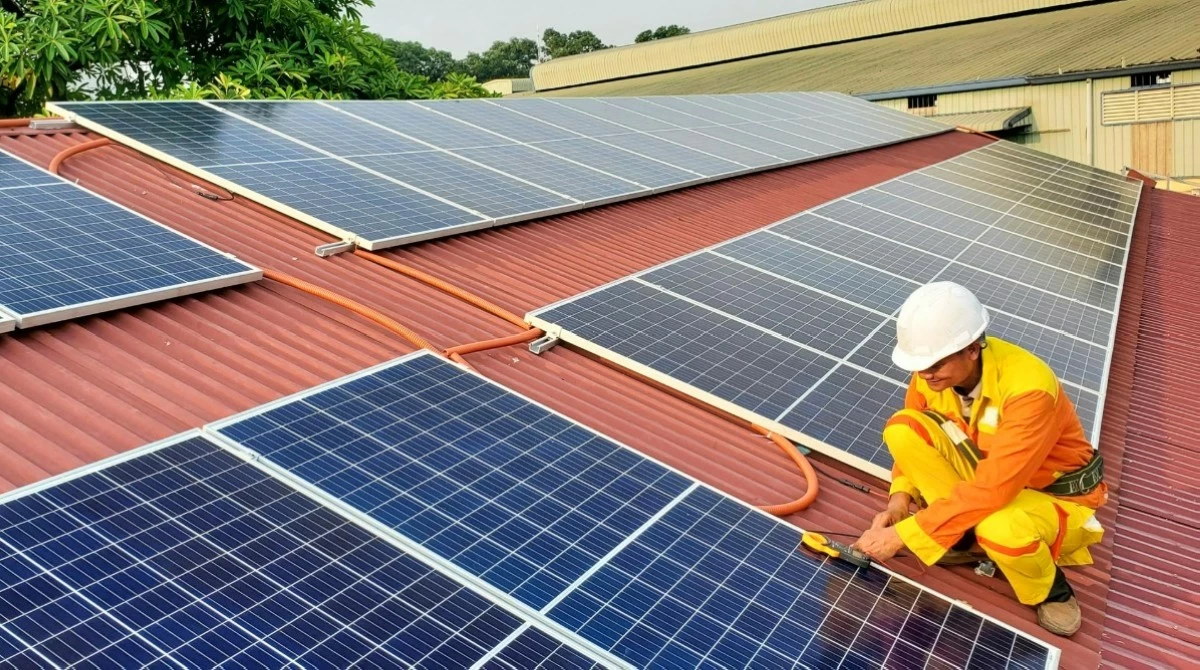
Current efforts to transition to RE by businesses and households have showcased promising results for the economy’s stability.
Climate advocates and energy sustainability practitioners have long argued that the transition we need is a fiscal and economic opportunity, not just an environmental necessity. The evidence is already visible through billions in stranded energy assets, hundreds of millions in annual diesel subsidies for island grids, and now a national energy emergency that exposed how thin our buffers were. Beyond the grid, every peso not invested in transport electrification, grid storage, and climate-resilient infrastructure is a peso keeping Filipinos exposed to the next shock, whether it comes from a contested strait or stronger and more frequent typhoons.
The energy transition delivers value across multiple dimensions by lowering operating costs, reducing pollution-related health risks, building consumer trust and strengthening talent attraction, particularly among younger generations. Programs from tax incentives in RE and EV infrastructure buildup to larger initiatives such as the Green Energy Option Program and the Retail Aggregation Program position RE adoption as a supply chain advantage in Southeast Asia. Electrifying transport, from e-jeepneys and e-tricycles to last-mile delivery vehicles, extends that same logic to the road. However, these programs can only fulfill their promise if pursued as part of a complete, holistic transition.
The energy transition we need is not only a moral commitment, but also a practical one. Leaving transport behind will keep producing energy crises. Ignoring climate variability in RE planning will continue to produce grid vulnerabilities. A transition that does not bring workers, drivers and communities along will continue to leave people behind. Getting it right, therefore, means doing all of it together.
Transforming the energy conversation does not require a government position or a technical degree. It starts in our own circles, at the dinner table, in group chats, and in the communities that we are already part of. When energy is in the news, recall that this is not a one-time event but a weakness we inherited, formed by decades of incomplete decisions that affect how we power our homes, move goods, commute to work and keep food affordable.
Ask more of elected officials, from both local and national levels, not just for fuel subsidies or tax suspensions but for long-term investments in grid infrastructure, storage, local renewable capacity, and policies that accelerate the shift to electric and alternative fuel vehicles in public transport. Hold the business community to the same standard by asking whether the companies you work for or support have begun planning for a low-carbon future that covers both their energy consumption and their logistics and transport operations.
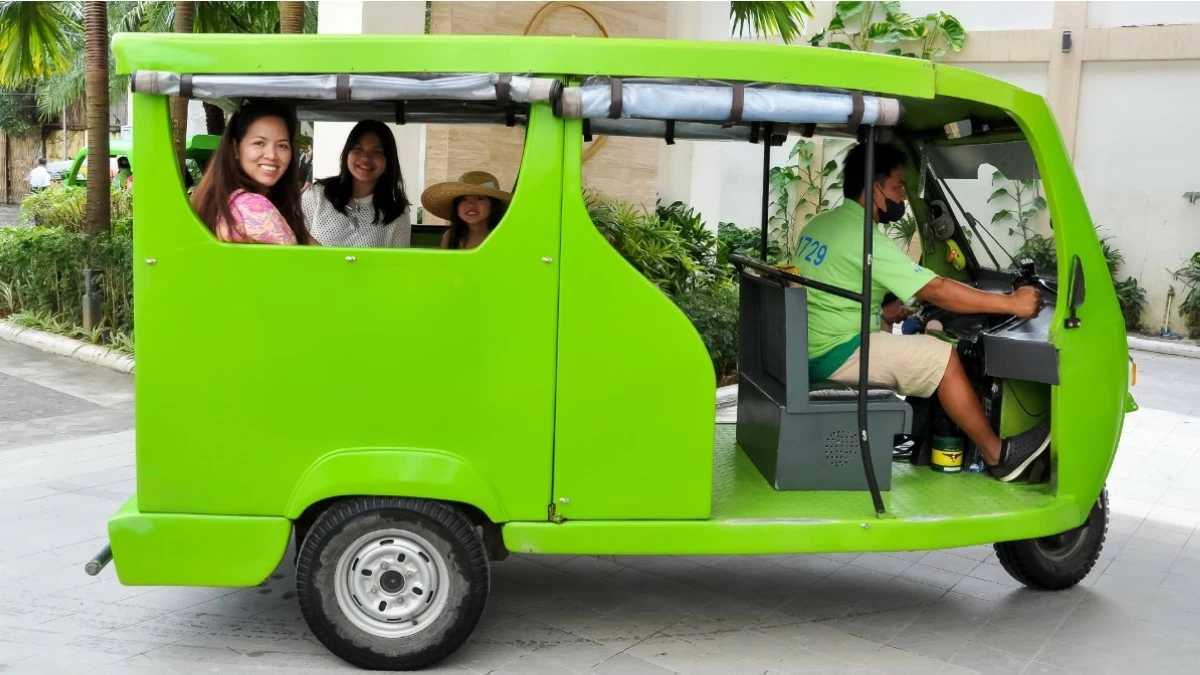
One’s positive experience with RE technologies is a story worth hearing, especially for policymakers still unsure of RE’s capacity to sustainably power the nation.
In today's digital world, use every platform available. A TikTok or Instagram post about your rooftop solar experience or your switch to an e-bike connects global data to local reality in ways that a policy brief cannot. These stories get shared, leading to more conversations and eventually to collective action.
Now that we know how this story ends when we stop paying attention, we also know how it can end when we do. What it takes is a collective commitment, sustained across households, boardrooms, and barangay halls, to finish the transition we started for every Filipino.
This energy transition should belong to all of us. Let’s make sure it gets there.