






Manila Bulletin
 Philippines
National
Toxic lead lingers in Metro Manila air despite leaded gasoline phaseout—study
Philippines
National
Toxic lead lingers in Metro Manila air despite leaded gasoline phaseout—study
Philippines
National
Toxic lead lingers in Metro Manila air despite leaded gasoline phaseout—study
Toxic lead lingers in Metro Manila air despite leaded gasoline phaseout—study
By Jel Santos
Published Apr 30, 2026 02:17 pm


(MB FILE PHOTO)
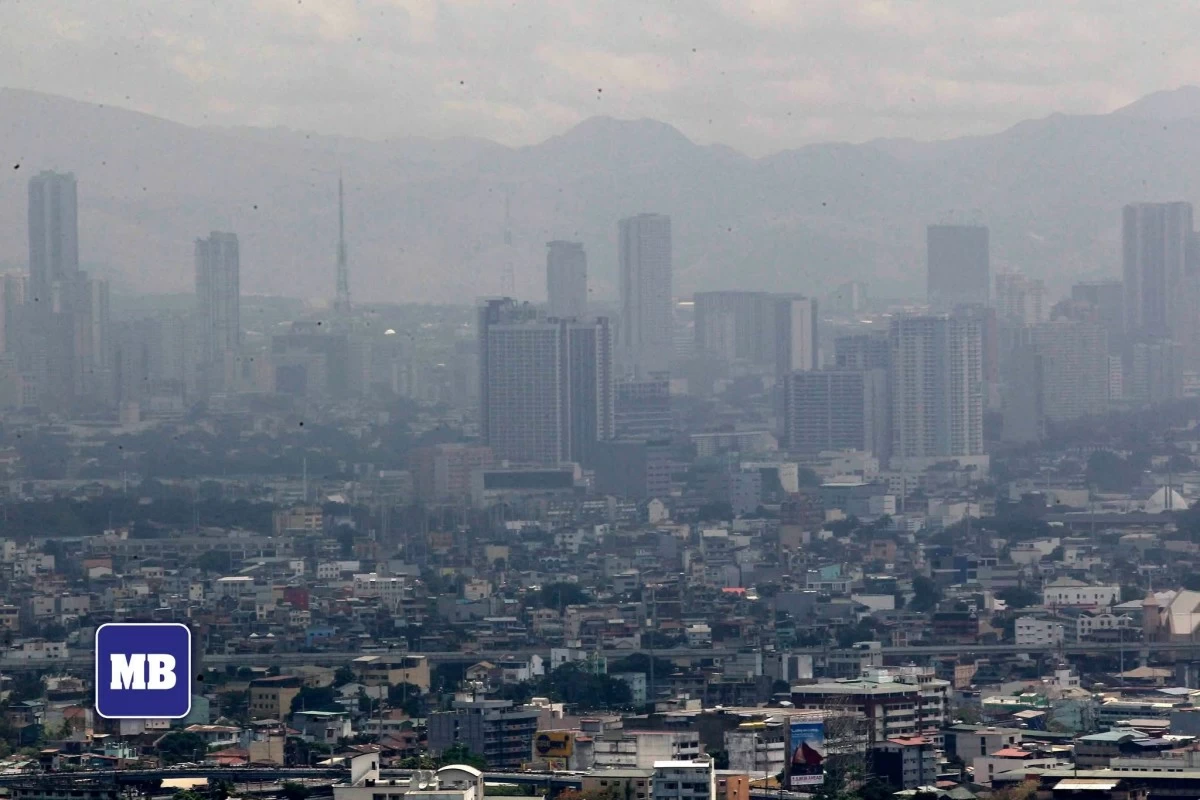
Toxic lead continues to persist in Metro Manila’s air despite the global phaseout of leaded gasoline, with industrial activities and fossil fuel combustion now driving pollution, a new study found.
Using lead isotope fingerprinting on aerosol data collected in 2018 and 2019, researchers from Ateneo de Manila University (ADMU) and the Manila Observatory, along with international partners, found that lead remains present in Metro Manila’s atmosphere from multiple sources.
“While the data was collected in 2018 and 2019, the conclusions remain relevant today. This research highlights the importance of monitoring atmospheric lead to ensure that we do not undo the gains from phasing out leaded gasoline,” ADMU physics professor and study co-author, Dr. Maria Obiminda L. Cambaliza, said in a statement.
The study found that industrial processes, such as e-waste recycling and smelting, account for 45 to 62 percent of atmospheric lead in Metro Manila, while fossil fuel use, including diesel and trace elements in unleaded gasoline, contributes another 30 to 45 percent.
“There are now contemporary sources of lead, mainly from industrial activities such as e-waste processing, and fossil fuel combustion such as from diesel use and unleaded gasoline combustion. Indeed, trace amounts of lead may still come from unleaded gasoline,” Cambaliza underscored.
Also, researchers noted that, unlike in other regions of the country, lead pollution in Metro Manila is largely driven by local emissions and persists year-round regardless of seasonal wind patterns.
The findings underscore continuing public health concerns, as lead is concentrated in fine particulate matter that can be inhaled deeply into the lungs and absorbed into the bloodstream. Children are particularly vulnerable to exposure, which can result in lasting developmental and neurological harm.
Researchers said that globally, one in three children already has elevated blood lead levels, while the Philippines has not updated its national monitoring in nearly two decades.
The researchers warned that without sustained intervention, public health gains achieved in the past could be at risk of reversal.
Sought for comment, the DENR has yet to issue a statement on the study’s findings.