







Oil spike pushes factory-gate prices to 3-year high in March


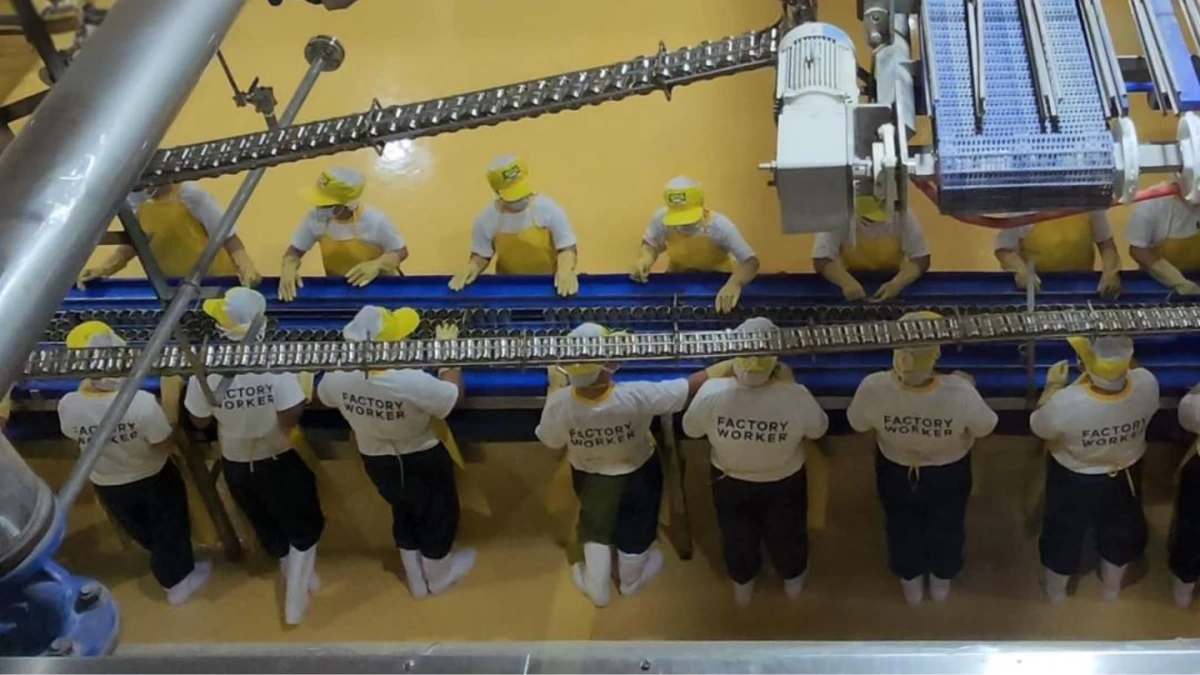
Factory-gate prices rose at their fastest pace in three years in March, as oil-linked industries drove a sharp acceleration in manufacturing costs at the onset of the war in the Middle East.
The latest Philippine Statistics Authority (PSA) data on Thursday, April 30, showed that the producer price index (PPI) for manufacturing climbed by 2.5 percent year-on-year last March, faster than the 1.4-percent increase recorded in February.
This marked the strongest annual increase since April 2023, when factory-gate prices also grew by 2.5 percent—making the latest reading a three-year high, based on historical PSA OpenSTAT data seen by Manila Bulletin.
The acceleration was largely driven by higher producer prices in petroleum-related industries. The PSA said the manufacture of coke and refined petroleum products posted an annual increase of 8.7 percent in March, contributing nearly half of overall PPI growth.
Other key contributors included faster increases in the manufacture of computer, electronic and optical products (5.3 percent) and basic metals (4.3 percent), reflecting broad-based cost pressures across the industrial sector.
Of the 22 industry divisions monitored, 15 recorded annual increases, while only four posted declines during the month, underscoring the widespread nature of the uptick in factory-gate prices.
Month-on-month, PPI for manufacturing also rebounded, rising by 0.9 percent in March from a 0.1-percent decline in February, again led by petroleum-related products.
The latest PPI data come amid a broader pickup in price pressures across the economy. Headline inflation accelerated to a 20-month-high and slightly above-target 4.1 percent in March, driven largely by higher fuel costs and transport fares. The Bangko Sentral ng Pilipinas (BSP) forecasts the inflation rate to jump further to between 5.6 percent and 6.4 percent in April, way above the two- to four-percent government target range of manageable annual price increases deemed supportive of economic growth.
PPI measures changes in the prices of goods at the factory gate and is often seen as a leading indicator of future consumer inflation, as higher production costs may eventually be passed on to households.
With oil-linked industries accounting for a significant share of the latest increase, elevated input costs could continue to feed into consumer prices in the coming months.