






Manila Bulletin
 Business
The Economy
State-purchased oil to mitigate price shocks in off-grid areas—DOE
Business
The Economy
State-purchased oil to mitigate price shocks in off-grid areas—DOE
Business
The Economy
State-purchased oil to mitigate price shocks in off-grid areas—DOE
State-purchased oil to mitigate price shocks in off-grid areas—DOE
Published Apr 29, 2026 03:15 pm


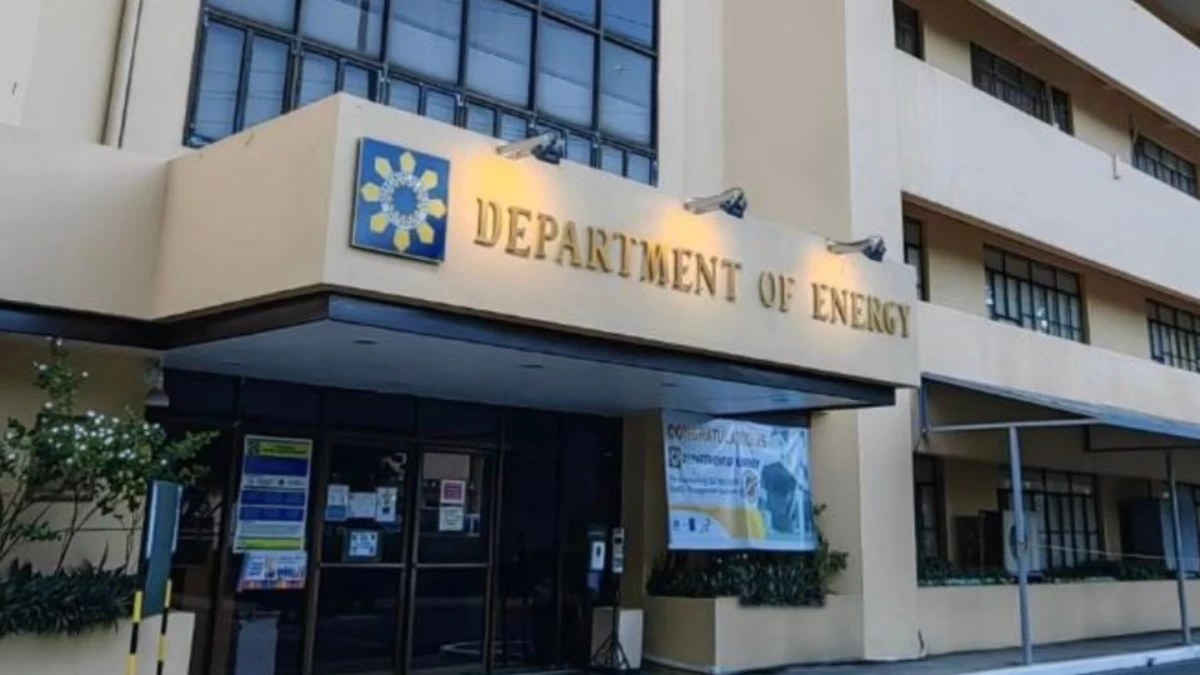
The Department of Energy (DOE) is working to minimize the risks of price shocks in off-grid areas through coordination with other government agencies and state-run firms in the energy sector.
According to Energy Secretary Sharon Garin, the DOE is actively coordinating with the National Electrification Administration (NEA), the Energy Regulatory Commission (ERC), and state-run firms National Power Corp. (Napocor) and Philippine National Oil Co. (PNOC) to provide enough fuel for diesel plants that power some far-flung regions.
The DOE chief said generation companies will purchase oil procured by PNOC to help reduce price pressures. So far, the agency has secured about 1.12 million barrels of diesel throughout the month. As this is above the government’s initial target of securing 900,000 barrels for April, it has decided to pause importation, as Garin explained that the country has a 60-day storage capacity limit.
“Because President [Ferdinand R. Marcos Jr.] doesn’t want the electricity to go up or they might black out because the power plants can’t get diesel... We’ve been working closely with these agencies,” she told reporters earlier this week.
“We are also now focused on making sure that all our islands, especially Napocor power plants… do not suffer any interruptions due to the crisis,” she said, referring to the ongoing Middle East tensions that have continuously plagued the nation with rising fuel prices.
Citing the depleting power supply in Catanduanes province last week, Garin explained that the DOE is also partnering with generation companies, electric cooperatives (ECs), and the provincial government to lessen the risks of fluctuating power.
Earlier, the DOE had deployed fuel to Catanduanes to avert potential diesel depletion, as the supply was said to last one week of power operations. An additional oil supply is also being rolled out on a staggered basis.
“We’re working with PNOC to help their generation companies there to get preferential rates because of the discounted rates,” Garin said.
The Philippines is currently under a state of national energy emergency following supply and price shocks triggered by the ongoing war in the Middle East. The conflict has driven up global oil prices and raised concerns over fuel availability for power generation and transport.