







Exploring Chongqing: A city of layers and contrasts
A journey through China's '5D City,' from its dazzling skyline and heritage sites to the flavors on its table
Published Apr 29, 2026 07:44 am


By Badette M. Cunanan
Preparing for a trip to Chongqing often conjures images of ultra-spicy hotpot, neon-lit streets, a monorail weaving through residential towers, and futuristic skyscrapers rising from the mountainous terrain. The city’s unique blend of tradition and modernity makes it one of China’s most fascinating destinations.
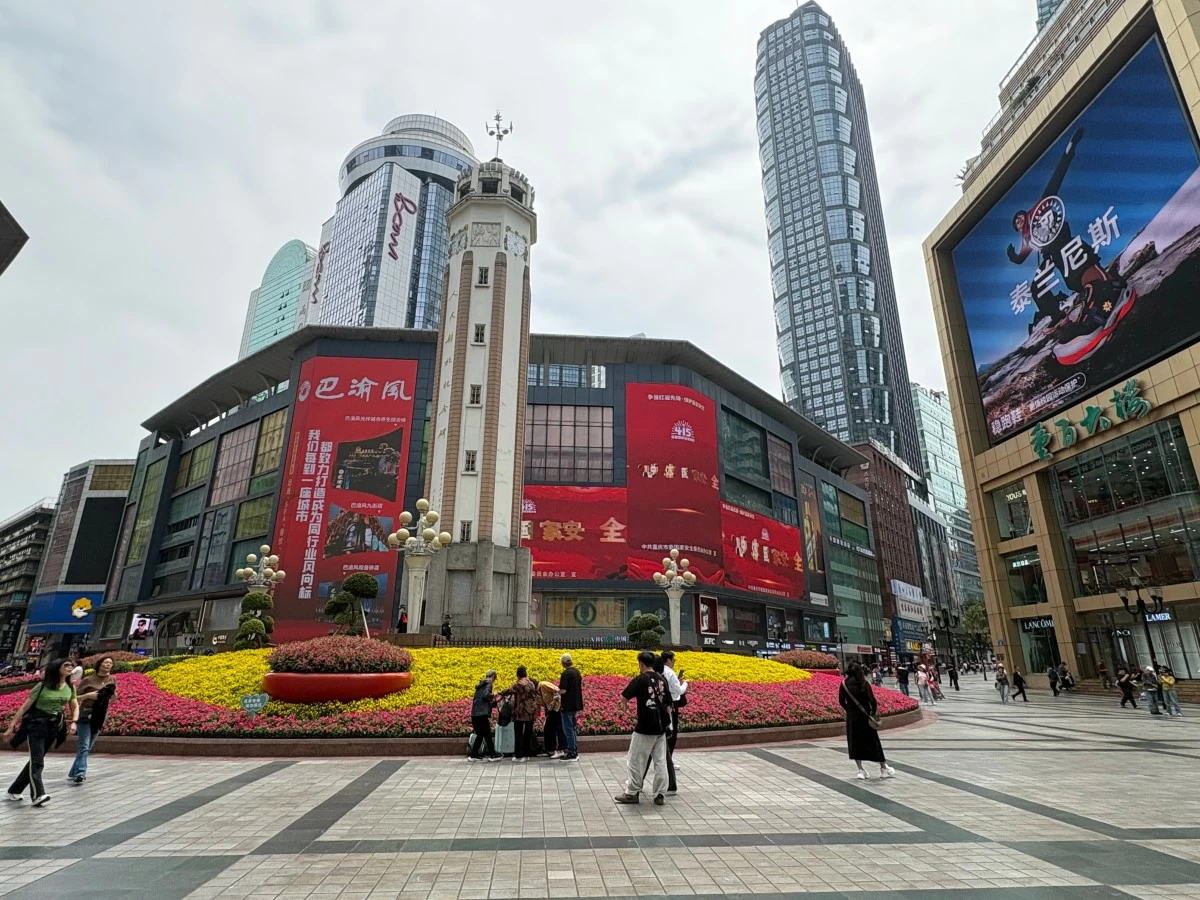
Chongqing People’s Liberation Monument (Photo: Badette M. Cunanan/Manila Bulletin)
Flying into Chongqing Jiangbei International Airport from Guangzhou, visitors are greeted by a vast, multi-layered terminal. Located about 19 kilometers north of the urban center, the airport is among China’s busiest, connecting this southwestern metropolis to the world.
Chongqing is a sprawling municipality with more than 30 million residents. Known as a “5D city,” it is famous for its vertical architecture, steep hills, and cyberpunk-like scenery at the confluence of the Yangtze and Jialing rivers. Buildings rise from hillsides in such a way that the 22nd floor can meet street level, and the monorail famously passes directly through residential blocks.
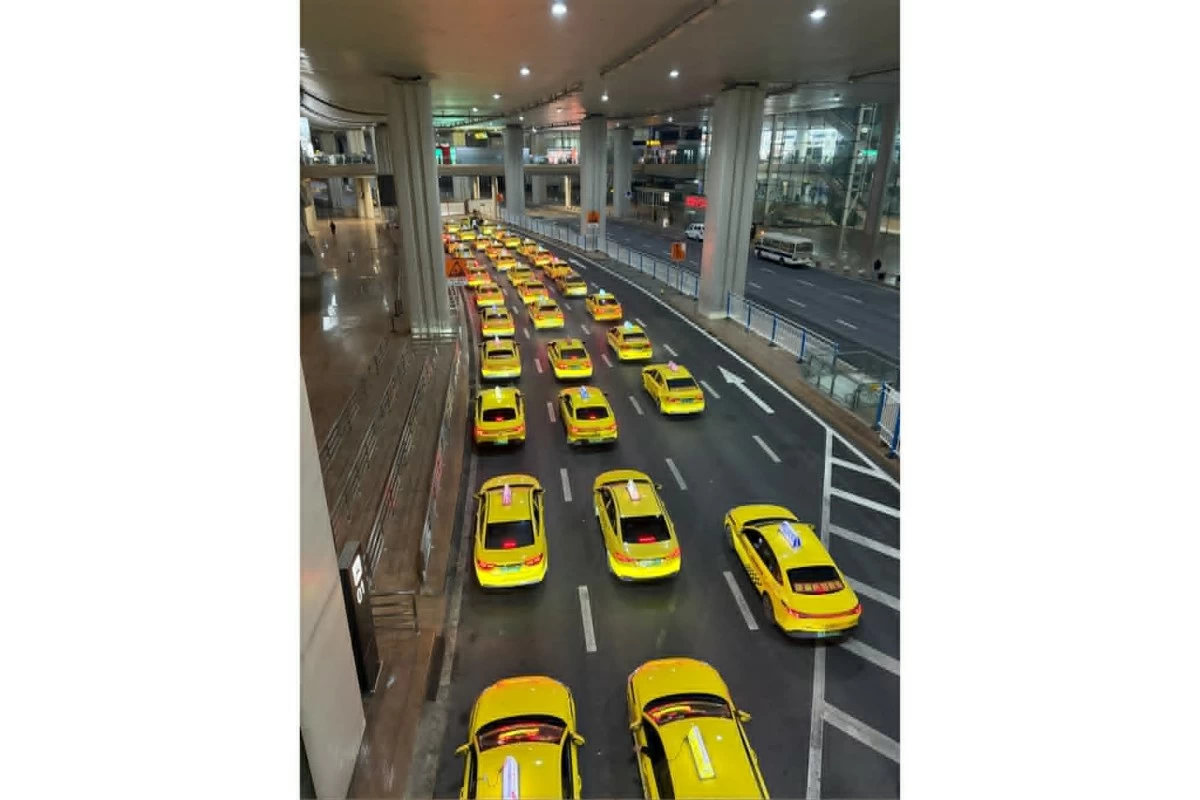
Nicknamed ‘yellow Ferraris,’ these taxis are famed for their drivers’ legendary high-speed skills, navigating Chongqing’s steep, winding terrain with the agility of a race car. (Photo: Badette M. Cunanan/Manila Bulletin)
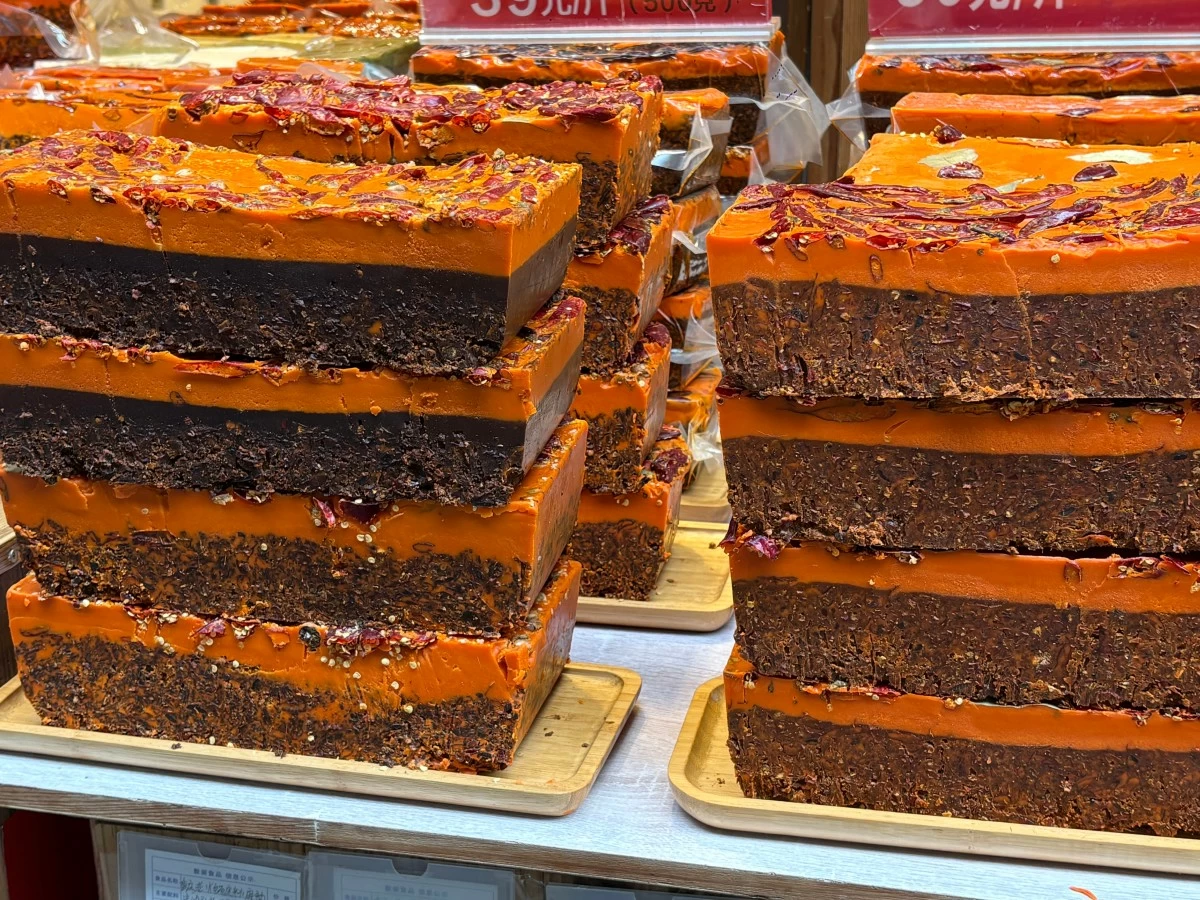
The city’s signature hotpot, known for its bold spice, begins with soup bases found in almost every street stall. (Photo: Badette M. Cunanan/Manila Bulletin)
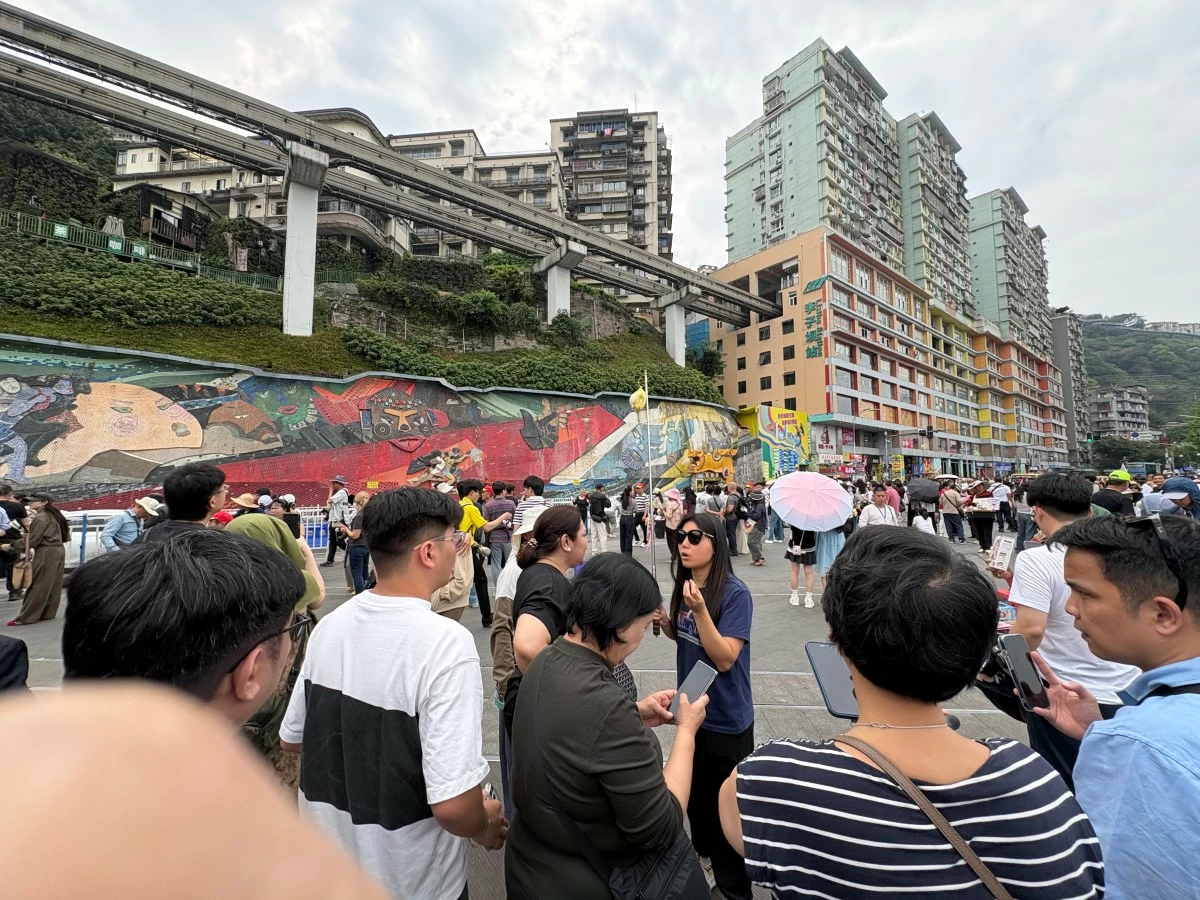
At Liziba Station in Chongqing, one of the city’s most iconic sights is the monorail gliding straight through a residential building. (Photo: Badette M. Cunanan/Manila Bulletin)
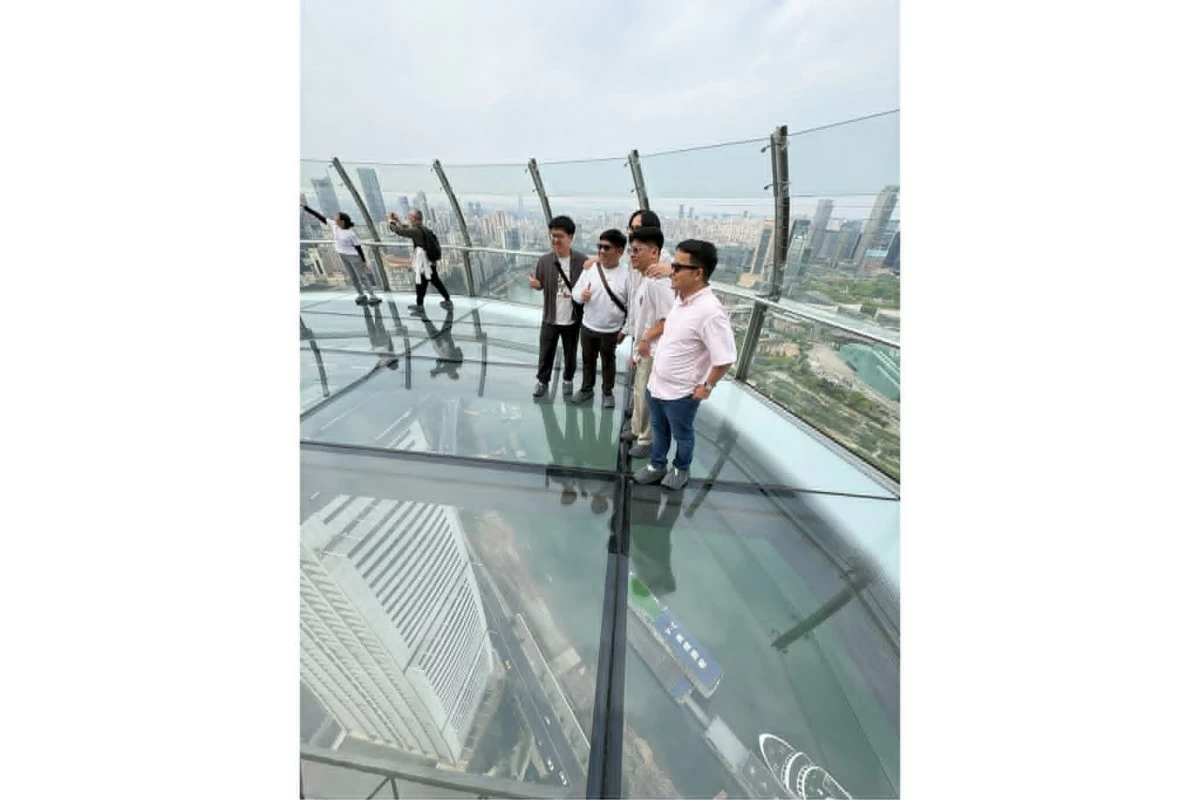
The Raffles City Chongqing Sky View observation deck delivers a breathtaking, adrenaline‐charged panoramic of the city below. (Photo: Badette M. Cunanan/Manila Bulletin)
Beyond its striking urban design, Chongqing is a major hub for logistics, automotive production, and manufacturing. It also carries historical weight. During the Sino-Japanese War (1937–1945), it served as the capital of Nationalist China, earning the title “City of Heroes.”
One of its historical landmarks, the Chongqing People’s Liberation Monument, originally known as Jiefangbei, stands in the heart of Yuzhong District, at the intersection of Minzu, Minquan, and Zourong Roads. Once a war memorial, it has become one of the city’s most recognizable symbols. Another significant site is the Great Hall of the People, built between 1951 and 1954. This imposing structure hosts political and cultural events, with a vast auditorium capable of seating over 4,000, reflecting the architectural ambition of early New China.
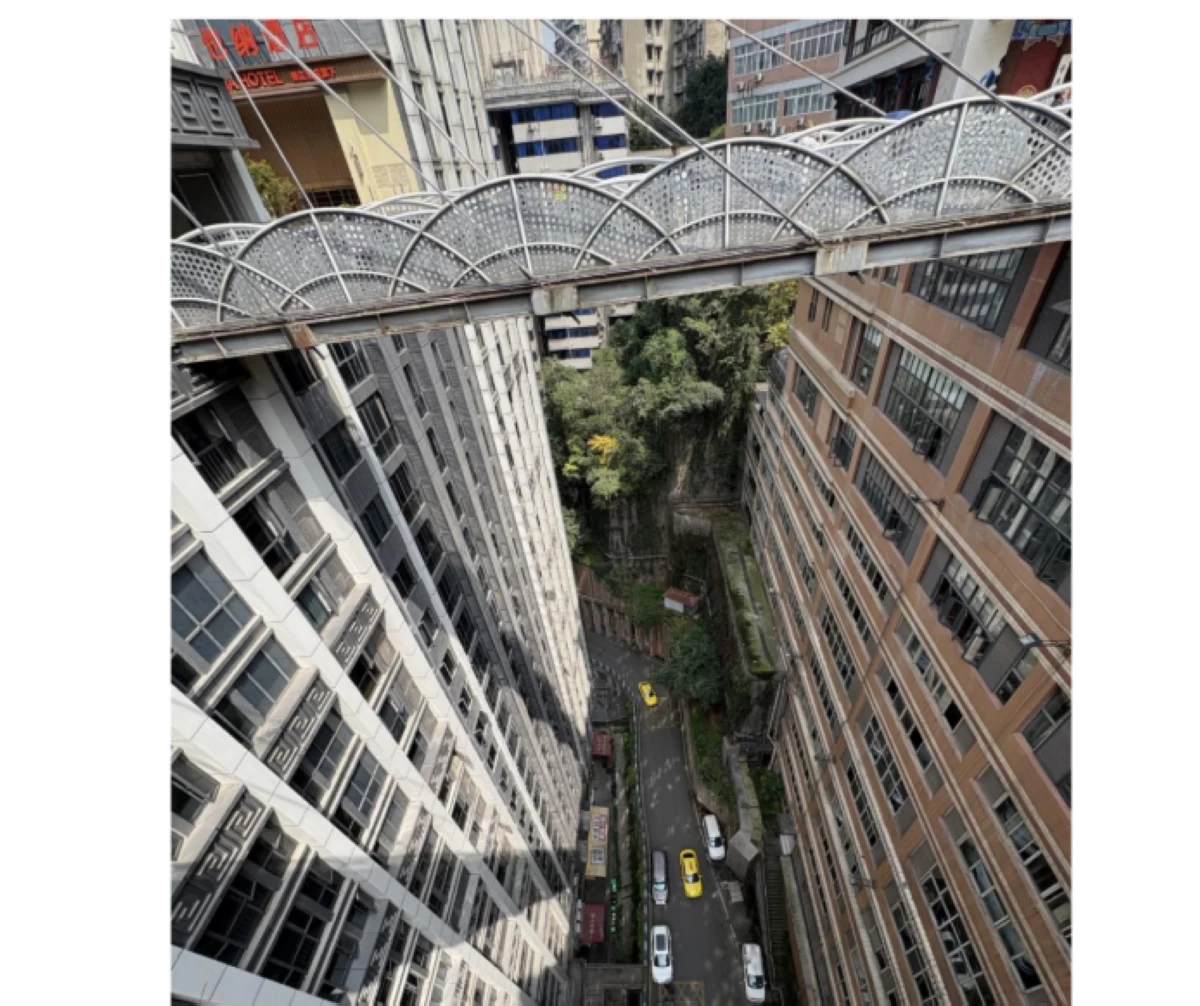
The 22nd Floor Plaza is a striking architectural landmark, renowned for its unique ‘8D’ design. Owing to Chongqing’s steep terrain, the plaza that appears at ground level on one side is, in fact, the 22nd floor of the building. (Photo: Badette M. Cunanan/Manila Bulletin)
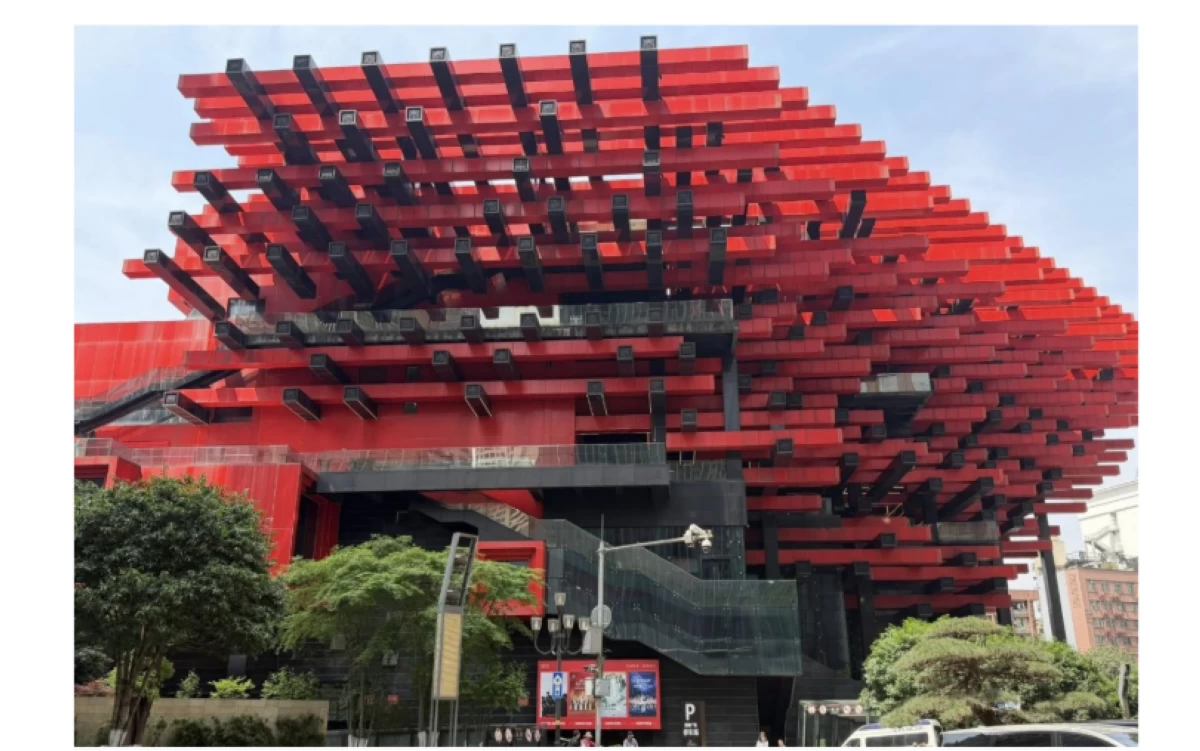
Known as the “Chopsticks Building,” the Chongqing Guotai Arts Center is distinguished by its bold red-and-black interlocking structure, evoking the image of oversized chopsticks. (Photo: Badette M. Cunanan/Manila Bulletin)
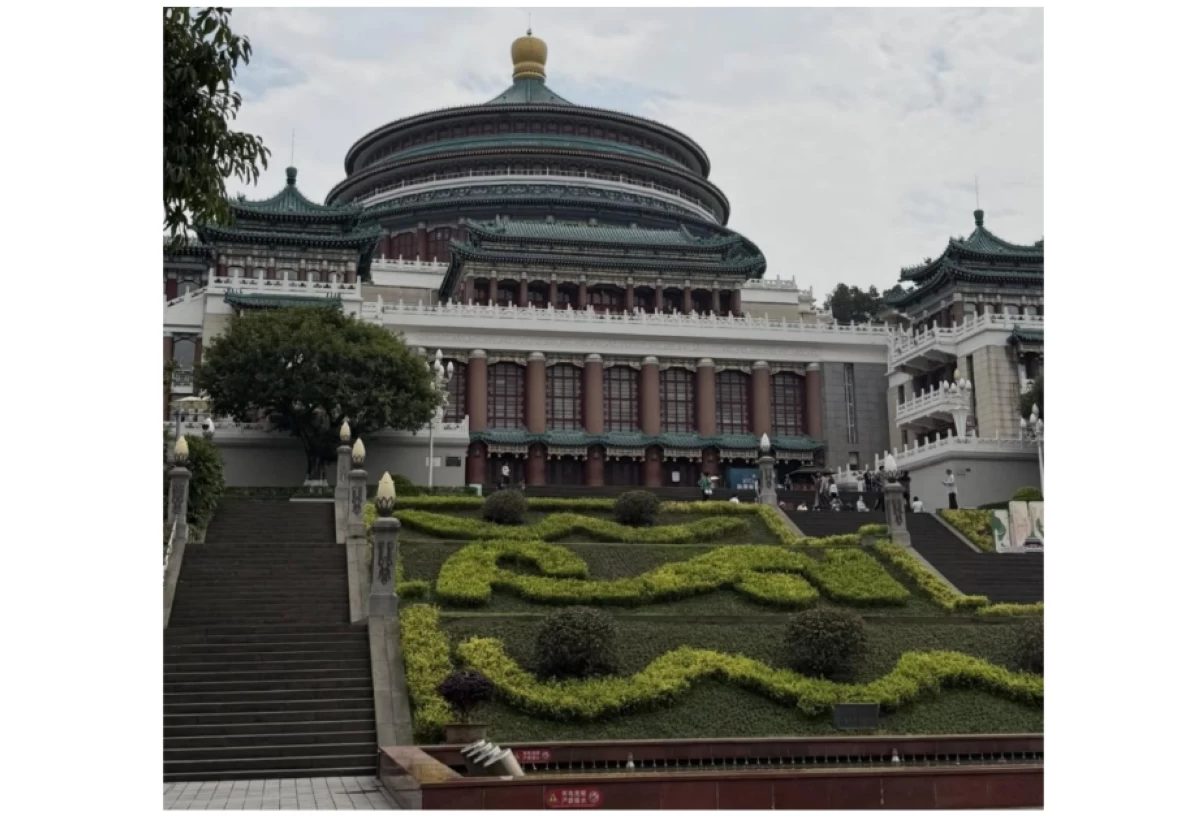
The Chongqing Great Hall of the People stands as a landmark auditorium, blending traditional Chinese palace-style architecture with Western design influences. (Photo: Badette M. Cunanan/Manila Bulletin)
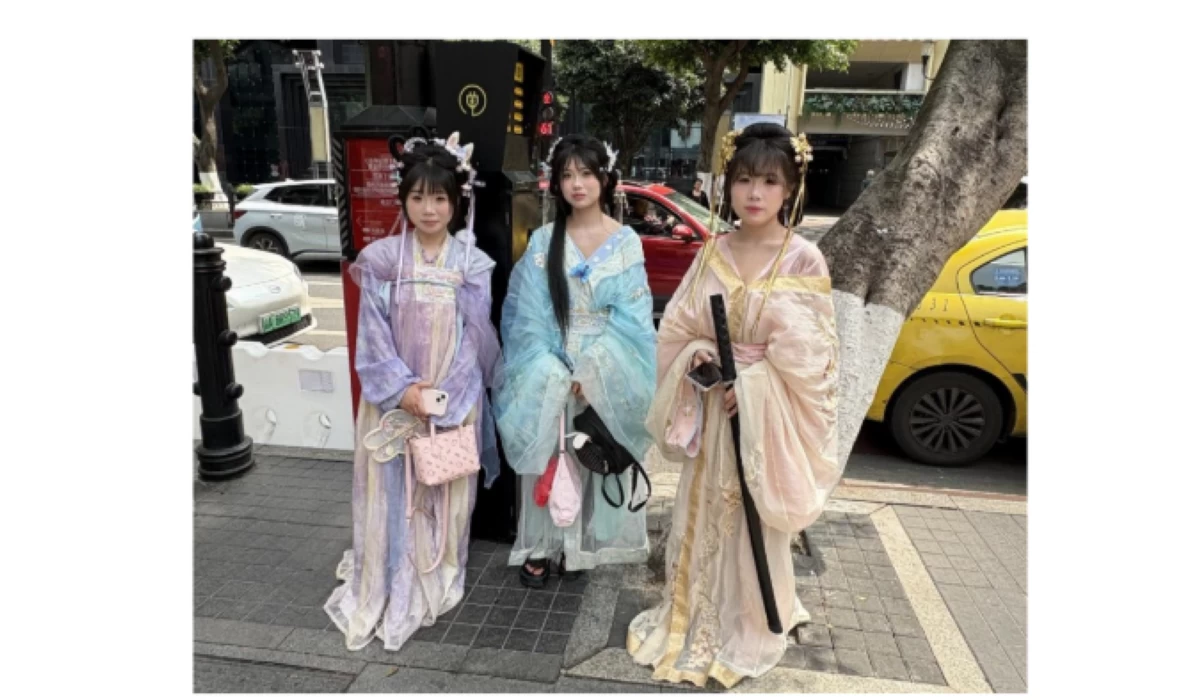
Many young people, often called ‘Hanfu enthusiasts,’ wear these outfits to celebrate Chinese traditional culture and express their cultural identity. (Photo: Badette M. Cunanan/Manila Bulletin)
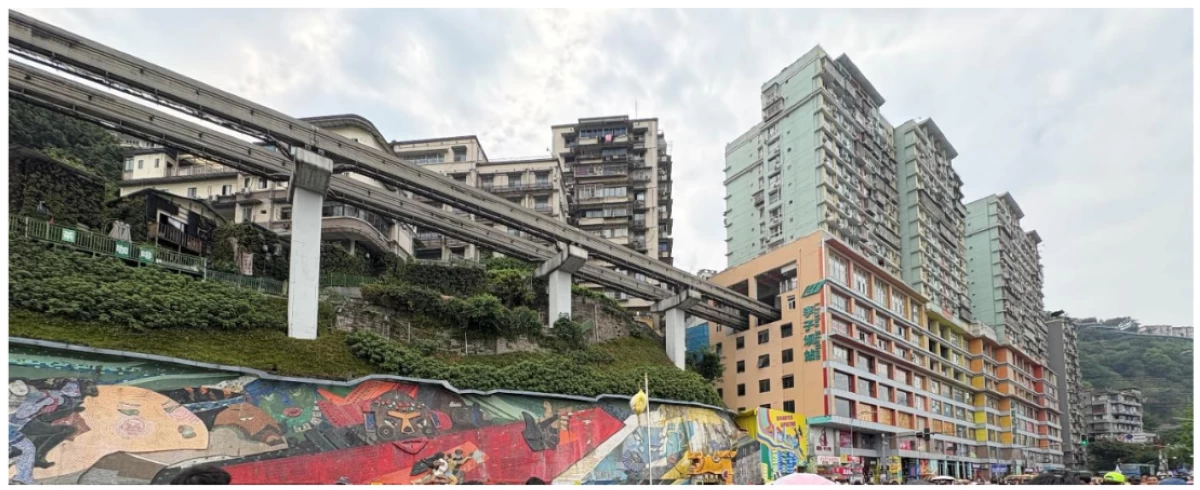
At Liziba Station in Chongqing, one of the city’s most iconic sights is the monorail gliding straight through a residential building. (Photo: Badette M. Cunanan/Manila Bulletin)
Modern attractions add another layer to the city’s appeal. Raffles City Chongqing, a striking complex of eight towers, features the Sky View observation deck and the Crystal Skywalk. At 250 meters high, these glass-bottom walkways offer sweeping views of the rivers and skyline. The Yangtze River Cableway, operating since 1987, provides panoramic views of the city and its waterways, while the Two Rivers Night Cruise showcashes Chongqing’s dazzling nightscape as it sails along the Yangtze and Jialing rivers.

Huawei phones and gadgets stand out with a sleek, luxurious look paired with innovative features. (Photo: Badette M. Cunanan/Manila Bulletin)
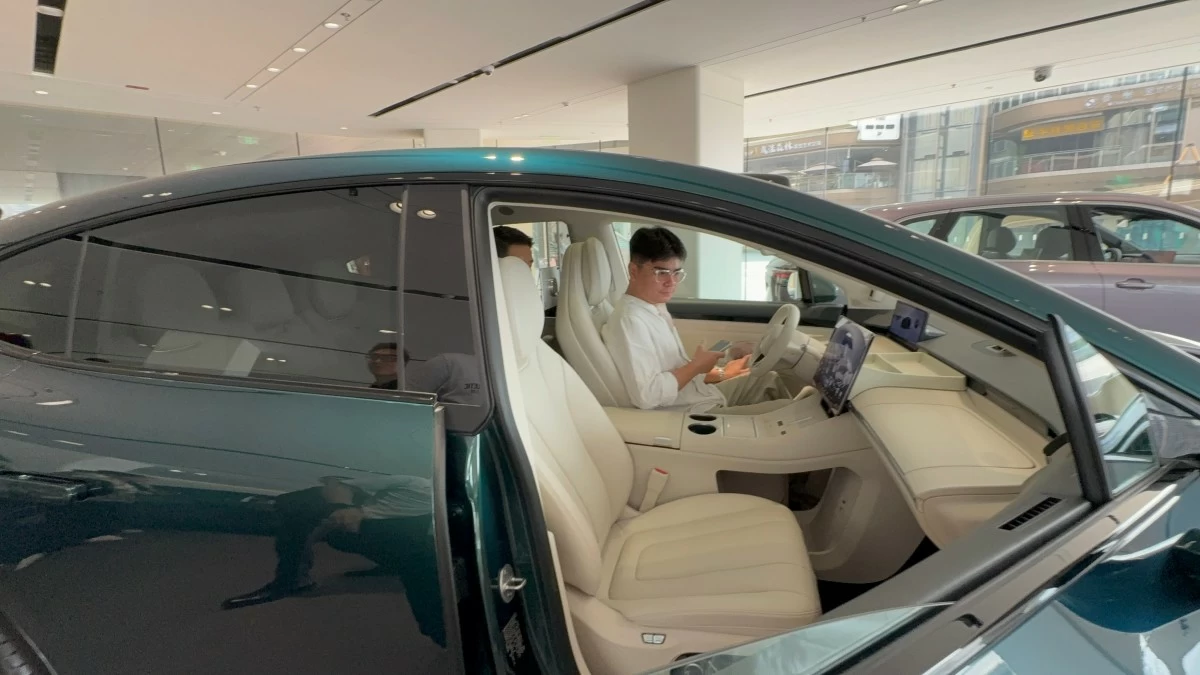
Huawei vehicles showcase ultimate luxury in every detail of their design. (Photo: Badette M. Cunanan/Manila Bulletin)
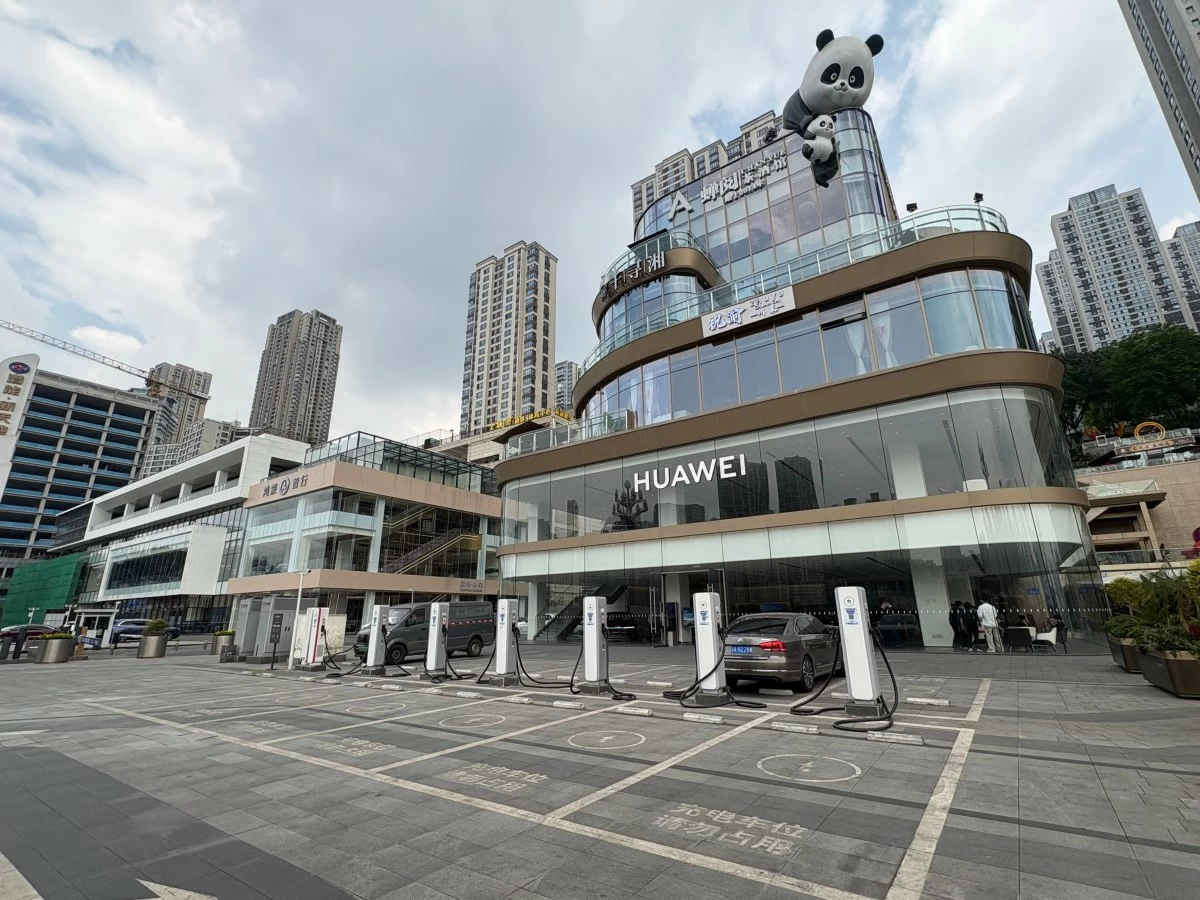
The Huawei Seres Vehicle Super Factory (Photo: Badette M. Cunanan/Manila Bulletin)
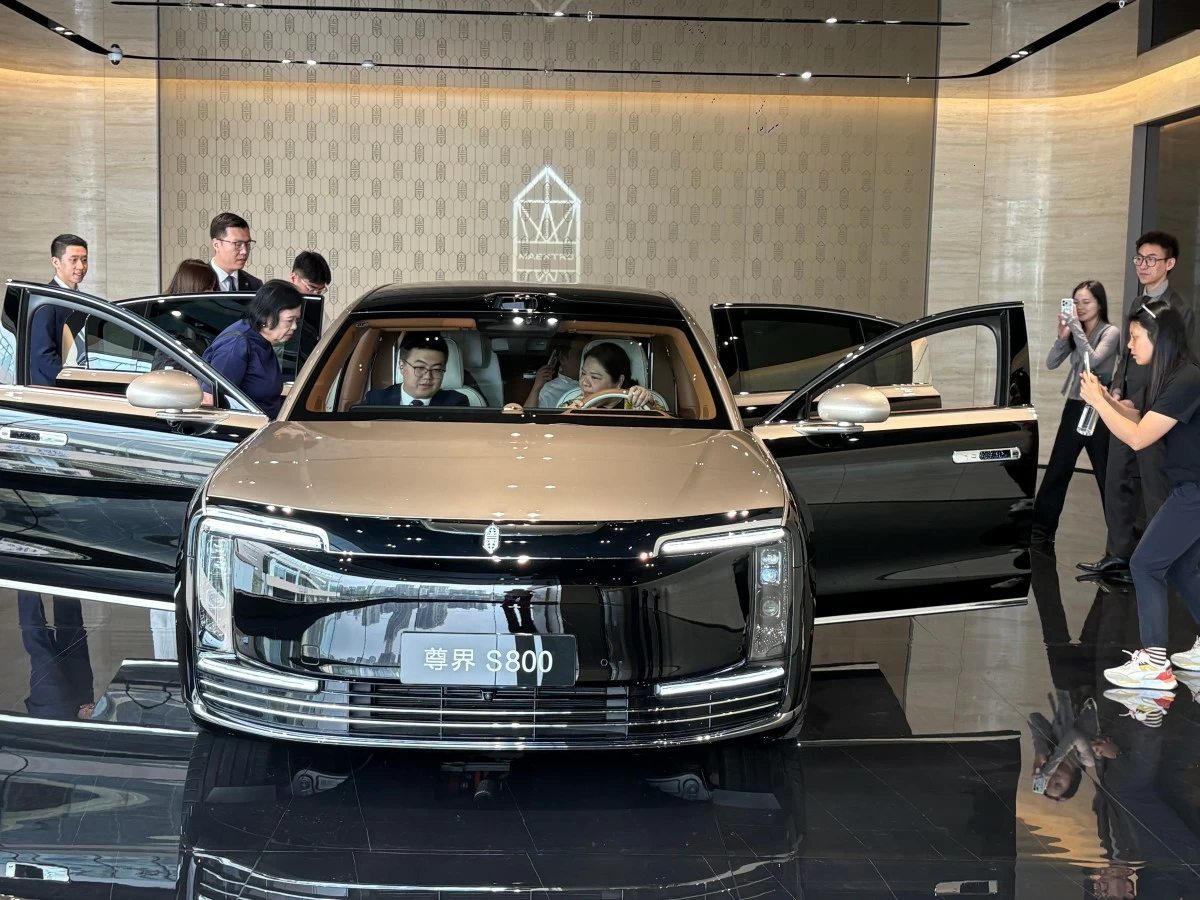
Huawei cars exude a sense of luxury, defined by their sleek lines and sophisticated design. (Photo: Badette M. Cunanan/Manila Bulletin)
Chongqing is also home to a cutting-edge industry. The Huawei Seres Vehicle Super Factory highlights the city’s role in China’s electric vehicle sector. AITO, the smart EV brand born from a collaboration between Huawei and Seres, reflects the city’s growing influence in technology and innovation.
No visit to Chongqing feels complete without savoring its famed hotpot. With its fiery broth and bold flavors, it captures the essence of the city’s culinary identity and transforms dining into a lively social ritual. Yet this culinary adventure deserves more than a passing mention—it is a rich tale in itself, one best told in Part 2 of the Chongqing story.
Chongqing is a city of contrasts: steeped in history yet relentlessly modern, shaped by rivers and mountains yet defined by skyscrapers and neon lights. From its wartime legacy to its futuristic skyline, it offers travelers a journey through layers of culture, architecture, and flavor.