






 Philippines
National
Legarda: Education reform measures will strengthen higher, technical education and institutions in the country
Philippines
National
Legarda: Education reform measures will strengthen higher, technical education and institutions in the country
Legarda: Education reform measures will strengthen higher, technical education and institutions in the country


At A Glance
- Senator Loren Legarda has vowed that education reform measures now being pushed by the Second Congressional Commission on Education (EDCOM II) would modernize the existing higher and technical education in the country, strengthening their professional standards and quality assurance and expand scholarship opportunities for Filipino students.
Senator Loren Legarda has vowed that education reform measures now being pushed by the Second Congressional Commission on Education (EDCOM II) would modernize the existing higher and technical education in the country, strengthening their professional standards and quality assurance and expand scholarship opportunities for Filipino students.
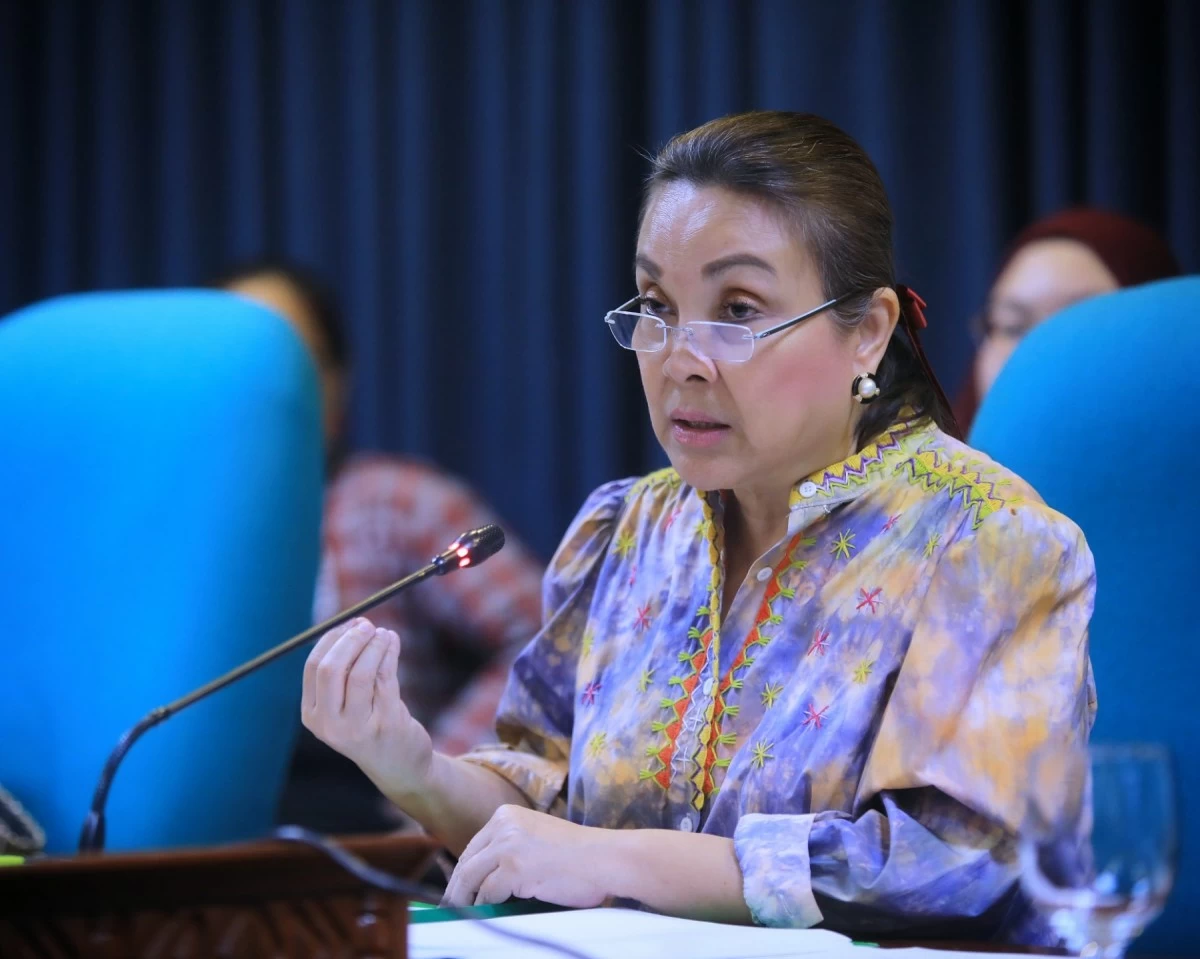
Legarda, who heads the Senate Committee on Higher, Technical and Vocational Education and co-chair of the EDCOM II made this assurance during the recent Senate hearing.
The committee agenda covered the Strengthening of the Commission on Higher Education (CHED) Charter (SB Nos. 1036 and 1427), the Technical Education and Skills Development Authority (TESDA) Modernization Act (SB Nos. 1413 and 1449), the Local Universities and Colleges (LUCs) Governance Act (SB Nos. 504, 623, 1402, and 1415), the Presidential Merit Scholarship Program Act (SB Nos. 1913, 1954 and HB No. 8477), the Strengthening State Universities and Colleges (SUCs) Governance Act (SB Nos. 706 and 1414), and the Philippine Professional Standards and Quality Assurance System Act (SB No. 1426).
These reforms, Legarda said are already long overdue, noting that the charters of CHED and TESDA were enacted more than three decades ago.
“The fundamental problem is institutional. CHED’s legal mandate has not kept pace with the sector’s growth, diversification, or the policy commitments the Philippine government has made in subsequent decades,” Legarda said.
During the hearing last April 23, EDCOM II presented findings that highlighted structural challenges in local universities and colleges (LUCs), including disparities in faculty pay and a lack of compliance with CHED recognition.
The Commission also noted that poorer local government units (LGUs) struggle to recruit qualified faculty due to lower salary grades, perpetuating a cycle of poor-quality education.
The senator said the proposed reforms also include differentiated autonomy for SUCs based on performance, mandatory certification for governing board members, and the establishment of a Philippine Higher Education Leadership Academy to strengthen succession planning.
For the TESDA Modernization Act, the measure seeks to replace its board with a board of advisers, expand its Secretariat to cover enterprise-based and community skills development, and mandate impact evaluation for scholarship programs.
On the other hand, the Professional Standards and Quality Assurance System Act aims to harmonize overlapping mandates among CHED, TESDA, and the Professional Regulation Commission (PRC) and address outdated professional laws that restrict curriculum updates.
During the hearing, Legarda affirmed the committee’s commitment to refine the proposed reforms through technical working groups.