






 Philippines
National
Bam Aquino: Electricity subsidies should be funded under national budget, not shouldered by consumers
Philippines
National
Bam Aquino: Electricity subsidies should be funded under national budget, not shouldered by consumers
Bam Aquino: Electricity subsidies should be funded under national budget, not shouldered by consumers


At A Glance
- Senator Paolo "Bam" Aquino IV said on Tuesday, April 28 electricity subsidies and other mandated discounts should be funded through the national budget and not by consumers, particularly by low and middle-income households.
Senator Paolo “Bam” Aquino IV said on Tuesday, April 28 electricity subsidies and other mandated discounts should be funded through the national budget and not by consumers, particularly by low and middle-income households.
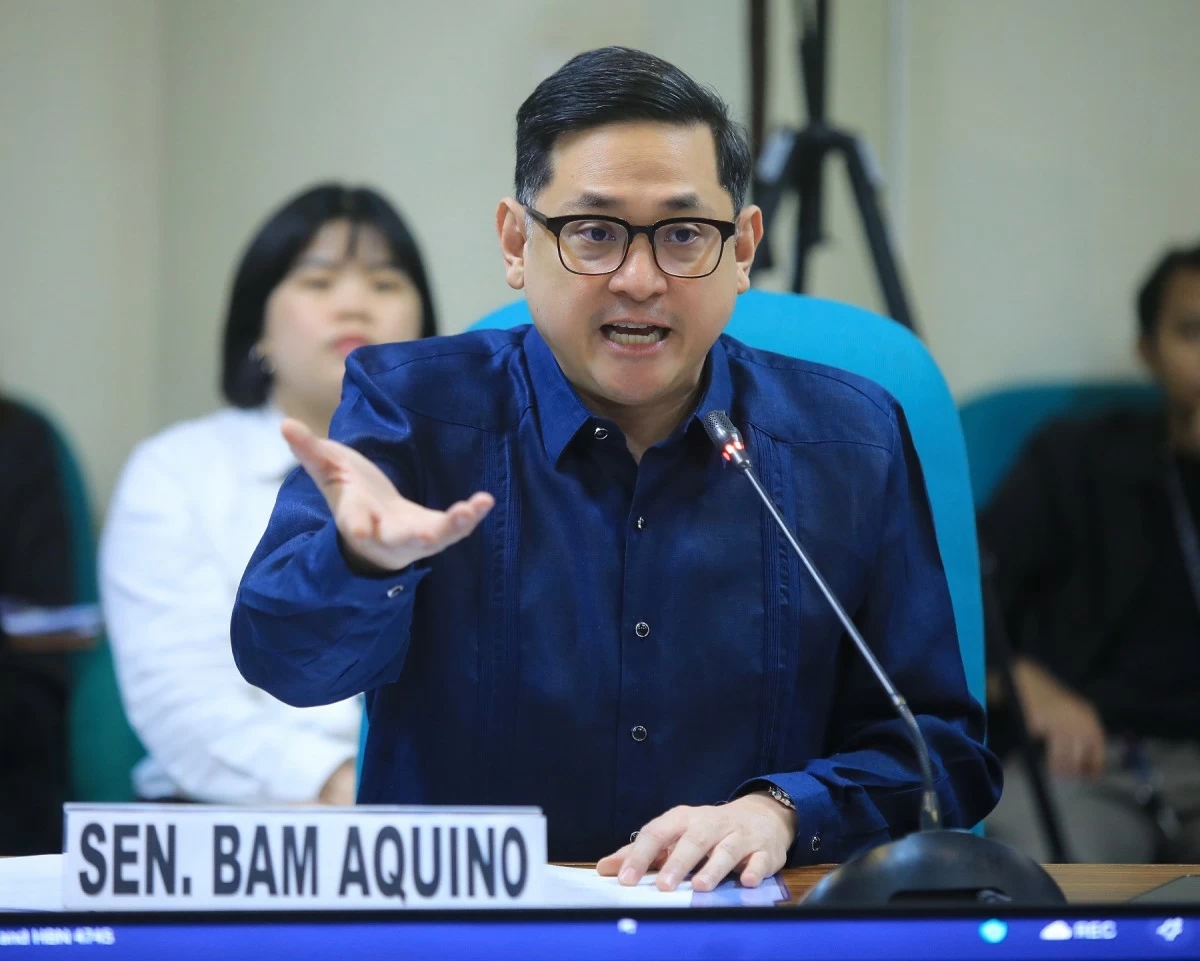
Aquino, who has filed Senate Resolution No. 375, pointed this out saying it is imperative for the Senate Committee on Energy to look into the design, targeting and financing of these subsidies, particularly the lifeline rate provided under Republic Act No. 9136 or the Electric Power Industry Reform Act (EPIRA).
The senator said it is only fitting that consumers are spared from any undue burden especially during this time of an oil crisis.
“Let’s look into this additional payment. There are already many poor Filipinos and the middle class. The people’s expenses should not increase if the government has money for aid,” Aquino said.
“It is important that we know the collection system and that it does not burden our fellow poor middle class compatriots,” he added.
Aquino made the statement amid ongoing complaints of power consumers reeling from higher electricity bills this month of April.
Power distributor, Manila Electric Company (Meralco), defended the rate increase and higher demand citing a rate increase and higher demand citing that the country is now in the middle of a hot season.
Joe Zaldarriaga, head of Meralco corporate communications, attributed the hike to higher generation charges, partly due to the weakening peso against the US dollar. He also said the bulk of electricity costs comes from generation charges, transmission charges, distribution costs for operations and maintenance, taxes and “other charges.”
Meralco also clarified that the pass-through charges and subsidies, including those for senior citizens and beneficiaries of the Pantawid Pamilyang Pilipino Program (4Ps), are mandated by the government.
Aquino said he filed the resolution in response to growing complaints from consumers that subsidies for marginalized end-users are being passed on to their electricity bills through a cross-subsidy mechanism.
"Current reliance on cross-subsidy mechanisms results in a redistribution of costs that may place a disproportionate and cumulative burden on non-beneficiary consumers, particularly low- and middle-income households who do not qualify for existing subsidies,” the senator pointed out.
He said exploring alternative financing mechanisms, including partial or full funding through the national budget, may promote greater transparency, accountability, and sustainability in the delivery of social protection measures.
The lawmaker also said that while he recognizes the lifeline rate as an important measure to guarantee that low-income households are able to access and afford electricity, ensuring its fair and sustainable implementation without placing undue burden on electricity consumers is vital.
“The objective of this policy review is not to remove or diminish the lifeline rate subsidy, but to ensure that it remains well-targeted, fiscally sustainable, and equitably financed, without unduly shifting the burden to other electricity consumers,” he stressed.