







What causes 'Ozempic face'?
Understanding how facial fat works
Published Apr 27, 2026 10:30 pm


At A Glance
- Beauty is never just one thing. It is the body and the face, the science and the kitchen, the prescription and the follow-through.
You can usually tell when a patient has good news before they even sit down. Mine walked in last week, practically floating, 25 pounds lighter, in a blazer she said had been waiting in her closet since 2019. Then she caught her reflection in my exam mirror, and the smile faded. “Doc, be honest,” she said. “Why does my face look so tired?”
She’d been on a GLP-1 for six months. Her bloodwork was good. The scale was cooperating. But her cheeks had gone flat, her temples had hollowed, and her under-eyes had darkened in a way concealer could not fix. She wasn’t imagining it. There’s a name for what she was seeing, “Ozempic face,” and now that Novo Nordisk launched Wegovy here in Makati on April 25, this is a conversation more Filipinos will be having.
Let me explain what is going on, because the panic version of this story has gotten more airtime than the medical one.
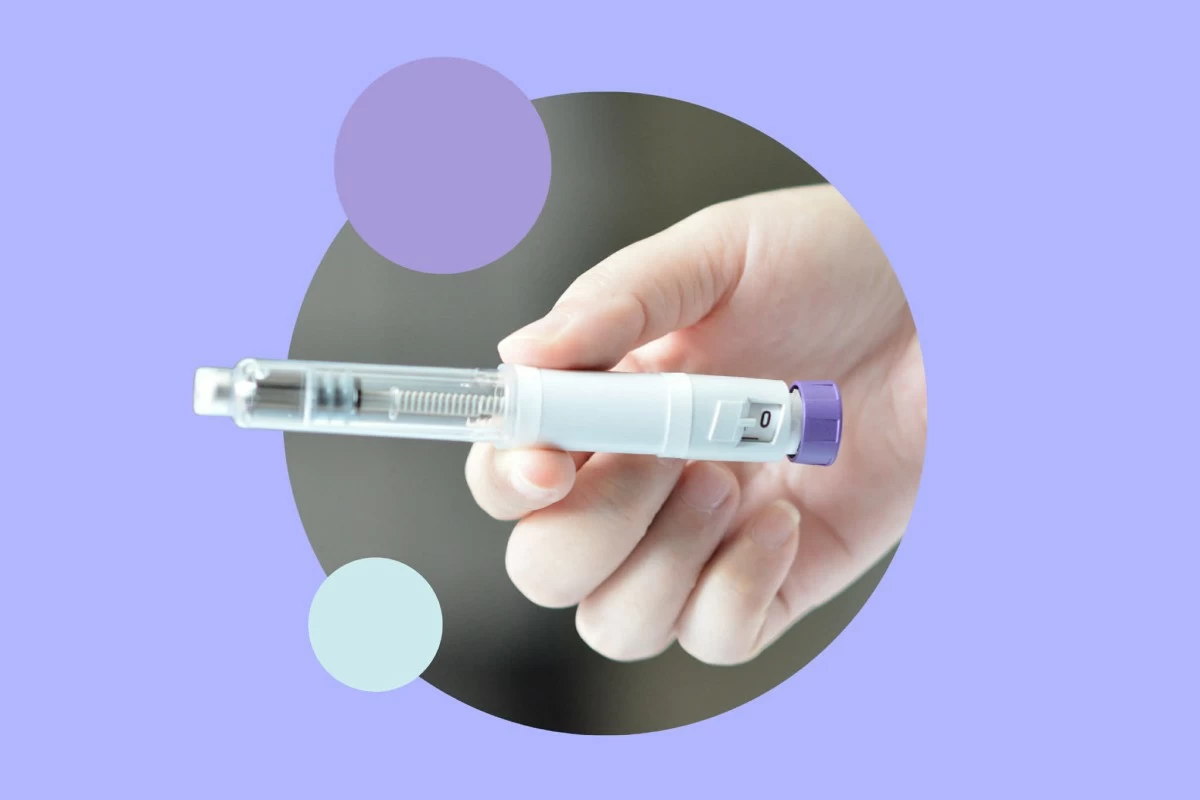
GLP-1 medications, like semaglutide (Ozempic, Wegovy), tirzepatide (Mounjaro), and liraglutide (Saxenda), are useful drugs. They reduce appetite, help regulate insulin, and for patients with type 2 diabetes or clinical obesity, they have made a real difference. But the body does not lose weight selectively. Fat is fat, and the face has fat, in the cheeks, under the eyes, at the temples, along the jaw, that holds up the structure of a younger-looking face.
The result is what we call facial deflation, and what patients more accurately describe as looking 10 years older in a few months. Here is where it gets interesting. There has been a real shift in how we treat this, both globally and now in Manila.
For 20 years, the standard fix for a hollow cheek was hyaluronic acid (HA) filler. Add volume, smooth the dip, done in an afternoon. But HA fillers only replace volume. They cannot rebuild the collagen that rapid weight loss damages. And because GLP-1 patients often keep losing, we end up adding more and more filler to keep up, until the face starts looking puffy and overdone. You have seen that look.
The better option, especially for someone on a GLP-1, is a biostimulator and Emface. Sculptra (poly-L-lactic acid) and Radiesse (calcium hydroxylapatite) work differently. They do not just fill; they signal your own cells to make new collagen. Results come in over three to six months, look gradual rather than sudden, and last up to two years. A small 2025 study followed four women losing weight on GLP-1s who received hyperdilute Radiesse. Even as they continued losing pounds, their cheek volume went up by close to 10 percent. The collagen was outpacing the loss.
This is why Sculptra, which is in more than 130 Philippine clinics, has become a useful tool for GLP-1 patients. It is also why “filler fatigue” is giving way to a better understanding of what collagen actually does for the face.
Another tool I lean on for GLP-1 patients, and one we brought into Luminisce a few years back, is Emface. It’s a 20-minute, hands-free treatment that uses synchronized radiofrequency and high-intensity facial electrical stimulation (HIFES) to do two things at once: warm the skin to encourage collagen and elastin, and contract the facial muscles the way a workout would. That second part matters here because GLP-1 weight loss thins out facial muscle along with fat, and Emface is one of the few non-invasive options that addresses both. The standard course is four sessions spaced a week apart. No needles, no downtime, you can go straight back to work. It pairs well with biostimulators rather than competing with them, collagen from the inside, muscle tone from the outside.
A few practical notes, because that is what a column should be.
First, please do not buy compounded semaglutide from online sellers. The Philippine College of Physicians issued an advisory last March against unregistered versions, and they had good reason. These drugs need a prescription, a doctor, and proper follow-up. Second, see your dermatologist before you finish losing the weight, not after. Starting that conversation early lets us plan ahead — sometimes with biostimulators, sometimes with radiofrequency microneedling, sometimes with nothing more than better sunscreen and a steady skincare routine. Third, be honest about what you want. The goal is not a face that looks twenty-five. It is your face, looking rested and healthy at the age you are.
Beauty is never just one thing. It is the body and the face, the science and the kitchen, the prescription and the follow-through. GLP-1s solved one problem well. The face is asking for the same care and attention.
Go in informed and come out still looking like yourself.