







Rethinking waste in the workplace
By MBrand
Published Apr 27, 2026 08:00 am
|
Updated Apr 27, 2026 06:26 am


Energy use, building efficiency, and design often take the lead in conversations about decarbonization. Yet across the built environment, a significant share of environmental impact comes from what happens beyond direct operations. Materials consumed, products discarded, and waste sent to landfills all contribute to Scope 3 emissions, shaping a building’s footprint long after construction and daily energy use.
NEO, a sustainability-driven real estate owner, manager, and developer of office buildings in Bonifacio Global City, approaches waste not as an endpoint but as part of a larger system. Each bag of waste carries embedded carbon from production, transport, and disposal. Managing that waste with intention creates an opportunity to reduce emissions across the value chain while influencing how communities consume and dispose.
Through its partnership with Holcim, under its global waste management brand Geocycle, NEO diverts qualified residual waste from landfills and channels it into co-processing. This process converts non-recyclable waste into alternative fuels and raw materials for cement production, reducing reliance on fossil fuels and virgin resources. The approach addresses one of the most emissions-intensive stages of waste, where landfill disposal generates methane and locks materials out of productive use.
“Waste is more than an operational concern. It reflects how materials and resources are managed across the entire value chain, and waste-related emissions contribute significantly to Scope 3 footprint. By improving waste management, applying circular practices, and strengthening partnerships, we can reduce emissions beyond our direct operations and across the value chain,” said Gie Garcia, Chief Operations Officer and Chief Sustainability Officer of NEO.
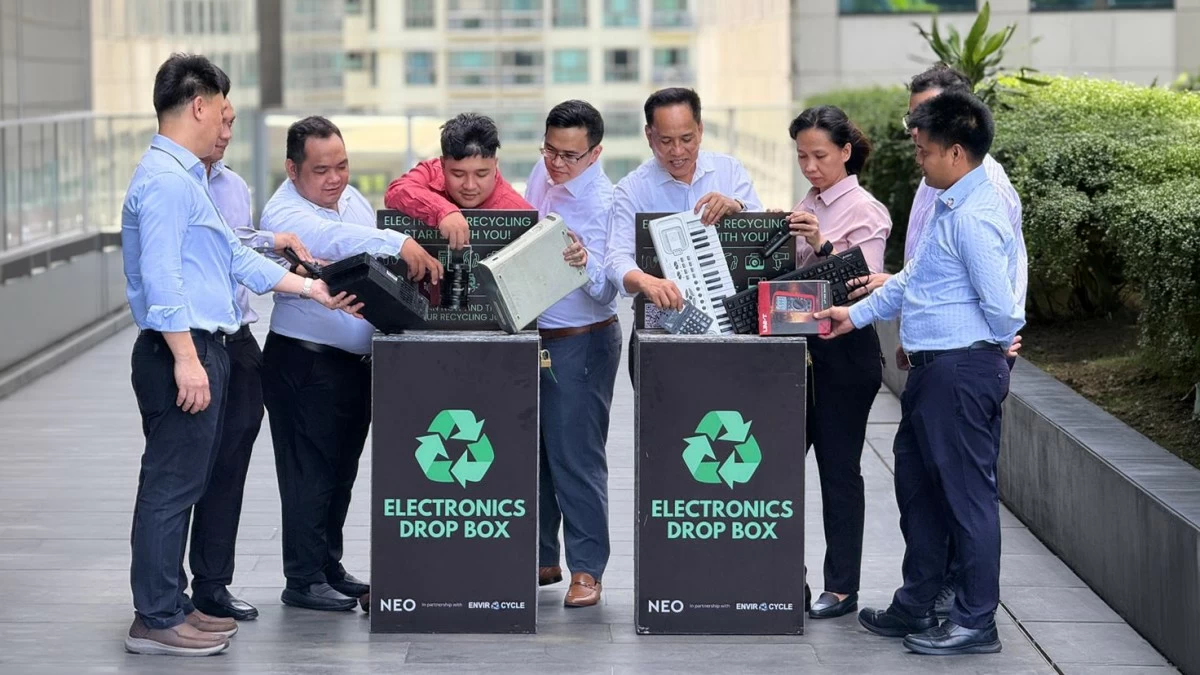
Electronic waste presents another layer of complexity. Devices contain valuable materials alongside hazardous components that require careful handling. Through its partnership with HMR Envirocycle Philippines Inc., NEO provides tenants with accessible channels to dispose of electronic waste responsibly. Old phones, computers, and accessories enter a process that prioritizes safe recovery and recycling, preventing environmental harm while extending the lifecycle of materials already in circulation.
These initiatives operate within a shared environment where tenant behavior plays a defining role. Waste segregation at source, responsible consumption, and participation in recycling programs directly influence downstream emissions. NEO’s approach recognizes that buildings function as ecosystems, where sustainability depends not only on infrastructure but also on the everyday decisions of the community within.
Positioning waste within Scope 3 reframes its importance. Landfill diversion reduces methane emissions. Material recovery reduces demand for resource extraction and manufacturing. Co-processing displaces fossil fuels in industrial processes. Each action contributes to emissions reduction beyond property boundaries, aligning operational practices with broader climate goals.
“Sustainability does not end within the walls of a building,” said Raymond Rufino, Chief Executive Officer of NEO. “The real opportunity lies in how we manage resources, influence consumption, and handle what leaves our spaces. Waste management allows us to extend that responsibility across our entire value chain and into the everyday actions of our tenant community.”
For the real estate sector, this shift carries growing relevance. Office developments influence patterns of consumption and disposal across thousands of occupants daily. Integrating circular practices into waste management enables developers to extend impact beyond building performance metrics and into the wider value chain. Global benchmarks continue to recognize this expanded responsibility, with frameworks increasingly accounting for indirect emissions and resource use.
NEO continues to strengthen its role in this transition by embedding circularity into its developments and partnerships. Waste management strategies move beyond compliance and diversion targets toward systems that prioritize reuse, recovery, and emissions reduction. The result is a built environment that supports both operational efficiency and long-term environmental accountability.
As sustainability expectations evolve, the path forward requires attention to what leaves a building as much as what powers it. NEO’s waste management approach reflects this balance, demonstrating how everyday systems can drive meaningful change when viewed through the lens of circularity and Scope 3 emissions.