Manila Bulletin
 Environment and Sustainability
From collection to recycling: How Coca-Cola supports activities across the value chain in the Philippines
Environment and Sustainability
From collection to recycling: How Coca-Cola supports activities across the value chain in the Philippines
Environment and Sustainability
From collection to recycling: How Coca-Cola supports activities across the value chain in the Philippines
From collection to recycling: How Coca-Cola supports activities across the value chain in the Philippines
By MBrand
Published Apr 27, 2026 06:12 am


A used plastic bottle does not disappear when it leaves a person’s hands. Where it goes next depends on the strength of the local collection network and recycling programs in place to recover it.
The Coca-Cola system in the Philippines supports activities across different parts of the recycling ecosystem—from the use of recyclable materials in some of its plastic bottles, to programs that engage collection partners, and participation in local collection and recycling initiatives. Together, these activities aim to support a more connected collection network where every step helps the next one.
Helping turn bottles into new value
As part of broader efforts to strengthen local collection and recycling in the country, Coca-Cola Philippines supports the use of recycled PET (rPET) in packaging. By incorporating rPET into select plastic bottles in their beverage portfolio, collected plastic can be processed into food-grade material for reuse in packaging applications, helping extend its life.
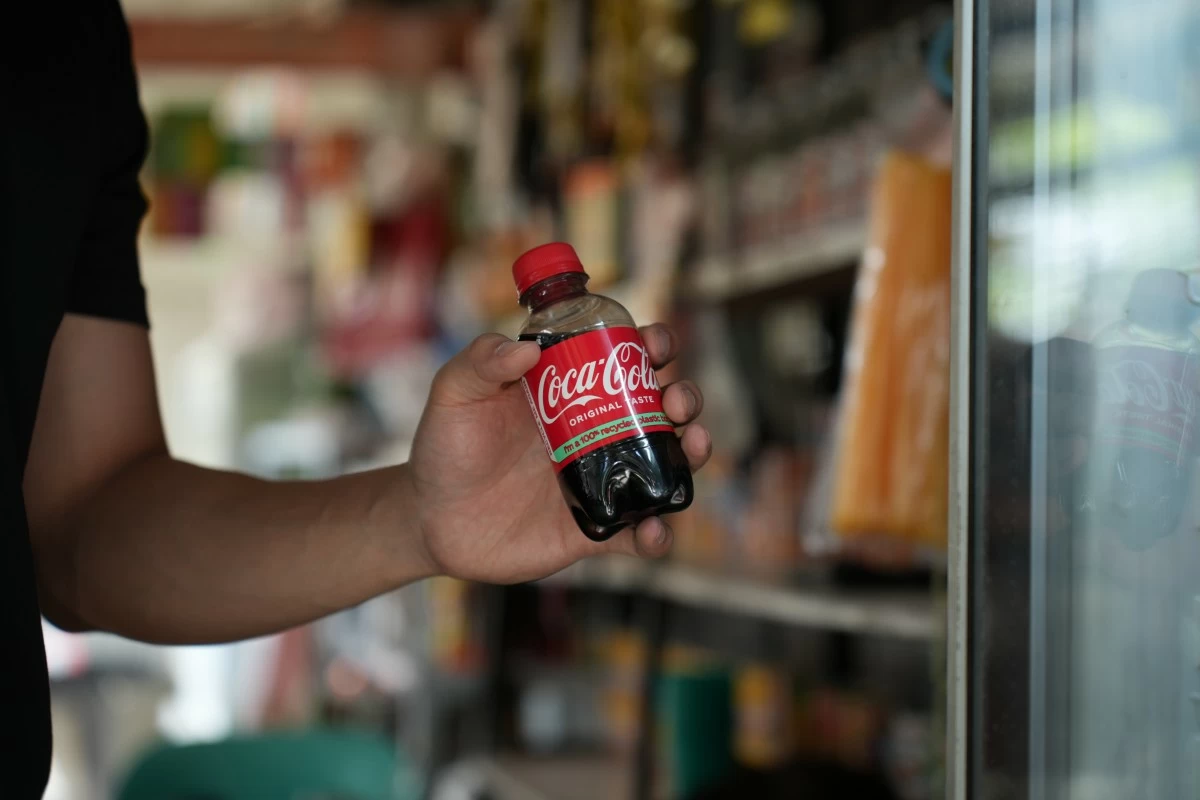
Some COKE® Swakto bottles are made from 100 percent recycled plastic (rPET).
Today, certain variants of Coca-Cola® Original Taste 190ml packages use recycled plastic PET.
Collection and recovery from the ground up
Effective packaging recovery begins at the community level, led by local collectors who play a critical role in ensuring materials are collected and kept in use. Since 2019, Coca-Cola Foundation Philippines has supported collectors and communities through initiatives focused on collection activities, skills training, and safety support.
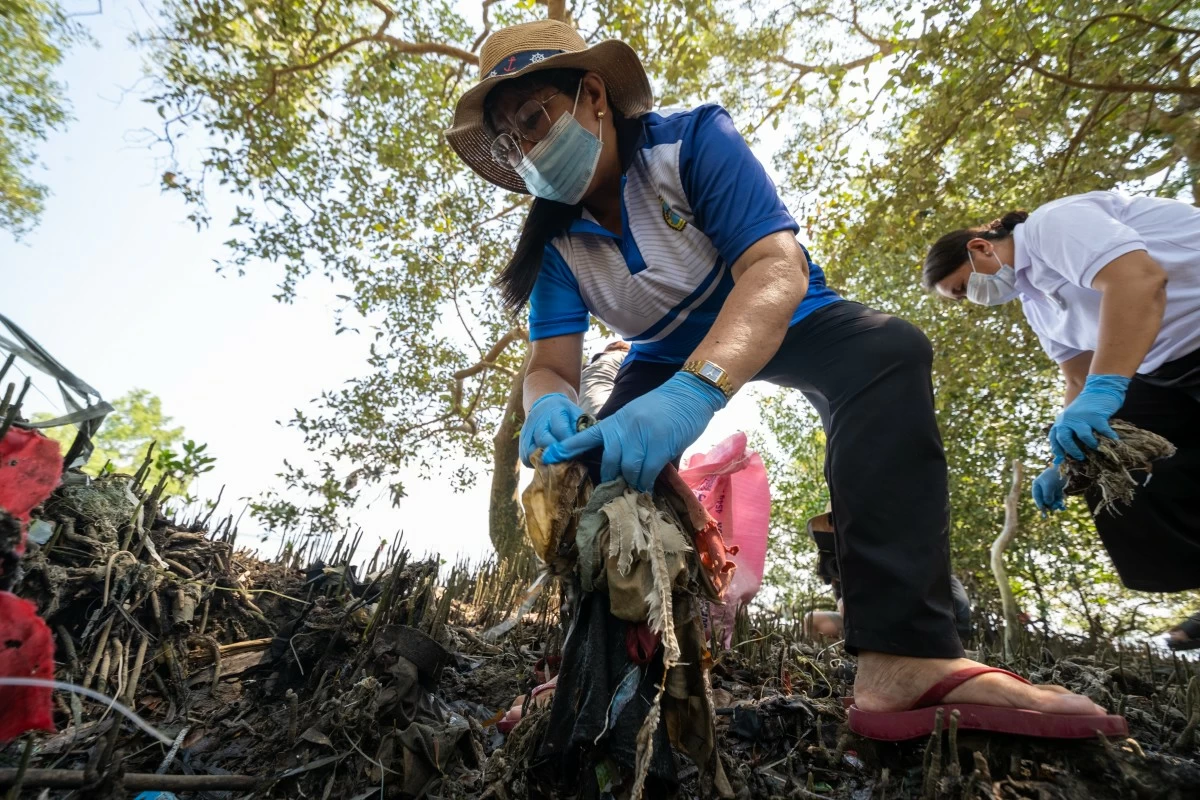
Coca-Cola Philippines supports collectors in urban, rural, and coastal communities through access to tools, training, and safety equipment, working alongside partners to implement these programs.
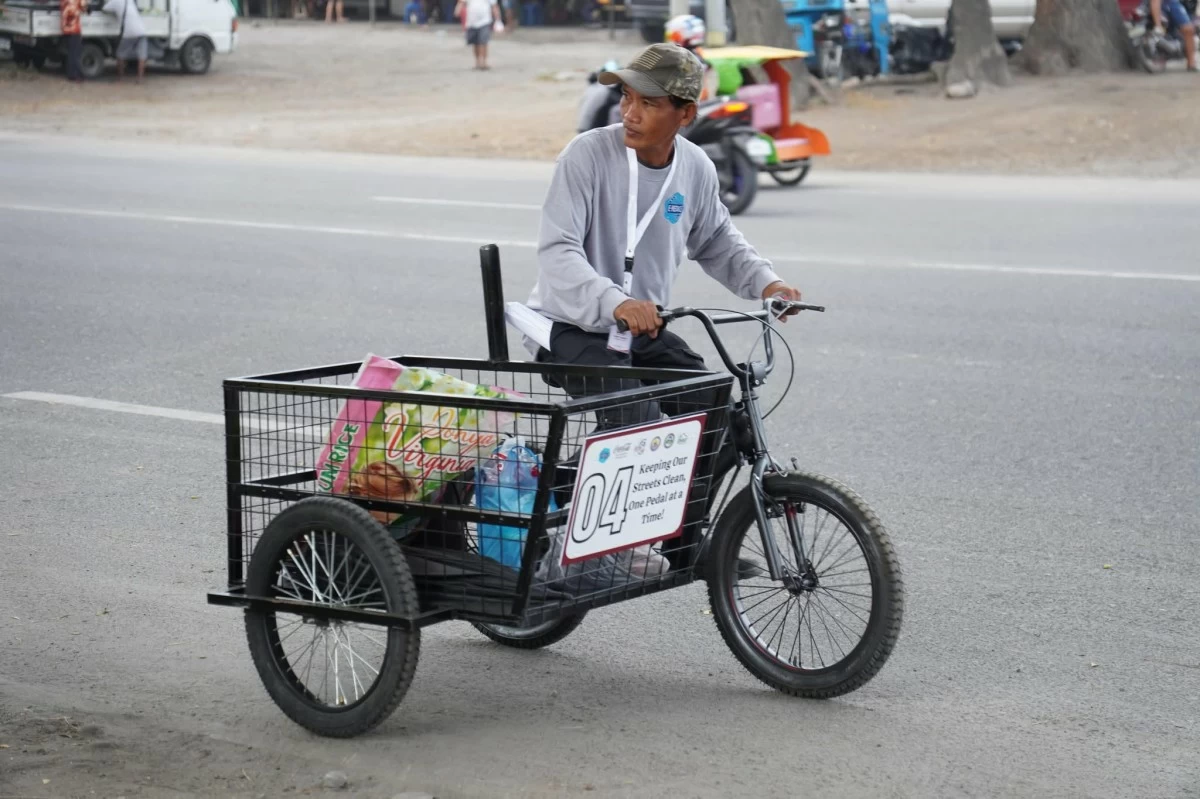
Coca-Cola Philippines supports collectors in urban, rural, and coastal communities through access to tools, training, and safety equipment, working alongside partners to implement these programs.
Coca-Cola Foundation Philippines, in partnership with local government units (LGUs) and NGO partners, provides training and tools that enhance skills, safety, and operational efficiency, while supporting the participation and inclusion of informal collectors and local associations within supported and organized collection networks. These initiatives also help share information on proper waste management and recycling, providing communities with the knowledge, tools, and access to local collection hubs to keep programs running effectively over the long term.
Complementing these pursuits is Tapon to Ipon, a plastic PET bottle recovery initiative launched in 2021. This program encourages consumers to return clear PET bottles through partner sari-sari stores, wholesalers, barangays, and pop-up collection points in exchange for incentives. Operating in various cities and municipalities, it has grown to more than 6,000 collection points, often activated through partnerships with LGUs and NGOs during community events and festivals.
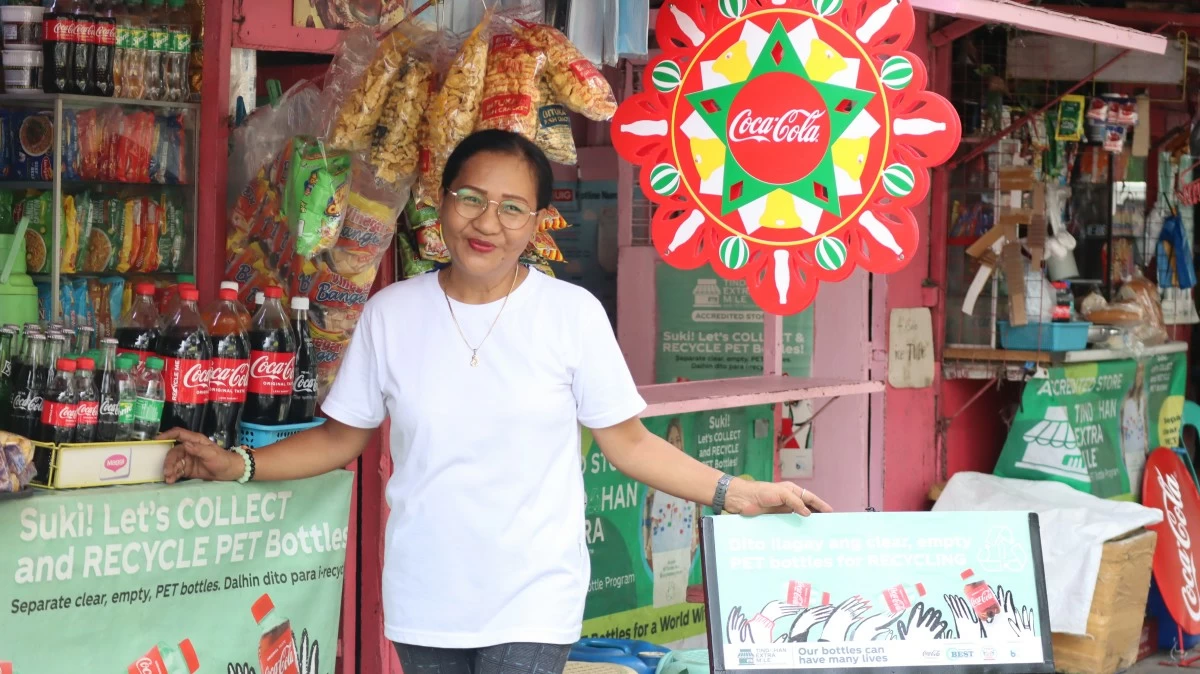
In 2025, Coca-Cola Philippines integrated the Tindahan Extra Mile (TEM) program with ‘Tapon to Ipon’ to expand reach and participation across retail-based collection points.
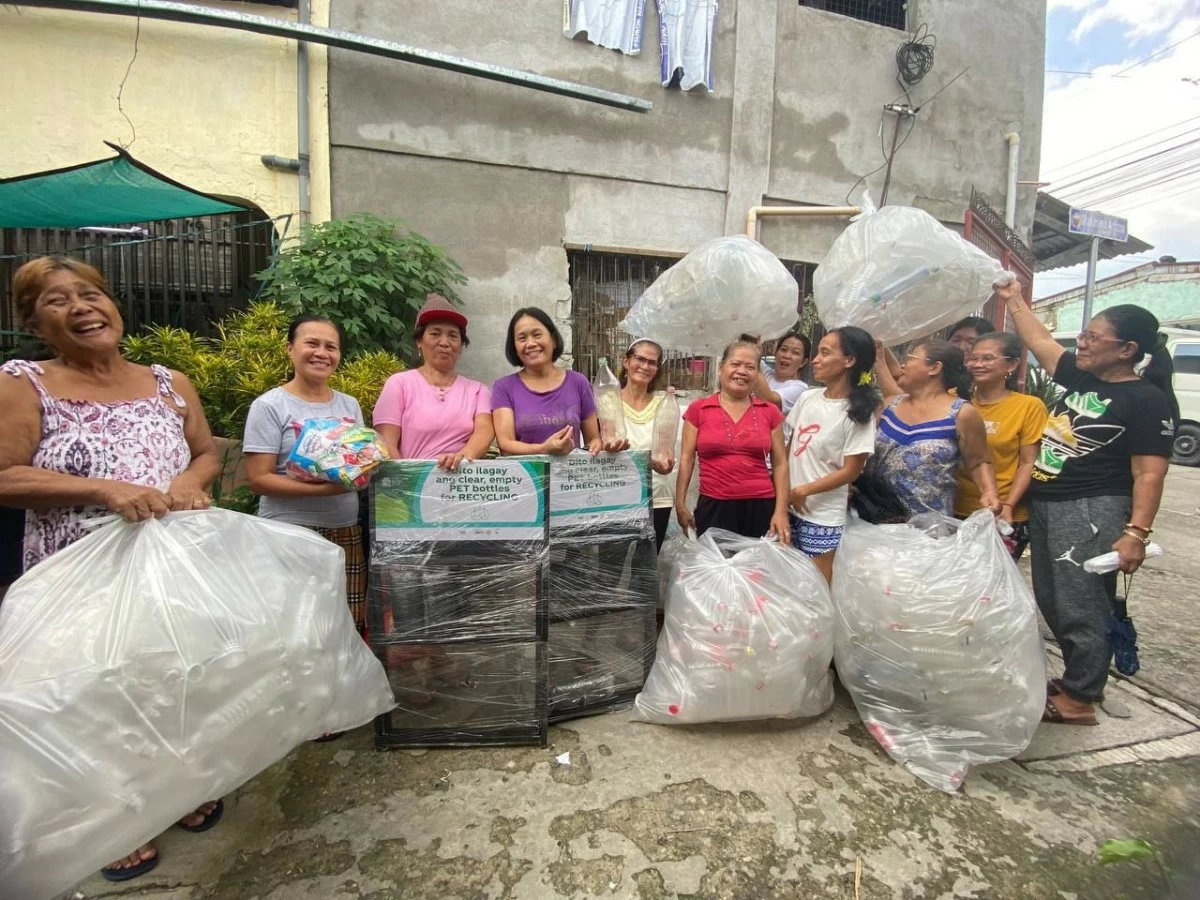
In 2025, Coca-Cola Philippines integrated the Tindahan Extra Mile (TEM) program with ‘Tapon to Ipon’ to expand reach and participation across retail-based collection points.
From recovery to recycling
Once collected, materials are processed so they can be used again. Recycling allows recovered plastic PET bottles to be transformed into new packaging, helping to keep them in use and out of the environment.
At the center of this approach is PETValue Philippines, the country’s first and largest bottle-to-bottle, food-grade PET recycling facility located in General Trias, Cavite. The facility processes used PET bottles into recycled PET (rPET) suitable for food and beverage packaging.
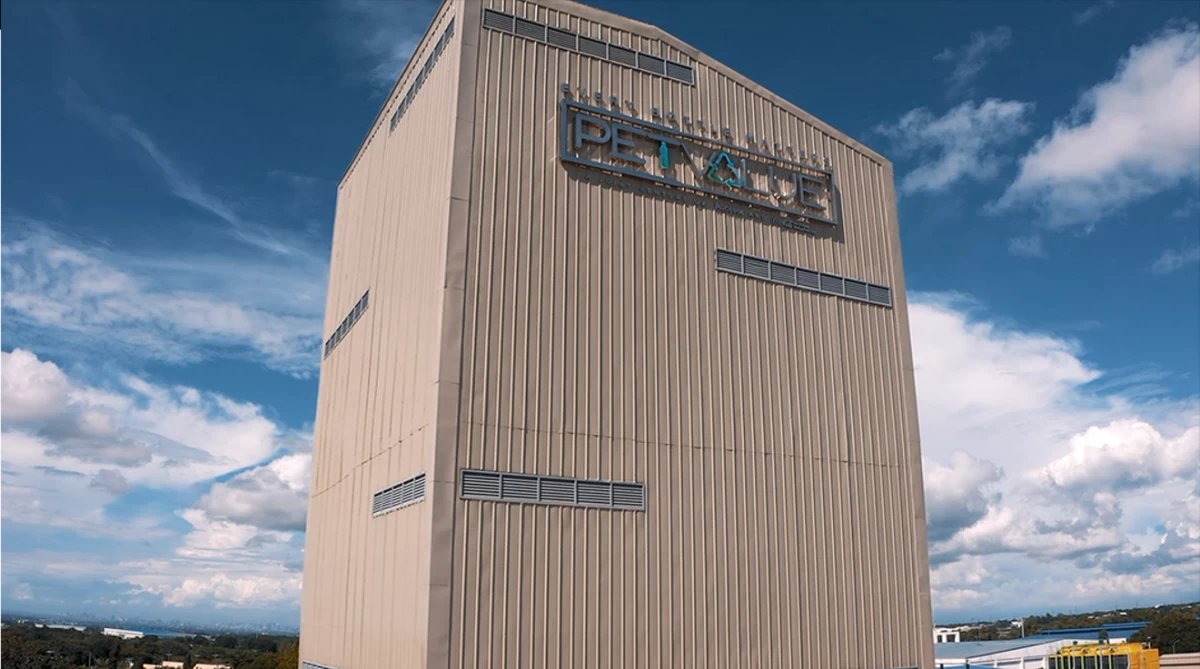
PETValue Philippines is a joint venture between local bottling arm, Coca-Cola Europacific Aboitiz Philippines (CCEAP), and Indorama Ventures.
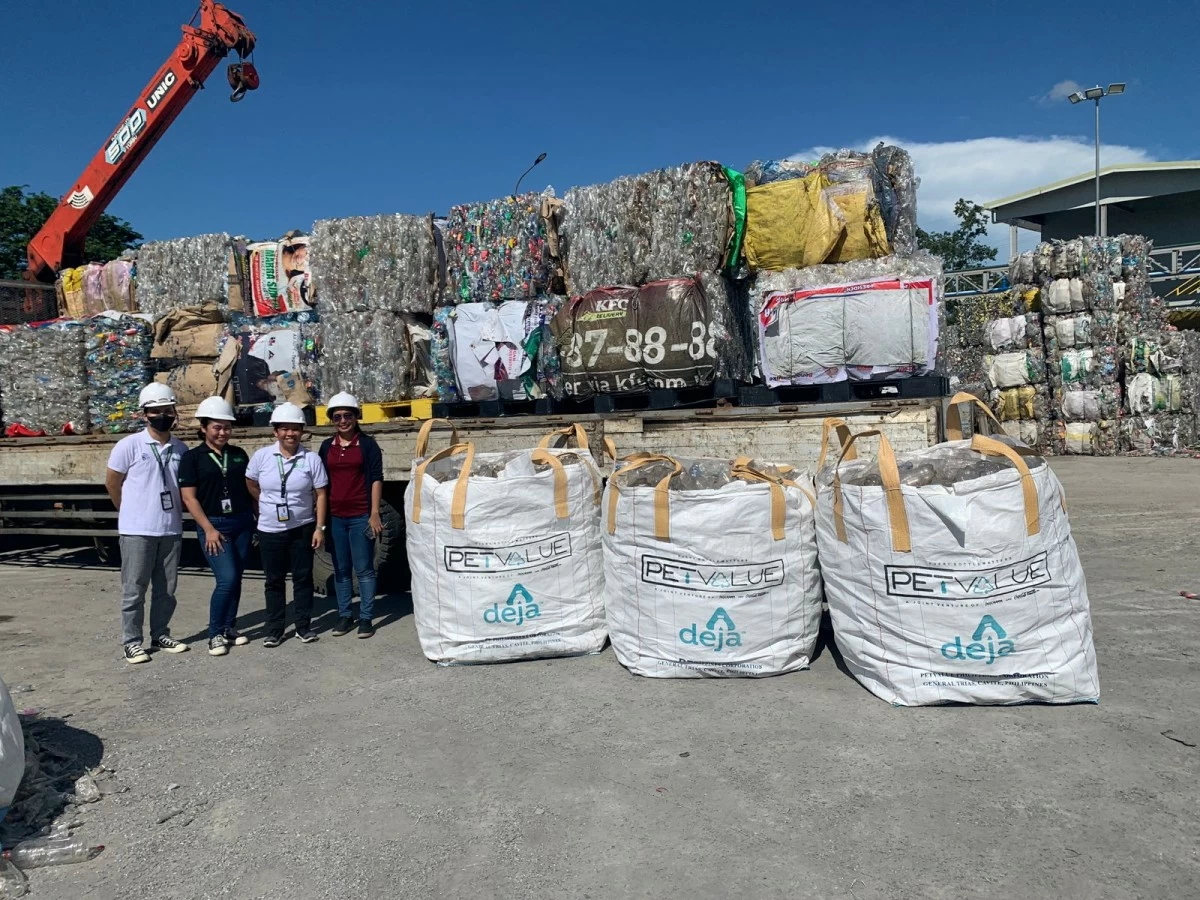
PETValue Philippines is a joint venture between local bottling arm, Coca-Cola Europacific Aboitiz Philippines (CCEAP), and Indorama Ventures.
The goal is to help direct more collected PET into facilities like PETValue Philippines to strengthen local recycling capacity. In 2024, the facility processed the equivalent of 1 billion PET bottles—illustrating the scale at which collected materials can be recycled through local processing capacity.
Sustaining progress through shared responsibility
Coca-Cola Philippines participates in the country’s Extended Producer Responsibility (EPR) framework under RA 11898, which encourages companies to support the collection and recovery of their packaging.
Coca-Cola’s local bottling partner, CCEAP, was recently recognized by the Department of Environment and Natural Resources (DENR) with a Special Citation for Obliged Enterprises at the 2026 EPR Recognition Program, for its efforts to help improve recycling and stay ahead of the national requirements.
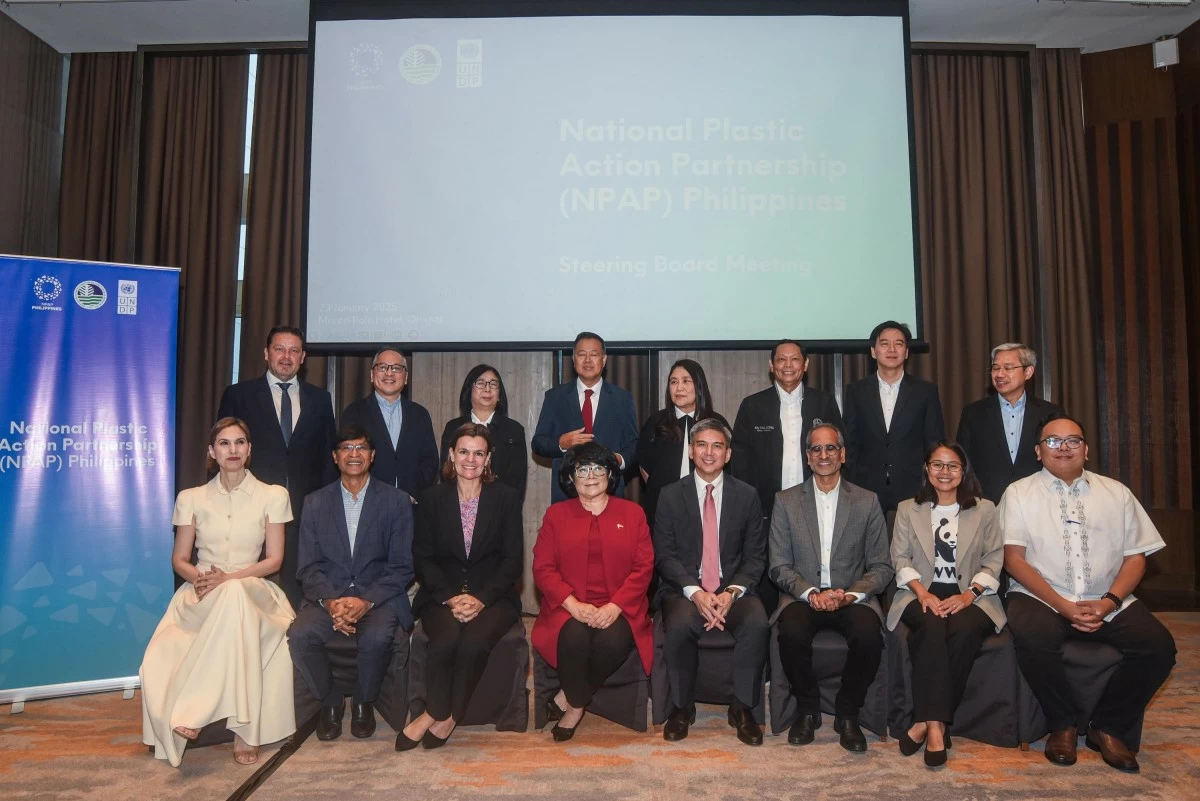
Coca-Cola Philippines is also a steering board member of the National Plastic Action Partnership Philippines (NPAP), a multi-stakeholder platform that brings together government, private sector, and civil society. Through this collaboration, the company contributes to identifying gaps across the plastics value chain, advancing solutions, and strengthening nationwide efforts to reduce waste.
Learn more about Coca-Cola Philippines’ sustainability efforts by visiting https://www.coca-cola.com/ph/en/brands/coca-cola/sustainability.